"I recently hired Red Wind Management to assemble two bedroom sets and a large sectional, and I couldn’t be happier with the experience. Their team was fast, efficient, and paid close attention to every detail. Communication was excellent throughout the process, and they cleaned up everything when they were finished—it was like they were never even there. The quality of their work and professionalism exceeded my expectations. I was so impressed that I plan to hire them again for additional projects around the house that we simply don’t have time to tackle ourselves. Highly recommend Red Wind Management!"
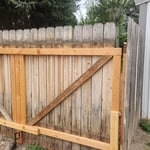
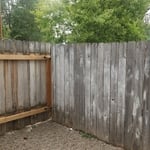
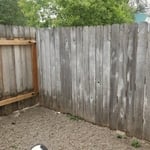
We provide reliable, quality handyman services to help keep your home looking and functioning its best. From deck and porch repairs to wood fence repairs and general handyman projects, we take pride in delivering dependable workmanship and attention to detail.
We take great pride in our experience, expertise, quality, and customer
\nservice that we provide to meet the consumer's needs. It is our mission
\nto provide excellent workmanship and complete
\ncustomer satisfaction from start to completion of a project. In order to
\nunderstand the needs and expectations of our customers, we take great
\ncare to work and communicate with every customer in a professional
\nmanner. Our reputation is based on service, safety,
\nand quality, regardless of how large or small the job.
We take great pride in our experience, expertise, quality, and customer service that we provide to meet the consumer's needs. It is our mission to provide excellent workmanship and complete customer satisfaction from start to completion of a project. In order to understand the needs and expectations of our customers, we take great care to work and communicate with every customer in a professional manner. Our reputation is based on service, safety, and quality, regardless of how large or small the job.
Just Right Homes LLC proudly serves its customers with pride, integrity and attention to the details that matter most to you. This is one of the many things that sets us apart from the rest. We are locally owned and operated. Give us a call today!
I am a small business owner with many years of experience doing many different tasks. I have landscaping experience as well as general construction experience.
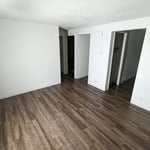
BullDogz is committed to reliable workmanship, efficient installation, and professional results on every project.\nCore Services\nVinyl plank flooring installation\nGlue-down flooring installation\nNail-down hardwood installation\nUnderlayment installation\nFlooring removal (carpet, vinyl, etc.)\nBaseboard removal and installation\nTrim carpentry\nDoor and window installation\nConcrete grinding and floor prep\nFloor leveling and patching\nGeneral handyman repairs\nFurniture moving for flooring installs
At Bobby Browns Property Services, we deliver top-tier, dependable cleaning services to make your home, rental, or commercial property shine. From deep seasonal cleans to fast turnovers between occupants, our team takes care of the dirty work so you don't have to. We take pride in focusing on the details others miss?leaving every space spotless, fresh, and welcoming.
\n
\nOur Services:
\n
\nMove-In / Move-Out: Top-to-bottom cleaning to get properties market-ready.
\n
\nDeep Cleaning: Focused care for kitchens, bathrooms, baseboards, and built-up grime.
\n
\nRecurring Maintenance: Weekly, bi-weekly, or monthly custom schedules.
\n
\nPost-Renovation: Clearing away dust and debris after repairs or upgrades.
\n
\nWhy Choose Us:
\nDependable & punctual
\nTransparent, upfront rates
\nTailored to your priority list
\n
\nContact us today for a fast, free estimate!
Safety precautions include proper ventilation, regular inspections for leaks, and ensuring tanks and fittings are in good condition to prevent accidental release or fire hazards.
Safety steps include proper vent installation, connector tightness, and leak testing. A safe environment must be maintained throughout.
Most likely, a gas plumber would be the best pro for many components in your home, and you might not even realize it. Natural gas plumbers are responsible for maintaining and installing natural gas lines, including installing appliances that use natural gas. These can include:
Fireplaces
Water heaters
Furnaces
Hot tubs
Clothes dryers
Ovens
Outdoor grills
Gas plumbers are also the pros that would handle a natural gas leak in your home, so it's essential to know the signs of a gas leak before it becomes a dangerous situation.
Depending on the appliance and labor requirements, costs range from $150 to $500.
Built-in gas grills typically have a life span of 10 to 15 years. However, their longevity can vary based on quality, usage frequency, climate conditions, and maintenance routines. High-quality models made from durable materials tend to last longer. Additionally, regular cleaning, covering the grill when not in use, and conducting routine maintenance tasks such as cleaning burners and replacing worn-out parts can extend its life. A well-maintained built-in gas grill can provide excellent performance and memorable cooking experiences for a decade or more, making it a worthwhile investment for outdoor cooking enthusiasts.
The Iona, ID homeowners’ guide to grill assembly services
From average costs to expert advice, get all the answers you need to get your job done.
If you’re not keen on spending your afternoon assembling flat-pack furniture, bring in the professionals. How much does furniture assembly cost? It can be shockingly affordable.
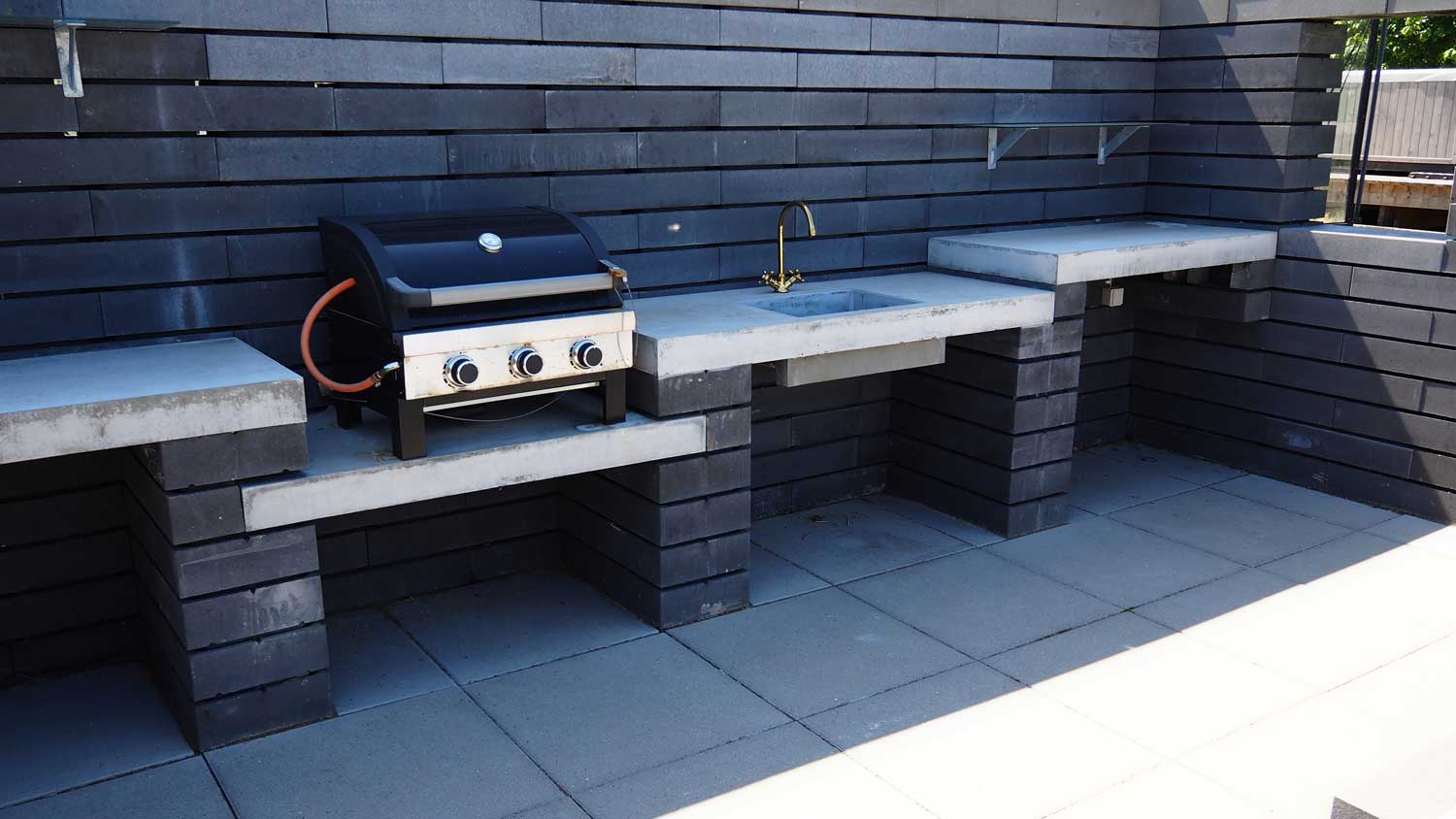
Planning a new outdoor cooking space? Learn everything you need to know about gas grill installation costs, setup options, and how to hire a local pro.