"We had some very expensive materials and needed a professional. Aloha wall covering and Tom did a great job! We trust him with all of our fine Fabrics and materials. They showed up on time they were clean and professional also very polite, they did a great job we would definitely refer them to friends and family."
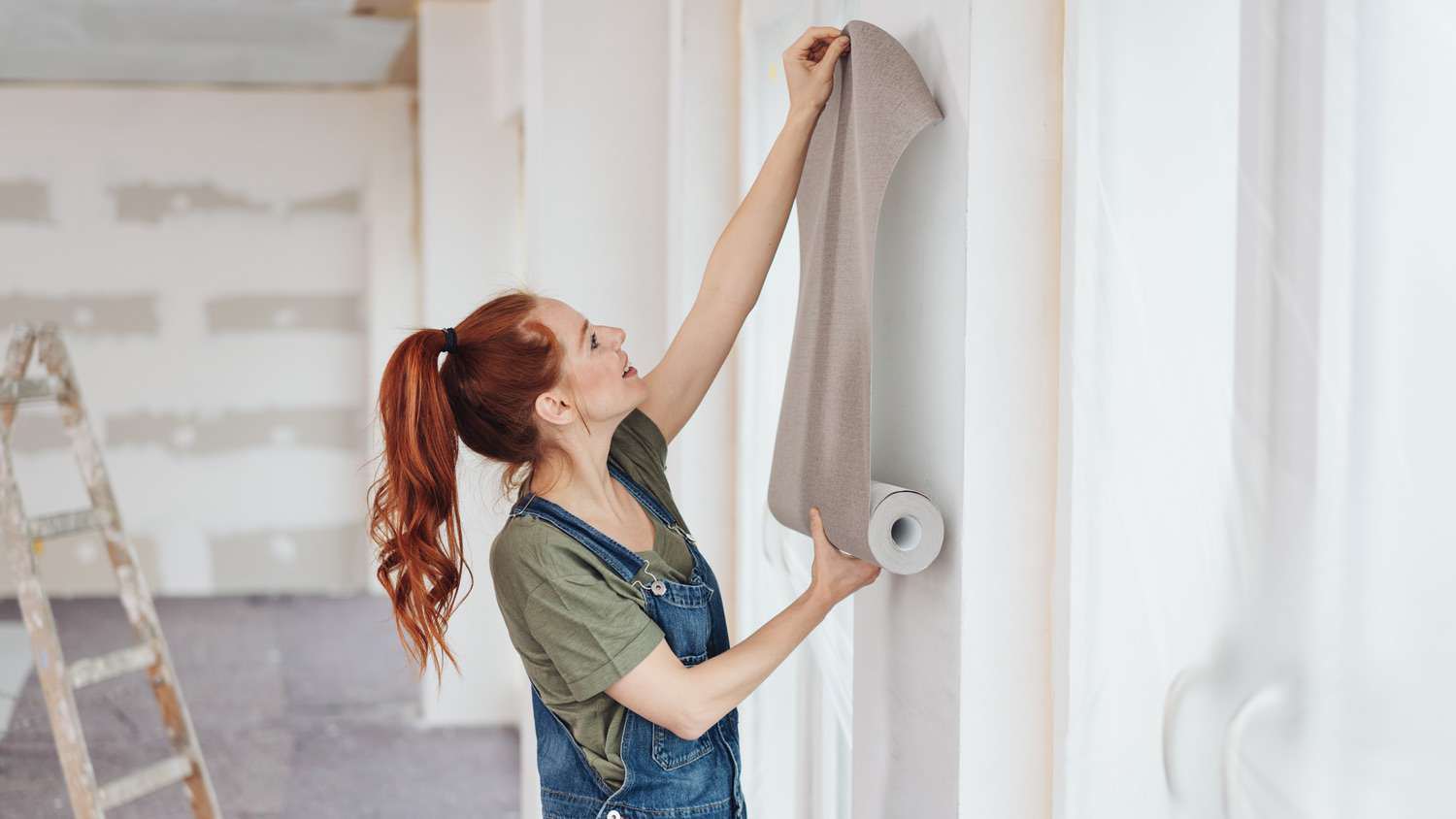
Peel-and-stick wallpaper is designed to be removed without damaging walls, making it a good choice for renters or temporary design changes. However, damage to paint or drywall can occur under certain conditions. To prevent issues, the wall surface must be properly prepared before application—it should be clean, smooth, dry, and correctly primed or painted. Applying wallpaper to a freshly painted surface can cause the paint to peel off during removal. Additionally, removing the wallpaper too quickly or aggressively can also cause damage. For best results, always follow the manufacturer's instructions for both application and removal.
If you prefer peel-and-stick to traditional wallpaper, you can skip the priming process. Many manufacturers don't require an additional primer if you’re installing peel-and-stick wallpaper to painted walls. However, if you’re applying peel-and-stick wallpaper to unfinished drywall, you’ll need to apply a primer first.
The average cost to install or hang wallpaper is around $575 per room or project, with typical prices ranging from $200 to $1,500. Costs can be higher for custom or luxury products. Since project size varies, it's often helpful to estimate labor costs per square foot, which generally fall between $1 and $7, with an average of $4 per square foot. The total cost depends on several factors, including the quality and type of wallpaper, the size and type of the room, and whether old wallpaper must be removed first. Opting for less expensive materials like peel-and-stick wallpaper or choosing to do the installation yourself can lower the overall cost. For the most accurate estimate, it is best to have a professional inspect the space and provide a quote.
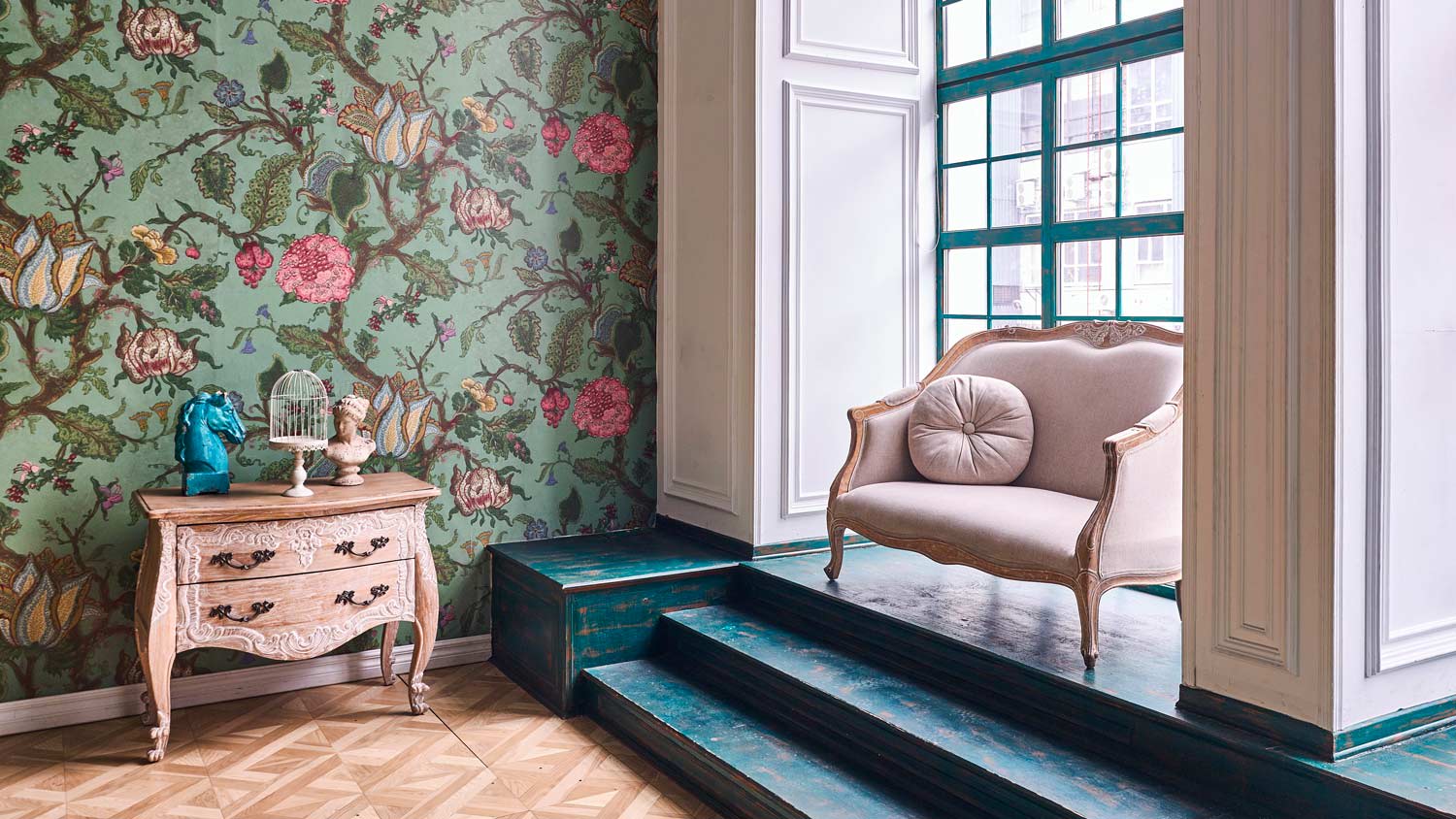
Textured or patterned vinyl wallpaper designs are the best option for hiding imperfections. Embossed designs or faux finishes like brick, wood, or linen textures are especially effective at camouflaging dents, cracks, or uneven surfaces. Avoid smooth, shiny finishes, as they can highlight flaws rather than conceal them.
Yes, peel-and-stick wallpaper is available that’s made from vinyl—it actually is the most common material used in peel-and-stick wallpaper. Learning how to install vinyl wallpaper is far easier when you’re using a peel-and-stick design than with adhesive. You could also select peel-and-stick wallpaper that consists of paper, polyester, or natural fibers.
The Honokaa, HI homeowners’ guide to wallpaper services
From average costs to expert advice, get all the answers you need to get your job done.
Discover wallpaper installation cost. Learn about material, labor, and project factors to estimate your budget and make informed choices for your home.
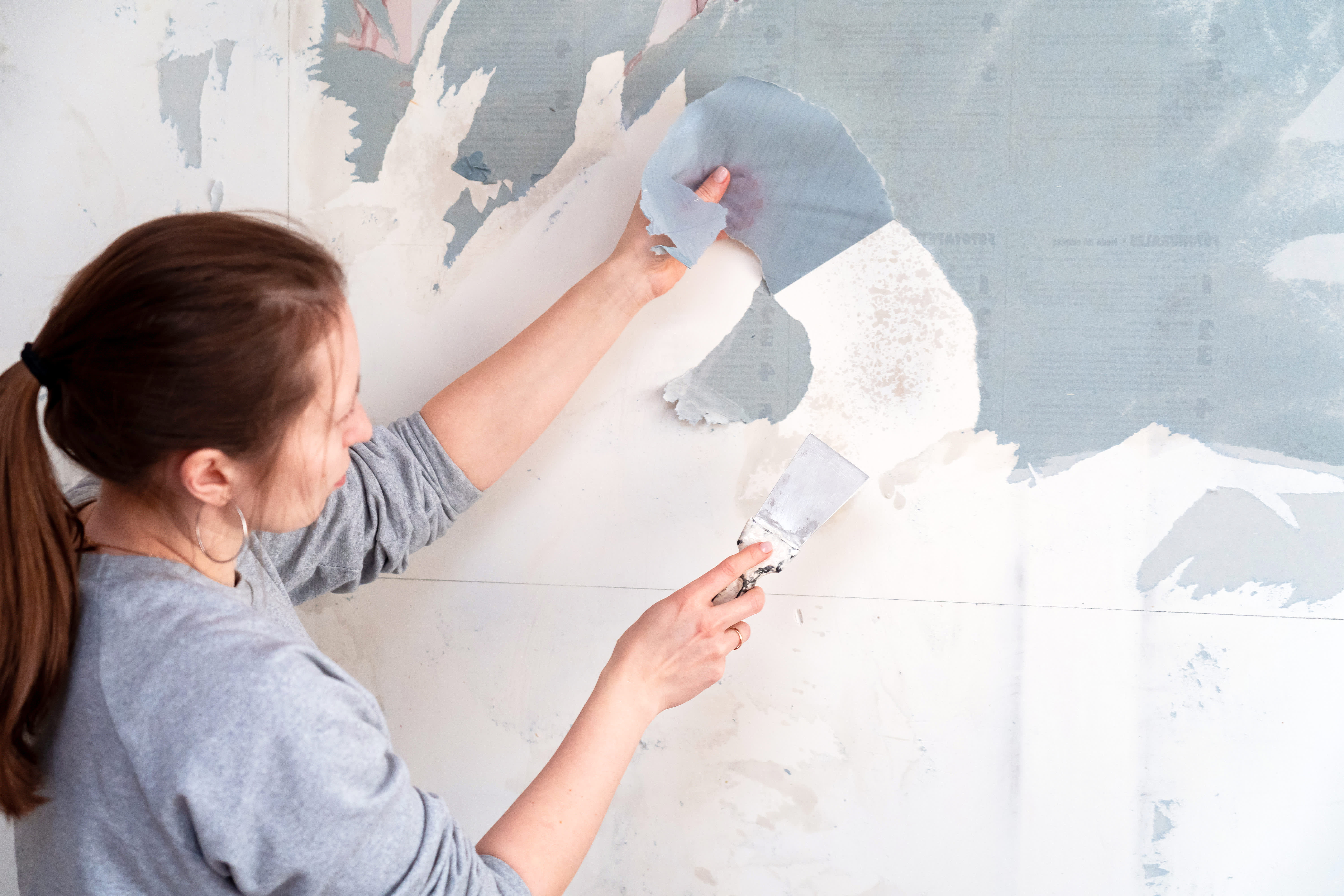
Wallpaper removal requires physical labor and can be a sticky mess. Consider these tips on the best ways to remove wallpaper to make the process as smooth as possible.
Is washable wallpaper suitable for bathrooms? Yes, but this only applies to certain types of wallpaper in specific situations. Here’s what you need to know.
Taking down wallpaper is a tedious and time-consuming job. Here are some tips on how to hire someone to remove wallpaper for you to make your life easier.