


Top-rated generator install pros.

Get matched with top generator install pros in Tignall, GA

Enter your zip and get matched with up to 5 pros

Need a pro for your generator install project in Tignall, GA?

Select your specific project to find the pro for you.

Find Generator install pros in Tignall

Avatar for Rowell Electric Company
Rowell Electric Company
4.5(
12
)

Serving Tignall, GA and surrounding areas

In business since 1955

Free estimates

Credit card accepted

"Highly professional technicians and representatives, good "down home" folks to work with. Followed up several times to ensure project complete and generator was working as required. Very nice people to deal with."
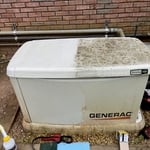
Generac Standby Generator 22KW
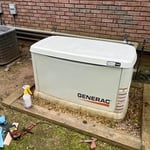
Generac Generator Install
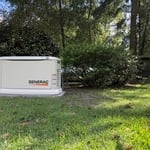
Location for new Generac Generator
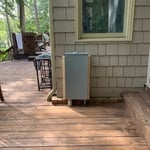
Generac Generator 22KW
Generac Generator 60kw Install

+12

Response time2 days
Recommended by100%of homeowners

Avatar for H & S Electric
H & S Electric
4.8(
4
)

Serving Tignall, GA and surrounding areas

In business since 2000

Free estimates

Emergency services offered

"They came as agreed and hooked up my window switches but had a problem with my alarm system . He had an emergency call out of state and we agreed to postpone the completion until later."
Electrical Upgrade
Panel Upgrade
New Panel
Kitchen Remodel
Kitchen Remodel

+1

Response time2 days
Recommended by100%of homeowners
Big Patriot Home Remodeling
New to Angi

Serving Tignall, GA and surrounding areas

In business since 2020

Free estimates

Emergency services offered

Big Patriot Home Remodeling is committed to excellence in every aspect of our business. We uphold a standard of integrity bound by fairness, honesty, and personal responsibility. Our distinction is the quality of service we bring to our customers. Accurate knowledge of our trade combined with ability is what makes us true professionals. Above all, we are watchful of our customers' interests and make their concerns the basis of our business.

Response time20 mins
Generator Install questions, answered by experts

To determine the right size generator for your house, you should calculate the total wattage of the appliances and devices you want to power during an outage. List all essential items, note their start-up wattages, and add them together.

Here are some typical wattage requirements for common appliances:

  • Refrigerator: 600 watts

  • Large dehumidifier: 700 watts

  • Large window air conditioner: 1,400 watts

  • Water heater: 3,000 to 4,500 watts

  • Electric furnace: 5,000 to 25,000 watts

A 7,500-watt generator might be sufficient for essentials like a refrigerator, freezer, well pump, and lighting circuits. However, for high-demand items like a water heater or furnace, a whole-home generator is a better choice. A portable generator may be enough if you only need to power a few critical items.

While home square footage can offer a rough estimate, it is not always a reliable indicator. For reference, here are some typical generator sizes based on square footage:

  • 1,000 sq ft: 6–9 kW

  • 1,500 sq ft: 7–10 kW

  • 2,000 sq ft: 10–14 kW

  • 2,500 sq ft: 12–16 kW

  • 3,000 sq ft: 16–20 kW+

For the most accurate sizing, consult a professional who can calculate your home's peak and average power consumption and recommend the optimal generator.

A portable generator can supply power to selected appliances and circuits in a home, but it's generally not designed to handle the entire household's electrical needs simultaneously. Portable generators have limited wattage capacity, so they are only designed to power essential devices and electronics temporarily until local power is restored. If your power needs outweigh the capabilities of a portable generator, consider installing a whole-home generator instead.

No, you should never plug a generator directly into a wall outlet in your house. This practice is extremely dangerous, often illegal, and can cause "back-feeding," where power from the generator flows back into utility lines, creating a life-threatening hazard for utility workers. It can also damage your home's electrical system, including appliances like pumps and HVAC fans. If the main power is restored while the generator is connected, it can destroy the generator and cause an electrical fire. To safely connect a generator, you must use a professionally installed transfer switch or an interlocking kit, which prevents back-feeding by disconnecting your home from the utility grid before the generator provides power.

While natural gas generators are costly, they’re a great option for standby power due to the reliability of natural gas as a fuel source. Unlike other fuels, natural gas is delivered through underground pipes, making outages extremely rare and less likely to be affected by the elements. As long as the area isn’t prone to earthquakes, they offer an unlimited supply of natural gas that doesn’t degrade over time or require storage in tanks.

An undersized whole-house generator has the potential to overheat and shut down when you try to run a central AC system. This scenario can not only damage the whole-house generator, but can also trip your home’s breakers or cause electrical damage. To avoid this situation, hire a local generator installer to correctly size your whole-house generator.

The Tignall, GA homeowners’ guide to generator installs

From average costs to expert advice, get all the answers you need to get your job done.