"They showed up early to look at my project. And when they gave me the estimate I did not have enough money so they worked with me by lowering the amount and letting me make payments. Then when they did the project it was perfect. I would call them and refer them anytime."
We have the experience and we are committed to providing quality workmanship and superior customer service on all our applications. We at seth hardin strive to maintain our reputation as a high quality, very service oriented company with our main focus being customer satisfaction.
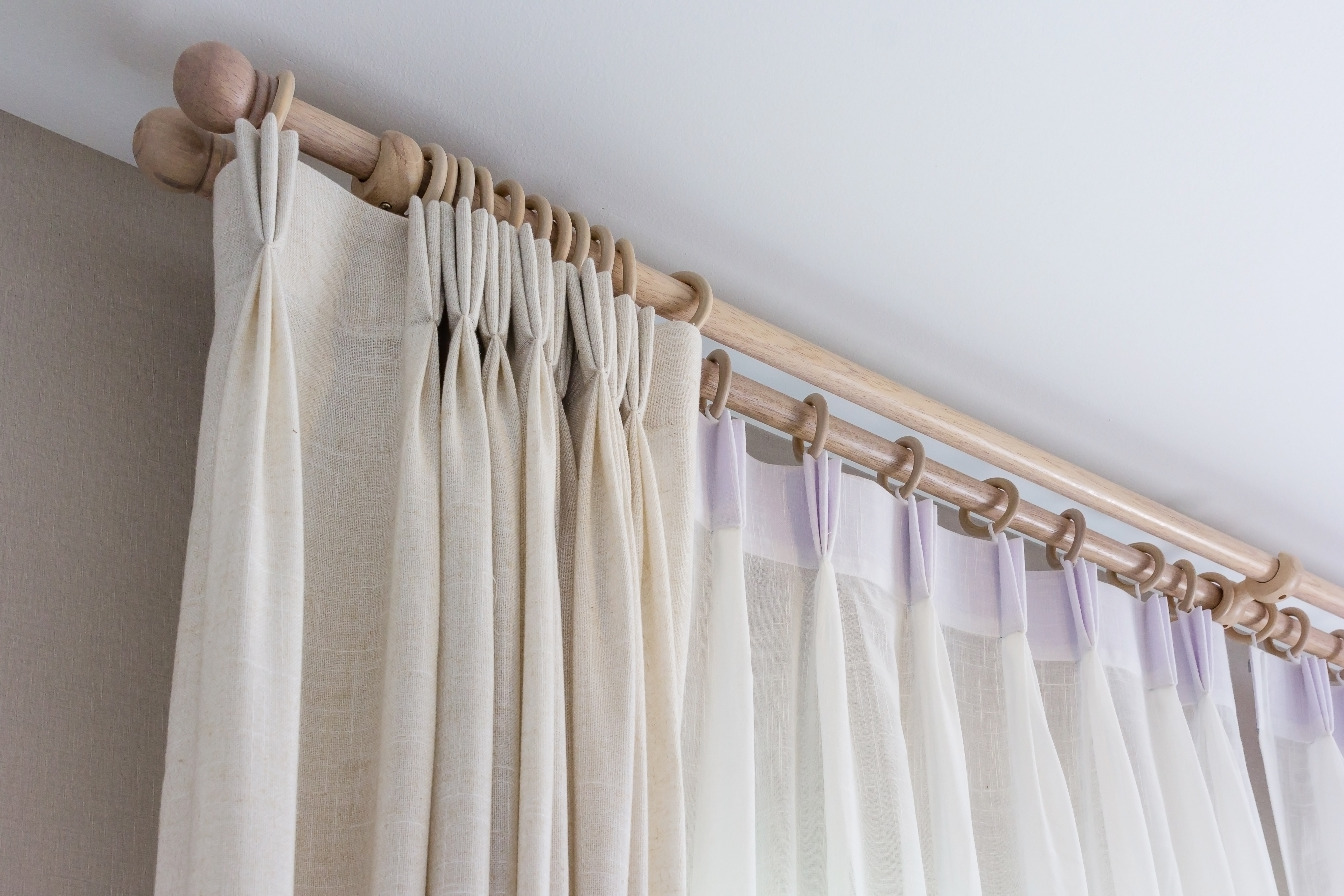
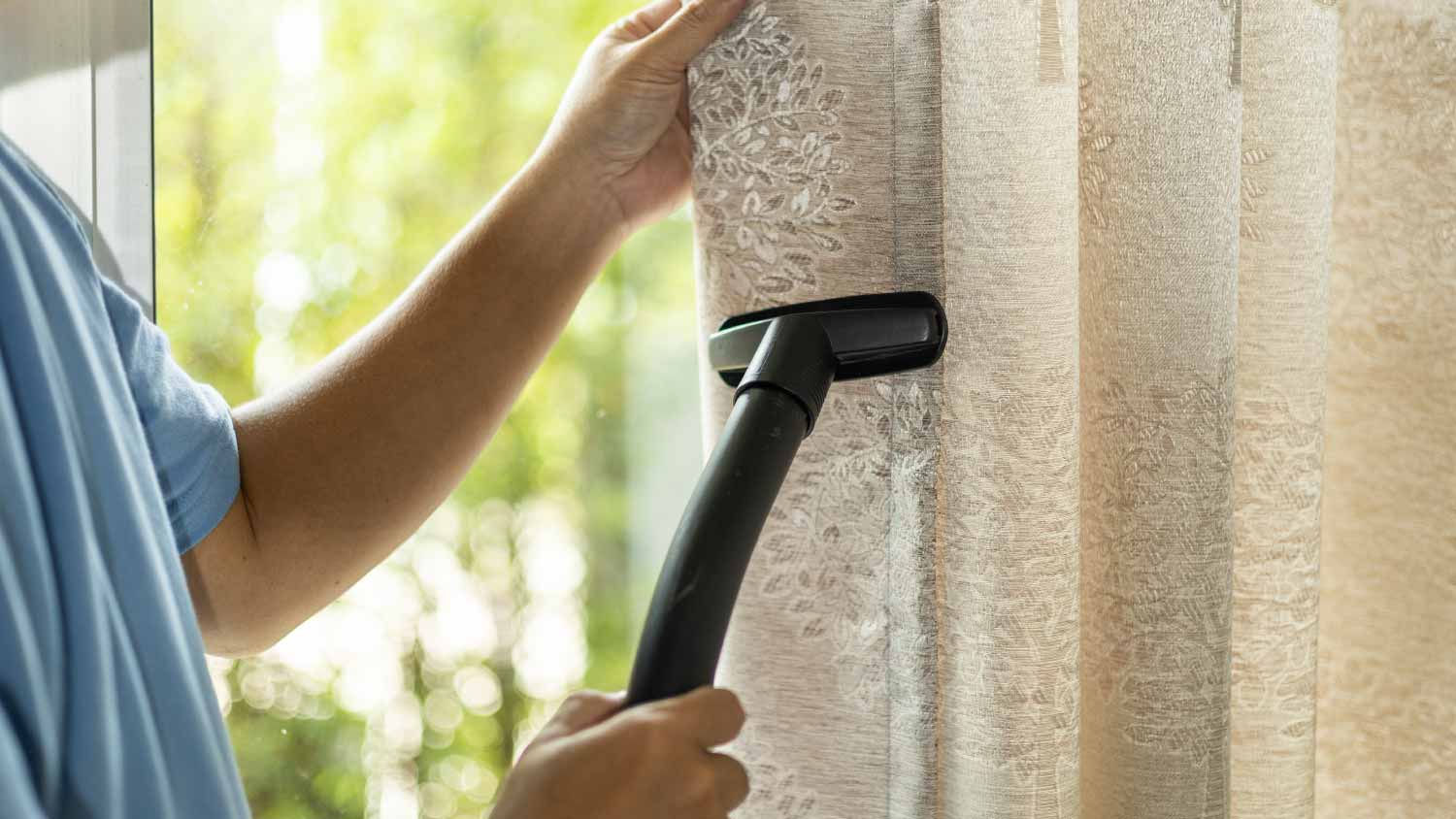
Custom curtains or drapes are an investment, often costing hundreds of dollars. Just like rugs or fabric furniture, cleaning helps maintain its original quality and keeps it lasting for years to come. Skipping regular drapery cleaning can result in discoloration, odors, mold or mildew, and even allergens from dust buildup.
You should avoid putting anything in the dryer that could be damaged from the heat or tumbling motion, or caught in any parts of the dryer. While there are some items that should never be dried (such as spandex, silk, leather, wool, etc.), there are some items you can dry, but only if you put them in a mesh bag first. These are usually delicate items or any items with strings or pieces attached that could be ripped off in a drying cycle.
If you proactively avoid grime buildup and mold growth, you can clean the shower curtains as needed. However, if you forget to take preventive action, a good rule of thumb is to clean fabric curtains about every three months. And you’ll clean plastic liners and curtains every three to four weeks.
Whether window film is better depends on individual preferences and specific needs. In some instances, window film can be much less costly to install. Aesthetics is also a deciding factor. Window film may have a more significant appeal for design minimalists looking for a clean and streamlined look without the heaviness that comes with curtains. On the flip side, they can also appeal to design maximalists looking for creative expression in the form of color, patterns, and texture. Choosing between window film and traditional window coverings depends on factors like desired functionality, aesthetics, and personal preferences.
Yes, using appropriate techniques and solutions for material-specific care.
The Springfield, CO homeowners’ guide to drapery cleaning services
From average costs to expert advice, get all the answers you need to get your job done.
Call in the professionals when your delicate drapes need a deep clean. Let's take a look at drapery cleaning costs and which factors can sway the price tag.
Hiring a house cleaner frees up your schedule and keeps your home spotless. The cost to hire a house cleaner depends on the size of your house, your schedule, and who you hire. Use this guide to understand typical house cleaning prices better.
Oops! Did you find a paint stain on your clothes? Learn some different ways to remove paint from your garments depending on the type of paint that was used.