"Pretty good deal for $100 up front. The 5 included sensors cover my doors/sliders. We were disappointed that the mobile app functionality isn't included with the base monitoring plan after the first month. And my bathroom door sensor only works half the time. They told us that the dog (a little mini-poodle) wouldn't set off the motion sensor but she does - so we don't ever use it which leaves us exposed if someone comes in thru a window. But for basic coverage at $35 a month its not a bad deal. I like that its cellular (no land line needed) and self-installation was easy with their excellent phone app. I may upgrade the system at some point with window sensors, glass break sensor, front door camera."
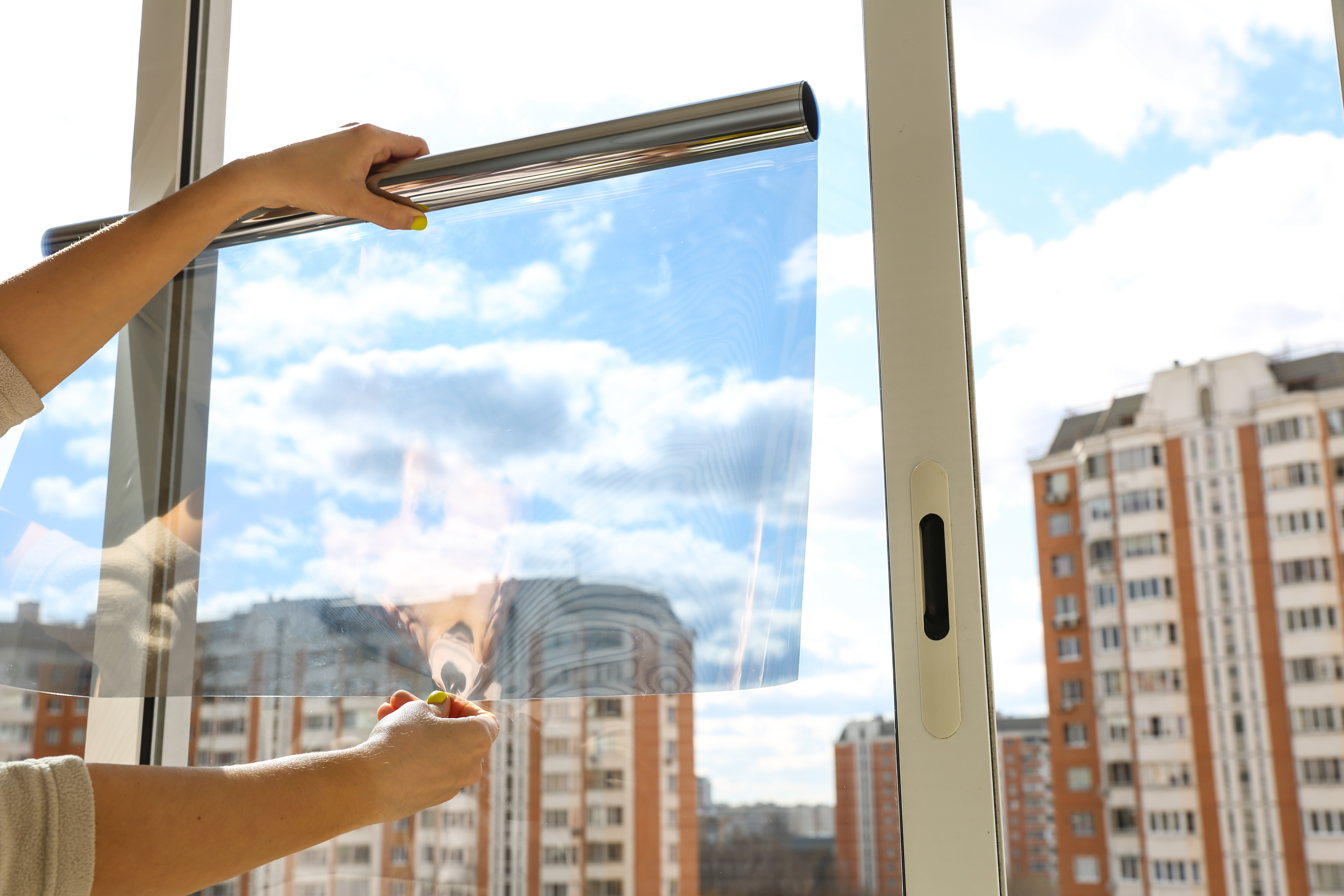
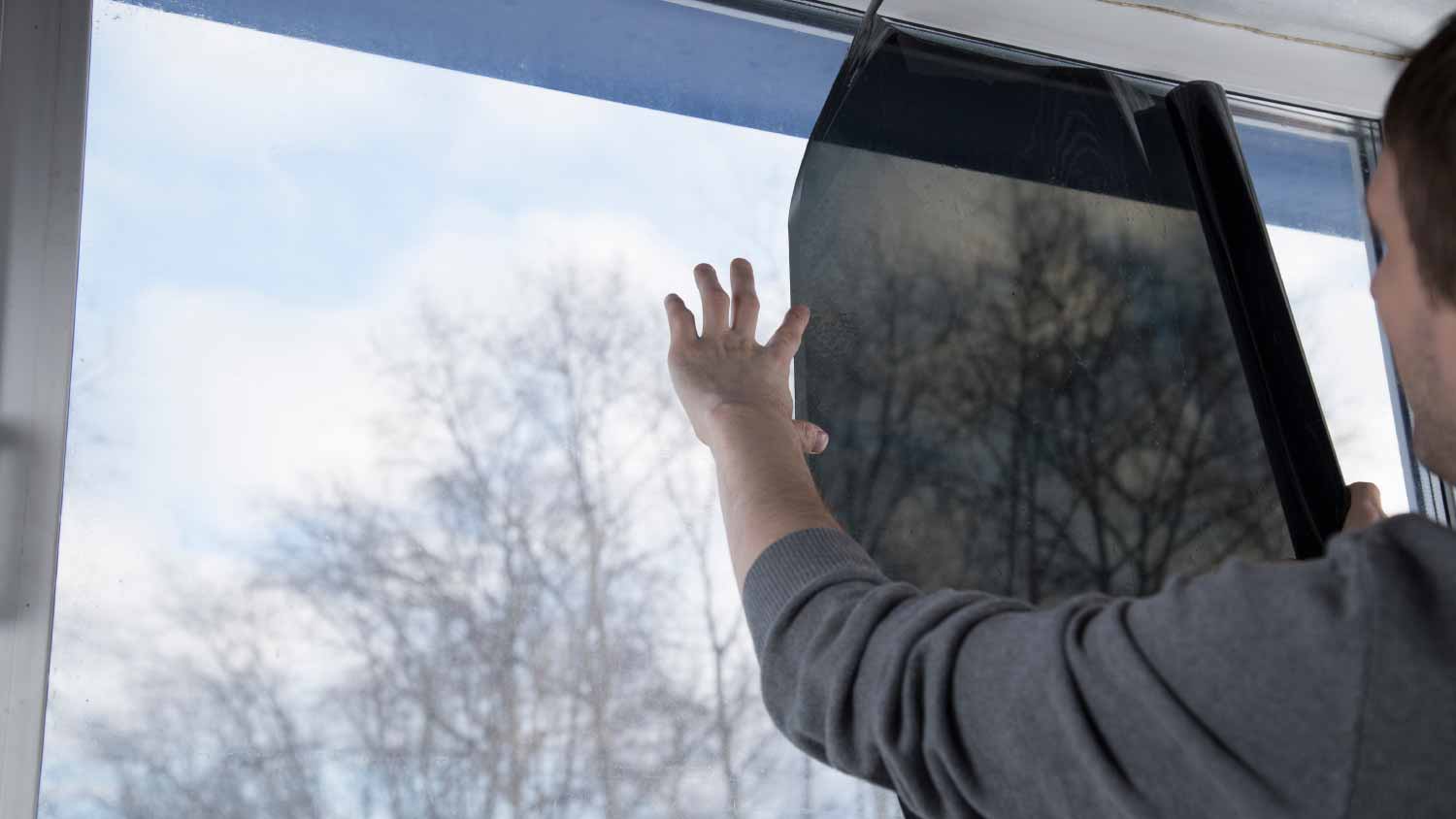
Do not use Windex or any glass cleaner when applying window film. These products contain ammonia, which will damage the film. Instead, use the application solution provided with the installation kit. If there is no solution, make your own using 1 teaspoon of baby shampoo and a gallon of bottled water.
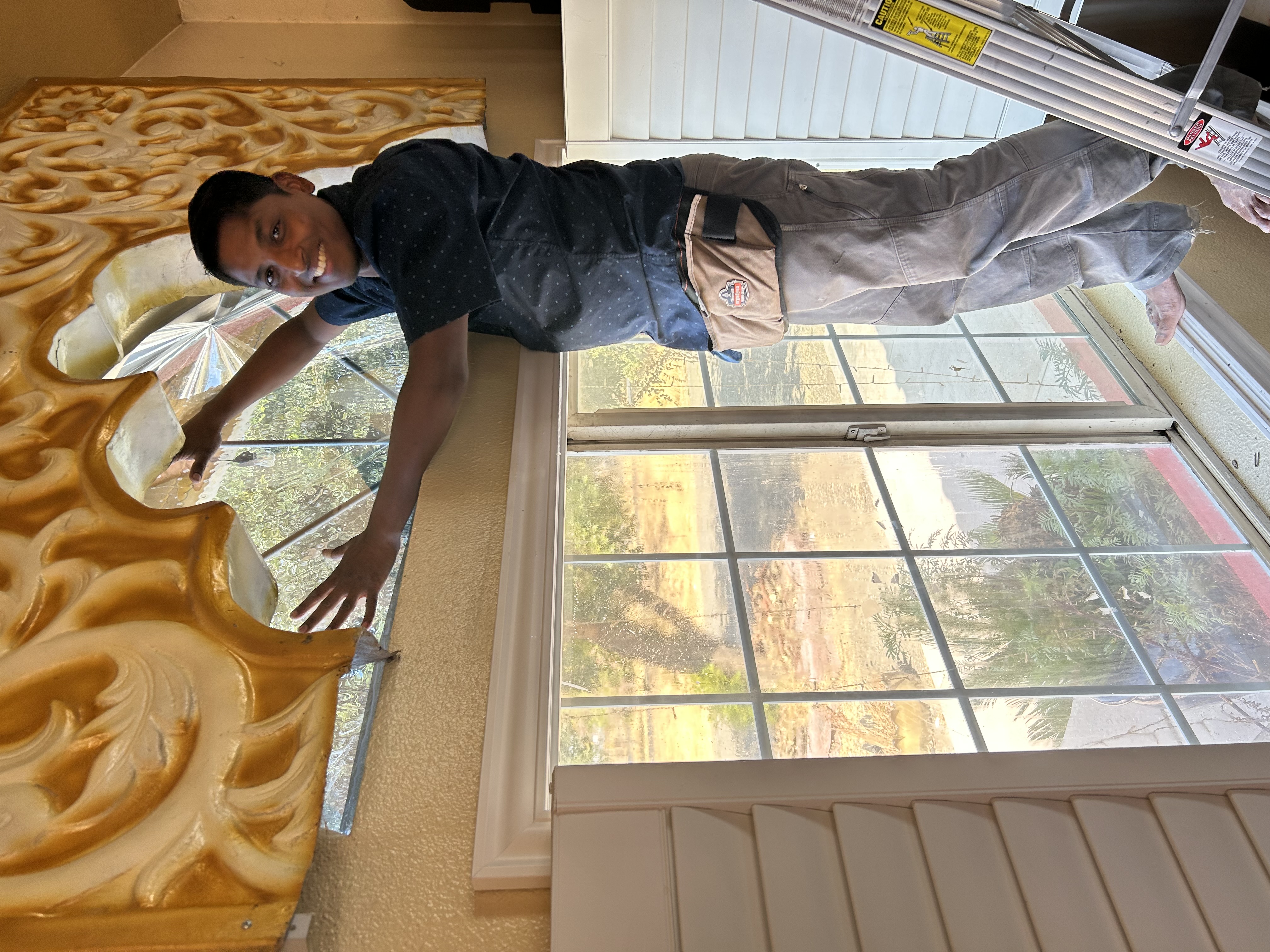
Often, window film won’t stick if the glass is too dirty; dust and debris can prevent the adhesive from working. Make sure to clean the glass thoroughly before installing the window film. Low-quality film, which may have a weaker adhesive, might also be the cause of your window film’s inability to stick.
The most popular treatment for a skylight is skylight shades. There are five primary types: manual, motorized, blackout, cellular//honeycomb, and Venetian. Motorized skylight shades are the most convenient, especially for skylights that are higher up, but manual shades are the most cost-effective treatments. Cellular/honeycomb shades are a perfect option for anyone who wants energy efficiency and an attractive look.
The costs range from $5 to $15 per square foot, depending on the film type, UV protection level, and labor.
One drawback is that window film can reduce the amount of natural light entering a room, particularly if you opt for a darker or more opaque film. Additionally, if not installed properly, window film may develop air bubbles or wrinkles, affecting its appearance. Over time, certain types of window film may also experience discoloration or peeling. Moreover, certain window films can interfere with wireless signals, such as Wi-Fi or cellular reception. Careful consideration of these potential drawbacks is essential when deciding whether window film is the right choice for your home.
The Walker, CA homeowners’ guide to window tinting services
From average costs to expert advice, get all the answers you need to get your job done.
Can I tint my house windows? Home window tinting is a small upgrade that can yield major benefits. Here’s everything you need to know before taking the plunge.