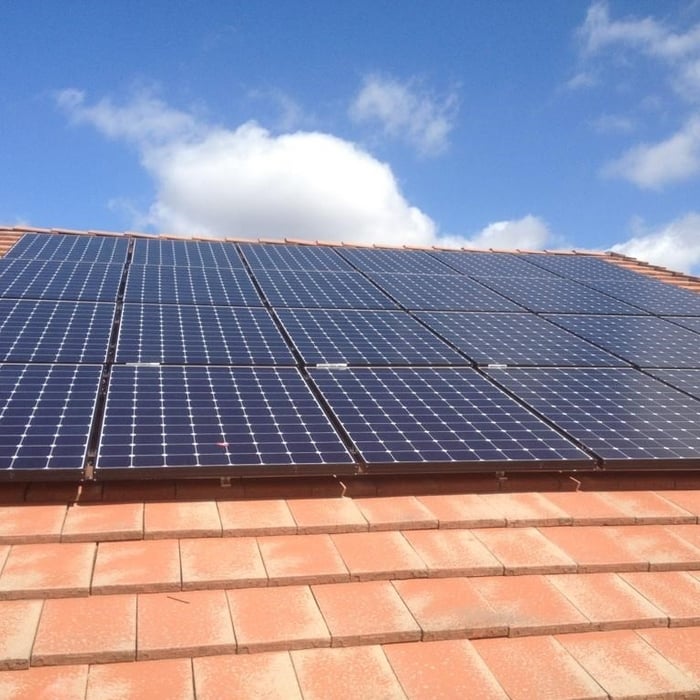
"I had 5 vendors bid the job and they were the lowest cost, I did not feel I was being pressured to buy anything I did not want. They developed the plans and worked with the City to get the permit. Contacted me well ahead of time to setup an install date. They were there right on time, worked the whole time completing the project on time with no problem.
Did all the foot work with PG&E to get the meter turned on. and once everything was completed walked me through the monitoring program and provided a simulated PG*E bill and explained what the billing would look like. They provided the stamped plans, permit card and all the warranties that support the equipment install.
"My air conditioner was not working so I contacted my home warranty service and they sent a local company representative to checkout the problem. It was a capacitor - the technician installed the part and it has been working ever since."
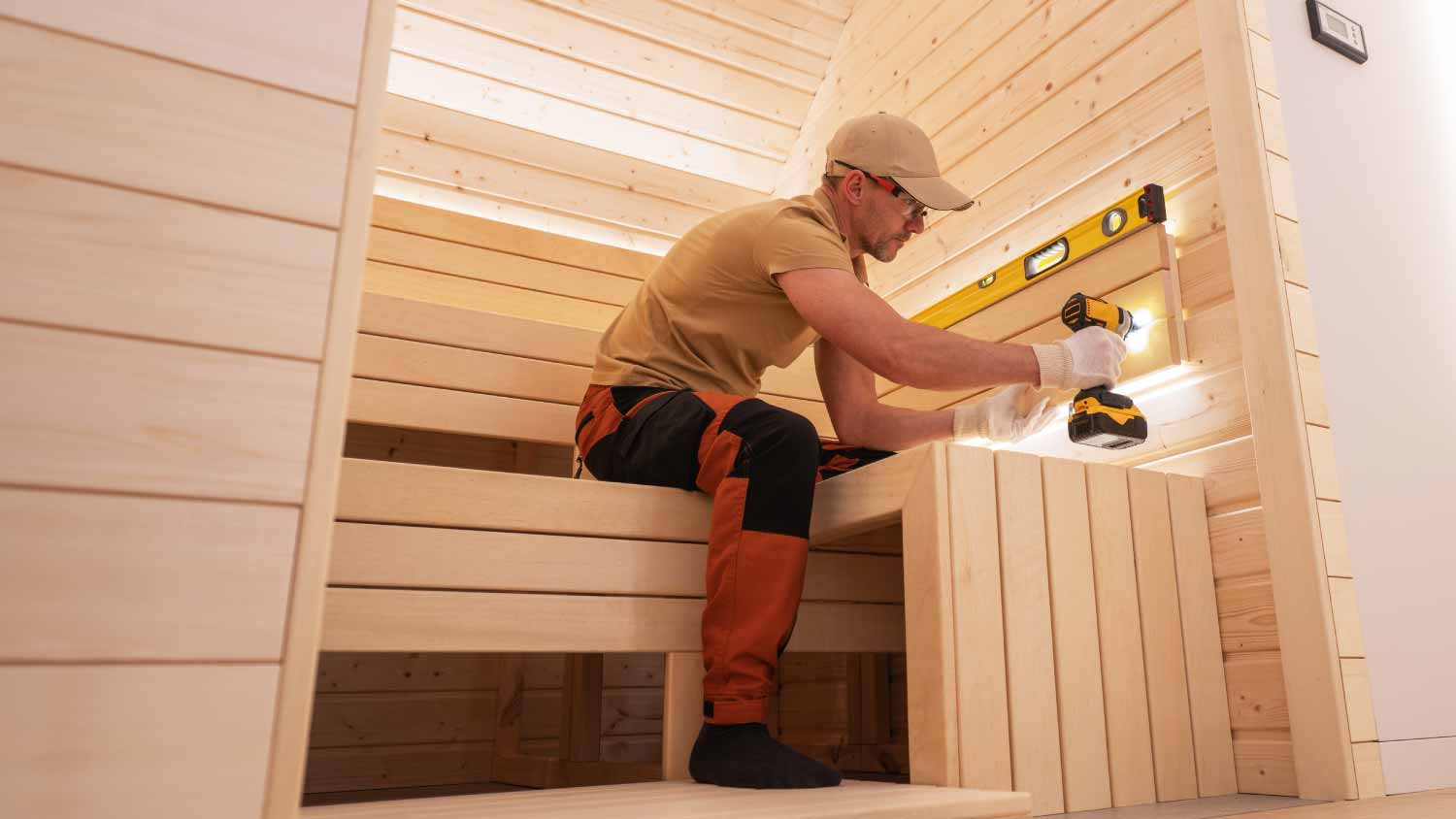
Considering the cost of tools, parts, and hiring assisted labor, building your own sauna can cost almost as much as purchasing one. It is less expensive to buy sauna kits, since they are premade and easier to set up. Still, you may need to hire a professional to assist in electric or plumbing installation.
It will take several hours or more to build a sauna. A prefab kit will take anywhere from three to 20 hours to install, depending on complexity and your skill level. If you’re doing a custom build, it can take more than 50 hours—especially if you need to add ventilation, ductwork, and other renovations.
Both saunas and steam rooms offer some health benefits as well as a good return on investment. While there’s more research on saunas than steam rooms and fewer reported risks with steam rooms, the latter tend to be better for reducing stress. Which one is better depends on the benefits you’re looking for, your budget, and if you have space to build a sauna.
A home sauna may be considered a luxury item by some homebuyers, which can provide a good return on investment. However, whether it increases your home's value ultimately depends on the buyer, as some may not want to take on the extra costs and maintenance associated with heating and upkeep.
No, you should only choose high-quality wood to build your sauna. Not all types of woods can withstand the pressure from heat or moisture. Only use softwoods, such as cedar and aspen, that are known for absorbing heat and resisting water.
The Walker, CA homeowners’ guide to sauna installation services
From average costs to expert advice, get all the answers you need to get your job done.
Home sauna costs aren’t cut and dry. It depends on the model and your space. If you want to install a sauna, this guide will help you plan your budget.
Find out what impacts sauna repair cost, get estimates, and learn how to save on repairs. Empower your budget with expert tips for every sauna repair scenario.
If you’re wondering who to call to install a sauna, we’ve got you covered. This guide weighs the pros and cons of hiring a sauna installer versus an electrician.