





Top-rated welders.

Get matched with top welders in Monterey, CA

Enter your zip and get matched with up to 5 pros

Need a pro for your welding project in Monterey, CA?

Select your specific project to find the pro for you.

Find Welders in Monterey

Avatar for Hampton Enterprise LLC
Hampton Enterprise LLC
3.7(
9
)

Serving Monterey, CA and surrounding areas

In business since 1989

Free estimates

Emergency services offered

"I only use James when I need some work done to my house. He responds fast, gets the work done quicker than just about anyone else I've ever used and seems very concerned with leaving his customers happy."
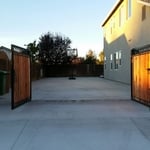
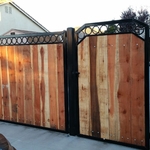
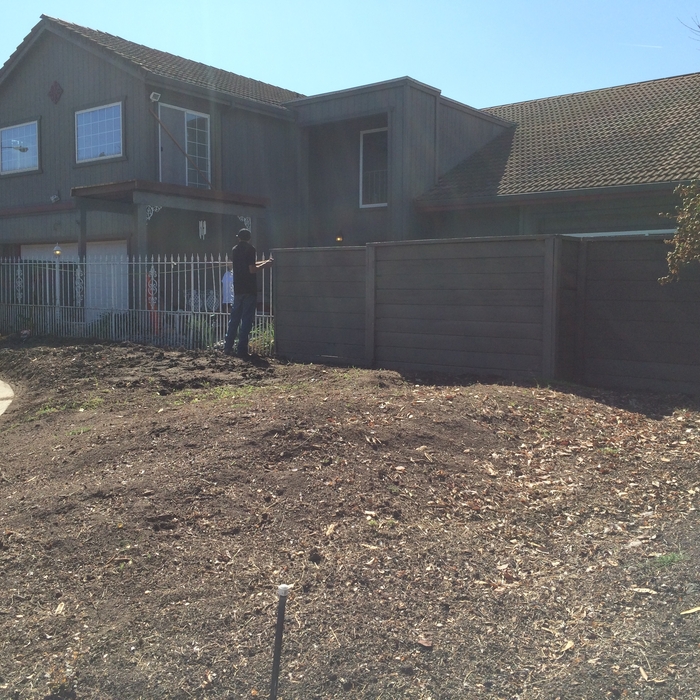
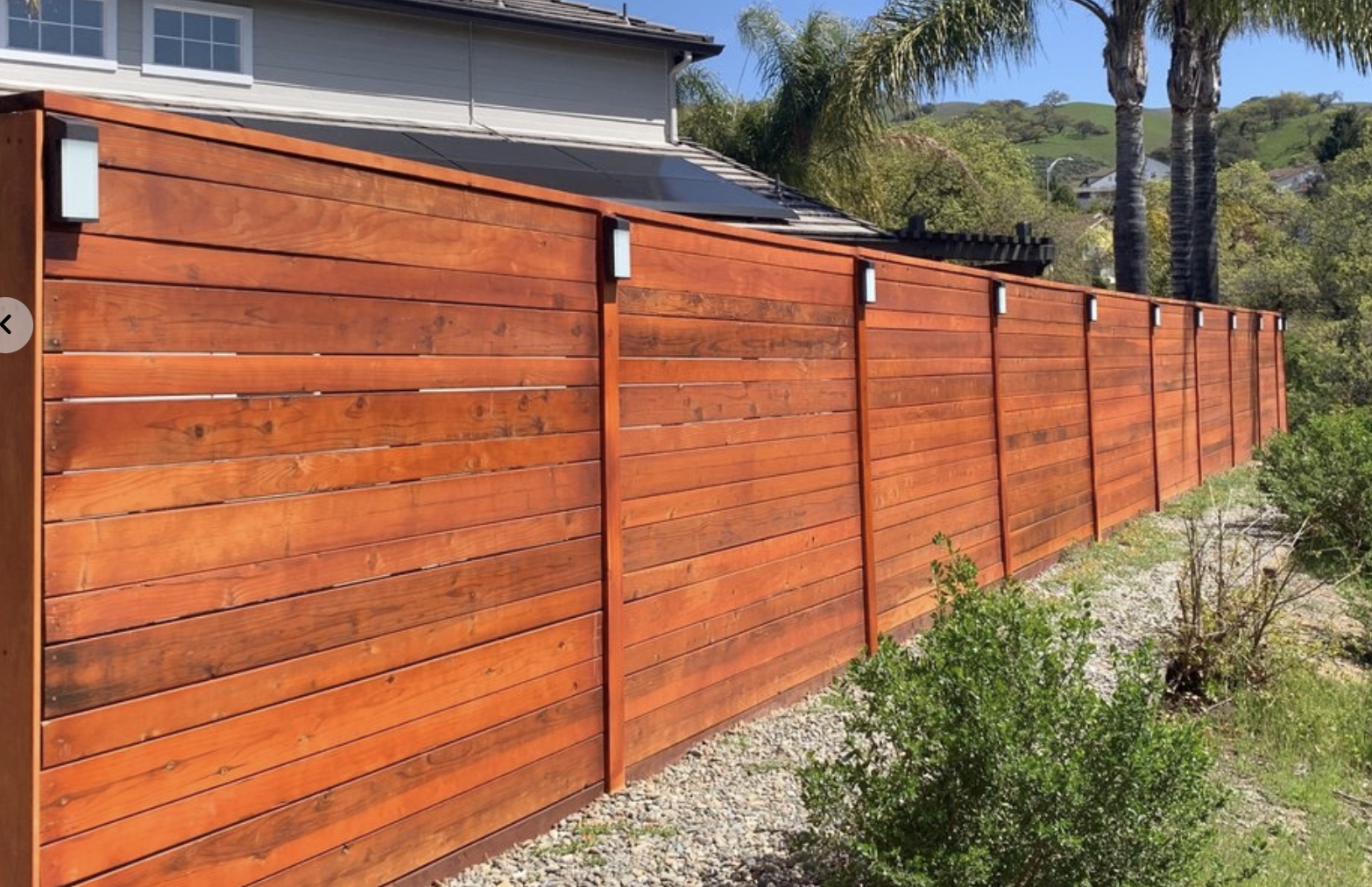
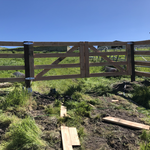
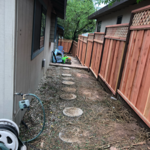
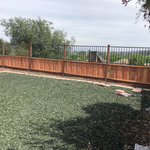
Additional Photos
Additional Photos
Recommended by60%of homeowners
Showing 1-10 of 19
Welding questions, answered by experts

The best thing to cut metal pipe is a durable pipe cutter that is made for metal. You may want to measure the diameter of the pipes before purchasing a pipe cutter to ensure it will be able to cut your metal pipes. Opt for a heavy-duty option to cut through metal like steel or cast iron.

Yes, you can cut up a box spring., but you’ll need to do so in layers. You can clear the fabric and fluff away to reveal the springs before removing them as well.

Welders use a variety of methods in their trade. Different types of welding are better suited for different purposes and contexts. For example, stick welding is a versatile form suitable for most metals and alloys. The most common types of welding include:

  • Stick welding: $100–$1,000

  • Metal Inert Gas (MIG) welding: $250 and up

  • Tungsten Inert Gas (TIG) welding: $250 and up

  • Gas welding: $150 and up

  • Forge welding: $15–$25 per hour

Yes, you can use a saw to cut metal pipes. The best saw to use is a reciprocating saw, but even a fine-tooth hacksaw can get the job done. No matter which saw you use to cut metal pipes, wear protective gear, like work gloves, safety goggles, and ear plugs. Apply a firm, steady pressure to the tool, and always ensure the pipes are secured so they don't move while you make the cuts.

Cutting rectangular ductwork requires careful measurements and the right technique. Use a measuring tape and pencil to mark the cutting lines accurately. Tin snips are excellent for straight cuts on smaller ducts. For more extensive or thicker rectangular ducts, a reciprocating saw with a metal-cutting blade is effective. 

Ensure the duct is well-supported and secure while cutting to prevent wobbling and maintain precision. After cutting, use a metal file to smooth any sharp edges, ensuring safety during installation. 

The Monterey, CA homeowners’ guide to welding services

From average costs to expert advice, get all the answers you need to get your job done.