





Top-rated drapery cleaners.

Get matched with top drapery cleaners in Hayfork, CA

Enter your zip and get matched with up to 5 pros

Need a pro for your drapery cleaning project in Hayfork, CA?

Select your specific project to find the pro for you.

Find Drapery cleaners in Hayfork

Ingerson's Professional Cleaning
New to Angi
Drapes or Curtains - Clean

Serving Hayfork, CA and surrounding areas

In business since 2017

We are a locally owned and operated company that values honesty and integrity and treats your home as if it were our own. We offer a variety of quality cleaning and janitorial services. You will find us to be competitively priced with close attention to the details of each and every project that we are involved with. We look forward to building lasting relationships and guarantee your satisfaction!\n

Delks True Custom Wood Work-Unlicensed Contractor
New to Angi
Drapes or Curtains - CleanDrapes or Curtains - Clean - For Business

Serving Hayfork, CA and surrounding areas

In business since 2000

Free estimates

Small jobs welcome

We pride our company on reliability, great communication, integrity, and quality work. We are experts in our trade and will do our best to keep you as educated as we can on your particular task or project. We look forward to earning your business!

Response time20 mins
Drapery Cleaning questions, answered by experts

Whether window film is better depends on individual preferences and specific needs. In some instances, window film can be much less costly to install. Aesthetics is also a deciding factor. Window film may have a more significant appeal for design minimalists looking for a clean and streamlined look without the heaviness that comes with curtains. On the flip side, they can also appeal to design maximalists looking for creative expression in the form of color, patterns, and texture. Choosing between window film and traditional window coverings depends on factors like desired functionality, aesthetics, and personal preferences.

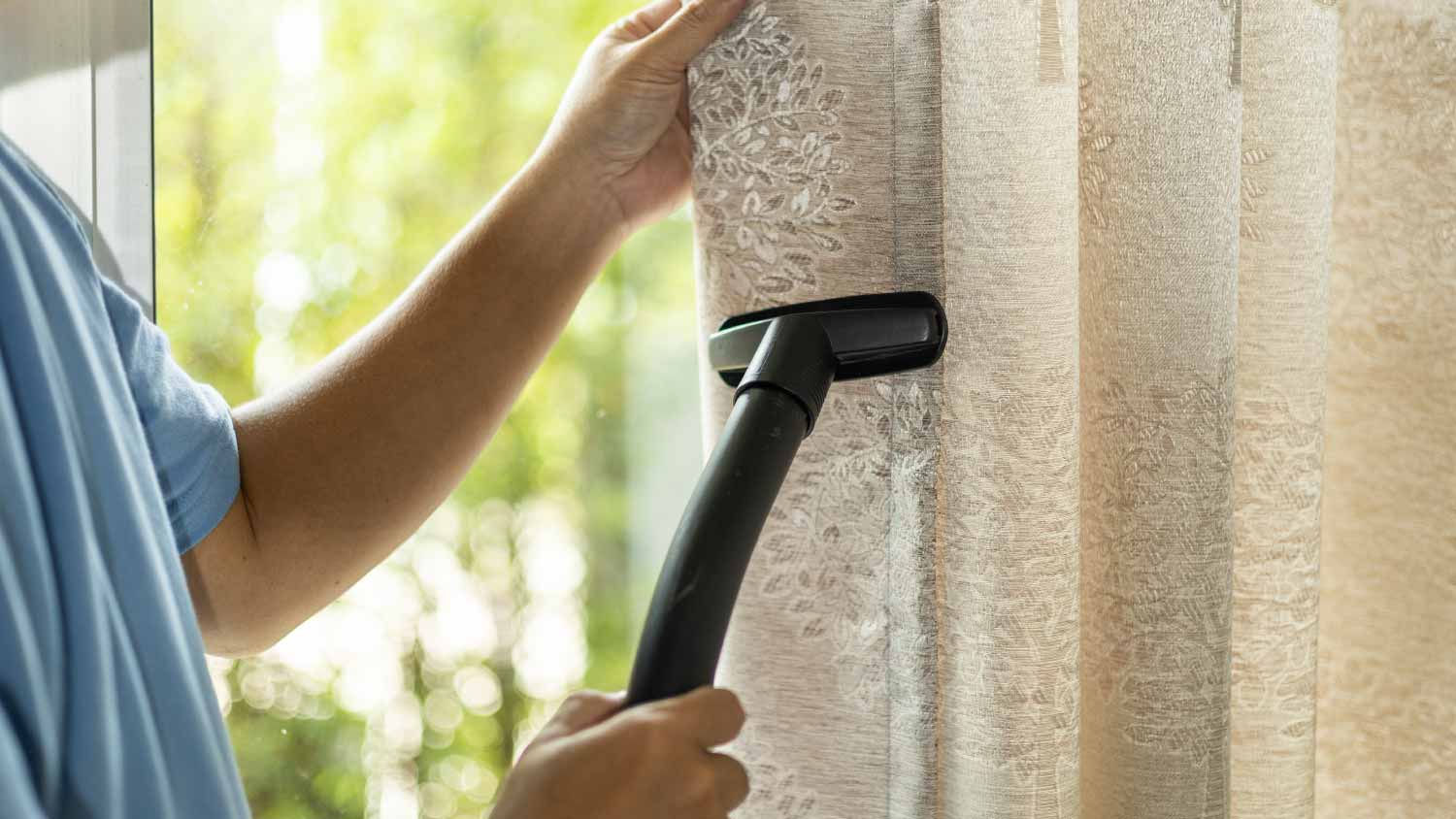
The recommended frequency for professionally cleaning drapes varies. As a general guideline, aim for every four to five years. However, you should consider more frequent cleanings in specific circumstances. For homes with pets, heavy soiling, or residents with severe allergies, cleaning every two to three years—or even two to four times per year—is beneficial. Light-colored drapes may need cleaning every one to two years to maintain their appearance. Some also follow a biannual schedule, cleaning in the spring to remove winter dust and in the fall to remove summer pollen. In between professional services, lightly vacuum your drapes with a special attachment to remove surface debris, but avoid abrasive brushes on delicate fabrics like silk and linen.

There are several ways to store clothes properly and keep them smelling good. You can keep clothing in a climate-controlled closet for best results, but if this isn’t in your budget, there are many DIY solutions. From using air freshener sprays to keeping a box of baking soda in the closet, you can eliminate unwanted odors. Always store clean, dry clothes in the closet to minimize odors.

The best way to clean drapes or curtains depends on the fabric. Always check the care tag for instructions before attempting to wash them.

You can typically clean drapes yourself if they are made of durable materials like cotton, cotton blends, polyester, or burlap, which can often be machine-washed. However, some fabrics can be hand-washed.

For delicate materials such as linen, silk, velvet, lace, sateen, or wool, it is best to hire a professional drapery cleaner. These fabrics are often dry-clean only and can be damaged, shrink, or be destroyed by machine washing or using the wrong cleaning solutions.

If the care tag is missing, the drapes are old, thin, brittle, or have existing damage like pulls or tears, it's safest to have them professionally cleaned. A professional will use the correct methods and solutions for a safe, deep cleaning.

Window treatments fall under the categories of hard, soft, and layered. Hard refers to stiff, formed treatments that include window blinds and shutters. Soft refers to cloth window treatments that include drapes and curtains. Finally, layered refers to the combination of soft and hard treatments. For example, you might place flowing drapes over blinds to combine the practicality of a treatment that blocks the sun with the whimsical and elongating aesthetic of a full-window drape.

The Hayfork, CA homeowners’ guide to drapery cleaning services

From average costs to expert advice, get all the answers you need to get your job done.