



Castaneda Grading & Excavating
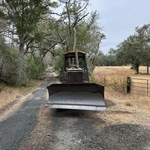
Landscape - Minor Grading or ReslopingBuilding Site - Preparation and ClearingExcavation - Major Grading or Resloping+2 more
Serving Greenbrae, CA and surrounding areas
Approved
In business since 2020
Free estimates
Credit card accepted
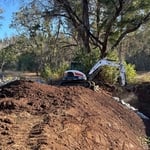
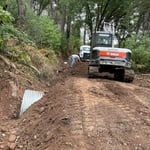
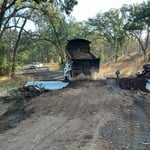
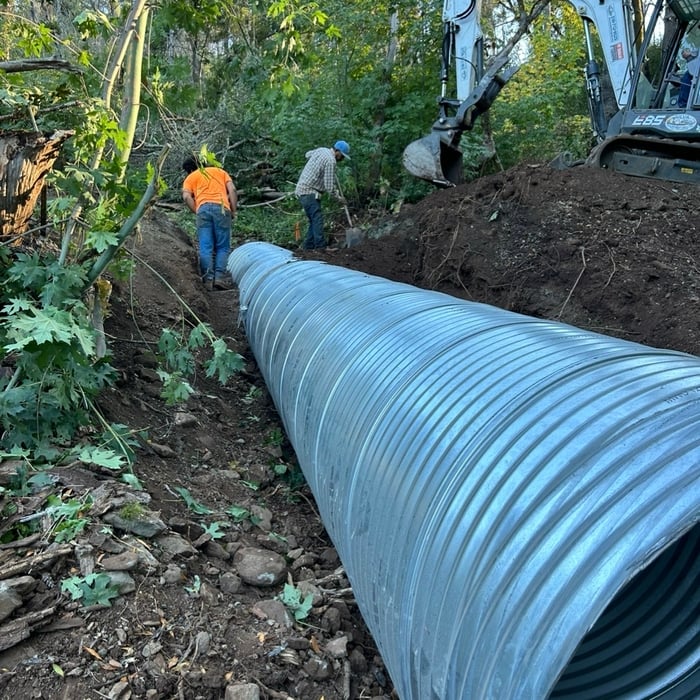
"Humberto is a very creative problem solver! Personable and definitely interested in customer satisfaction, so spends time understanding the full scope of the problem. The problem was the subterranean north wall of the sanctuary of First Presbyterian Church in Vallejo that was far from being waterproof, especially with the rains last winter. Castaneda dug out the soil next to the wall, pressure washed it and applied two coats of DryLok and then a layer of Henryâ s waterproofing. Then Humberto installed a French drain and then a big pipe to route the water off of five downspouts. To get the correct drainage slope, more excavating needed to be done than anticipated. Removed five landscaped trees and lots of concrete that was in the way of the drains which were to be routed under city sidewalks."
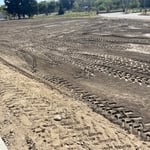
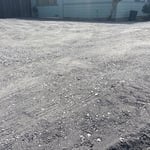
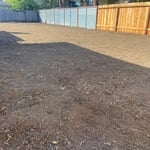
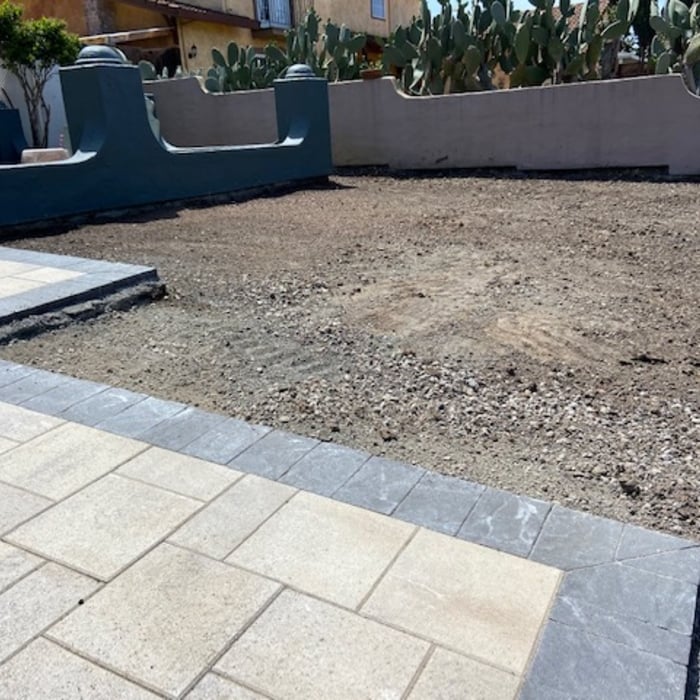
+77
Response time1 day
Response rate96%
23 neighbors recently requested a quote