

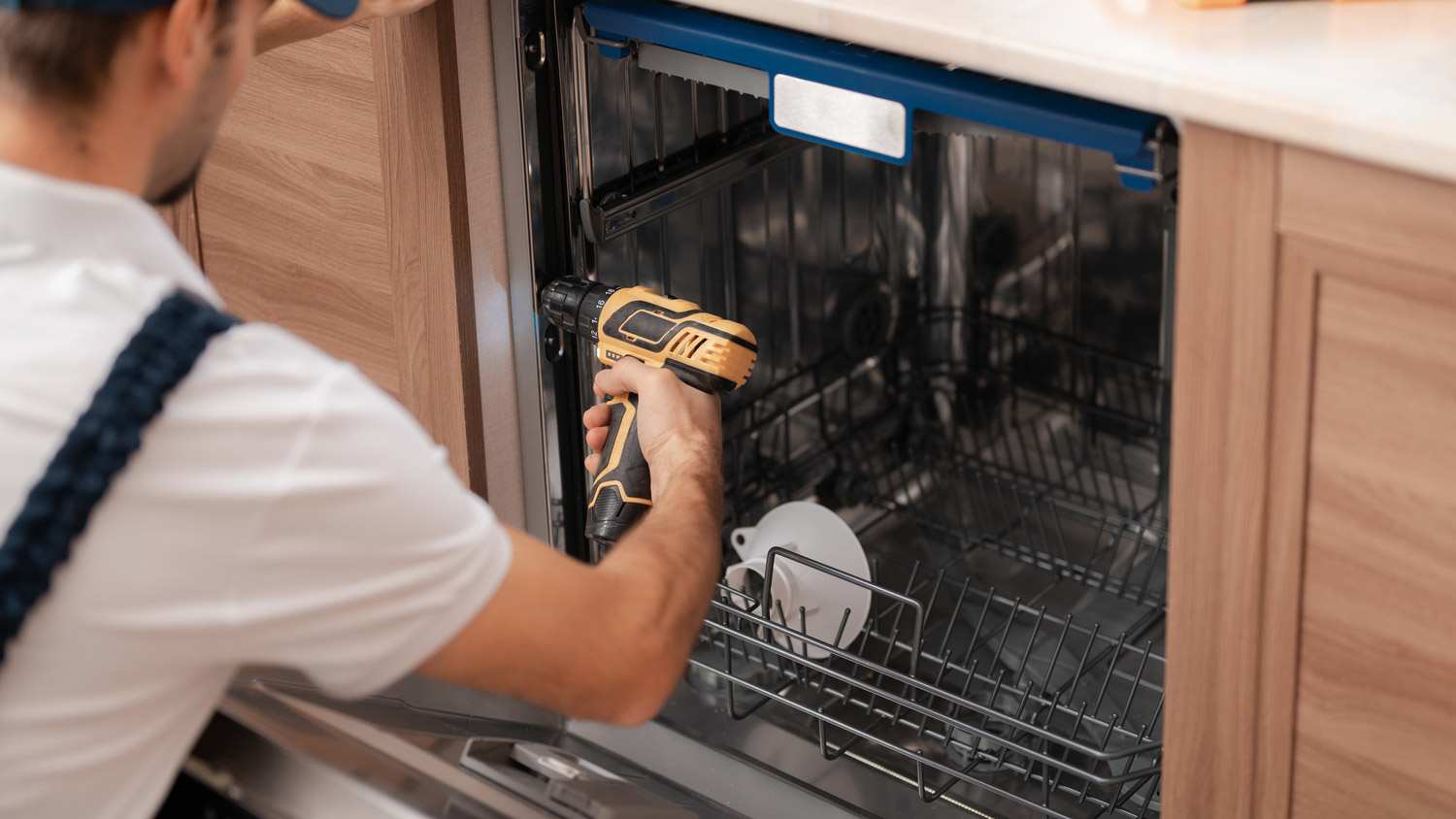
Top-rated dishwasher installation pros.

Get matched with top dishwasher installation pros in Goleta, CA

Enter your zip and get matched with up to 5 pros

Need a pro for your dishwasher installation project in Goleta, CA?

Select your specific project to find the pro for you.

TRUSTED BY GOLETA, CA HOMEOWNERS

  • Average homeowner rating star icon4.3
    Average homeowner rating
  • Verified reviews icon58
    Verified dishwasher installation services reviews

Find Dishwasher installation pros in Goleta

No results for Dishwasher installation pro in

Try adjusting your search criteria.
Dishwasher Installation questions, answered by experts

Yes, you can use vinegar to unclog a dishwasher. To do so, combine 4 tablespoons of white vinegar with 4 tablespoons of baking soda and pour the mixture down your dishwasher’s drain. Let it sit for 15 minutes, then pour a cup of hot water down the drain to flush everything out. Finally, run a rinse cycle on your dishwasher to see if the clog is gone.

Not all dishwashers are 60cm wide, but that tends to be the most common size. 60cm translates into roughly 24 inches, with most home dishwashers being between 22 and 24 inches wide. There aren’t metrics available but it’s been our experience that over 90% of household dishwashers in North America are around 24 inches wide by 24 inches tall.

There are some dishwasher care tips to extend its longevity and keep your dishes sparkling. Not overloading your dishwasher is key to letting water and soap move freely through the unit. Too much soap can stress your dishwasher unnecessarily, causing it to break down sooner. 

Cleaning your dishwasher is essential for its performance, so every three to six months, put two cups of white vinegar in a dishwasher-safe cup on the top rack and run a complete cycle. When done, place ¼ cup of baking soda inside and run a short cycle to eliminate any lingering odors.

A clogged air gap can cause a dishwasher not to drain. There are, however, other potential issues that can lead to improper drainage. For example, if you have attached the air gap to a garbage disposal and forgotten to remove the knockout plug, wastewater may backflow into the dishwasher. Check that the air gap is installed properly, and then look for clogs in the air gap and dishwasher filters. 

You should avoid using a pressure washer on any surface or item that could be damaged by the high-pressure spray, as some materials are too delicate to withstand the force.

Key items and surfaces to avoid include:

  • Electrical Components: Never pressure wash electrical systems, as water can cause short-circuits and create a safety hazard. This includes utility meters, breaker boxes, electrical outlets, generators, and HVAC or air conditioner units.

  • Delicate and Fragile Materials: Fragile items can crack, shatter, or be stripped by the pressure. Avoid pressure washing windows, glass, light fixtures, shingled roofs (especially asphalt), and stucco.

  • Painted, Stained, or Sealed Surfaces: Unless your goal is to strip the finish, do not pressure wash painted surfaces, stained wood (like decks), or anything with a protective seal that could be stripped away. Be especially cautious with older surfaces that may contain lead paint.

  • Soft Woods and Certain Decking: Delicate surfaces like softwood, composite decking, and antique or wooden patio furniture can be etched or damaged. If you must wash wood, use a lower-powered pressure washer with a wide-angle nozzle to prevent damage.

  • Living Things: Never use a pressure washer on people, pets, or plants. The force can cause serious injury and will destroy landscaping.

The Goleta, CA homeowners’ guide to dishwasher installation services

From average costs to expert advice, get all the answers you need to get your job done.