Welcome to Tooligans! We are committed to exceeding your expectations. As experts, we will handle your needs with the high quality expertise that your home or business deserves. We offer competitive prices and customer satisfaction is our number one priority. Call us today!
You should avoid using a pressure washer on any surface or item that could be damaged by the high-pressure spray, as some materials are too delicate to withstand the force.
Key items and surfaces to avoid include:
Electrical Components: Never pressure wash electrical systems, as water can cause short-circuits and create a safety hazard. This includes utility meters, breaker boxes, electrical outlets, generators, and HVAC or air conditioner units.
Delicate and Fragile Materials: Fragile items can crack, shatter, or be stripped by the pressure. Avoid pressure washing windows, glass, light fixtures, shingled roofs (especially asphalt), and stucco.
Painted, Stained, or Sealed Surfaces: Unless your goal is to strip the finish, do not pressure wash painted surfaces, stained wood (like decks), or anything with a protective seal that could be stripped away. Be especially cautious with older surfaces that may contain lead paint.
Soft Woods and Certain Decking: Delicate surfaces like softwood, composite decking, and antique or wooden patio furniture can be etched or damaged. If you must wash wood, use a lower-powered pressure washer with a wide-angle nozzle to prevent damage.
Living Things: Never use a pressure washer on people, pets, or plants. The force can cause serious injury and will destroy landscaping.
First, ensure your clothes are clean before you pack them. When packing, make sure they’re folded and stored within the container with enough room to breathe. For extra protection, try using cedar chips or lavender sachets, which naturally repel bugs. Lastly, periodically checking in on your clothes will help you stay aware of their condition.
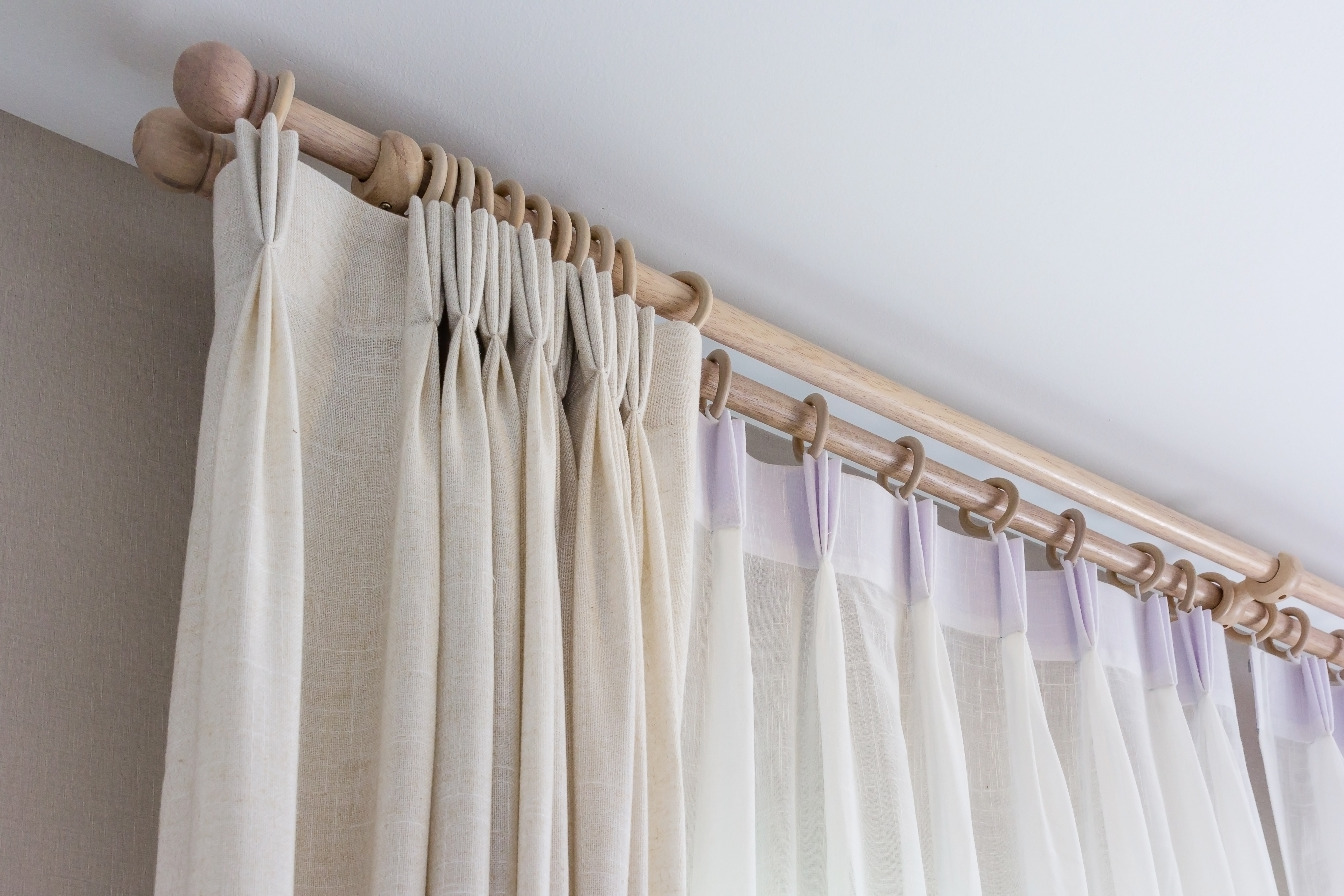
The main categories of window coverings are shades, shutters, curtains, drapes, and blinds. However, consumers today have dozens of options within these categories when it comes to everything from materials to the technology behind how window coverings operate.
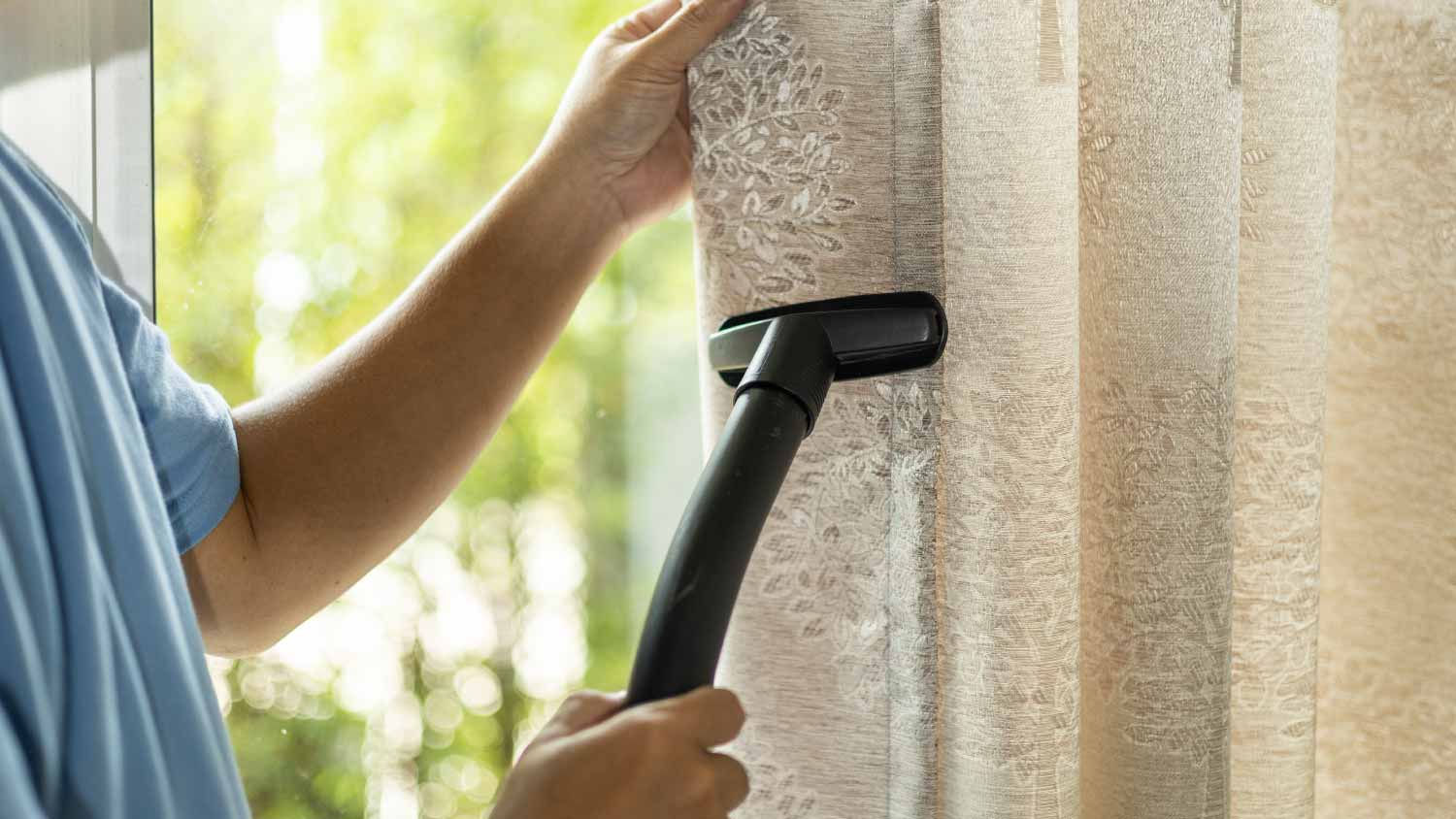
It’s a good idea to wash curtains every six months or so to avoid allergens from building up in them and to get rid of any odors from cooking, exercising, or pets. You might want to wash your curtains as often as every three months if you have multiple pets, someone in your family is highly allergic to dust or pet dander, or you cook often with aromatic spices or oils. You might consider a standalone cleaning if you get stains on your curtains or they are visibly soiled.
You’ve stored your coats away all summer long, but now that the temperatures drop, you notice they smell weird as you pull them from storage. What’s the deal? If your clothes smell weird after you stored them, they may have been in a moist, dark environment for several weeks or months. This environment is ideal for mildew growth, which can make clothes smell musty.
The Coleville, CA homeowners’ guide to drapery cleaning services
From average costs to expert advice, get all the answers you need to get your job done.
Call in the professionals when your delicate drapes need a deep clean. Let's take a look at drapery cleaning costs and which factors can sway the price tag.
Cleaning window treatments can make a world of difference in how bright and clean your room looks. Use this guide on how to clean curtains to make a big impact.
Trying to decide whether curtains or blinds are best for your space? This article compares seven key features and gives you our choice for what’s best. While the ultimate decision is yours to make, we shed light on the pros and cons.