






Top-rated lead testing and removal specialists.

Get matched with top lead testing and removal specialists in Angels Camp, CA

Enter your zip and get matched with up to 5 pros

Need a pro for your lead testing and removal project in Angels Camp, CA?

Select your specific project to find the pro for you.

Find Lead testing and removal specialists in Angels Camp

Avatar for Environmental Science Services
Environmental Science Services
4.5(
42
)

Serving Angels Camp, CA and surrounding areas

Approved

In business since 1992

Free estimates

Emergency services offered

"Shane was my first contact (via phone) and was very knowledgeable and went above & beyond to answer all my questions. I tend to have pretty good discernment, and I immediately sensed I was dealing with an honest, straightforward company. Shane offered me an appointment 2 days later that s fast! Awesome when you re concerned about mold! Ray came to our house (a several hour drive to the Redding area!), and was prompt & called ahead to be courteous. Total genuine and nice guy (especially bc he s a dog lover ;) He wasn t rushed at all, answered all our questions (we had a lot), and actually said he likes & welcomes questions! After we received our report & invoice, I THOUGHT I was messaging my husband, lol, but I texted Shane: Thumbs up! They did thorough testing, & the price was still what was initially quoted! I highly recommend these guys!!"
interior
IAQ
Clandestine Laboratory Investigation
Wipe Testing for Asbestos
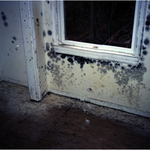
Water Intrusion Mold Testing

+3

Response time8 hrs
7 neighbors recently requested a quote
Recommended by97%of homeowners
Avatar for SafeTerraSolutions
SafeTerraSolutions
New to Angi

Serving Angels Camp, CA and surrounding areas

Free estimates

Small jobs welcome

Credit card accepted

Here at SafeTerraSolutions we have trained Environmental Scientists and skilled Home Inspectors that will identify any problems within your home. From Air quality to a leaky pipe, we are your one stop shop for total home inspections.

Ducting out of Code
Foundation pillar
Foundation Crack
Lead Testing and Removal questions, answered by experts

Lead removal is crucial in older homes to eliminate risks of lead poisoning, which can severely affect health, particularly in children, by impacting development and cognitive functions.

Hiring a professional for mold and toxic material testing ensures precise identification of harmful substances within a home. Professionals utilize specialized equipment and techniques, providing accurate results that inform proper removal strategies, safeguarding occupant health.

While not all homes built before 1978 contain lead paint, enough do, so you’ll still want to test to be on the safe side. The federal government banned lead-based paint for homes in 1978, but your state may have banned lead before that time. Around 24% of homes built between 1960 and 1977 contained lead-based paint, while 87% of homes built before 1940 contained lead-based paint.

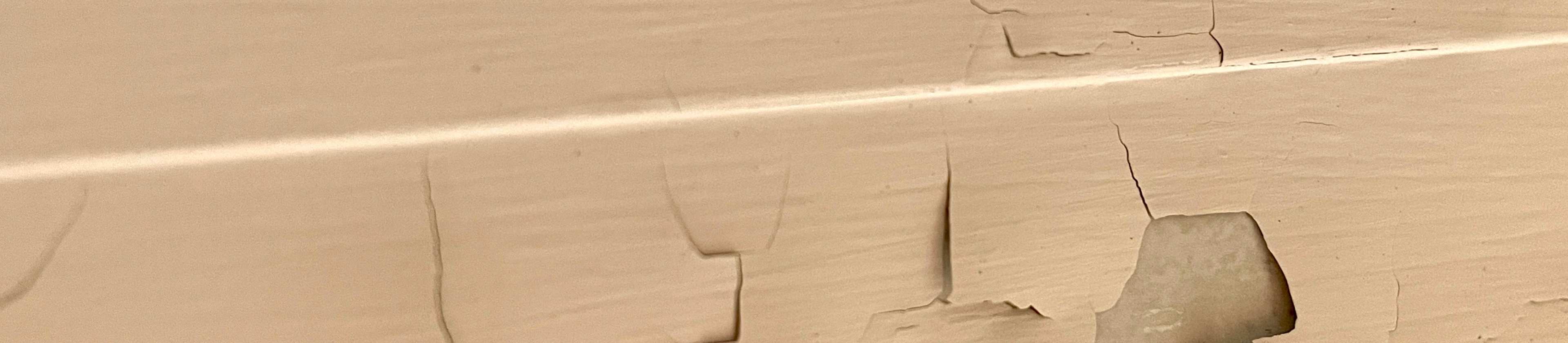
A lead paint inspection is a thorough examination and assessment of a building or structure to determine the presence of lead-based paint. Lead-based paint was commonly used in buildings before 1978 when its health hazards were fully understood. Lead is toxic and can pose health risks, particularly to young children and pregnant women. Getting a lead paint inspection means finding a lead paint inspector to examine the surfaces of the building—such as walls, ceilings, doors, windows, and other painted areas—and identify the presence of lead-based paint.

According to the Environmental Protection Agency (EPA), hazardous waste is generally classified into four main categories:

1. Characteristic Wastes: These exhibit at least one of four hazardous traits: ignitability (flammable, like gasoline), corrosivity (can rust or decompose materials, like car batteries), reactivity (unstable and can explode, like aerosol cans), or toxicity (harmful when ingested, like lead-based paint).

2. Listed Wastes: These are specific wastes from manufacturing and industrial processes that the EPA has officially designated as hazardous. They include byproducts from processes that use solvents, pesticides, and other chemicals.

3. Universal Wastes: These are commonly generated hazardous items that are subject to streamlined regulations. Examples include batteries, pesticides, mercury-containing equipment (e.g., bulbs), and some lamps.

4. Mixed Wastes: This category includes waste that contains both hazardous and radioactive components, making it subject to regulation by both the EPA and the Nuclear Regulatory Commission.

The Angels Camp, CA homeowners’ guide to lead testing and removal services

From average costs to expert advice, get all the answers you need to get your job done.