




Top-rated arborists.

Get matched with top arborists in Pearce, AZ

Enter your zip and get matched with up to 5 pros

Need a pro for your arboricultural service project in Pearce, AZ?

Select your specific project to find the pro for you.

Find Arborists in Pearce

Fix-by-fred
New to Angi

Serving Pearce, AZ and surrounding areas

In business since 2020

Offers commercial services

We are committed to excellence in every aspect of our business. We uphold a standard of integrity bound by fairness, honesty, and personal responsibility. Our distinction is the quality of service we bring to our customers. Accurate knowledge of our trade combined with ability is what makes us true professionals. Above all, we are watchful of our customer's interests and make their concerns the basis of our business.

G&H
New to Angi

Serving Pearce, AZ and surrounding areas

In business since 2023

\nWe take great pride in our experience, expertise, quality and customer service that we provide to meet every consumer's needs.\nIt is our mission to provide excellent customer service from start to completion of a project.\nTo understand the needs and expectations of our customers, we take great care to work and communicate with every customer in a personal and professional manner.\nOur reputation is based on service, safety and quality, regardless of how large or small the job.\n

Showing 1-10 of 15
Arborists questions, answered by experts

In most ways, palm trees are incredibly low-maintenance. They don’t need a ton of water—which is why they’re so beloved in desert regions—and they basically prune themselves. But they do need an ample supply of sunlight and to be in soil that will allow for proper drainage so that their roots don’t become waterlogged and at risk of developing illnesses.

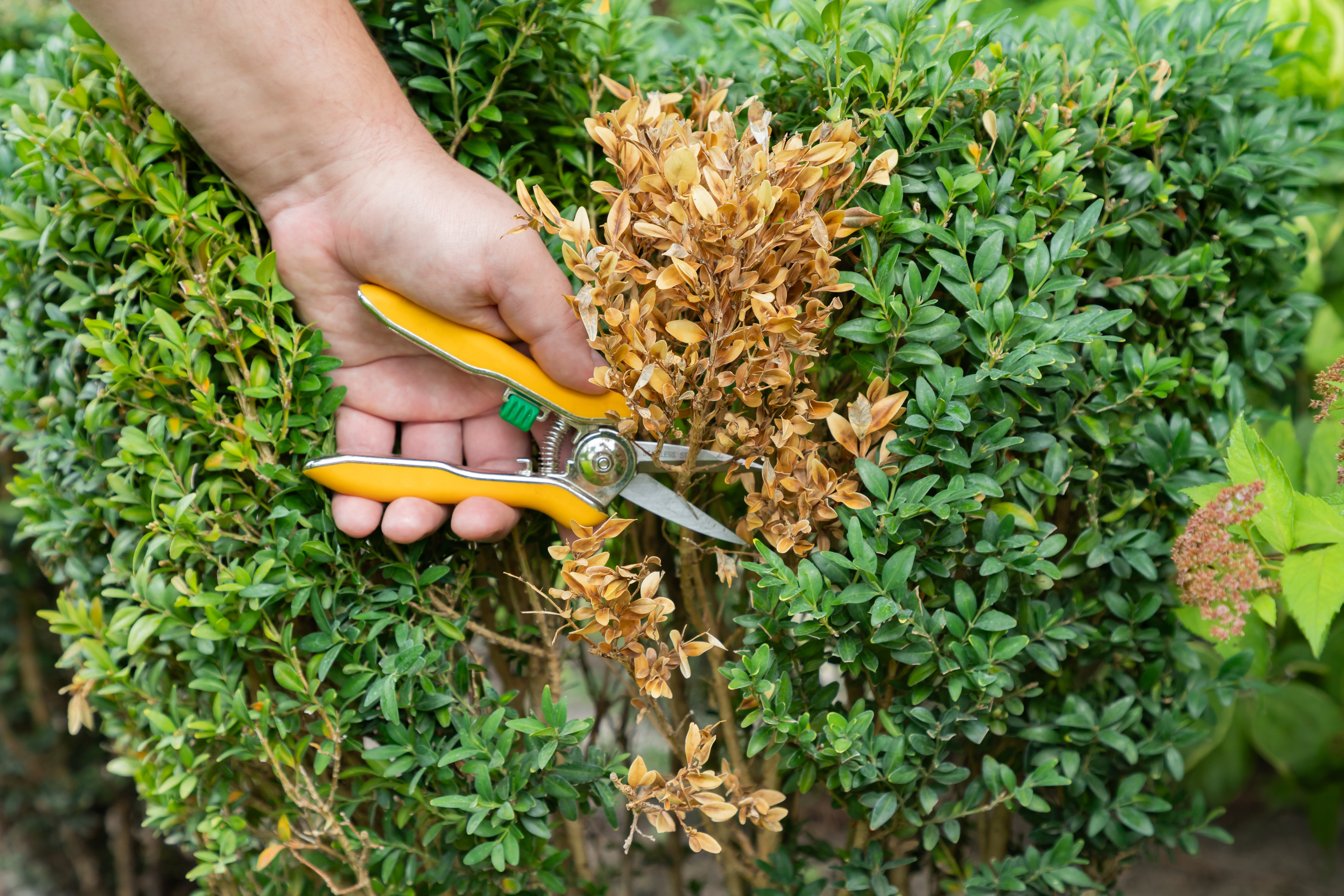
If the plant begins to wilt, develop spots, or change color, these could all be signs that your palm tree has a disease. But a few basic treatments, like pruning and applying fungicide, will usually be more than enough to return it to perfect health.

Yes, cutting a tree's roots can cause it to fall, particularly if major support roots are severed. In extreme cases, trimming roots can affect the tree's structure and stability. Many crucial roots are located just below the soil's surface. If you make severe cuts to roots more than 2 inches in diameter, you risk impacting the tree's water flow and its ability to withstand severe winds or storms. Even cutting roots less than half an inch in diameter under or outside the tree's canopy can cut off its water supply, causing it to decline, die, and eventually topple.

Whether tree roots will continue to grow after a tree has been cut down depends on the species. Some tree roots will eventually die because they can no longer get nutrients through photosynthesis. However, other species that reproduce through root sprouts can continue to grow and produce new sprouts for seven years or more. For example, the roots of elms, ficus, and willows tend to regrow aggressively, while the roots of pines, oaks, and maples will typically die. To determine if a root system is still active, look for new sprouts on the old trunk, stump, or any exposed roots.

It’s possible to transplant trees as tall as 50 feet when an experienced tree planting service uses the right equipment. However, a tree with a trunk larger than two or three inches in diameter needs to be handled by a professional in order to yield successful transplanting results. Consulting a tree planting professional is the best way to tell if your large tree can be safely transplanted.

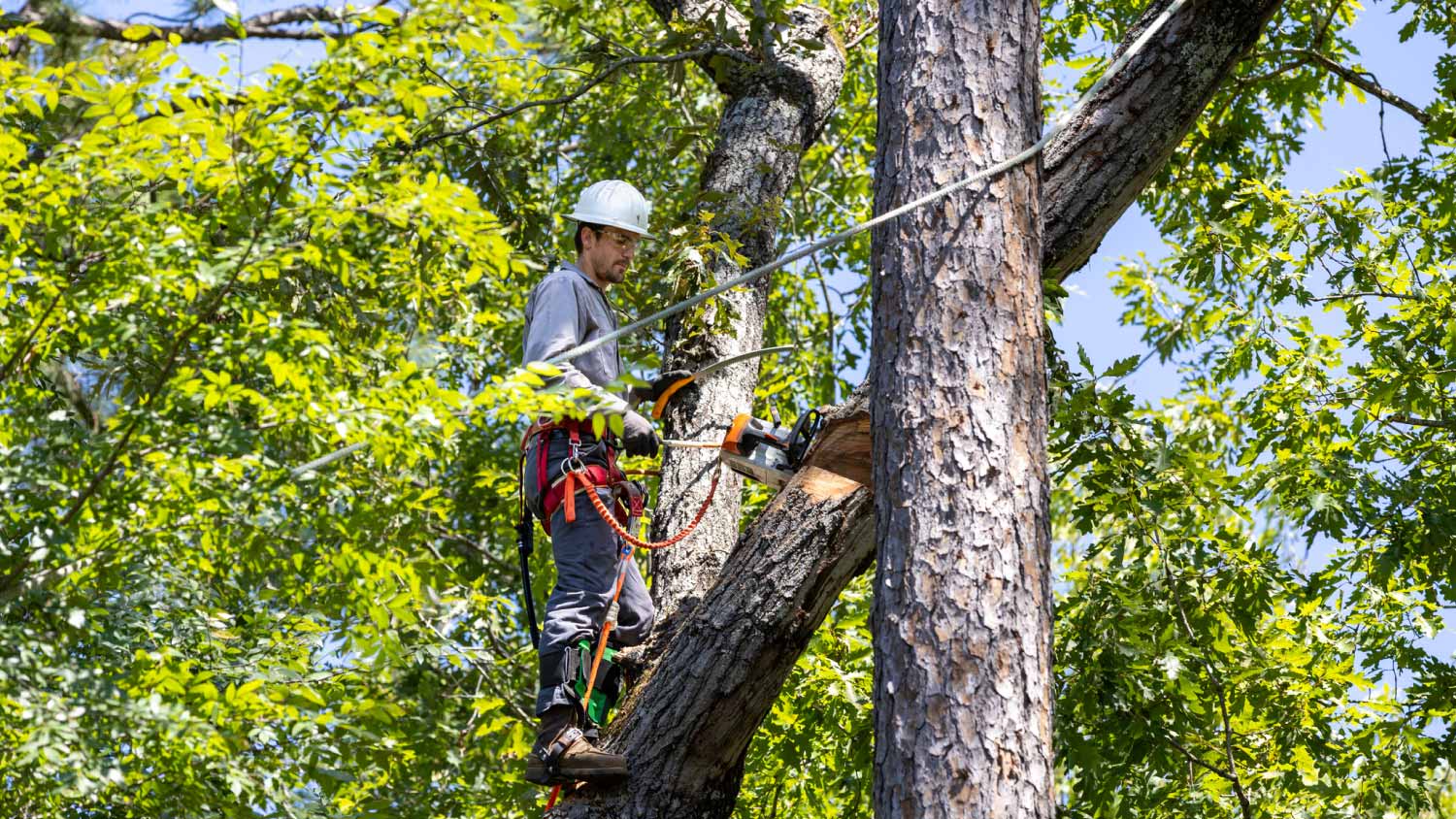
Not every arborist climbs trees, but most will do so if that’s the best method for assessing or treating a tree. Arborists have a variety of tree climbing gear and safety equipment to choose from when climbing trees. Consult your local arborist about their tree-climbing plan if your service requires that type of task.

The Pearce, AZ homeowners’ guide to arboricultural services

From average costs to expert advice, get all the answers you need to get your job done.