




Top-rated window tinters.

Get matched with top window tinters in Parks, AZ

Enter your zip and get matched with up to 5 pros

Need a pro for your window tinting project in Parks, AZ?

Select your specific project to find the pro for you.

Find Window tinters in Parks

Avatar for Frontpoint
Frontpoint
4.7(
8,819
)

Serving Parks, AZ and surrounding areas

In business since 2007

Free estimates

Emergency services offered

"Sales process was good, courteous and helpful. Installation instructions were easy to follow. Did have a small issue with one sensor which was easily solved with a call. Control panel is easy to use and well constructed. Phone app is the best part. Not a big fan of a 2 year contract and the monthly rate feels a little high, but definitely a decent system. I had emailed them a question pertaining installing on double hung windows and never received a reply, but other than that their phone support prior to that was good."
Recommended by93%of homeowners
Arizona Construction Service LLC
New to Angi

Serving Parks, AZ and surrounding areas

In business since 2015

Free estimates

Offers commercial services

We take great pride in our experience, expertise, quality, and customer service that we provide to meet the consumer's needs. It is our mission to provide excellent workmanship and complete customer satisfaction from start to completion of a project. In order to understand the needs and expectations of our customers, we take great care to work and communicate with every customer in a professional manner. Our reputation is based on service, safety, and quality, regardless of how large or small the job.\n

Window Tinting questions, answered by experts

The average cost for home window tinting is around $600, with most homeowners paying between $150 and $1,600. Costs can also be calculated per square foot, typically ranging from $2 to $100, or per window at around $75 each. For example, tinting one or two windows might cost between $200 and $350, while a larger project of 13 to 15 windows could range from $4,124 to $4,747.

Several factors influence the total project cost, with the number and size of the windows being the most significant. Other key factors include the type, shade, and quality of the tint film, as well as labor costs. Additional treatments, such as low-emissivity (low-E) coatings, can also increase material costs.

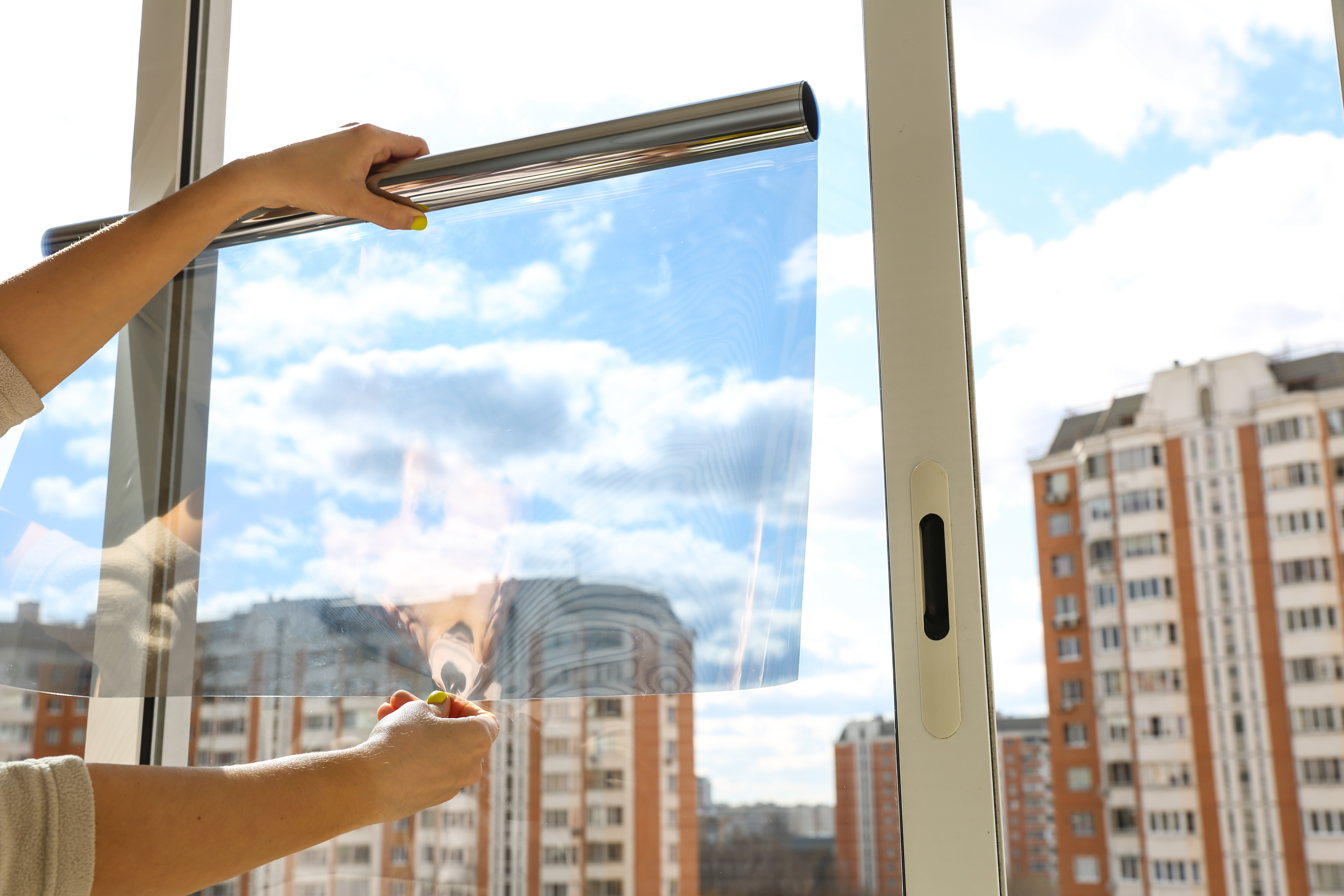
Window tinting offers several benefits, such as making your home more energy-efficient by blocking harsh sunlight, protecting furniture from fading, and increasing privacy. For this reason, many homeowners choose to tint only the windows in specific areas where direct sunlight and privacy are primary concerns.

The most popular tint percentage for home windows is 35%. Generally, most homeowners choose a visible light transmission (VLT) between 50% and 35%, where lower numbers mean less sunlight enters the home. A 35% tint blocks over half the incoming light while still allowing plenty of natural light, which can improve energy efficiency and comfort. If privacy is a primary concern, you can opt for a tint of 50% or lower to make it more difficult for people to see inside. However, keep in mind that very dark, thick tints may offer fewer energy-efficiency benefits.

Unlike cars, there are no laws regulating window tint percentages on homes, so you can choose what you think is best. It is often a good idea to hire a professional, as they can show you samples of how different tint levels will look in your specific property, helping you make the right choice.

While you need heat to peel back window film, the tint will often leave behind adhesive residue. You can use chemicals such as isopropyl alcohol or acetone to remove the residue, though hardware stores sell specialized solutions for this purpose as well. You can also use soapy water in a pinch!

Yes, you can remove window tint from house windows. You can either use heat to loosen the film before peeling or scrape it away with a blade. You’ll also use a solution to wipe away any adhesive that still clings to the window.

The visibility through tinted house windows depends on the lighting. During the day, when it is brighter outside, privacy film prevents people from seeing into your home. However, this effect reverses at night. If you have lights on inside, it becomes brighter indoors than outdoors, allowing people to see inside. To optimize privacy, you can select from various shades of film, ranging from lighter to darker, which affects how much is visible from the outside.

The Parks, AZ homeowners’ guide to window tinting services

From average costs to expert advice, get all the answers you need to get your job done.