




Top-rated aquarium service pros.

Get matched with top aquarium service pros in Summit, AR

Enter your zip and get matched with up to 5 pros

Need a pro for your aquarium service project in Summit, AR?

Select your specific project to find the pro for you.

TRUSTED BY SUMMIT, AR HOMEOWNERS

  • Average homeowner rating star icon4
    Average homeowner rating
  • Verified reviews icon22
    Verified aquarium services reviews

Find Aquarium service pros in Summit

Avatar for Horn's Lawn and Landscaping, LLC
Horn's Lawn and Landscaping, LLC
4.5(
2
)
Water Feature - Install a Pond

Serving Summit, AR and surrounding areas

In business since 2016

Free estimates

Credit card accepted

HORN'S LAWN AND LANDSCAPING LLC takes great pride our experience, expertise, quality, and customer service that we provide to meet the consumer's needs. It is our mission to provide excellent workmanship and complete customer satisfaction from start to completion of a project. In order to understand the needs and expectations of our customers, we take great care to work and communicate with every customer in a professional manner. Our reputation is based on service, safety, and quality, regardless of how large or small the job.

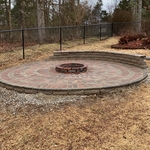
Area of excavation
Finished patio with seating wall and fire ring
Response time2 hrs
Recommended by100%of homeowners

Aquarium Services questions, answered by experts

A septic system's lifespan typically ranges from 15 to 40 years, with a common average of 20 to 30 years. The longevity heavily depends on the tank's material, maintenance diligence, and usage habits. With proper care, lifespans can reach the upper end of this range.

Lifespan by Tank Material:

  • Concrete: 20 to 40 years

  • Plastic or Fiberglass: 30 to 40 years

  • Steel: 15 to 20 years

To maximize your system's lifespan, follow these maintenance best practices:

  • Regular Pumping and Inspections: Have the tank pumped every three to five years and schedule professional inspections regularly.

  • Mindful Usage: Only flush human waste and toilet paper. Avoid putting items like cat litter, paper towels, cigarette butts, fats, grease, oils, or coffee grounds down your drains.

  • Avoid Chemicals: Do not pour harsh chemicals into the system.

  • Water Conservation: Reduce the amount of wastewater your system has to process.

  • Protect the Drain Field: Avoid driving or building heavy structures over the drain field area.

Your septic tank naturally contains the beneficial bacteria it needs to function, so you typically don't need to add more. However, if you wish to replenish the bacteria, you can use natural methods. For example, you can add three overripe tomatoes to your garbage disposal or flush 1/4 ounce of active yeast down the toilet every three months. While store-bought septic enzymes and chemicals are available, many experts consider them unnecessary and potentially harmful. The most effective way to maintain a healthy bacteria population is to avoid using chemical drain cleaners, which can kill the good bacteria in your system.

Septic systems typically require servicing every 3-5 years, but frequency varies according to household size and tank capacity.

Yes, a septic tank can get full. If this happens, you might run into issues flushing your toilets or draining your sinks. You may also notice your pipes making gurgling noises or the smell of sewage floating around your house. Other signs of a backed-up septic tank include water pooling or fresh, healthy grass growing above your drain field.

A properly installed and maintained septic drain field (also known as a leach field) can last up to 50 years, though the average is around 20 years. However, factors like poor soil conditions, heavy usage, or improper maintenance can significantly shorten its lifespan to 15-20 years.

To extend the life of your drain field:

  • Schedule Regular Inspections: Have the entire septic system, including the drain field, inspected every two to five years to catch problems early.

  • Protect the Area: Avoid driving heavy vehicles or placing heavy structures over the drain field. Plant only grass or other lightweight vegetation with shallow roots over the area.

  • Maintain the Septic Tank: Proper care of the septic tank, including regular pumping and avoiding harmful chemicals, prevents strain on the drain field.

Be aware of signs of failure, such as strange odors, standing water, or unusually lush grass over the field, which indicate your system may need professional attention.

The Summit, AR homeowners’ guide to aquarium services

From average costs to expert advice, get all the answers you need to get your job done.