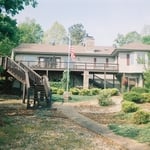
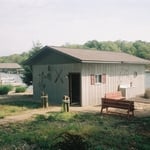
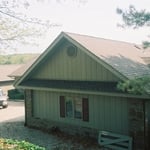
KTB Solutions LLC is a family owned and operated business run by David a local police officer and his son. Based in Lakeview Arkansas they offer reliable hauling landscaping and outdoor building services. With a strong work ethic and commitment to the community KTB Solutions LLC helps homeowners with cleanups builds and property maintenance delivered with care and professionalism.
We are a local construction and maintenance company with over 30 years in the industry. Whether is replacing a ceiling fan or building you a custom deck, our team can tackle any job and ensure 100% customer sanctification guaranteed. If you want your project done right, give us a call today!
Rebecca is committed to excellence in every aspect of our business. We uphold a standard of integrity bound by fairness, honesty, and personal responsibility. Our distinction is the quality of service we bring to our customers. Accurate knowledge of our trade combined with ability is what makes us true professionals. Above all, we are watchful of our customers interests, and make their concerns the basis of our business.
\n
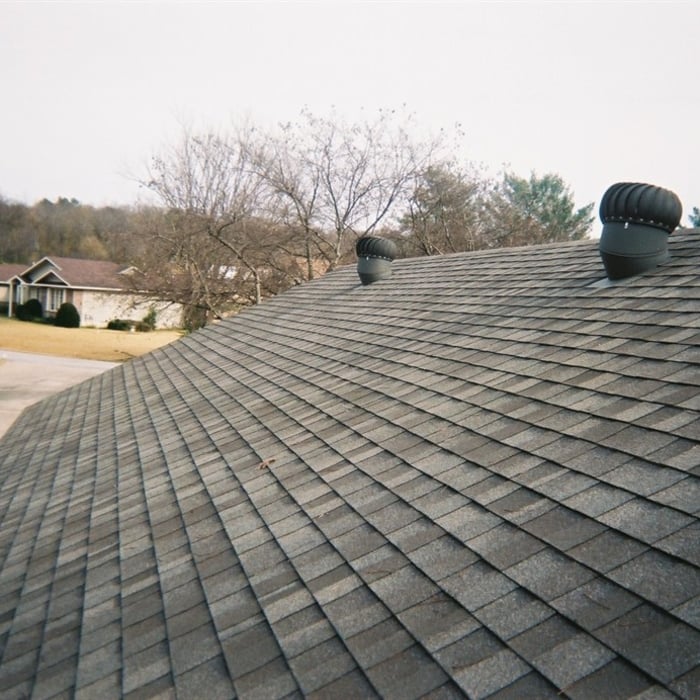
"Travis' roofing team showed up early and got to work. The job went quickly and professionally. The roofers were careful to clean up everything before they left. They really did a good job I had another roofer come and inspect their work and he said everything was done correctly to uphold the shingles factory warranty. Apparently many roofers cut cost by using an inferior top shingle for the ridge causing the shingle's warranty to be void. I would use Duraplex roofing in the future. "
"My inquiry was responded to quickly and they were able to work around my schedule. Looks brand new. The results were beautiful. They showed up on time and were respectful of the property."
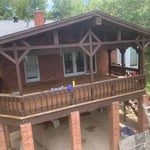
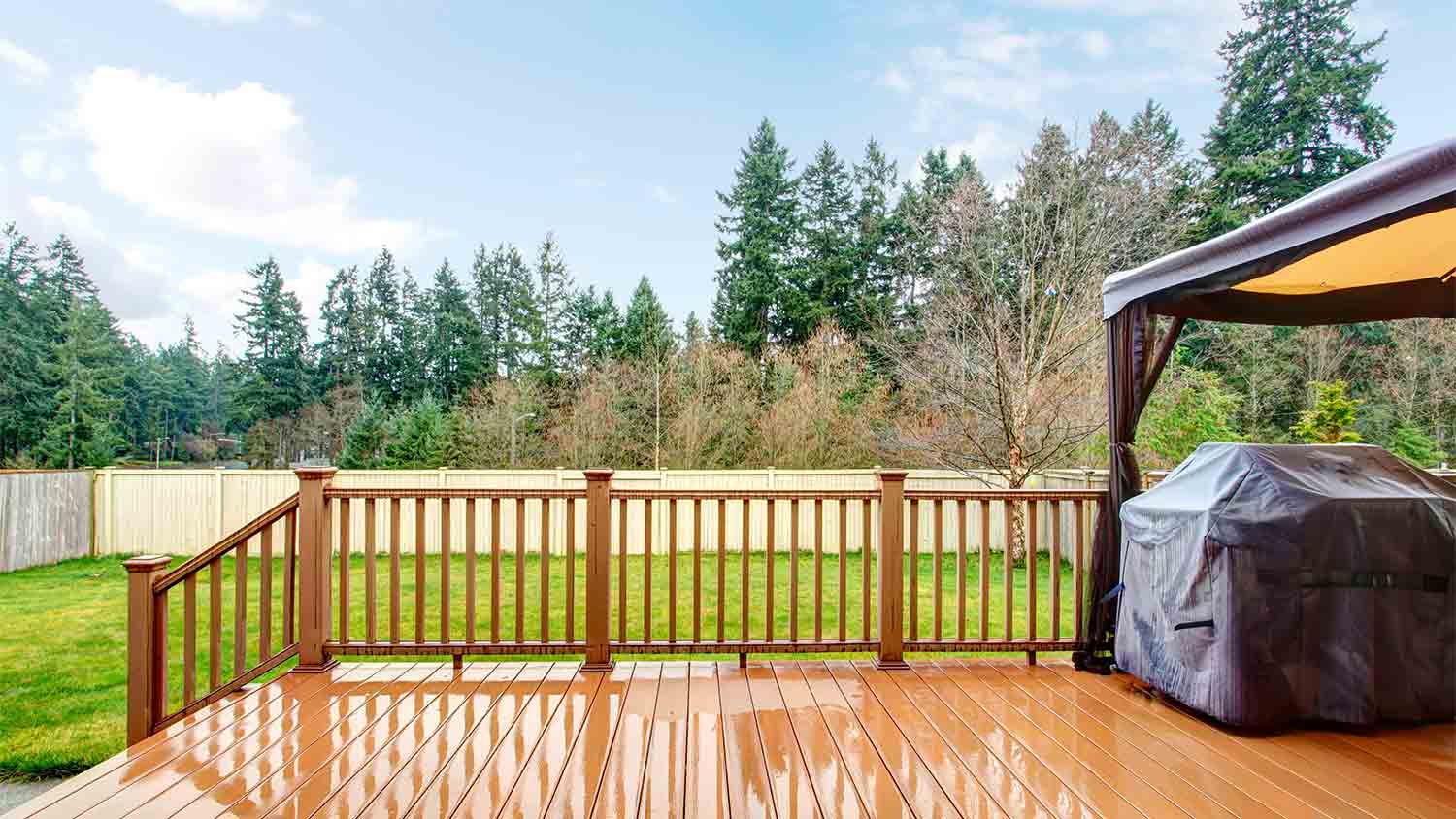
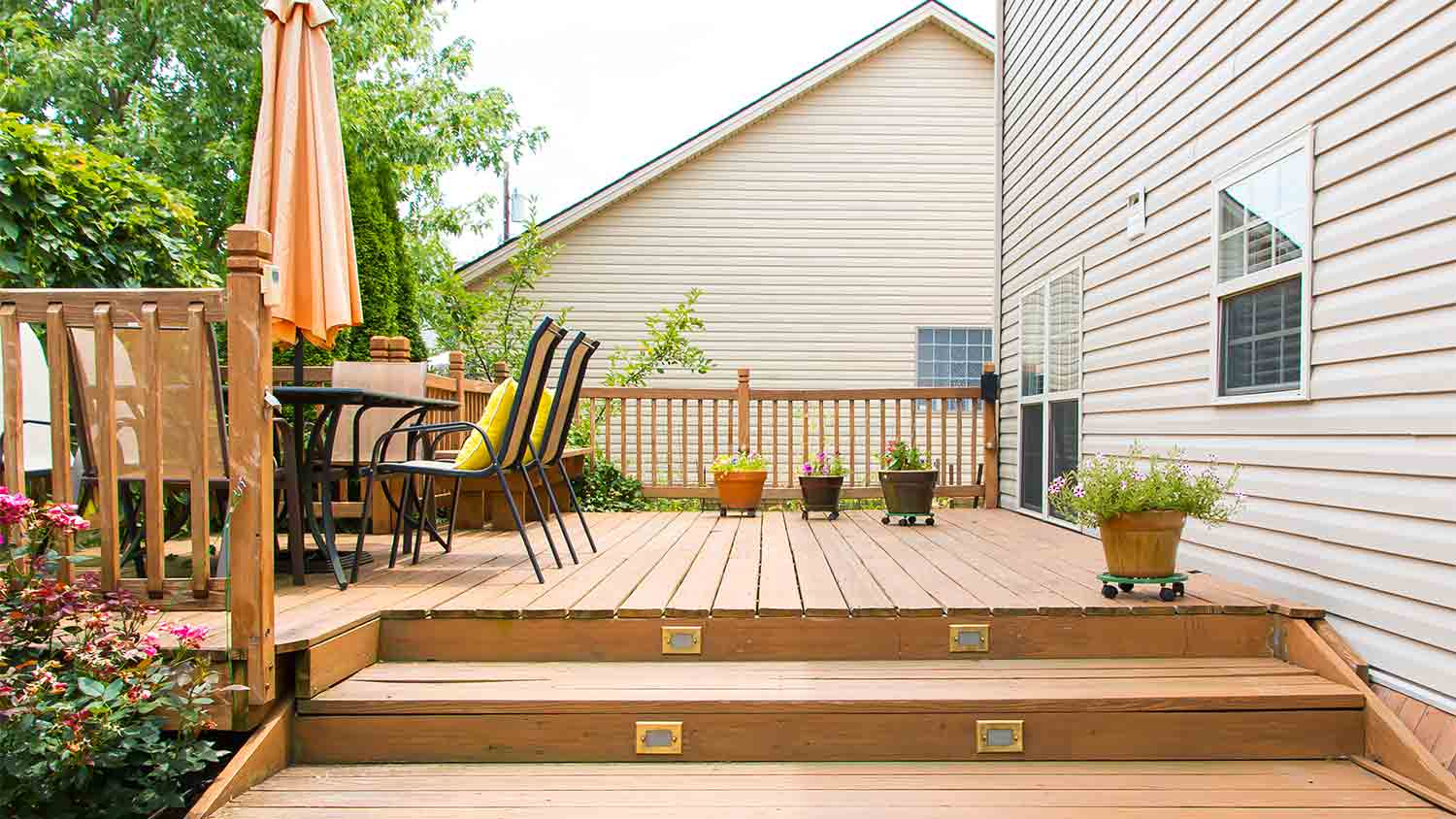
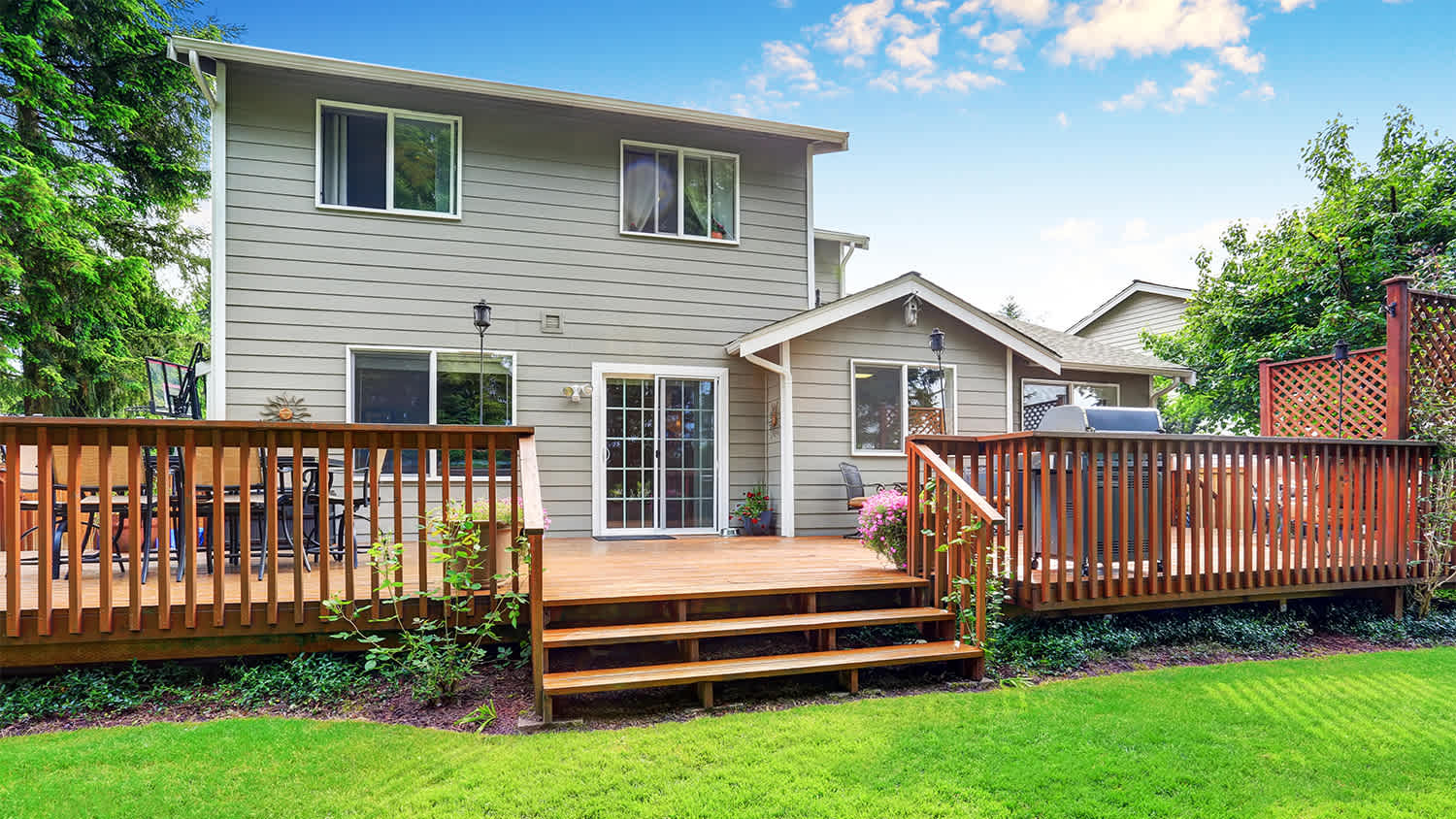
Choices include wood, composite, and hardwoods, each with unique benefits.
When building a deck, #2 grade lumber is a go-to for several reasons. It’s strong, budget-friendly, and works well for most framing and decking needs. But upgrading to #1 or Appearance Grade can give your deck that extra visual edge if you're after a cleaner, more polished look for high-visibility spots.
It is possible to pressure wash your deck, but it’s usually best to leave the work to a professional for two main reasons. First, power washers are expensive, and you can avoid high upfront costs by hiring a deck washing pro instead. Second, you must be careful to use the correct setting to avoid damaging your deck material. You can only clean soft woods like pine with a wide spray and a low pressure; otherwise, the water will leave unpleasant marks on your deck. Hard woods, composite material, and metal can stand up to increasingly higher water pressures.
You do not have to dig footers for a deck as long as it meets local code and holds up to weather in your area. If you live somewhere that experiences high winds and earthquakes, you may need to dig for your deck posts. Deck blocks, post anchors with base plates, and helical pile systems are the three no-dig deck post options you can choose from if local code permits.
Both a well-constructed deck and a patio can add value to your home. Patios are generally cheaper to build but don’t offer the same aesthetics as a quality deck. Therefore, decks can be more appealing to buyers than patios, increasing a home's resale value.
The Norfork, AR homeowners’ guide to deck maintenance services
From average costs to expert advice, get all the answers you need to get your job done.
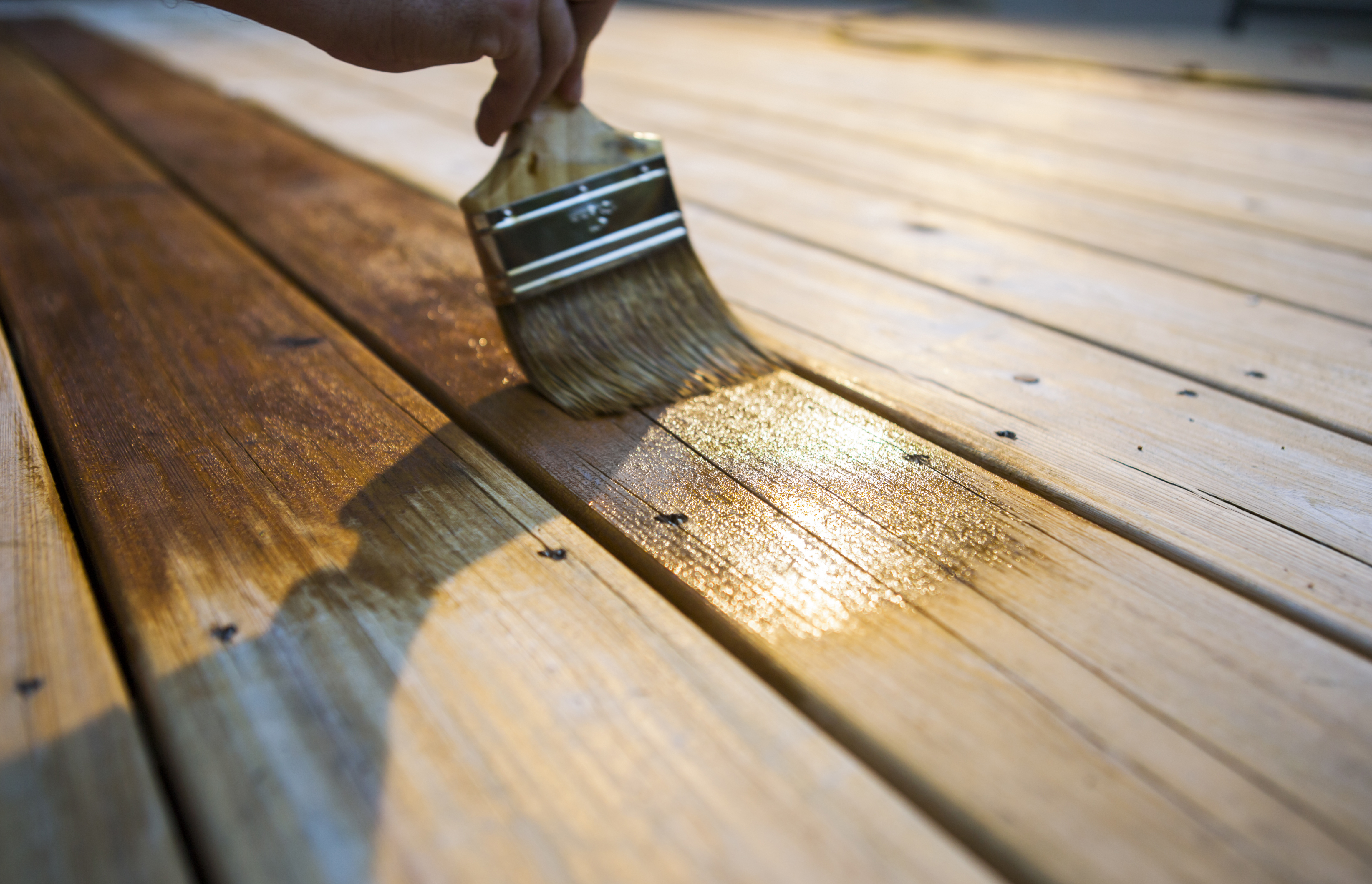
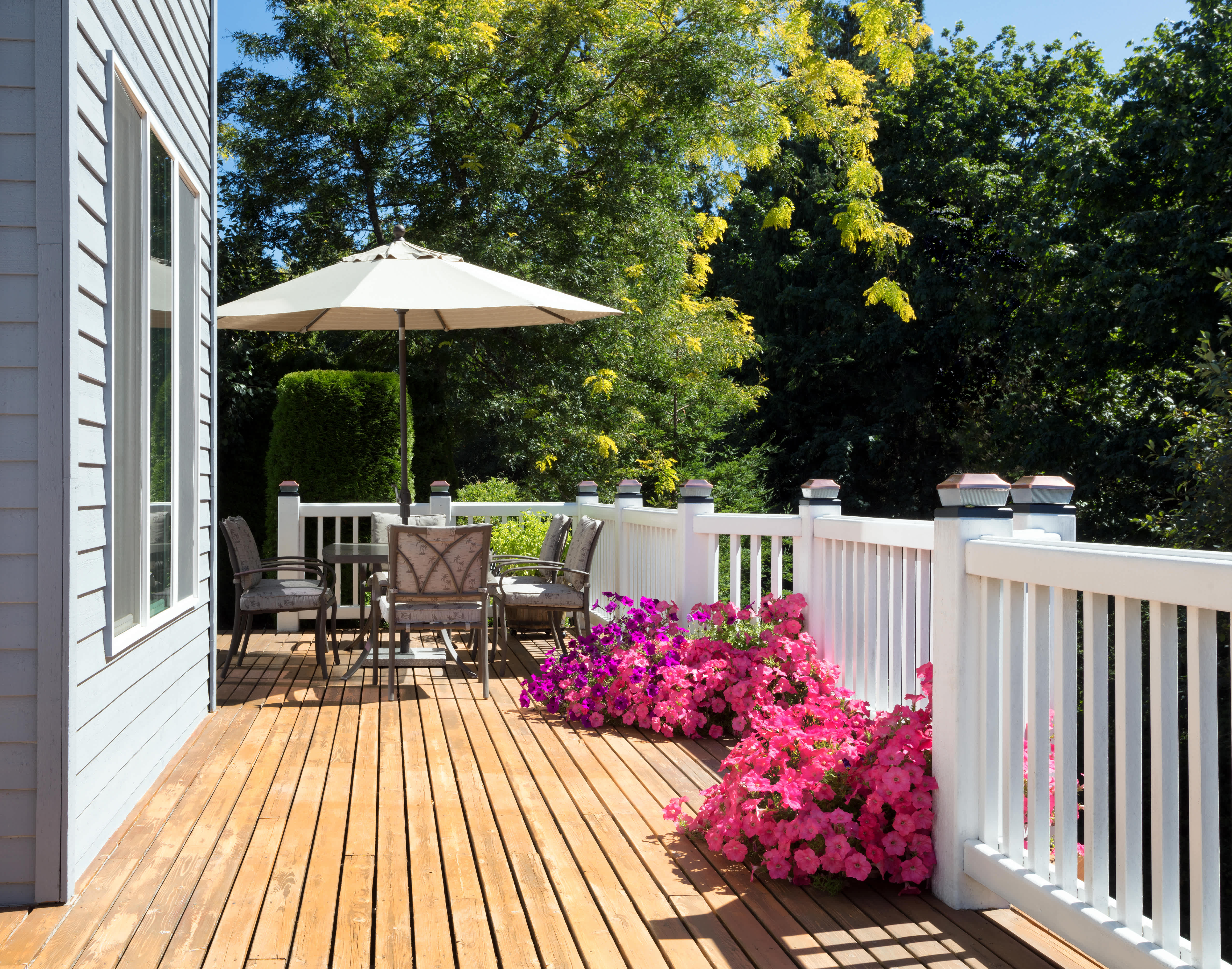
Deck maintenance is vital to protecting a wooden deck. Cleaning, staining and sealing a deck after pressure washing will add years to its lifespan. Protect a deck by following these deck maintenance tips for cedar and other types of wood materials.
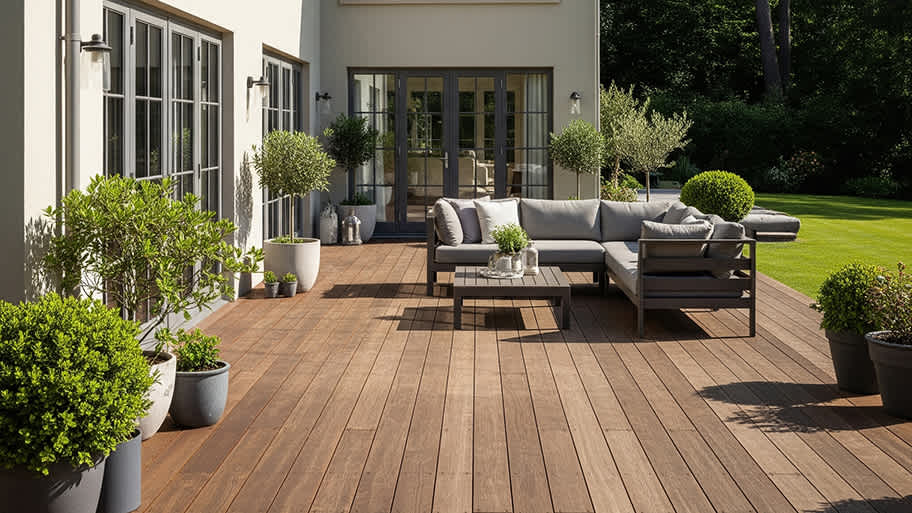
Finding maintenance-free decking that works for your home, budget, and lifestyle can be challenging. This guide lists the 7 best low-maintenance deck materials.