
Top-rated excavation pros.

Get matched with top excavation pros in Ragland, AL

Enter your zip and get matched with up to 5 pros

Need a pro for your excavation project in Ragland, AL?

Select your specific project to find the pro for you.

TRUSTED BY RAGLAND, AL HOMEOWNERS

  • Average homeowner rating star icon5
    Average homeowner rating
  • Verified reviews icon27
    Verified excavation services reviews

Find Excavation pros in Ragland

Avatar for Natdawgs hauling &excavating llc
Natdawgs hauling &excavating llc
5.0(
1
)
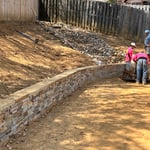
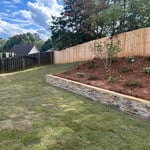
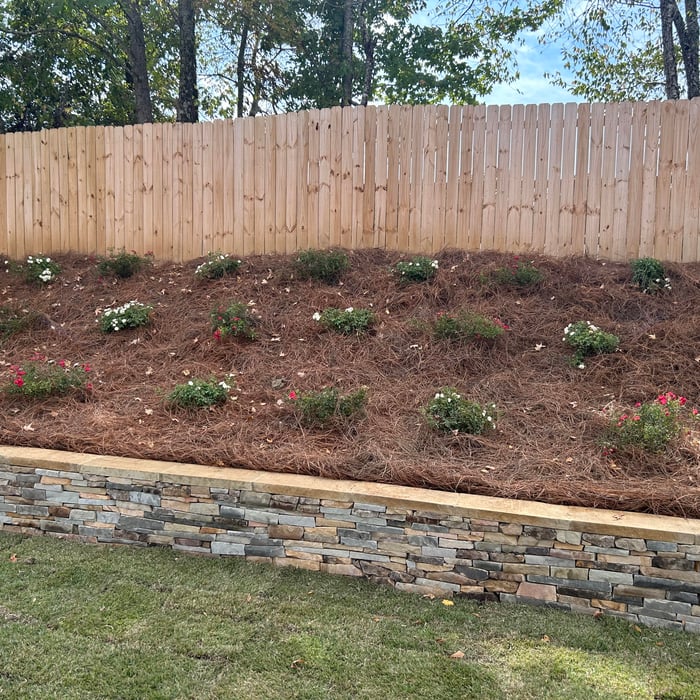
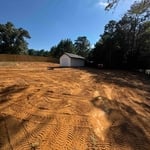
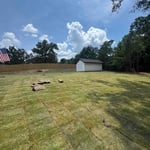
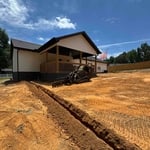
Landscape - Minor Grading or ReslopingBuilding Site - Preparation and ClearingExcavation - Major Grading or Resloping

Serving Ragland, AL and surrounding areas

Approved

Free estimates

Emergency services offered

Small jobs welcome

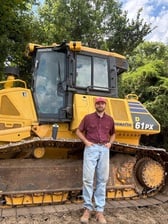
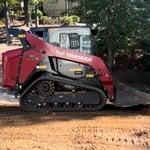
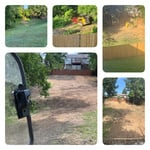
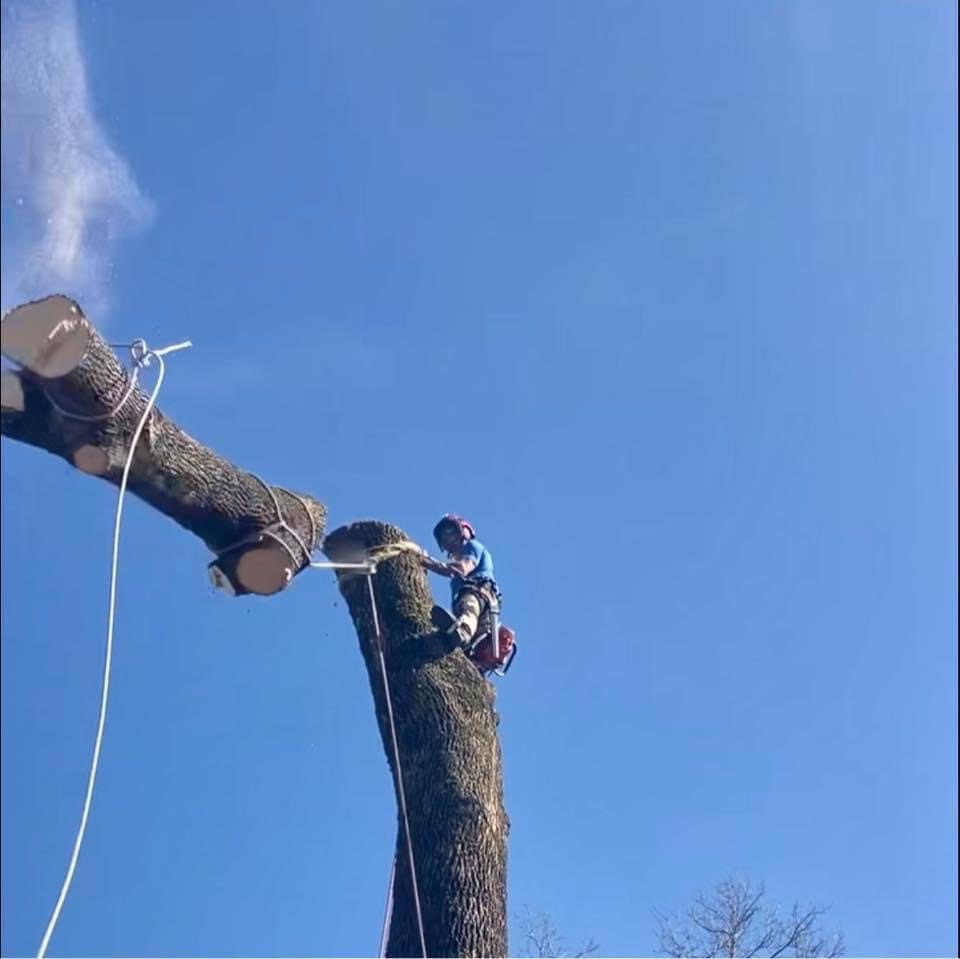
I’ve been doing tree and skid steer work for about 20 years, customer satisfaction is my goal. The job is not complete until you, the customer, are happy. I am a perfectionist, I like and want stuff done right! I am willing to travel almost anywhere within the state. I am highly efficient in a skid steer and working out of a bucket truck..

Baker Farms
Wendling property
Teresa’s property
9 neighbors recently requested a quote
...
Showing 1-10 of 127
Excavating questions, answered by experts

If you have a broken sprinkler pipe underground, there will be some signs you can easily spot to locate it and take action. These include leaks, water spouts, flooding, consistently damp areas on your lawn, low water pressure, and grass around the sprinkler head that’s taller and darker than anywhere else in the yard. 

If there are no obvious signs of a broken pipe, you can use tools such as water leak mics, leak noise loggers, audio devices that record leaks, and acoustic testing links. 

Broken pipes can lead to uneven watering, plant damage, and higher utility bills. The longer you wait to fix them the more the repair cost may be.

How deep your septic system needs to be into the ground depends on several factors. In extremely cold environments, the tank needs to rest below the maximum frost line, which can be up to six or eight feet deep. The standard burying depth for most systems is between a few inches and four feet below ground level. Depth can also depend on the slope of the landscaping and other property variables. 

In the United States, a depth of 36 inches (three feet) for underground water lines is the accepted industry standard. This depth varies from location to location based on local conditions. In areas with colder winters, they may be buried deeper to prevent frozen well water pipes : This is usually at least six inches below the frost level. The International Plumbing Code calls for a minimum of 12 inches below grade.

Excavation and grading are both generally necessary for designing your foundation, and leveling the ground where your foundation will go. These steps can also prepare the area by removing vegetation and anything else that could interfere with your home’s foundation.

Tree experts don’t advise against digging through tree roots, but instead encourage caution and consultation with a local arborist to make sure you don’t damage the tree’s structure or interrupt its water or nutrient intake. An arborist can recommend specific practices when digging and help prune the roots or dig a trench for utilities with a tool that can remove soil without touching the tree’s roots.

The Ragland, AL homeowners’ guide to excavation services

From average costs to expert advice, get all the answers you need to get your job done.