


Blake Ray
Handyman for Multiple Small Projects
Serving New Market, AL and surrounding areas
Approved
Free estimates
Warranties offered
Small jobs welcome
"Did awesome work! Very efficient and so helpful!"
28 neighbors recently requested a quote
 4.3
 242
*The Angi rating for Pool Table Assembly companies in New Market, AL is a rating based on verified reviews from our community of homeowners who have used these pros to meet their Pool Table Assembly needs.
*The HomeAdvisor rating for Pool Table Assembly companies in New Market, AL is a rating based on verified reviews from our community of homeowners who have used these pros to meet their Pool Table Assembly needs.
Last update on June 16, 2026
Serving New Market, AL and surrounding areas
Approved
Free estimates
Warranties offered
Small jobs welcome
"Did awesome work! Very efficient and so helpful!"

Serving New Market, AL and surrounding areas
Approved
In business since 2012
Free estimates
Warranties offered
"Excel went above and beyond with customer satisfaction."


Serving New Market, AL and surrounding areas
Approved
In business since 2025
Free estimates
Credit card accepted
"Very professional, on time and an overall great experience!!"


Serving New Market, AL and surrounding areas
Approved
Free estimates
Emergency services offered
Small jobs welcome
Here to help with all your small and medium tasks.

Serving New Market, AL and surrounding areas
Approved
In business since 2020
Free estimates
Warranties offered
"Excellent job, will definitely reach out to them next time we need a repair service!"

Serving New Market, AL and surrounding areas
Approved
In business since 2023
Free estimates
Credit card accepted
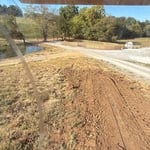
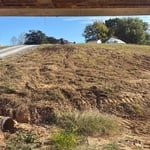
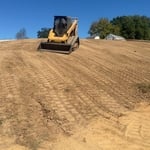
"Excellent Dirt Work Exceeded My Expectations Highly Recommend"
Serving New Market, AL and surrounding areas
Approved
Small jobs welcome
I have a vast experience in all realms of installation/ repair and troubleshooting. I preform all jobs as if I would for myself or family.
Serving New Market, AL and surrounding areas
Approved
Usmc veteran, looking to share my skills in carpentry and general handyman. I take pride in my work and understand time is precious. \n

Serving New Market, AL and surrounding areas
Approved
Free estimates
Small jobs welcome
My name is Julian I’m the Owner of Wilson’s services I offer handy man services and much more please feel free to reach out for a free estimate god bless.
Serving New Market, AL and surrounding areas
Approved
Free estimates
Emergency services offered
Warranties offered
Been in the residential home building business for 40 years, started doing handyman jobs full time 5 years ago
From average costs to expert advice, get all the answers you need to get your job done.

Learning how much it costs to refelt a pool table is the first step to getting your game back in top shape. Here's what to know about each type of table.
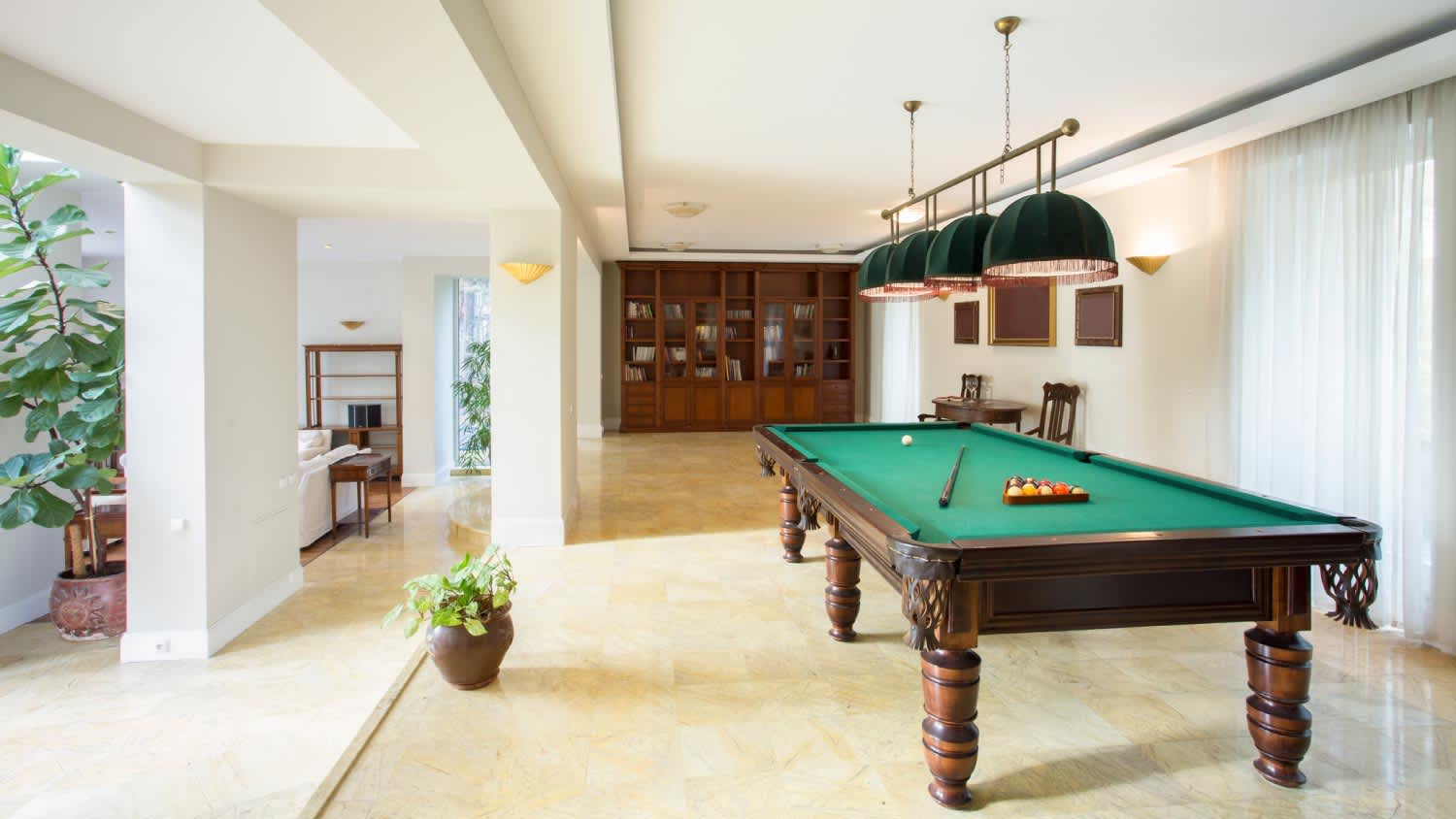
If you’ve ever tried moving a pool table, you know it’s a big undertaking. Here’s an overview of what factors into the cost to move a pool table.
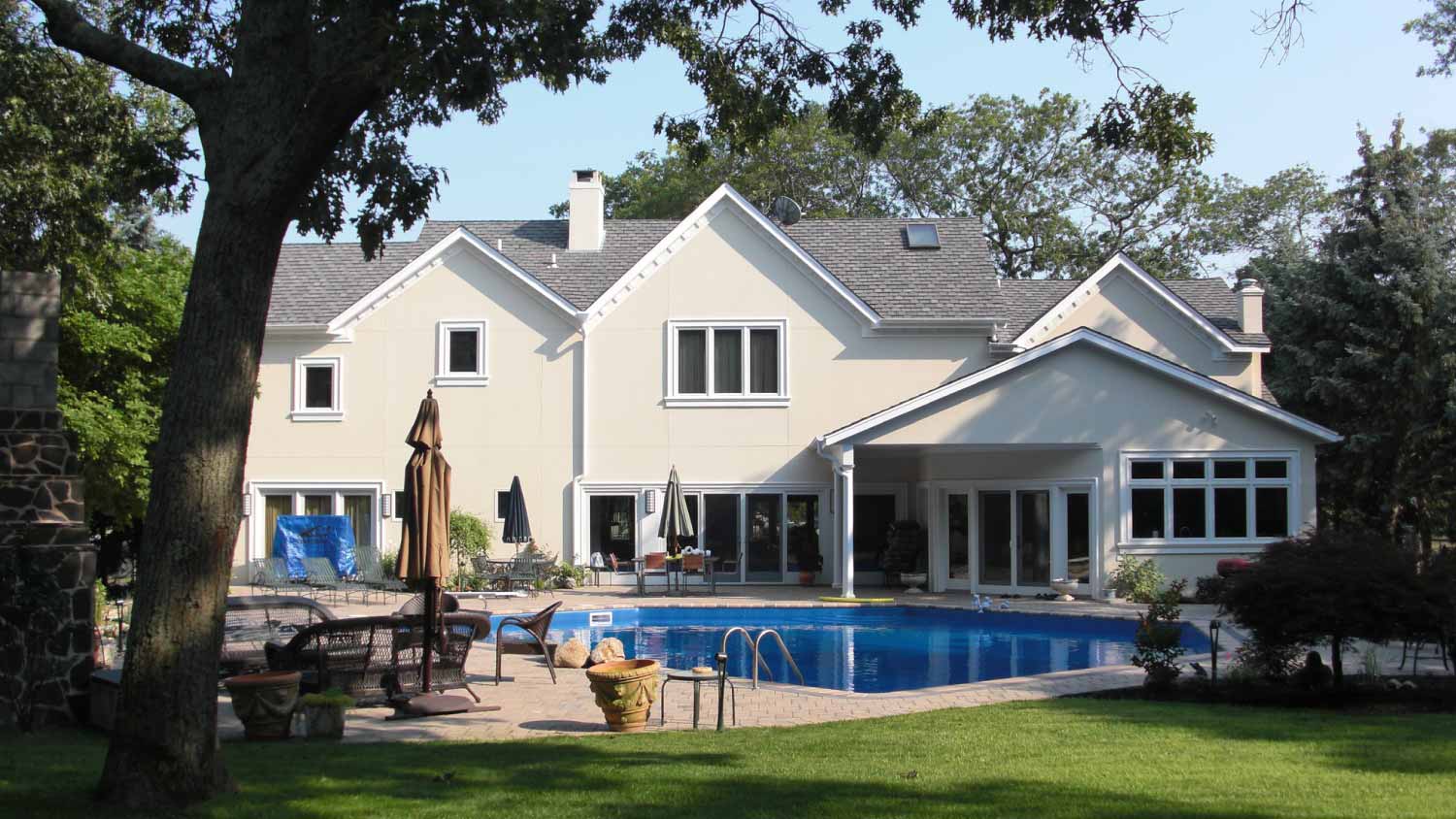
Is it time to treat yourself to backyard pool parties and late-night swims? Start with our guide, which answers the question: how much does it cost to build a pool?
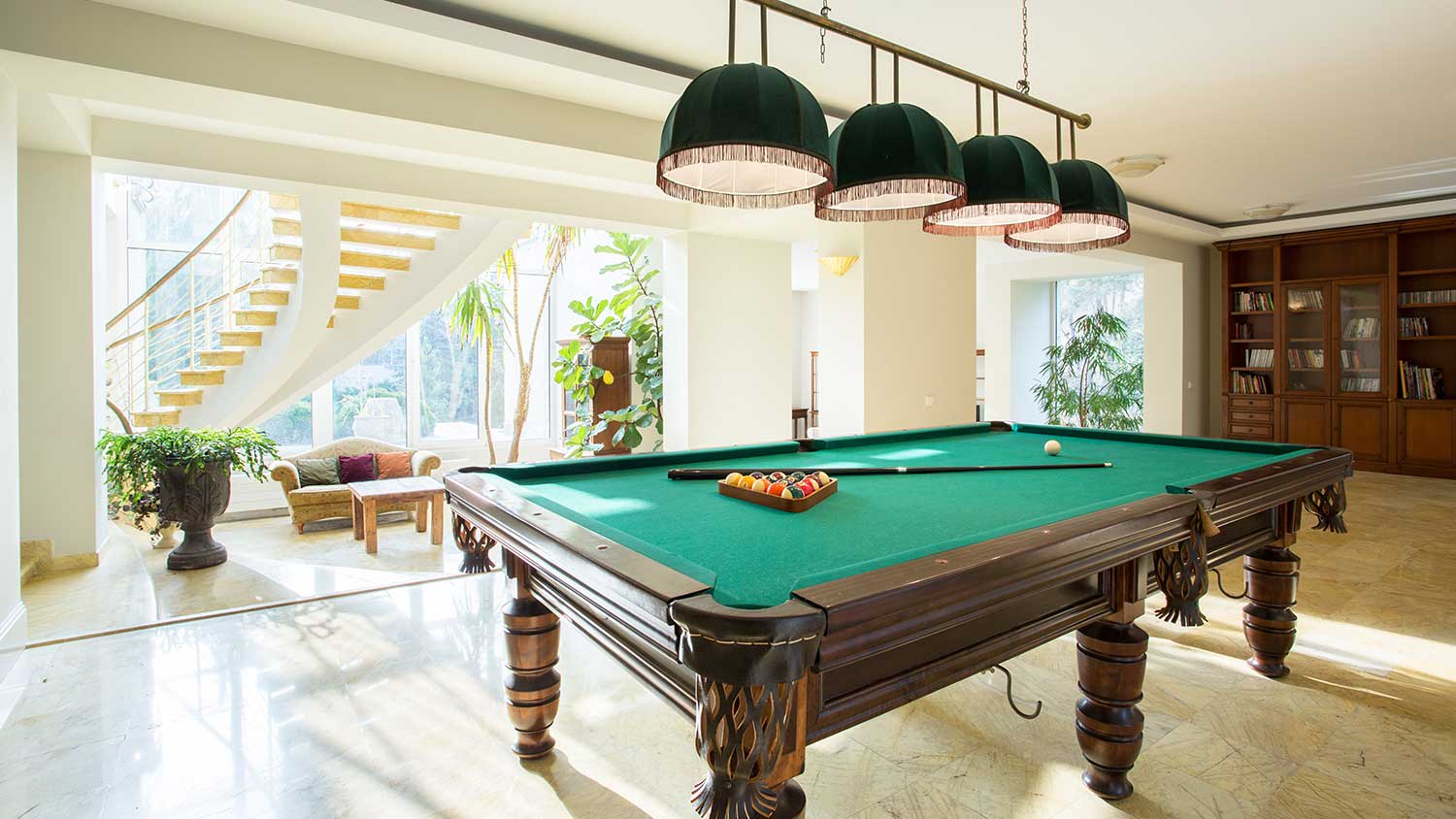
Pool tables and billiard tables come in a variety of sizes and designs. Read our buying guide to ensure you purchase the right one for your family’s gaming room.
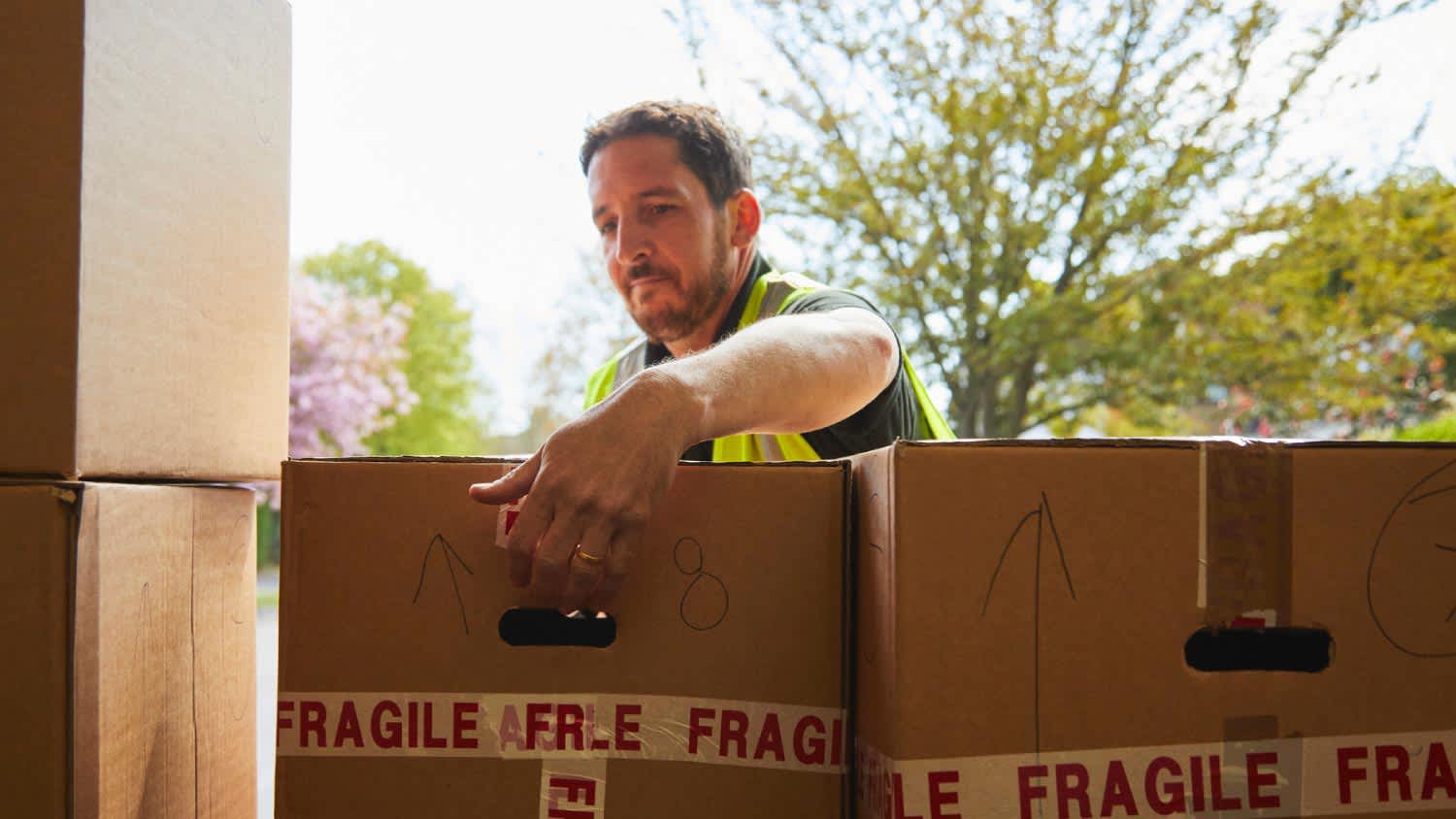
Learn about home items that are nearly impossible to move without movers, either because they are awkwardly shaped, too heavy, or require special equipment.
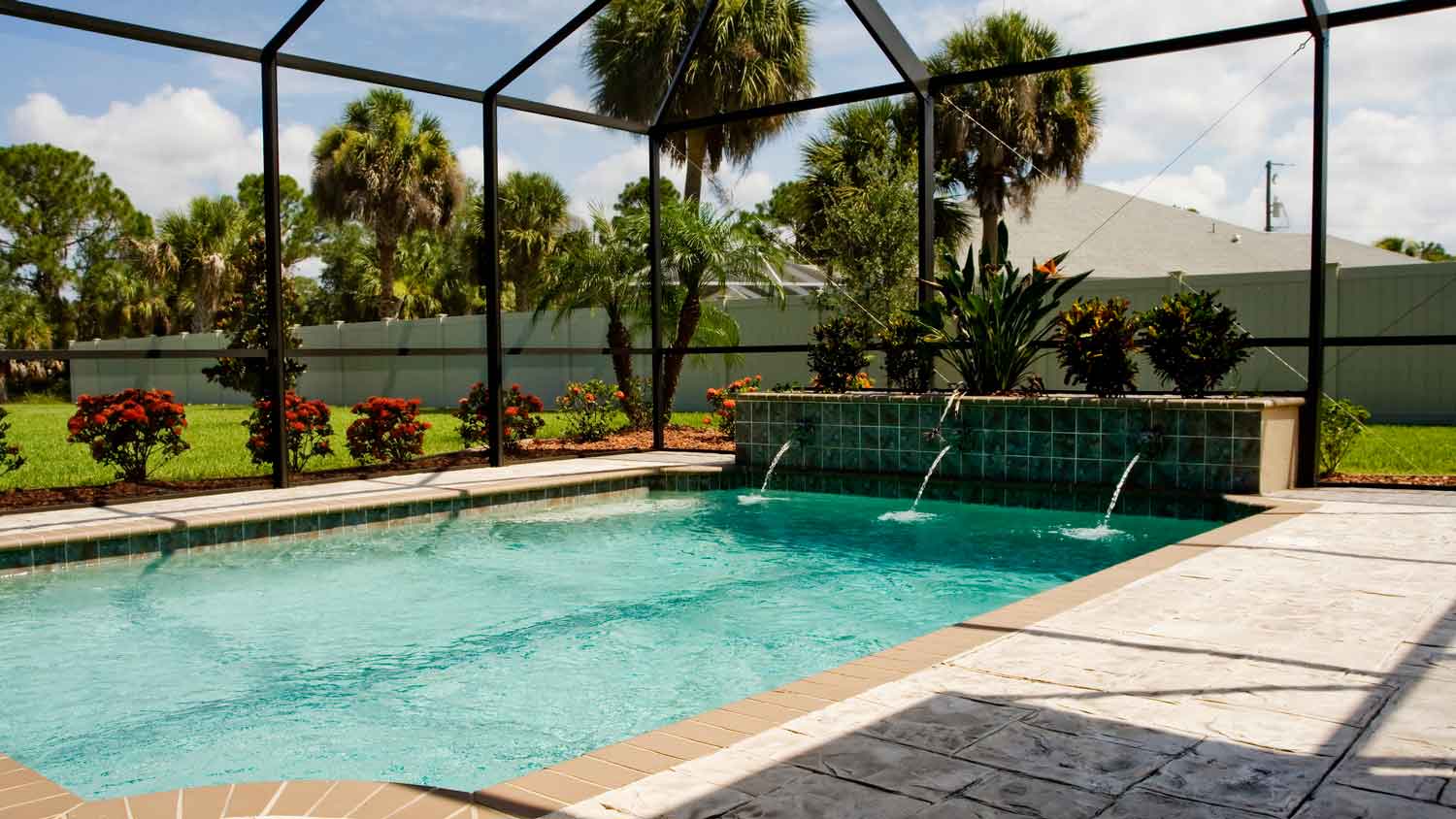
From inflatable domes to self-built structures, DIY pool enclosures are a doable home project. Here's how to approach the project like a pro.