





Top-rated deck staining pros.

Get matched with top deck staining pros in Citronelle, AL

Enter your zip and get matched with up to 5 pros

Need a pro for your deck staining project in Citronelle, AL?

Select your specific project to find the pro for you.

Find Deck staining pros in Citronelle

Excellence Renovation LLC
New to Angi

Serving Citronelle, AL and surrounding areas

Approved

Hi this is Esteban Acosta owner of Excellence Renovation LLC been in business for about 5 years we can handle several trades like painting ,drywall,trim work,siding , flooring ,tile showers and much more ...im a very easy guy to work with ..very flexible and can always work with you on your budget ..i would be happy to work on your project and do whatever it takes to make you happy and bring your project to completion.. see you soon

...
Showing 1-10 of 139
Deck Staining questions, answered by experts

Wet-sanding and dry-sanding each have pros and cons. Dry-sanding is less messy, so it’s a good option if you’re trying to minimize dust (for example, if you’re sanding an occupied home or working with particularly dry or dusty drywall mud). However, dry-sanding is quicker because you don’t have to keep rinsing a sponge or wait for it to dry before painting.

Staining or sealing a cedar deck or fence is highly recommended to extend its lifespan and protect it from the elements. While cedar is naturally resistant to mold and mildew, it is not impervious to damage from moisture, sun exposure, splintering, fading, and rot over time. Applying a protective finish creates a shield that preserves the wood's strength and appearance, potentially extending its life by five to 10 years.

When choosing a finish, it's helpful to understand the difference between a sealer and a stain. A sealer sits on top of the wood, whereas a combination stain and sealer soaks into the top layer. Because it penetrates the wood, a stain generally offers better protection against UV damage and rot and lasts significantly longer. For the best results that also preserve the wood's natural color, consider using a near-translucent stain.
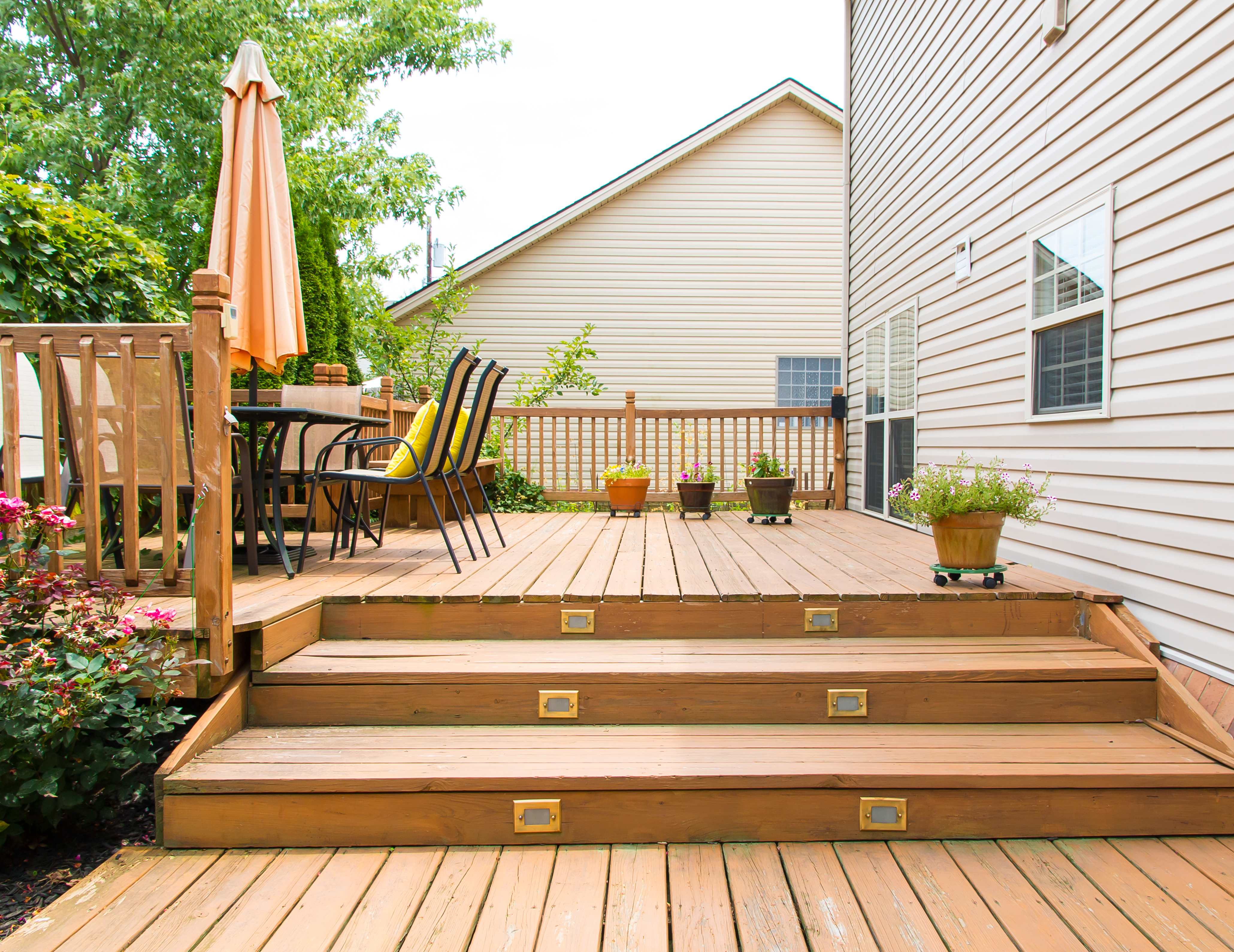
To maintain protection, plan on reapplying the stain or sealer every two to three years, either as a DIY project or by hiring a professional.

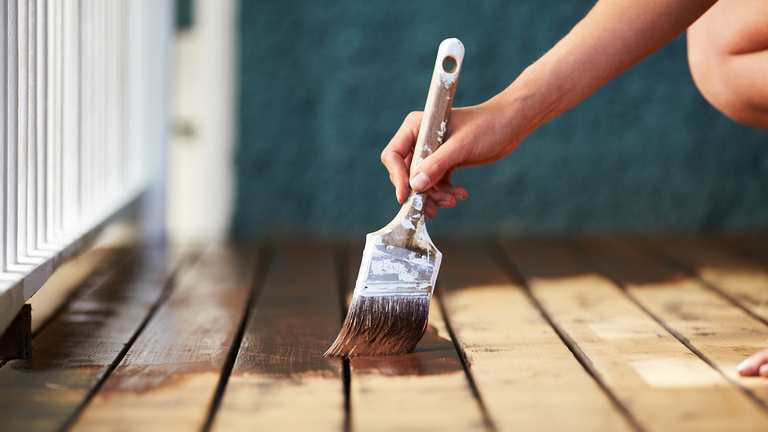
When staining a deck, don’t skip surface prep, avoid staining damp or dirty boards, and don’t apply stain in extreme heat, cold, or wet conditions. Never overload the wood with a stain, as too much can cause tackiness or peeling. Also, don’t forget to test a small area first to ensure the color and finish look right.

Ultimately, overapplication of stain can compromise the deck's appearance, durability, and longevity. It may result in an uneven finish, with excess stain pooling, dripping, or drying into thick patches. It can also obscure the wood's natural grain and texture, detracting from the desired aesthetic. Moreover, excessive staining may not fully penetrate the wood, leading to poor adhesion and premature wear. Additionally, thick layers of stain are prone to peeling, cracking, and blistering as they struggle to bond with the surface. 

The best exterior paint for the job of painting your front porch depends on the material you’ll be painting. Acrylic paint is often recommended for a wooden porch as it’s durable and easy to apply. If your porch is made of concrete, you’ll need to find a formula suited to that material.

The Citronelle, AL homeowners’ guide to deck staining services

From average costs to expert advice, get all the answers you need to get your job done.