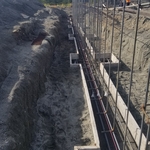
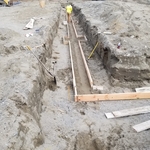
"Kent has done everything he has said he would do along with give us some improvement suggestions that would either make the project better or save us some money."
Basement Waterproofing questions, answered by experts
If a crawl space isn’t vented, there can be moisture buildup, which can lead to mold damage, easily destroying the foundation of your home. A closed-off crawl space can trap heat, which can be useful in the winter, but can also trap dangerous gases and prevent clean air from entering the home through the floorboards.
Installing storm windows can protect your home’s interior from heavy storms. Most storm windows are made with enamel-coated aluminum with screens and sliding glass panels. They also make your house more energy-efficient. The average storm window cost is $12,000, ranging between $4,250 and $19,850, depending on mounting, window types, glass types, and frame materials.
Proper basement ventilation is very effective at reducing humidity. Without enough ventilation, your basement is prone to mold and moisture damage. Your basement should have as much natural ventilation via windows and doors as possible, and if your budget allows, you should also consider installing an ERV system to keep basement humidity levels at bay.
A moisture or vapor barrier helps separate the warm air inside your home from the cold air outside of it. Without it, your walls could collect condensation, mold, or other damage. Check your local building codes to see if including an interior vapor barrier is necessary for your building project or renovation, especially for rooms that are likely to be humid, like bathrooms.
Rigid foam board insulation is one of the safest insulation materials for basement walls. The panels offer a moisture barrier to prevent mold and mildew build-up. At the same time, this material is also fire-resistant, so you don’t have to worry as much about a fire breaking out as you would with spray foam insulation.
The Chevak, AK homeowners’ guide to basement waterproofing services
From average costs to expert advice, get all the answers you need to get your job done.
Need to fix basement water problems or safeguard your home from damage in the future? Use this basement waterproofing cost guide to budget appropriately.
An unfinished basement has a lot of potential for a family room or guest suite. So how much does it cost to finish a basement? Read on for all cost factors.
Dealing with a damp basement? Follow these steps for DIY basement waterproofing to keep water and moisture out and boost your home’s energy efficiency.
Can’t seem to get rid of the moisture and mold in your basement? Learn why basements tend to hold moisture and how to get rid of moisture in the basement.