
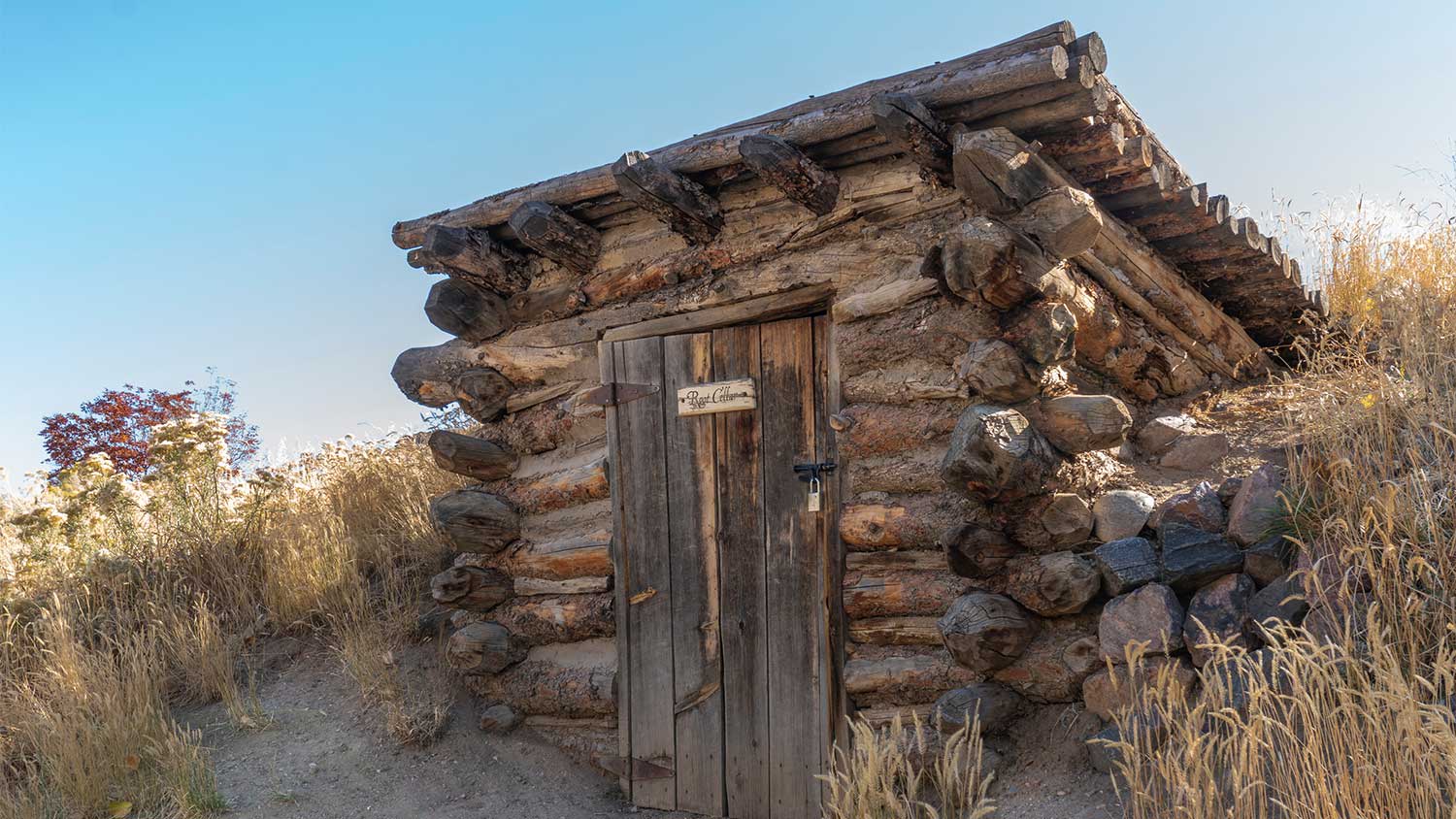
The cost to build a root cellar depends on size, location, materials, and other variables. Our guide will help you decide which option is best for you.

A root cellar is a traditional food storage space that uses the earth's natural cooling and insulating properties to keep your produce fresh for months.
Building a root cellar costs about $7,000 on average, with prices ranging from $500 to $25,000 depending on size, style, location, and complexity.
Your root cellar needs consistent temperatures between 32 and 40 degrees Fahrenheit, humidity levels of 85% to 95%, and proper ventilation to prevent mold.
Hiring a local hardscape professional removes the guesswork from construction, handling everything from wall support to ventilation systems for safe, effective long-term food storage.
Most homes rely on modern refrigerators to keep food cool and fresh, but a traditional root cellar can be a reliable, low-cost alternative that requires little to no energy use. Done right, root cellars give you access to fresh produce year-round. If you’re passionate about DIY gardening and sustainable living, this guide will introduce you to root cellars and the advantages they can offer.
A root cellar is a traditional food storage area that uses the earth’s natural cooling, insulating, and humidifying properties to keep fruits, vegetables, nuts, and other items fresh. Root cellars are typically built fully or partially underground to tap into cool, moist soil conditions. It’s possible to add a root cellar either in the basement of a home or underground in an outdoor area. Building a root cellar costs about $7,000 on average, though the price can range anywhere from $500 to $25,000 or more depending on its size, style, location, and complexity.
Not all vegetables store well in a root cellar, but you can significantly extend the shelf life of some items. Depending on the crops you store and the conditions of your root cellar, your produce can stay fresh anywhere from two to nine months. Items that store well in a root cellar include:
Root vegetables like carrots, potatoes, beets, rutabagas, and parsnips
Some leafy greens including cabbage
Hardy fruits like apples and pears
Homemade canned, jarred, or fermented foods
Bulbs of perennial flowers
Homemade wine or beer
There are a few requirements a true root cellar must meet to work properly.
Low temperature: Must consistently hold a temperature of 32–40 degrees Fahrenheit
High humidity: Must consistently hold a humidity level of 85%–95%
Ventilation: Inbuilt air circulation is needed to reduce mildew and mold
Dry location: Cannot be built in places with a high water table or nearby septic system
Control: Design should allow control of temperature, humidity, ventilation, and drainage
Accessibility: Should be close to your home and easily accessible
Cool temperatures slow the release of ethylene gas from crops and stop microorganisms from growing, while high humidity prevents the loss of moisture through evaporation. This climate helps to slow down withering, ripening, and decomposition. These specific requirements mean a root cellar won’t always work in the warm climates of the Southern United States.
Building a root cellar offers a number of benefits, but also comes with some drawbacks you should consider.
Save money: You save on utility costs compared to a refrigerator or freezer, plus you’ll save on our grocery bill and on the gasoline needed to get to the store.
Food security: You can store fresh food in a root cellar for months-long periods and have access to whole foods year-round.
Decreased electricity reliance: The food in your root cellar won’t spoil when the power goes out because it doesn’t require electricity to stay cool.
Learning curve: You need to research and experiment to learn the different climates within your unique root cellar and how to get the best results with different foods.
Maintenance: You need to keep your root cellar floor moist, deal with mold and mildew, regularly remove rotten or damaged produce, and manage pests.
Expensive to build: Depending on the materials you use, building a root cellar is a labor-intensive project that can take several weeks and cost thousands of dollars.

Depending on your location and local legal requirements, you can build your own root cellar or hire a team of local hardscapers to assist you with building one on your property. Check your local building codes before starting any construction. There are several root cellar design types to consider.
Easily accessible from inside the home, a basement root cellar can be retrofitted to a corner with insulated walls built around it and an insulation system that brings cool air in and exhausts stale air out. Basements with dirt floors work particularly well to regulate the climate needed for root cellar storage.
Also called a hole-in-the-ground root cellar, this traditional design can be buried below ground or dug into the side of a hill. Typically accessible from the outside via insulated doors, some homeowners cover a root cellar hole with a garden shed for easy access in any weather.
The walls can be made from a variety of materials, including concrete, cinder block, wood, sandbags, or old tires. Whatever material you use, your walls and roofing need to be well-supported to avoid collapse. To ensure your safety, work with a local architect or engineer.
There are many different ways to design a root cellar. You’ll find instructions for DIY root cellars that involve burying a large barrel or metal trash can in the ground, as well as prefabricated designs that can be placed at ground level or partially above ground. Urban homeowners can create a makeshift root cellar in an insulated window basket or cooler on a balcony.
Research carefully to find the best option for your specific needs and local climate.
When it comes to building a root cellar, hire pros who are going to assist you with building an effective and safe cellar. Before starting the project, check out the local building codes and decide on which root cellar design is the best for your needs. You can hire a team of local hardscapers to build the cellar and call on a local architect or engineer to make sure the walls and roofing are well-supported.
This company does it right. Firstly, I want to say that Landan was a joy to work with. He was so kind, transparent, and had everything under control. His entire team showed up ready to work and they were all very respectful of the fact that we were in an office space. A little backstory – we...
 Krumlauf Floors
Professional Team, smooth to communication chain and schedule flexibility. Follows proper construction procedure and completes task on time.
 Pegasus Concrete
I cannot recommend Inspired Design Contracting highly enough! From start to finish, working with Jim Venetucci was an absolute pleasure. His vast knowledge and keen understanding of design were evident in every conversation. What truly set Jim apart was his incredible patience and genuine...
 Inspired Design & Contracting
We have bought and sold numerous times over the past 50 years. Sherman Hall and Top Line are top notch. Thorough and detailed, he explains every possibility, probability, and eventuality. High class and pleasant. The best.
 Top Line Home Inspections, LLC
Excellent experience in mounting our 77 inch TV with in wall cable management. Service was efficient and would highly recommend!
 Tether House
Storms Mobile Welding was great to work with. They were prompt, professional and did an overall excellent job on the project. I highly recommend.
The techs on my project, Shawn and Cliff, were great. They were prompt, courteous, and efficient. I am very happy with the results and would definitely contact Mr. Electric for any future electrical projects.
 Mr. Electric of Columbus
Excellent choices and quality of materials. Workmen were very efficient and took their work very seriously. Pride of workmanship and cleaned up beautifully at end of job. Would recommend this company highly.
 Window Depot USA of Central Ohio
The guys at PaveWay are top notch. From the estimate to the job being completed,all was done in a timely and professional manner. I myself was a DOT Engineer Inspector(know what to look for) and got to talking with Cameron and he himself was a Contract inspector for a few years,same job as...
 All Star Paving and Sealing
Car interior was immaculate, brand new. You could eat off the engine it was so clean. Truly showroom quality. Clint shows you the water from the interior cleaning, and my daughter would have gagged had she known. Now, a father's daughter loves the car even more, thanks to Clint.
 Auto Detail Doctor
From average costs to expert advice, get all the answers you need to get your job done.
The cost to build a root cellar depends on size, location, materials, and other variables. Our guide will help you decide which option is best for you.
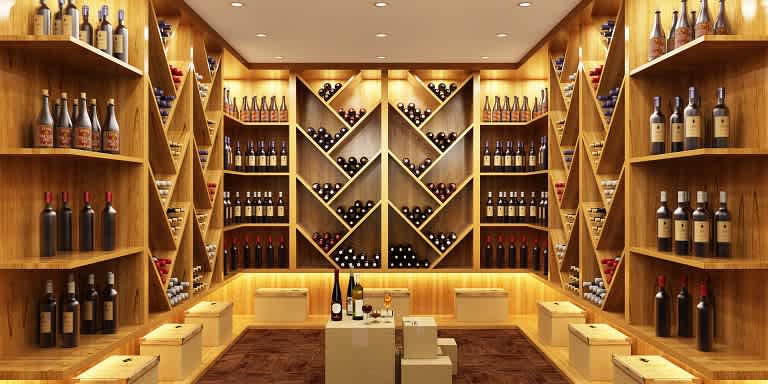
The cost of installing a wine cellar varies based on square footage, the type of wine cellar or wine cave, materials used, where it is located in the property, and where you live. Use this guide to find how much your wine cellar will cost.
Find out the average cost to remove roots from pipes, what impacts pricing, and expert budgeting tips for root removal, and protect your plumbing.

If you’ve ever wondered how to build a root cellar, now’s your chance to find out. Keep reading for all you need to know to get started.
What does root rot look like? Learn the signs and causes of root rot in trees, treatment options, and more.

Need to store your wine? Use up empty space in your basement to create a wine room. Discover some home wine cellar ideas that will have you raising a glass.