

The average cost of a whole-house generator falls between $5,000 and $25,000. Keep reading to learn how much you can expect to spend.
Tap into cleaner energy with this fuel made from waste

Biomass as a renewable resource comes from plants, waste, and organic materials that store solar energy you can burn for heat or convert into liquid and gas fuels.
Biodiesel costs around $3.50 per gallon and ethanol costs about $2.70 per gallon, making them competitive alternatives to conventional gasoline and natural gas for your home.
You can use biomass fuel to heat your home with a pellet stove, warm your water with a biomass boiler, or cook outdoors with an ethanol grill.
Hiring a local wood stove repair professional keeps your pellet stove running smoothly with routine maintenance and ensures cleaner, more efficient heating for your home.
When most people think of renewable energy around the home, they think of pristine solar panels gleaming in the sunlight, wind turbines in the distance, and maybe even a geothermal heat pump. Biomass fuel, one of the oldest forms of energy used by mankind, is another renewable energy for homeowners. Here’s what you need to know about biomass fuel and how you can use it in your home.
Biomass fuel, also known as biomass energy or simply biofuel, is a renewable material sourced from plants and certain kinds of waste. Renewable resources are materials that you can use over and over again without running out because there is a natural abundance and availability.
Biomass is either burned in its original form for heat, such as in your fireplace or pellet stove, or it’s converted into a liquid or gaseous form that can fuel all kinds of appliances and machinery. You may have heard of ethanol and biodiesel, which are two common types of biofuels.
Making biomass fuel consists of a two-step process: sourcing the biomass and converting those biomass sources into usable energy. First, the waste product is collected. These products contain stored energy from the sun, which is then burned for fuel and released into the air as gases like carbon dioxide (CO2), nitrogen oxide, and more.
Biomass fuel releases CO2 when burned, which is the main greenhouse gas responsible for global warming. However, since the primary source of biomass energy is plants, they just so happen to capture a similar amount of carbon dioxide from the air through photosynthesis. This negates the consequences of releasing CO2 into the air, making biomass fuel a carbon-neutral and environmentally-friendly alternative to fossil fuels.

Today, biomass fuel accounts for around five percent of total energy in the U.S., comes from many sources, and powers numerous appliances and equipment. What’s more is that biofuel, which accounts for 7.3% of gas, diesel, and jet fuel, is likely to increase to 9% of all domestic transportation fuel by 2040, according to the Energy Information Administration (EIA).
There are four sectors in the non-residential industries that use biomass fuel the most.
Industrial sector (50%): Used to power the machinery used in agricultural, forestry, mining, oil and gas, and construction industries. Most of the energy is for heating, cooling, and powering the machinery used in these industries.
Transportation sector (28%): Used to power cars, trucks, buses, motorcycles, trains, airplanes, ships, and more.
Electric power sector (9%): Used to power electrically-run combined heat and power plants that sell electricity for public use.
Commercial sector (3%): Used to power non-residential buildings like businesses, governments, organizations, institutional living centers, waste treatment facilities, and more
Residential homes account for 10% of all biomass fuel use in the U.S. Private homes use biomass energy to power all kinds of areas of the home, including:
Heating and cooling
Water heating
Lighting
Cooking
Refrigerating
Biomass energy is sourced from all kinds of sources, including forests, agricultural crops, algae, municipal waste, industrial wastes, and more. Designated sources for biomass conversion are called “feedstocks.”
Here’s a condensed look at five of the most common types of biomass feedstocks: agricultural, animal, wood, municipal solid, and food processing wastes:
Crop residue is a popular form of biofuel because it’s abundant and easy to turn into liquid or gas fuels. Common crops include corn, soybeans, rice, sugar cane, and grass. Most parts of the plant are useable energy; straw, stalks, stems, husks, pulp, leaves, and other plant parts are processed into biomass fuel.
Poultry and cow manure are the most common forms of animal waste that are used for biomass energy. Using an anaerobic process, bacteria consume the animal waste in an oxygen-free digestion tank, where it turns into biomethane—a type of biogas.
Forests are home to the oldest form of biomass fuel. Firewood, wood chips, wood pellets, as well as wood wastes like sawdust, pulp, and logging materials are all suitable forms of biomass energy. Most of this energy is used through a process called direct combustion, which is a thermochemical method for burning biomass outside of an air-tight confinement. The open air, a combustor, and a furnace are all places where direct combustion takes place.
Some forms of solid waste from your home can also be converted into useable energy using either the anaerobic process or direct combustion. Common solid wastes that can be converted into biomass fuel include paper, pulp, cotton, wool, food, and yard waste. These items are sorted from your regular garbage and sent to refineries that produce bioenergy.
The food industry also produces waste that can be turned into biomass fuel. Plenty of food scraps get tossed away daily, where they break down slowly and release CO2 and usable energy. Instead of letting it sit in a landfill, the waste is converted to energy.
Like anything else, biomass fuel comes with pros and cons that affect when, where, and how you can use it. Here’s what you need to know before deciding whether biomass fuel is a feasible option for your home.
There are many benefits to using biomass fuel:
Renewable form of energy: Biomass fuel comes from readily-available waste materials, making it an abundantly renewable type of energy.
Carbon neutral: Compared to fossil fuels, biomass fuel releases a similar amount of CO2, but the plants used to make biomass fuel capture that CO2, negating its effects.
Fewer greenhouse gas emissions: Bioethanol could reduce greenhouse gas emissions by as much as 86%, according to Energy.gov.
Cuts back on fossil fuels: Biomass fuel helps diversify the kinds of energy we use, decreasing our dependency on finite fossil fuels.
Non-toxic and biodegradable: Since biofuel derives from plants and other biomass sources, it’s non-toxic and biodegradable (although some ethanol products—called denatured alcohol—contain additives to make it toxic and unfit for human consumption).
Reduces waste: Biomass fuel removes material that would sit in a landfill and turns it into useable energy, helping to improve waste management.
As with most energy-producing resources, you’ll find a few cons:
Releases emissions: Though biofuel releases fewer emissions than fossil fuels, it’s impossible to remove all emissions. CO2, carbon monoxide, nitrogen oxides, and other smog-causing pollutants and particulates can affect air quality if they’re not captured.
Contributes to deforestation: Biomass sourced from forests and crops poses a threat to forests that aren’t responsibly managed. As demand for biofuel grows, there is a risk of poor forest management and deforestation that exceeds forest regeneration practices.
High costs: Biomass fuels like biodiesel and ethanol cost an average of $3.50 per gallon and $2.70 per gallon, respectively. In comparison, gasoline costs $3.25 per gallon, while natural gas costs $2.30 per GGE (one liquid gallon).
Seasonal availability: Just like with your local fresh produce, seasonal availability affects biofuel production quantities. In the winter, for example, there may be fewer biomass supplies, making biofuel potentially less reliable than other types of renewable energy.

Despite the complexity of producing certain kinds of biomass fuel, biofuel can be a simple addition to your home. From the fireplace to the stovetop, here are a few ways that you can use biomass fuel in place of conventional fossil fuels.
Biodiesel blended with petroleum can power your heating system without you needing to make any major changes to your oil furnace. Generally, you can add up to 20% biodiesel to petroleum (B20 biodiesel).
A pellet stove, also called a wood stove, burns biomass pellets to keep your home warm. It’s easier to store and use the pellets than a traditional fireplace or wood stove, and pellet stoves burn cleaner with fewer emissions compared to gas stoves. At the same time, pellet stoves require more routine maintenance from a local stove repairperson than traditional stoves.
Biomass boilers use wood fuel to heat your water. These boilers have a combustion chamber for adding either wood chips or wood pellets. Though biomass boilers are more affordable to run and have a cleaner burn than gas boilers, the upfront cost is much higher.
If you have an old fireplace collecting dust, one easy way to restore that fire is by inserting an ethanol fireplace kit. An ethanol fireplace produces minimal soot and burns more cleanly than traditional fireplaces. If you don’t have a fireplace, you can even purchase a tabletop, free-standing, or wall-hanging ethanol fireplace to add ambiance to your home.
Cooking with waste? You’d be surprised. Ethanol can replace conventional outdoor fuels for grilling, like charcoal or propane, and the best part is that bioethanol is made primarily from recycled materials. Ethanol grills use bio-alcohol to burn, so there’s no soot, hot coals, or ash to clean after you’re done cooking, either!
Biomass fuel isn’t the only option when it comes to living a little more green. Though biofuel is excellent at warming the home and providing ample amounts of heat, it’s not as effective for cooling the home or generating electricity. In these cases, you’ll want to opt for another type of renewable energy.
While biomass accounts for 39% of all renewable energy consumption in the U.S., wind, hydroelectric, and solar energy are formidable competitors in the quest to step away from fossil fuels. Even geothermal energy—like geothermal heat pumps—is a growing trend that homeowners are incorporating into their homes to make sustainable choices that positively impact the planet.
I recently had Mosby Electric perform an electrical installation on 8-14-2026, and I couldn’t be more satisfied with the service. From the moment I called, their team demonstrated fast arrival and professionalism. The electricians were highly knowledgeable, completing the installation...
 Mosby Electric
I had FabClean 614 clean my apartment, and she did an outstanding job. She was so professional and efficient. My apartment looks absolutely spotless every surface, every corner, all cleaned to perfection. Definitely highly recommend FabClean 614 if you're looking for top-notch cleaning...
 Fab Clean 614
It went so well! They were prompt and efficient! They were patient with last minute changes and the work was worth the money
 Security Doors and Shutters
Supreme Brick & Chimney is one of the best service providers I’ve interacted with. Extremely efficient, knowledgeable, and thorough. They took the time to walk me through their detailed full-service inspection and were extremely professional. Not to mention their turnaround time was...
 Supreme brick & chimney
They were great! They were thorough and efficient and paid attention to the details. Definitely recommend. I'm definitely going back!
 FIFI'S EARTH FRIENDLY CLEANING
Custom Paint Jobs LLC is reliable, efficient, and their work speaks volumes. Highly recommended!
 Custom Paint Jobs, LLC
Very professional and efficient with work. Answered each question I had with great knowledge and an informative response. Will be working with them again.
 KW Handy
The techs on my project, Shawn and Cliff, were great. They were prompt, courteous, and efficient. I am very happy with the results and would definitely contact Mr. Electric for any future electrical projects.
 Mr. Electric of Columbus
Excellent choices and quality of materials. Workmen were very efficient and took their work very seriously. Pride of workmanship and cleaned up beautifully at end of job. Would recommend this company highly.
 Window Depot USA of Central Ohio
I can see why this company has such high ratings. Their team of 5 guys came today to trim a couple of large trees in my yard. They were professional, polite, efficient and asked me for input through the whole two and a half hour project. They did an exceptional job of clean up. The estimate...
From average costs to expert advice, get all the answers you need to get your job done.
The average cost of a whole-house generator falls between $5,000 and $25,000. Keep reading to learn how much you can expect to spend.

Tax incentives for solar panels and energy-efficient home upgrades can save you money now and later. Here, we detail what home improvements qualify for tax credits.
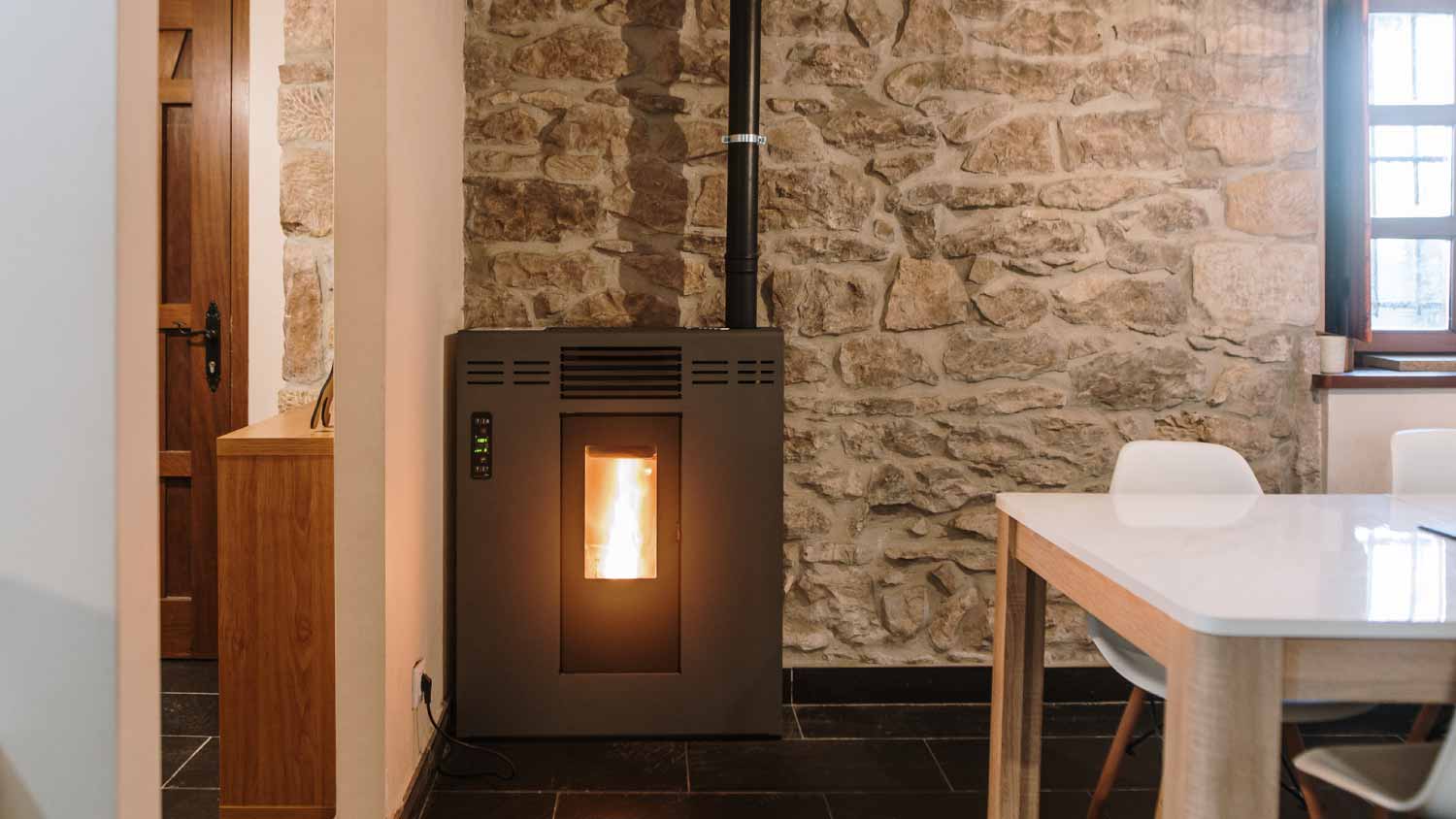
What is a pellet stove? We explore this alternate heating source and how it offers efficient, eco-friendly heating for homes.

If you’re interested in alternative heating options, you need to see our pellet stove pros and cons. Get the right heater for your home.
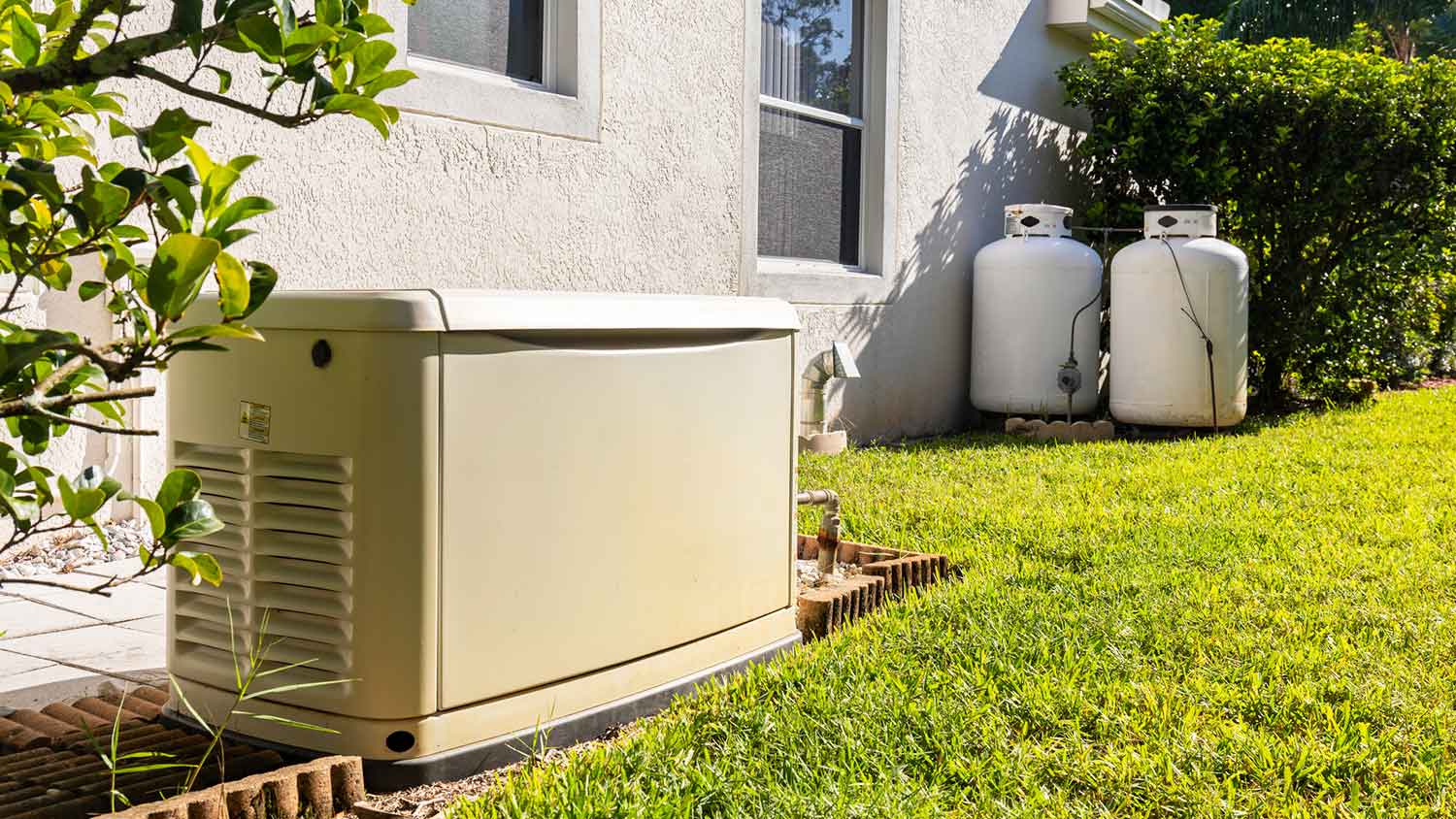
If you’re investing in a large power alternative for your home, it deserves the right fuel for your job. Here are the top options for a whole home generator.
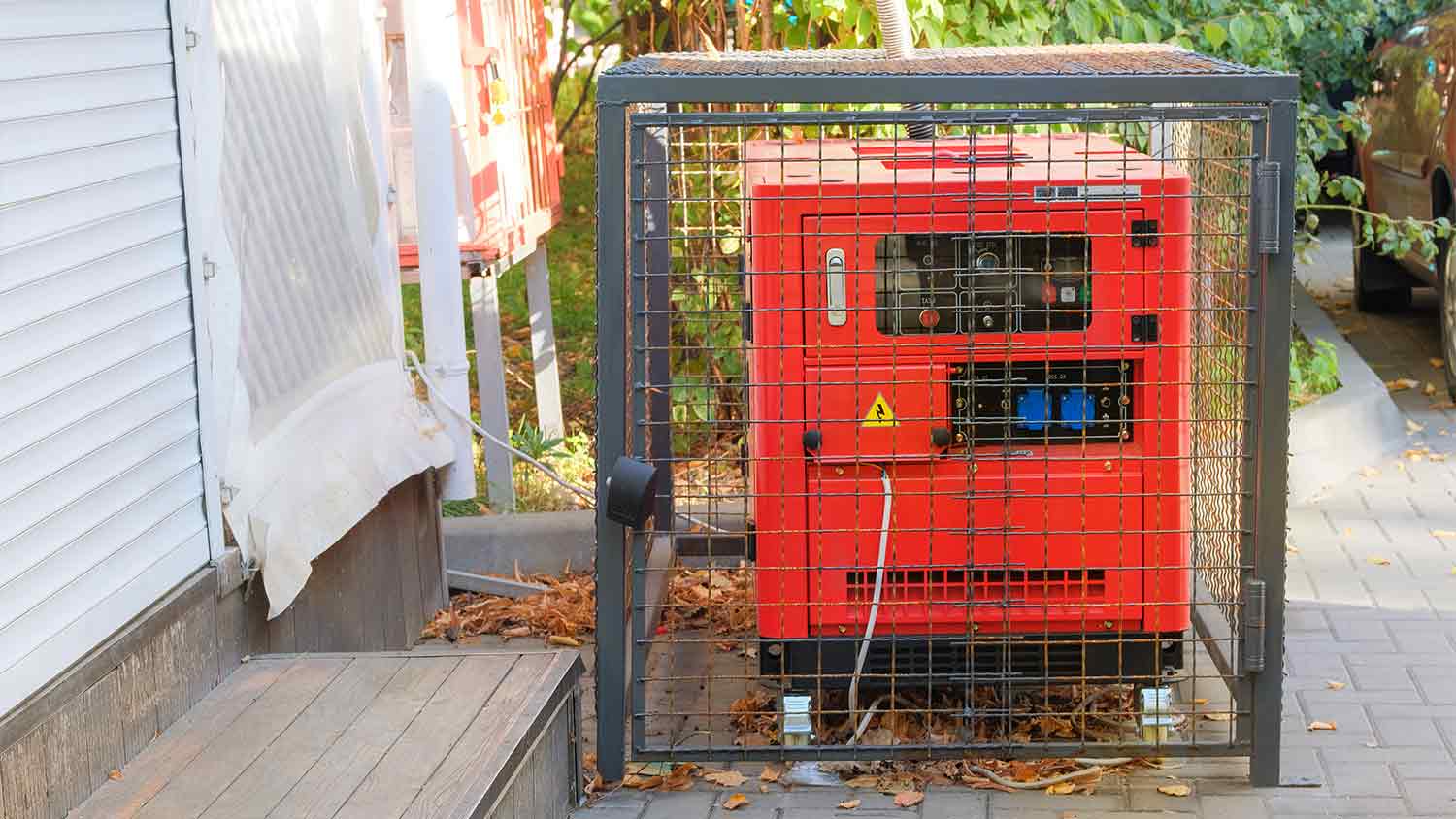
Diesel remains a popular fuel option for a variety of home generators, but you will need to plan your maintenance carefully. Here’s how it works.