
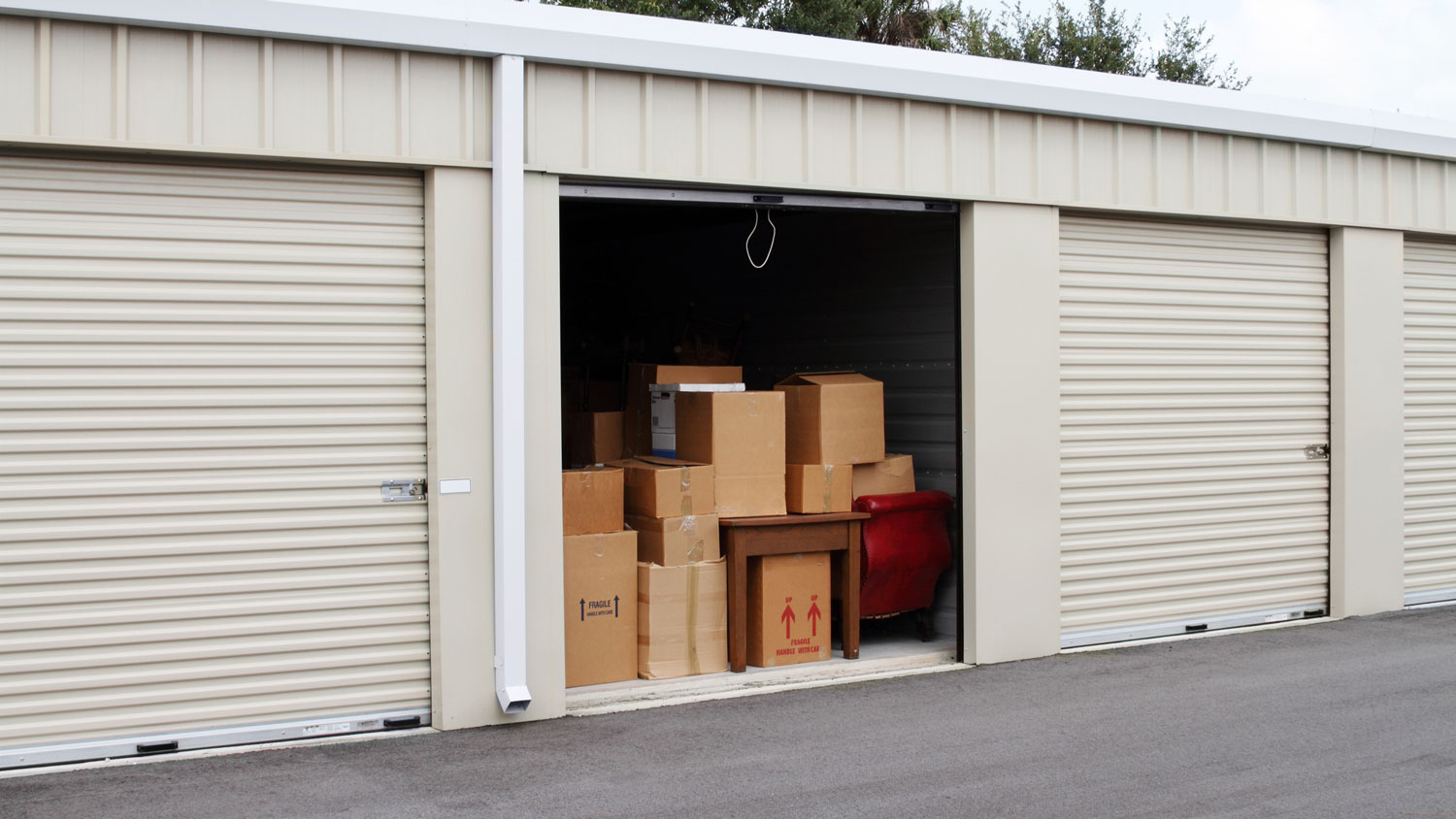
Learn about storage unit cost based on the size, type, and features you need to safely keep your household and other possessions.
Storage facilities come with risks that you can avoid with proper preparation and coverage

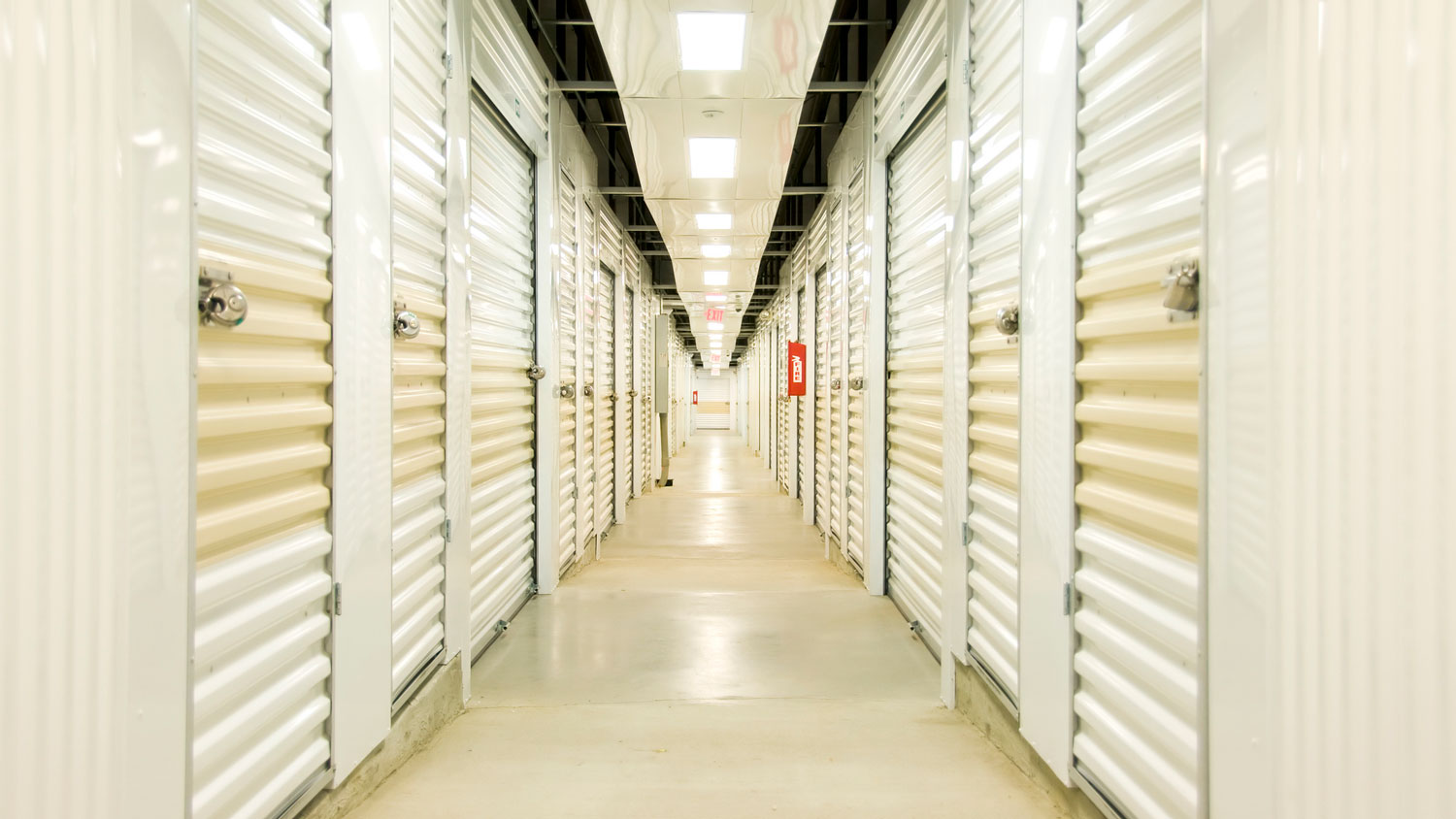
Storage unit safety depends on choosing a facility with climate control to prevent mold, solid fencing and lighting, and digital surveillance with access codes.
Your belongings stay safer when you select an indoor unit, bring your own disc or cylinder lock, and buy insurance that covers items in storage.
Keeping a detailed inventory with clear photos of everything you store helps you file accurate insurance claims and track your belongings over time.
Hiring a local moving company provides reliable support for packing fragile items and transporting belongings to your storage unit, reducing strain and saving you time.
If your home is feeling a little more crowded these days, you may be considering keeping some things in a storage unit or storage vault. Many rely on these units to clean up clutter or to help smooth the process of moving from one home to another. However, when you put your personal belongings in the care of a storage company, you may wonder how well they’re protected.
Before you sign a contract, we’ll help you understand the risks involved and the steps you can take to protect your property.
While locked rental storage units may seem like a safe place to store your belongings, there are many ways your property could be at risk while in storage.
If the structural integrity of a storage unit is compromised, water may be able to enter and cause damage to your property. A leaky roof during a rainstorm can cause damage from above, while rising groundwater or an overflowing sump pump can bring in water from below.
Even without heavy rains or flooding, the presence of moisture can lead to the growth of harmful mold or mildew. Units lacking in climate control features, such as air conditioning, are particularly susceptible to mold buildup, which can cause irreversible damage to your property.
Neglect from facility managers can lead to a host of problems. If pests such as rodents or insects are not dealt with, they can enter your unit and destroy your belongings. Burglary is another common issue, typically resulting from a lack of advanced security measures.

If you need storage, the best way to reduce those common risks and protect your belongings is to look for a self-storage company that provides tenants with some or all of the following security features.
If you’re able to shop around, try to select a facility based on not just convenience but safety. If you need to drive further to store your property in a safer facility, you should do so. Look for a fully fenced building with both exterior and interior lighting that is either always lit or motion-activated. Make calls to facility managers and ask the following questions:
Is access restricted to tenants and employees only?
Do you require a unique access code at gates and doors?
What does your surveillance system consist of?
When asking about surveillance, the ideal setup is 24-hour digitally stored video surveillance. This method is superior to videotape storage, offering higher video quality and a reduced risk of a lapse in coverage. Cameras should be placed strategically throughout the entire facility, not just at the entrance. Keypads with unique access codes are another great way to keep non-tenants out.
Especially if you live in an area that gets humid, you’ll want your unit to be climate-controlled to prevent mold buildup. Ask if you can control the temperature yourself or if it’s centrally managed. You may be able to pay more to have your own thermostat, which is useful if you’re storing sensitive items.
Look for a well-maintained facility that is clean and regularly inspected. If you can see broken fencing or locking mechanisms, chances are that potential thieves can as well. Ask to see the facility’s pest control contract and inspect the unit you will be using to ensure that it cannot be infiltrated by water.
Finally, it’s worth knowing the best practices that employees at your facility follow. For example, they should never keep a key to your secure storage unit on hand unless you authorize it. Instead, they should be doing daily checks on your unit to ensure that it’s properly locked and give you a call when it isn’t.
Even with all those security features, there are still steps you should take as a tenant to protect your property while it’s in storage. Here are some tips to help you pick the right storage unit for your needs.
Choose an indoor unit. A unit inside a building is generally safer than an outdoor storage unit.
Bring your own lock. Choose a disc or cylinder lock that’s resistant to bolt cutters.
Don’t give out your code or key. You also shouldn’t tell anyone what you’re storing.
Purchase insurance. Choose a homeowners’ or renter’s policy that covers the contents of a storage unit, even if your facility doesn’t require insurance.
Only store what insurance will cover. Check with your provider if you’re unsure.
Never store irreplaceable valuables. Insurance can’t cover the sentimental value.
Keep an inventory. Write down everything you store to help with insurance claims.
Take photos. Keep a clear, well-lit photo record of everything in your storage unit.
Before signing a contract, know the storage facility’s policies regarding losses from damage or theft on their premises. Review the contract to learn how they respond to fires and other disasters. In many cases, storage companies will clearly state that they cannot be held responsible for damage to your stored belongings.
Storage facilities often allow you to take a risk and store your belongings without requiring insurance coverage. However, if the facility does not guarantee the safety of your possessions, you should purchase insurance. Some facilities offer tenant insurance on top of the cost to rent storage, but it tends to be less comprehensive than what you’ll find elsewhere.
Call your insurance company to determine what’s covered under your existing homeowners’ or renter’s insurance policy. You specifically want coverage for personal property off the premises of your insured home. If you don’t have either type of coverage, contact an independent insurance agent to help you find the appropriate coverage for your needs.
Covered events typically include theft, fire, and weather-related disasters, but you should clarify those terms with your agent. If needed, you may need to purchase additional coverage for damage or losses caused by floods, earthquakes, mold, mildew, vermin, or negligence.
Finally, know whether your policy protects actual cash value or replacement cost. Actual cash value policies only cover the depreciated value of the property. Replacement cost policies tend to cost more but will pay to replace your items in full. Keep in mind that sentimental value can’t be accounted for, so you shouldn’t store photographs or memorabilia that you can’t replace.
My furniture was delivered today, and the whole move went smoothly. The final cost matched the original quote with no extra charges. The movers were friendly, professional, and handled everything with care. Even after the long distance, everything arrived in perfect condition. I’m very happy...
 Moving of America
Showed up on time and cleaned carpets well, but didn?t move furniture.
 Voda Cleaning & Restoration of Columbus
A reliable team for moves across state. My switch to a new place needed careful lifting through tight hallways. The movers checked the doorway first, then carried heavier pieces with slow, controlled movements. Their patience helped prevent damage, and I?d choose them again.
I could not have moved without the help of Jen Stover! I was in my house for nearly 20 years, so the thought of clearing it out while working full time was overwhelming. Jen takes great joy in sorting and organizing while asking the hard questions with patience and compassion. Jen is...
 Go and Stow Home Organizing
Excellent experience for me! They helped me a lot with my move. very reasonable price. Good communication with the office manager is excellent.
 Goodview Moving and Storage
This moving company is the best in Columbus, Ohio! They rescued me when my movers didnâ t show up. Do not ever use Plane Movers! They never showed up for my move, claiming that I never signed the contract. They didnâ t call me to follow up, communication was awful. The people that work for...
 All My Sons Moving & Storage
Ozie and Tyquese were great and worked fast. It was a good move
 All My Sons Moving & Storage
Just moved from PA to Columbus in a studio apartment and needed help with some heavy furnitures because I couldn't do it alone. I called Hyremovers and they did a great and timely job and also left my apartment walls intact. Great service!
From average costs to expert advice, get all the answers you need to get your job done.
Learn about storage unit cost based on the size, type, and features you need to safely keep your household and other possessions.
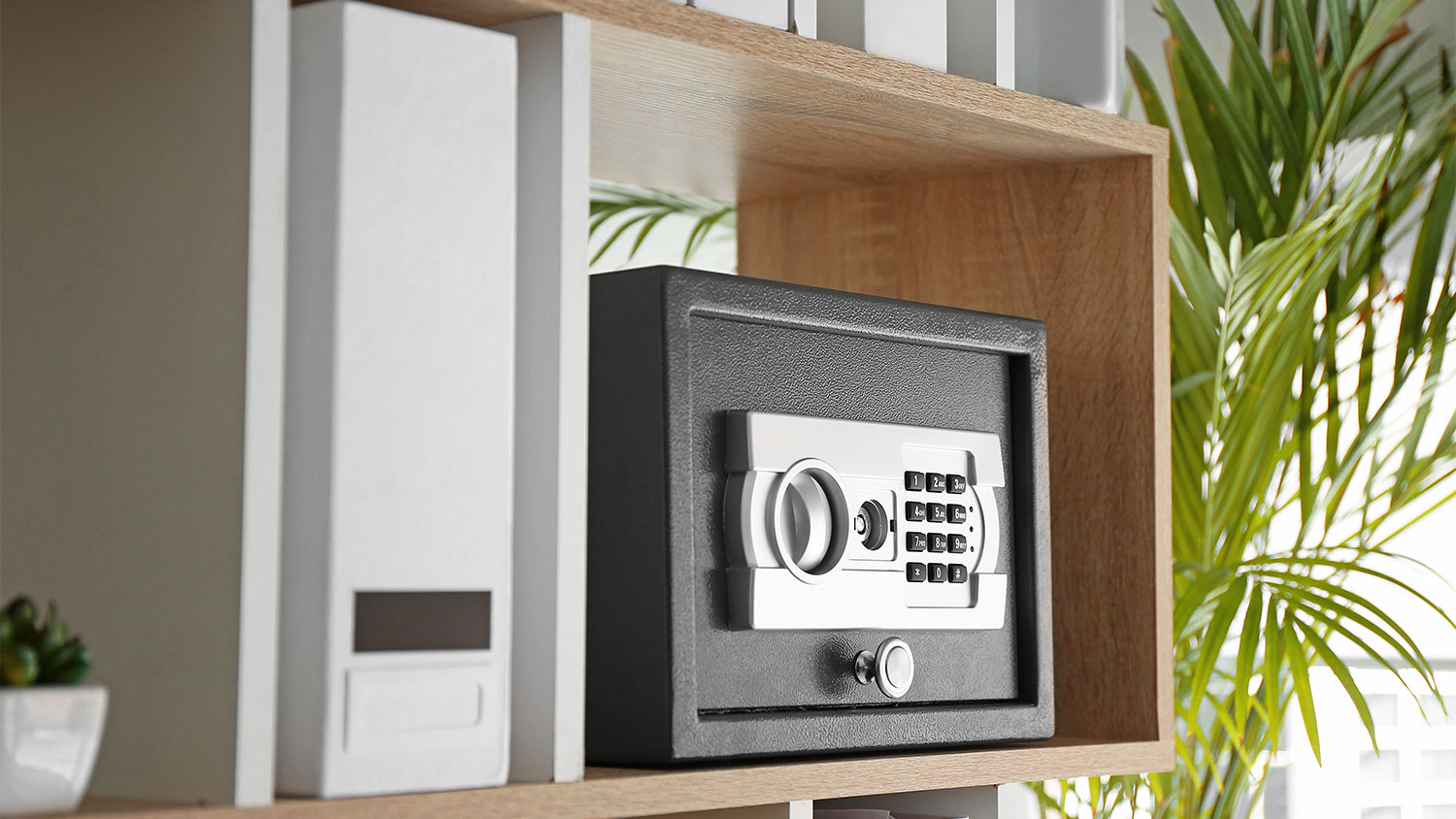
How much does a safe cost? Discover average prices, installation fees, and key cost factors to help you choose the right safe for your home.

Discover wall safe installation cost details. Learn about average prices, key cost factors, and tips to save on your wall safe project.
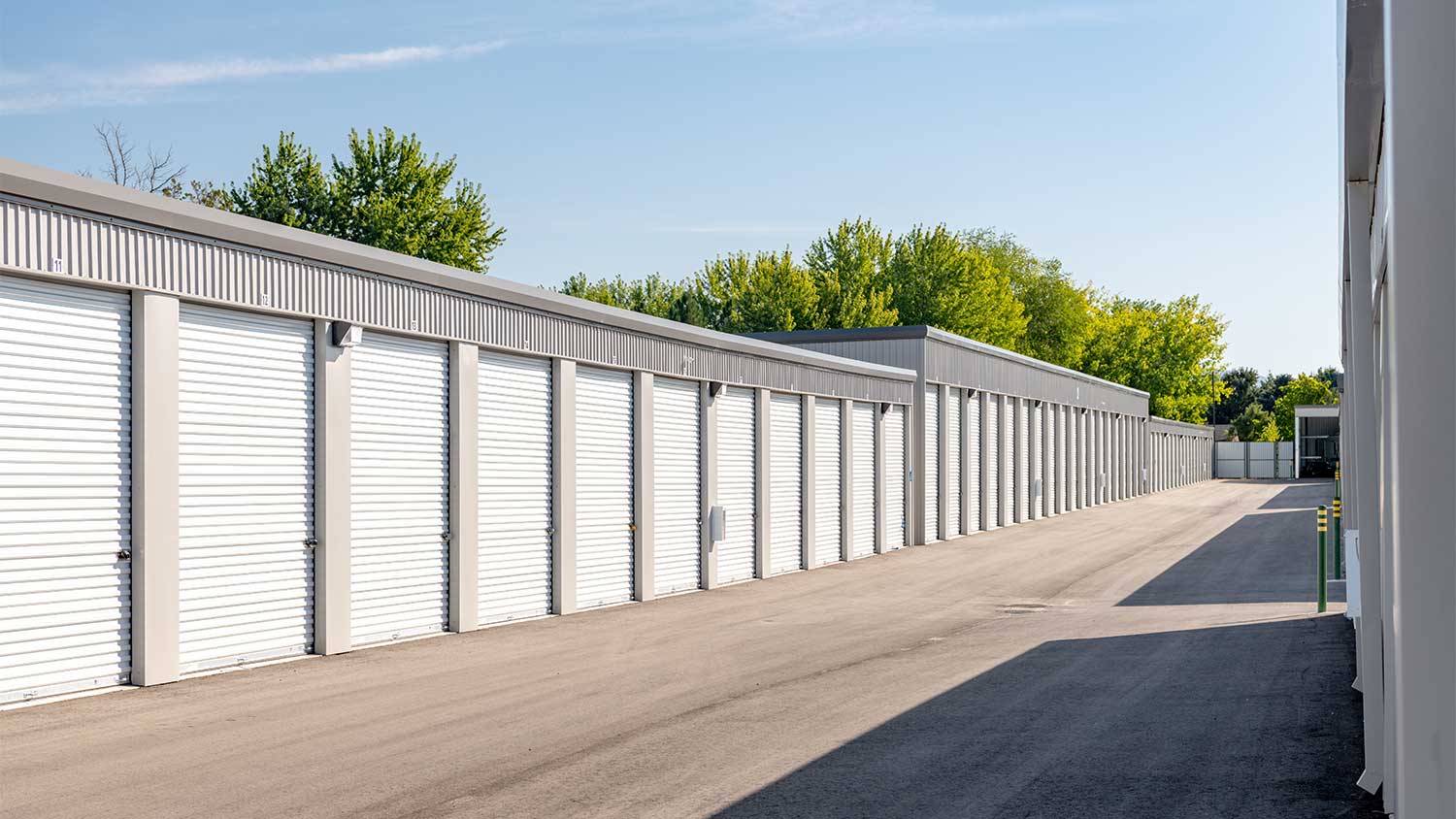
When shopping for a storage unit, you want one that meets your needs in terms of size, cost, security, and more. Here’s how to assess a storage unit.
Portable storage rentals have created new options in the self-storage and moving markets. We explore how they compare to traditional storage units.

Learn how to securely pack your furniture, clothing, and kitchenware for long-term storage, as well as how to pick a storage unit for your goods.