

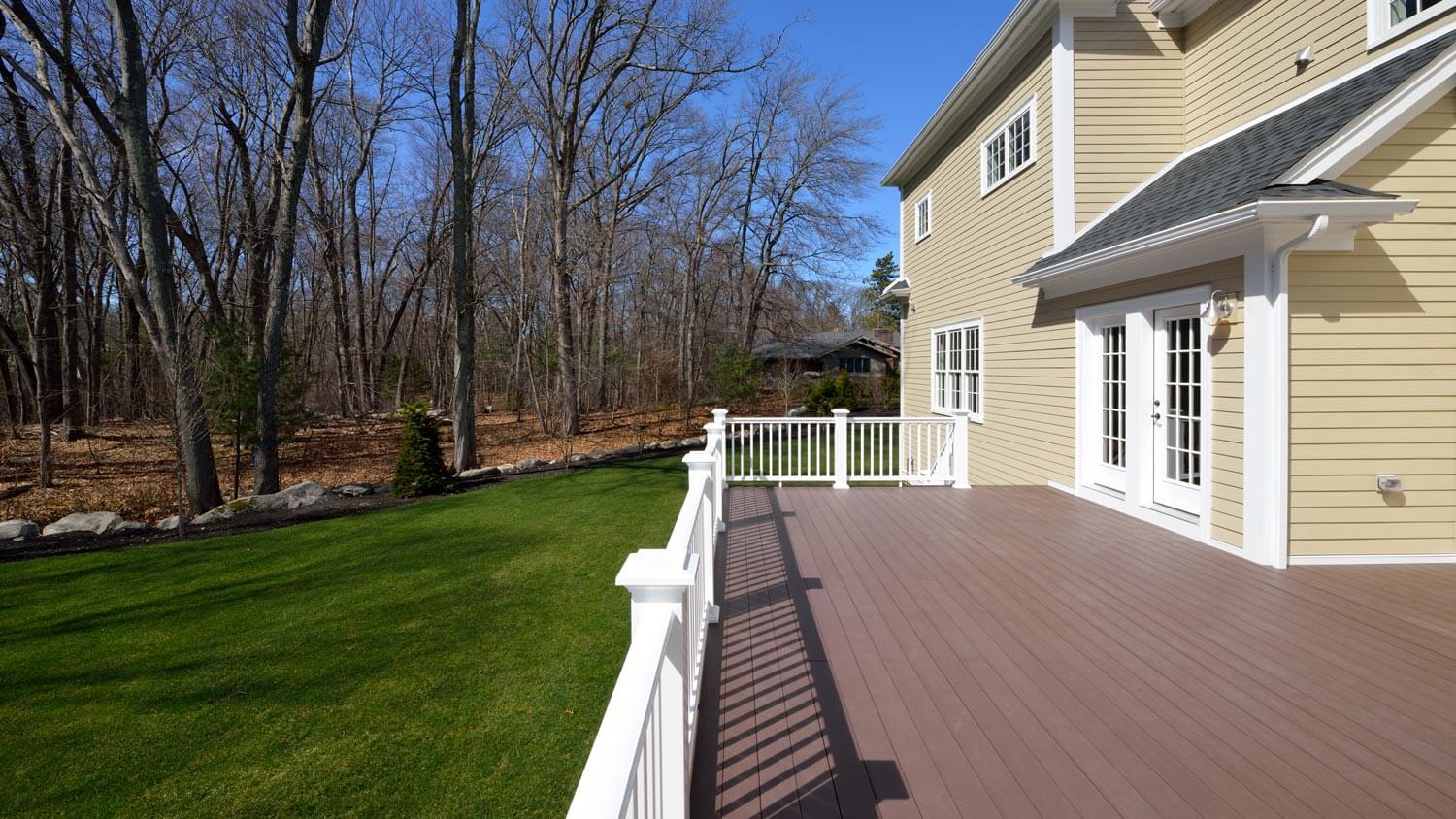
Building a composite deck can increase your home’s appeal and value. Composite decking costs depend on the size of your deck, the materials, labor, and more.
Deck and porch service costs depend on your project and location. Check with a local pro for your specific job.


Vinyl deck installation ranges from $300 to $7,500 for up to 400 square feet, depending on your size.
Your deck design and site conditions drive labor needs, and second-story builds require more work than ground-level decks.
You should budget for land leveling at $500 to $4,500, plus extra costs for framing and tree removal.
Hiring a local deck building professional ensures your vinyl deck meets code and supports curb appeal and resale value.
In 2026, the national average cost to build a vinyl deck is $3,600. Most homeowners spend between $400 and $5,200, with the final cost driven by deck size, site conditions, and whether you need a ground-level or elevated build. Vinyl is a low-maintenance decking material, so while upfront costs vary, you'll spend less over time on upkeep.

Your vinyl deck cost depends on several factors, with deck size and land conditions being the most significant drivers of your final price. Here's a breakdown of how each cost factor can affect your vinyl deck budget.
Vinyl decking materials average $5 to $13 per square foot, making size the most direct lever on your total project cost. Costs vary significantly by deck dimensions, as shown in the breakdown below.
| Deck Size | Average Cost in 2026 |
|---|---|
| 8’x10’ (80 square feet) | $400–$1,040 |
| 10’x10’ (100 square feet) | $500–$1,300 |
| 10’x12’ (120 square feet) | $600–$1,560 |
| 12’x12’ (144 square feet) | $720–$1,880 |
| 12’x16’ (180 square feet) | $900–$2,340 |
| 12’x20’ (240 square feet) | $1,200–$3,120 |
| 6’x16’ (256 square feet) | $1,400–$3,640 |
| 14’x20’ (280 square feet) | $1,600–$4,160 |
| 12’x24’ (288 square feet) | $1,280–$3,330 |
| 16’x20’ (320 square feet) | $1,440–$3,800 |
| 19’x19’ (361 square feet) | $1,805–$4,693 |
| 20’x20’ (400 square feet) | $2,000–$5,200 |
| 20’x24’ (480 square feet) | $2,400–$6,240 |
| 23’x23’ (529 square feet) | $2,645–$6,880 |
| 20’x29’ (580 square feet) | $2,900–$7,540 |
Sloped yards and overgrown sites add meaningful prep costs before a single vinyl board goes down, with the cost to level a lawn for a deck ranging from $500 to $4,500 depending on the slope and deck size. If another structure occupies the build site, the cost to clear the land runs $250 to $2,800 per half-acre. Any trees in the area add further expense, since cutting down a tree costs $200 to $2,000 based on the tree's size and density.
Labor typically accounts for roughly 35% of your total vinyl deck cost, with most contractors charging $15 to $35 per square foot. Hiring professionals who specialize in vinyl decking is worth the investment, as they bring the skills, tools, and experience to work efficiently, safely, and catch potential issues before construction begins.
| Labor Type | Average Cost in 2026 |
|---|---|
| Per square foot | $15–$35 |
| Share of total project | 35% |
Deck framing typically costs $9 to $12 per square foot and is usually constructed from lumber to create a solid, load-bearing foundation for the vinyl decking boards above.
| Deck Frame Type | Average Cost in 2026 |
|---|---|
| Per square foot | $9–$12 |
| Total project frame cost | $500–$4,500 |
Building a deck involves more than just laying down boards; it requires a solid foundation, proper support, and adherence to load-bearing requirements to ensure safety and longevity. These structural elements are essential to prevent issues such as sagging, instability, or premature wear and tear.
The deck type you choose has a direct impact on your total cost, with complex designs like wraparound or rooftop decks requiring more materials, labor, and prep than a straightforward first-floor walk-out deck. A second-story deck carries a notably higher price tag due to increased material and labor demands, and costs vary by story as shown below.
| Deck Type | Average Cost in 2026 |
|---|---|
| 10’x10’ first-story deck | $3,000–$6,000 |
| 10’x10’ second-story deck | $3,800–$8,000 |
Building a vinyl deck comes with a handful of recurring costs to plan for beyond the initial installation. The sections below cover the most common ongoing expenses for this type of project.
Vinyl is one of the best decking materials for homeowners who want minimal upkeep, requiring little more than occasional cleaning to stay in good shape. Budget roughly $0.10 to $0.50 per square foot annually for the cost of pressure washing, or rent a pressure washer yourself for around $75 per day to keep costs down.
Adding a vinyl deck can trigger a property tax increase depending on your locality, so it's worth reviewing your local tax and building codes before breaking ground to understand what your bill might look like.
A new vinyl deck adds value to your home as an asset, which can raise your homeowner's insurance premiums. Contact your insurance provider before the project is complete to understand how your current plan will be affected and what your new monthly rate might be.
As your vinyl deck ages, repair costs are worth factoring into your long-term budget, with the average cost of deck repairs running around $2,100 depending on the nature and extent of the damage. Common repairs range from railing fixes to full board replacements, and costs vary by repair type as shown below.
Replace deck railing: $35 to $210 per linear foot
Repair loose stairs: $100 to $300
Remove mildew and rot: $200 to $500
Deck board replacement: $500 to $4,000
Several add-ons can enhance your vinyl deck's functionality and appearance, each carrying its own cost depending on the feature and scope. Here is a breakdown of common add-on costs to consider for your project.
Cost to build a pergola: $2,100 to $6,000
Desk staircase cost: $15 to $25 per square foot
Cost to install an outdoor outlet: $130 to $300 per outlet
Outdoor lighting fixture prices: $8 to $30 each
Patio heater costs: $100 to $300
Retractable deck awning costs: $1,500 to $3,500
Gazebo costs: $2,800 to $9,900
Outdoor misting system: $1,800 to $3,100
Propane fireplace: $300 to $700
Concrete walkway costs: $1,200 to $2,400
Want to cut down on costs for your deck-building project? Consider these money-saving tips:
Compare quotes from at least three different contractors to find the best deal.
Consider building during off-peak months for seasonal discounts.
Keep the deck size small to reduce costs for materials and labor.
If you have carpentry skills, consider DIY prep or partial installation.
Complete preparatory tasks like clearing the area, removing old structures, or site preparation to reduce labor costs.
Perform routine inspections to spot structural issues before they require expensive repairs.
Building your own vinyl deck can save you roughly 35% off your total cost. However, learning how to build a deck isn’t easy if you don’t have prior carpentry experience. Missteps can lead to costly repairs, structural issues, and a deck that doesn’t last nearly as long as its professionally constructed counterpart.
If you lack the proper tools and experience, it’s best to leave this project to a local deck builder to ensure you get a beautiful vinyl deck that will last for years to come.
Installing a vinyl deck requires specialized tools and expertise. Here’s why it’s best to hire a pro for the job:
Professionals know how to prevent problems like warping, uneven surfaces, and structural issues.
Hiring a pro ensures your deck project complies with local building codes and safety regulations.
DIY installation can lead to property damage, injury, and costly repairs.
A professionally installed vinyl deck can boost your home’s curb appeal and resale value.
If you want to help out with the project, consider taking on the following tasks:
Clear outdoor furniture, trees, and landscaping from the work area
Paint or stain railings after the job is complete
Assist with minor landscaping around the deck
Place furniture, planters, and decor around the deck after installation
Be prepared to discuss your deck size, design, and frame type with your pro.
Let your pro know about the condition of your lawn so they can determine the prep work required.
Ask about upgrades like built-in seating, lighting, and railings.
Explain any landscaping concerns, obstacles, or nearby fencing that could affect the complexity of the installation.
Home is the most important place on earth, which is why Angi has helped more than 150 million homeowners transform their houses into homes they adore. To help homeowners with their next project, Angi provides readers with the most accurate cost data and upholds strict editorial standards. We extensively research project costs to develop the pricing data you see, so you can make the best decisions for you and your home. We rely on reputable sources, including the U.S. Bureau of Labor Statistics, academic journals, market studies, and interviews with industry experts—all to ensure our prices reflect real-world projects.
Want to help us improve our cost data? Send us a recent project quote to [email protected]. Quotes and personal information will not be shared publicly.
One of my old tall evergreen trees was suddenly leaning toward the busy street in front of my house. I submitted a request for an emergency tree inspection, and Alejandro, owner of Cajete Tree Service, contacted me immediately and arrived to look at it just 20 minutes later. We agreed the...
 Cajete Tree Service LLC
Mitchell and the crew were top tier i am so happy with my new roof
 Home Genius Exteriors
1 tree was cut down and 5 others including a large willow tree were trimmed. The Grant Tree Service men were professional and cleaned up afterwards. The cost of the 6 trees were affordable. I am very happy with the results. I would hire them again.
 Grants Tree Service
Archie did a good job cleaning up the driveway before he laid down the sealer. It looks good. He was gracious and even helped me bring up my groceries. His rate was comparable to another company who came out to give me a quote and he talked to me personally rather than just text me a quote...
 Pro Seal Roofing & Paving
We have bought and sold numerous times over the past 50 years. Sherman Hall and Top Line are top notch. Thorough and detailed, he explains every possibility, probability, and eventuality. High class and pleasant. The best.
 Top Line Home Inspections, LLC
D1 Roofing delivers outstanding service from beginning to end, backed by a strong warranty and expert teams. I highly recommend them for their excellence in meeting and surpassing expectations with unmatched communication. Choosing D1 Roofing was flawless decision
 Division 1 Roofing LLC
Supreme Brick & Chimney did an excellent job restoring the brick and mortar joints on my home. Their team was professional, knowledgeable, and completed the work on time. I highly recommend them and will hire them again in the future! Thanks!
 Supreme brick & chimney
Window Depot did an amazing job on my deck. I wasnt sure what I wanted to do, but their composite decking was affordable and will last a long time. I am excited to have family over, and I am no longer embarrassed by my backyard. Jeff and the ground crew were polite, respectful, and caring for...
 Window Depot USA of Central Ohio
We were having 2”x 2” tile installed . There was a small installation error and the new additional replacement tile was from a different lot and the colors didn’t match. Joe assured us that he would rectify everything , which he did without hesitation. We decided to go with the 18” x 36” tile...
 CarifaTile
Maple Tree Service should serve as a mentor for other business! Customer service was superior and beyond expectation. Response to request was prompt. The representative was very courteous and proud of the company. Quote was given during initial visit and work date established. A follow up...
 Maplewood Tree Service
From average costs to expert advice, get all the answers you need to get your job done.
Building a composite deck can increase your home’s appeal and value. Composite decking costs depend on the size of your deck, the materials, labor, and more.
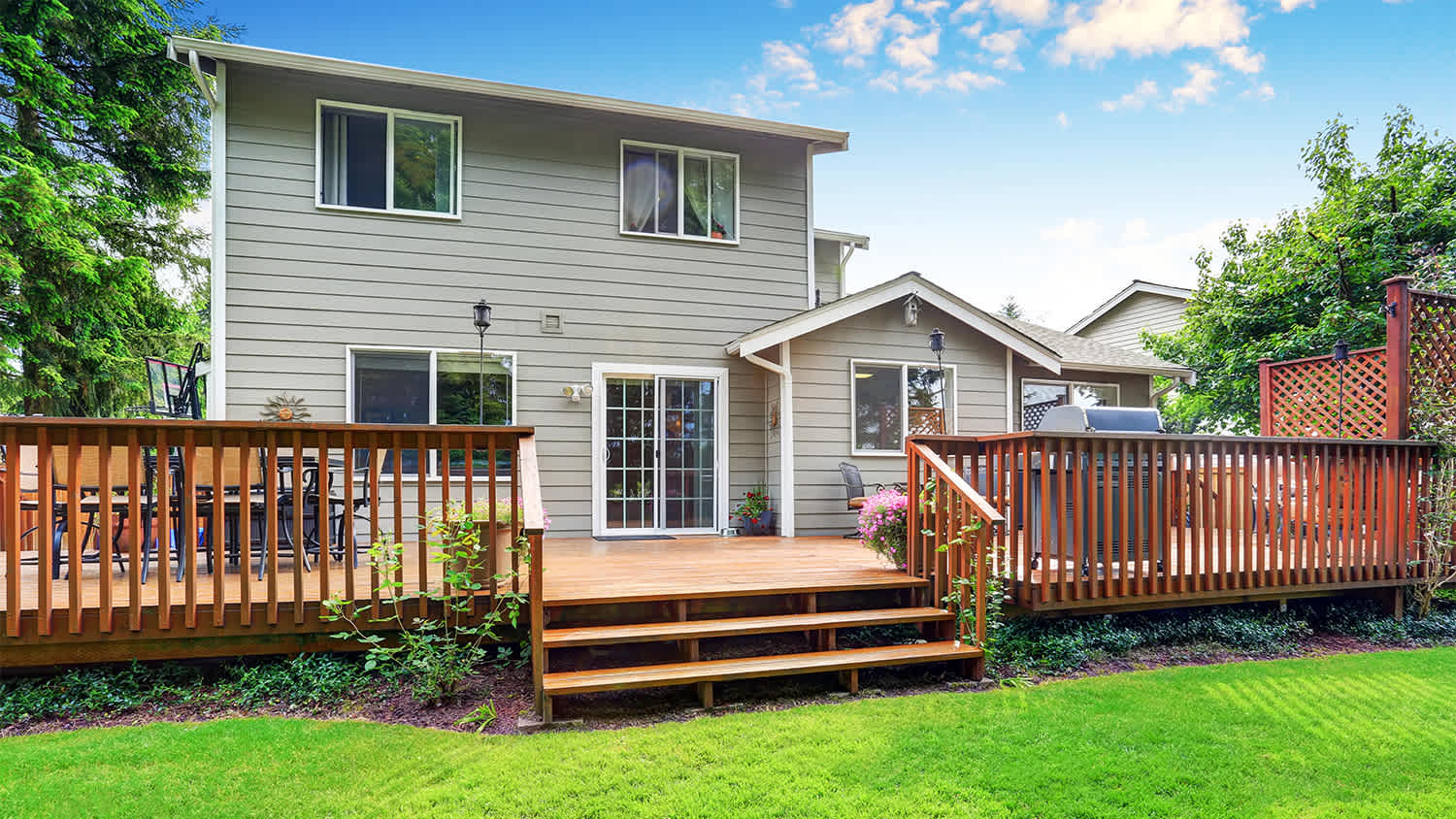
Discover mahogany decking costs and learn about material, labor, and installation factors to budget your new deck project with confidence.
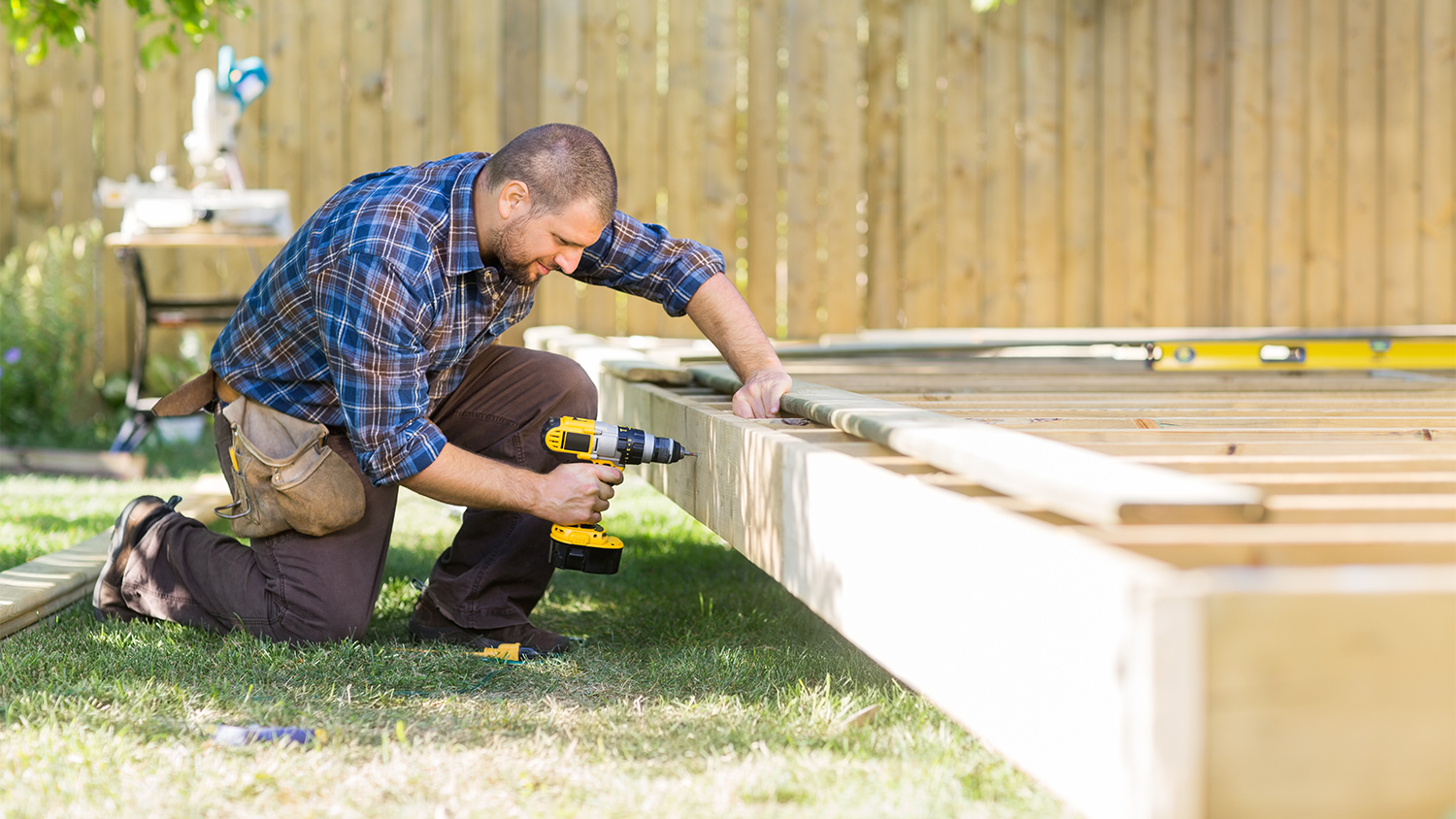
Discover floating deck cost estimates, including average prices, installation factors, and ways to save. Learn what impacts your floating deck cost.
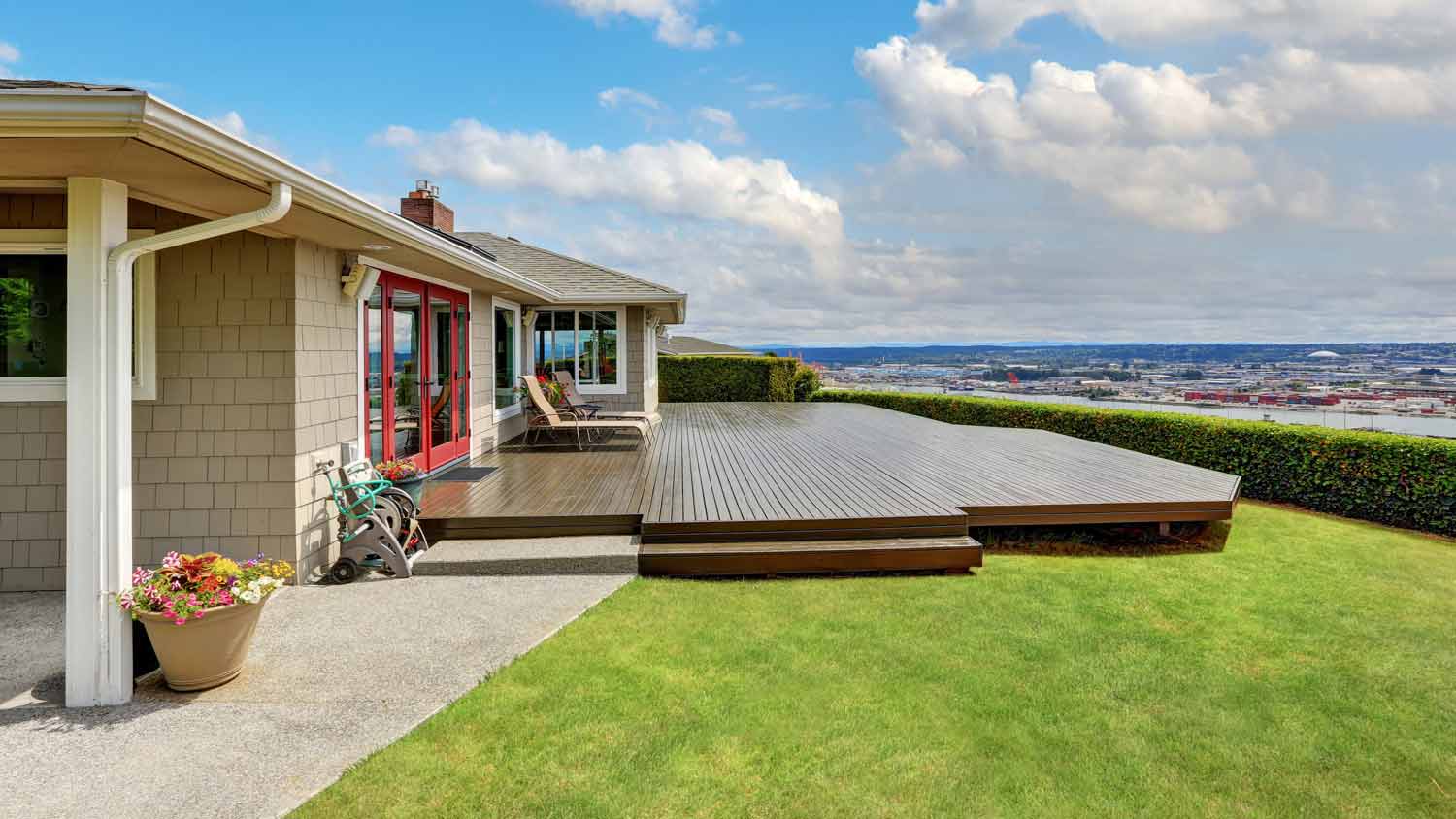
When planning an outdoor oasis, there are many types of decks to consider. This guide explores popular materials and styles to help you pick the best one.
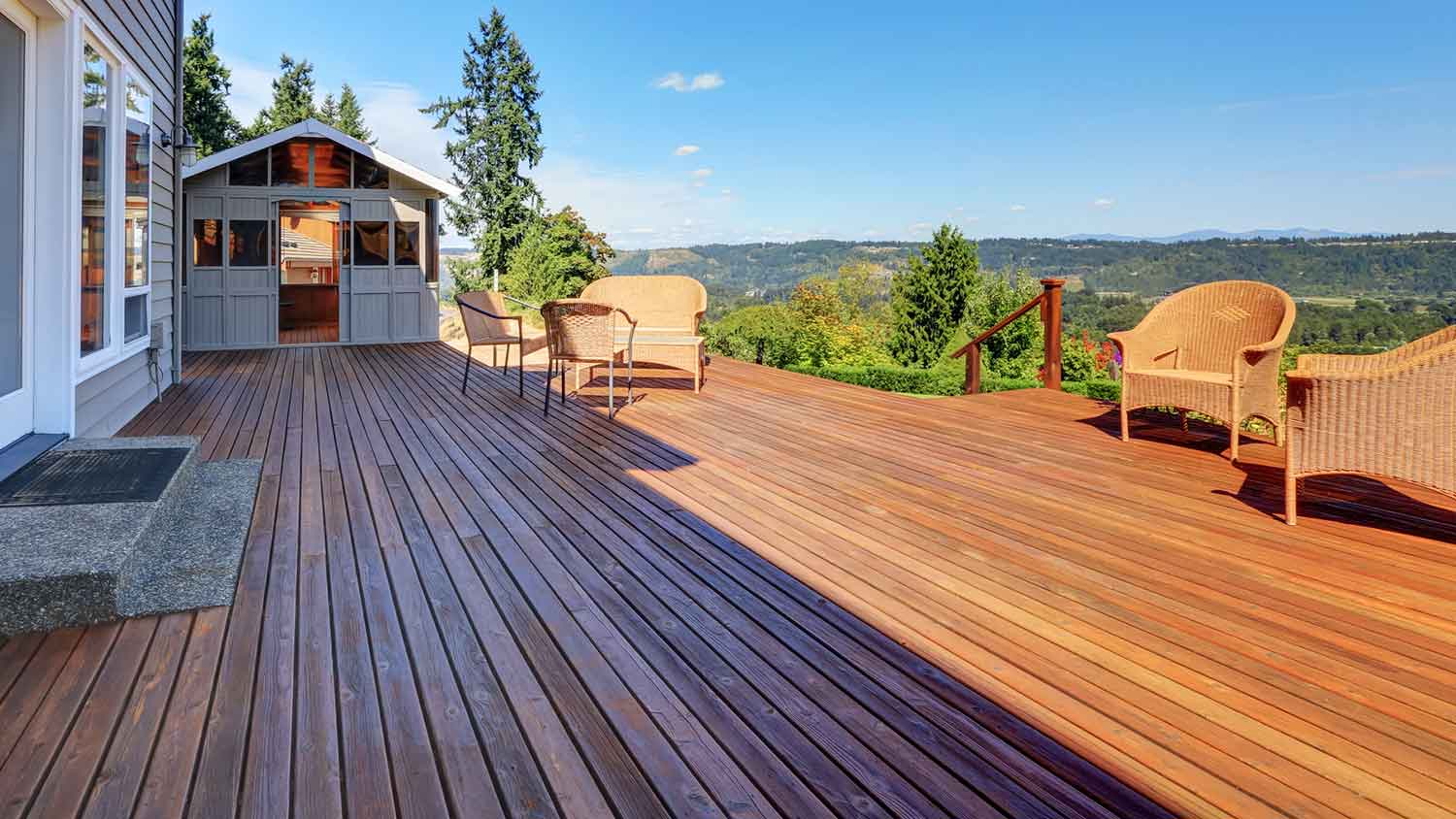
Discover redwood deck costs, including average prices, installation factors, labor rates, and tips to save on your new deck project.
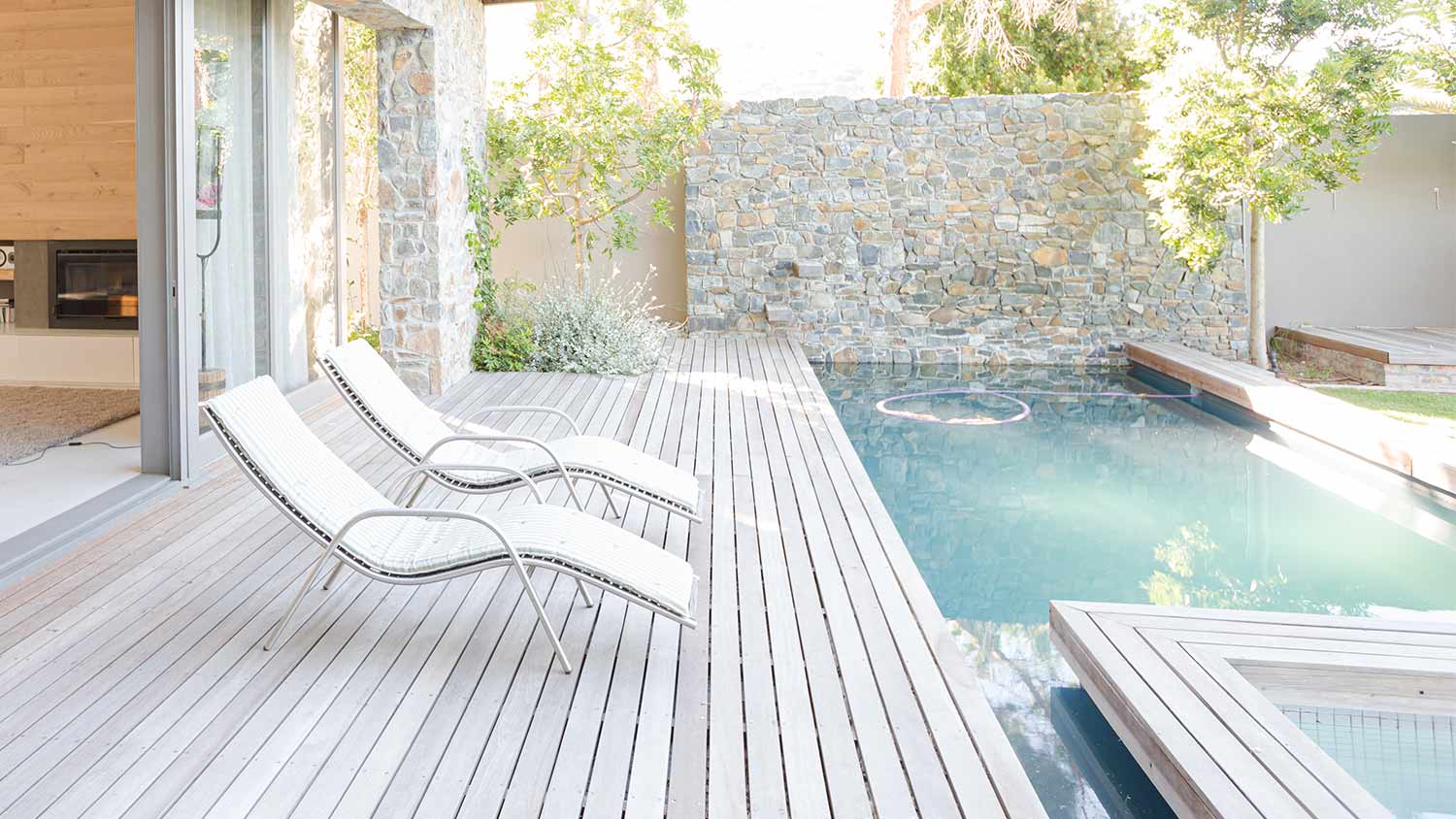
Trying to calculate your pool deck cost? Our guide walks you through both inground and above-ground pool deck cost factors, such as material, location, and labor rates.