
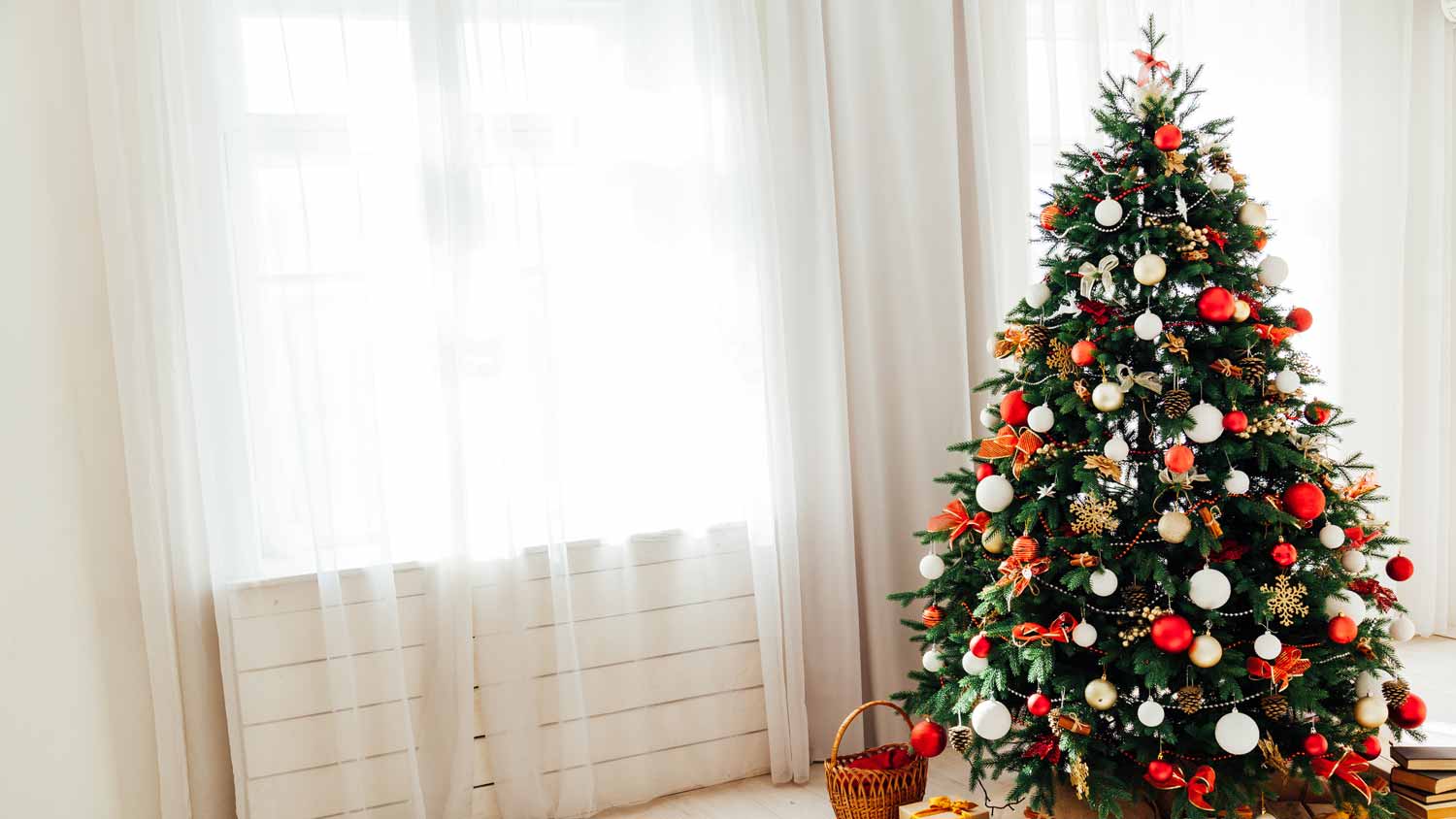
If you're dreaming of rocking around your—professionally decorated—tree this season, this is how much a Christmas tree decorating service will cost you.
Don't be afraid to branch out from your usual Christmas tree style

The best kind of Christmas tree for your home depends on your decorating style, whether you prefer strong branches for heavy ornaments or soft needles for families with kids.
Christmas tree prices range from $50 to $300, depending on the type and size you choose, and prices drop when you wait closer to Christmas.
Check needle retention and branch strength when selecting your tree, and water it consistently to prevent early drying and keep your home safe from fire hazards.
Hiring a local holiday decorating professional provides helpful guidance on tree selection and takes care of setup, so your holidays stay stress-free and festive.
Picking a Christmas tree might seem straightforward, but the wide variety of options to choose from makes the process surprisingly challenging. From white spruce to Fraser fir, even the best tree type for Christmas comes with a handful of pros and cons worth considering before deciding to hang your ornaments on it.
This list will help you better understand what to ask for on your trip to the Christmas tree farm, whether you’re looking for something tall and full, short and slender, or fragrant enough to make your entire home smell like a forest.

Firs are one of the most popular types of Christmas trees. You can identify fir trees by their unique grouping of needles, which grow directly from the branch and are shaped like suction cups at the base. That extra support makes their leaves the perfect vessel for hanging both light and heavy ornaments.
These are a few of the most common types of fir trees you’ll often see as Christmas trees.

Balsam firs are a great all-around Christmas tree for people who love that strong, spicy, evergreen scent. The needles are round, soft, and dark green—exactly what comes to mind when you think of a classic Christmas tree.
This tree also isn’t a big shedder. While you’ll still need to pull out the vacuum more than you would with an artificial Christmas tree, balsam firs generally have stellar needle retention compared to other types.

Out of all the real Christmas tree types, Fraser firs are often considered the ideal for holiday decorating—especially if you believe more is more. They’re even a favorite in the White House. So what’s the appeal?
These trees have a classic evergreen scent that will stick around the whole season, but their strong branches are the main draw. They’re set slightly apart, allowing your heaviest ornaments to take center stage. They’re also great for families with kids: The soft, silvery-green needles won’t poke small hands trying to help.

According to the National Christmas Tree Association, Douglas firs have been one of the top Christmas tree species in America since the 1920s. Back then, they mostly came from natural forests rather than farms, but today, you can even get one from a big box hardware store during the holidays.
Douglas firs have the ideal pyramid shape and are renowned for their fullness. The needles are soft and sweet-smelling, protruding from the branch in all directions—but a little finicky. If this tree doesn’t get enough water, it will start dropping needles fast.

Can’t choose between a Fraser and balsam fir? Get a Canaan fir. This up-and-coming Christmas tree type is slowly gaining popularity because it has strong branches that are ideal for decorating (like a Fraser fir) with bold, rounded, green needles (just like a balsam fir). The scent is on the milder side, but it does have relatively good needle retention, so there’s less cleanup.

Grand firs are, in no uncertain terms, grand. According to the National Christmas Tree Association, this species can reach 300 feet in height—making it one of the tallest firs at the Christmas tree farm.
While the largest versions of these trees are undoubtedly impractical for a home’s interior, this variety is also one of the most fragrant and distinct. If the holidays aren’t complete without the scent of Christmas trees wafting through your living room, the grand fir is it.

Looking for a large, strong, silvery-blue variety? Try a noble fir tree. Like grand firs, noble firs are tall. They can reach up to 260 feet in the wild—so they’re totally at home inside the foyer of a large office building. Though this is a popular variety for wreaths, the stiff branches lend themselves to heavy ornaments. Never fear a branch snapping and a priceless heirloom bauble crashing to the ground.

Concolor firs (also called white firs) are known for their distinct needles and pleasant, lemony scent. The needles have a frosty, sometimes blue-green tinge. It’s a far cry from the standard rich green of a traditional Christmas tree.
Beyond the unique color, this tree is excellent for homeowners who regularly travel. No water this week? No problem. While you shouldn’t make it a habit, this hearty species is a little more low-maintenance than its fellow fir cousins. However, just remember that dried-out Christmas trees can quickly become a fire hazard.

Though pine trees are perhaps most famously associated with Christmas, they aren’t the most popular variety. These are three of the most common types of pines you’ll see around this time of year.
The needles on this tree grow in bundles rather than individually. While beautiful, this aspect means that these trees can’t typically support heavy ornaments or decorations. And you’ll quickly discover that this type of pine gives off little to no aroma, too.
Scotch pines tend to be the most popular option of the two because their needles are stronger in more ways than one. They’re sturdy enough to provide support to even your heaviest ornaments, and this strength also means they don’t fall off easily. Picking this option can be an easy way to minimize pine needle cleaning sessions this holiday season.

Don’t settle for Charlie Brown’s Christmas tree. Virginia pines are one of the best Christmas trees for decorating small living rooms and apartments. Though their height and branches are shorter than most, they’ve got a twisted look that reads as ultra-bushy. Add in the classic, rich green, and we’re sold.

Unlike firs and pines, which are typically large and densely packed, spruce trees are defined by their whorled branches and scaly bark. Though many spruce options may seem sparse, that’s just a part of their unique appearance.

Though beautiful, this variety of spruce doesn’t last long after harvesting. Without consistent watering, the needles of this tree will begin to fall and dry after just a week or two. If you choose this tree, make sure it’s well into December to ensure a beautiful tree on Christmas morning.

This genus, sometimes known as Colorado blue spruce, is famous for its unmistakable shades of blue and silver, as well as its strong, sturdy branches that are great for holding ornaments. It’s also reliably symmetrical (perfect for photoshoots) and won’t lose its needles easily.

Also known as Canadian spruce, this type of Christmas tree is bluish-green in color and has short, stubby needles that don’t fall off easily. However, its branches aren’t great for hanging decorations. White Spruces also don’t tend to smell great, especially when their needles are crushed or broken.

Cypress trees are popular Christmas trees for two reasons: they’re durable, and they don’t produce sap. The latter is a saving grace for folks who want to get festive but have sap allergies.

With appealing, fan-like branches, it’s no wonder that Leyland cypress is one of the most popular Christmas trees in the Southeast, according to the National Christmas Tree Association. This tree type is one of the best options for people who are sensitive to traditional Christmas trees (despite popular belief, you don’t always need to go artificial).
If you have allergies, this tree doesn’t produce pollen or sap. If the strong smell of pine or fir gives you a headache, this tree isn’t very fragrant. It’s a win-win.

They don’t call it blue ice for nothing. The blue ice Arizona cypress has silvery-blue needles that will set your tree apart from more traditional types of Christmas trees. In fact, they almost look permanently frosted—so, yes, you can have a white Christmas even if you live somewhere that won’t get any snow.
Unlike Leyland cypress, this tree does have a subtly pleasing scent. The only problem is that it’s a rarer variety of Arizona cypress, so you may not be able to find it everywhere.
Even if you’ve decided that a certain type of Christmas tree is the one for you based on looks alone, there are a handful of other factors you should consider to be sure you’re making the best choice. From the size of your ornaments to the day you’re planning to get the Christmas tree, here’s what you should know.
If you’re a fan of heavy ornaments or garlands, you’ll need a tree that can carry those additional pounds and look good while doing it. In these instances, blue spruce and scotch pines have long, strong branches that can bear the extra weight. And if you can’t imagine Christmas without a star at the top of the tree, make sure to choose a type that will hold it in place all season long, like balsam or Fraser fir.
The sooner you get your tree, the sooner it’s going to wilt and dry out. Some prefer to start the Christmas season as soon as Halloween is over. If this is you, opt for long-lasting tree types like Fraser firs rather than ones that will die quickly, like a Norway spruce.
Even these trees will need proper care and watering to ensure they look good when Christmas finally arrives (and to ensure you don’t have to dispose of your Christmas tree before the big day). If you’re not up to the task with all the other things on your holiday to-do list, you might be better off opting for an artificial tree.
Christmas tree prices can range from as little as $50 to as much as $300, depending on the type and size you choose and when you decide to buy it. Odds are, the options at your Christmas tree farm will be more expensive at the beginning of the season when demand is higher, but those prices may fall the longer you wait.
Excellent work, punctual, polite. Strongly recommended.
 DURAJ PAINTING LLC
Custom Paint Jobs LLC made our home feel warm and inviting. Their expertise is evident.
 Custom Paint Jobs, LLC
Visited my home for estimate same day that I called. Painted on Saturday. Great job. Good price!
Window Depot did an amazing job on my deck. I wasnt sure what I wanted to do, but their composite decking was affordable and will last a long time. I am excited to have family over, and I am no longer embarrassed by my backyard. Jeff and the ground crew were polite, respectful, and caring for...
 Window Depot USA of Central Ohio
Excellent experience! Left my place looking great. Friendly customer service too. Would recommend!
Awesome company. Had a jacuzzi tub taken out and replaced with huge walk in shower with partial glass enclosure. Onyx to the ceiling with a decorative border, moved plumbing and installed hand held shower, new ceiling, flooring, and paint. Replaced window with glass block. Everything was done...
 Columbus Bath Design
Danny was extremely pleasant and professional and graciously scheduled an appointment for an estimate on a holiday. Communication leading up to the appointment was very good. his representative was timely and polite. Although we did not end up purchasing painting, I had a very positive...
 Danny's Pro Painters LLC
There isn't much I can add that hasn't already been said about Rhino Painting. Outstanding service and communication from the first phone call through the end of the project, we could not be happier with this company. They painted our kitchen, living room, ceiling, starirwell and wood work,...
 Rhino Painting & Color Consulting LLC
This company is amazing! My garage door broke this afternoon and was stuck in the open position. I couldn't leave with the door open so I called Sanford and Sons because the company was recommended by the manufacture of my garage door motor. Nancy answered the company phone and problem...
Bob arrived within an hour of my calling and was very professional and helpful. He was willing to take a look right away even though it was late in the afternoon (and in the middle of holidays). Fixed the problem. I will definitely use their service in the future. <br />
 My Home Solutions LLC
From average costs to expert advice, get all the answers you need to get your job done.
If you're dreaming of rocking around your—professionally decorated—tree this season, this is how much a Christmas tree decorating service will cost you.
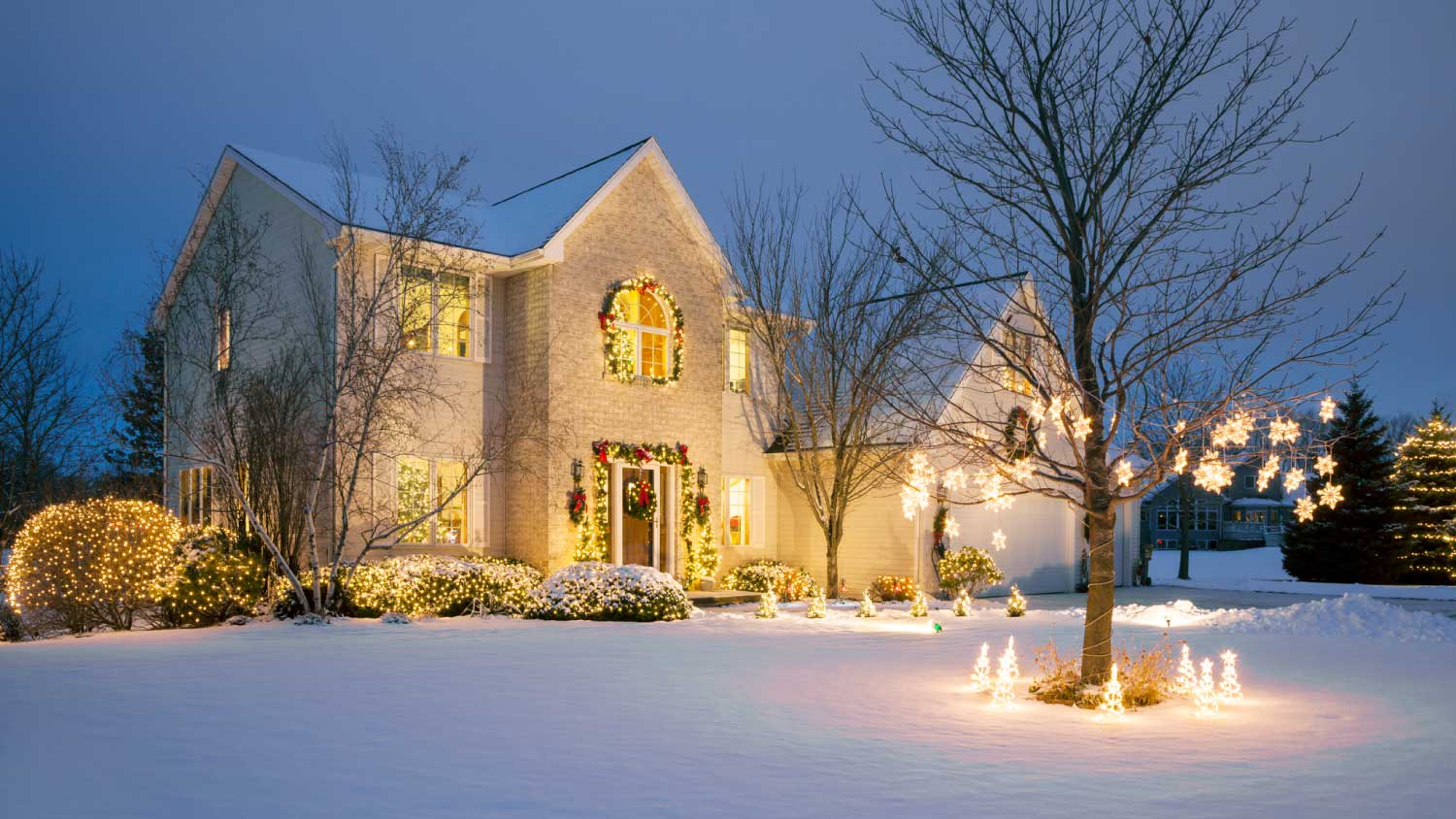
How much does a Christmas decorating service cost? Turn your home into a winter wonderland this year—here are holiday decorating service prices.
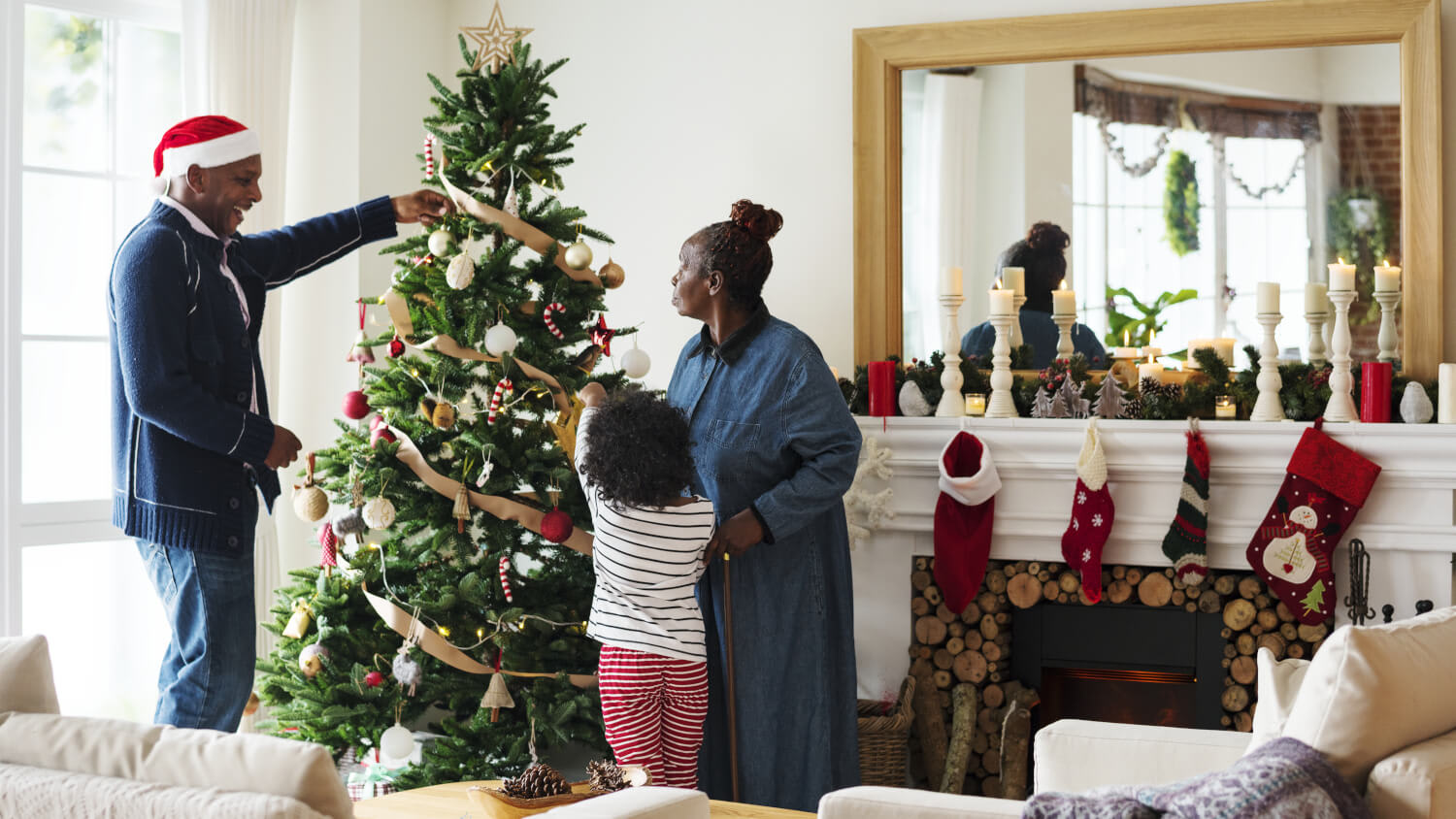
How can you select the perfect Christmas tree for your home? Learn the latest holiday trends and get tips for picking out a tree you and your family will love.

If you’re wondering how to decorate a Christmas tree or want helpful tips to make the process easier, read on for simple step-by-step directions.
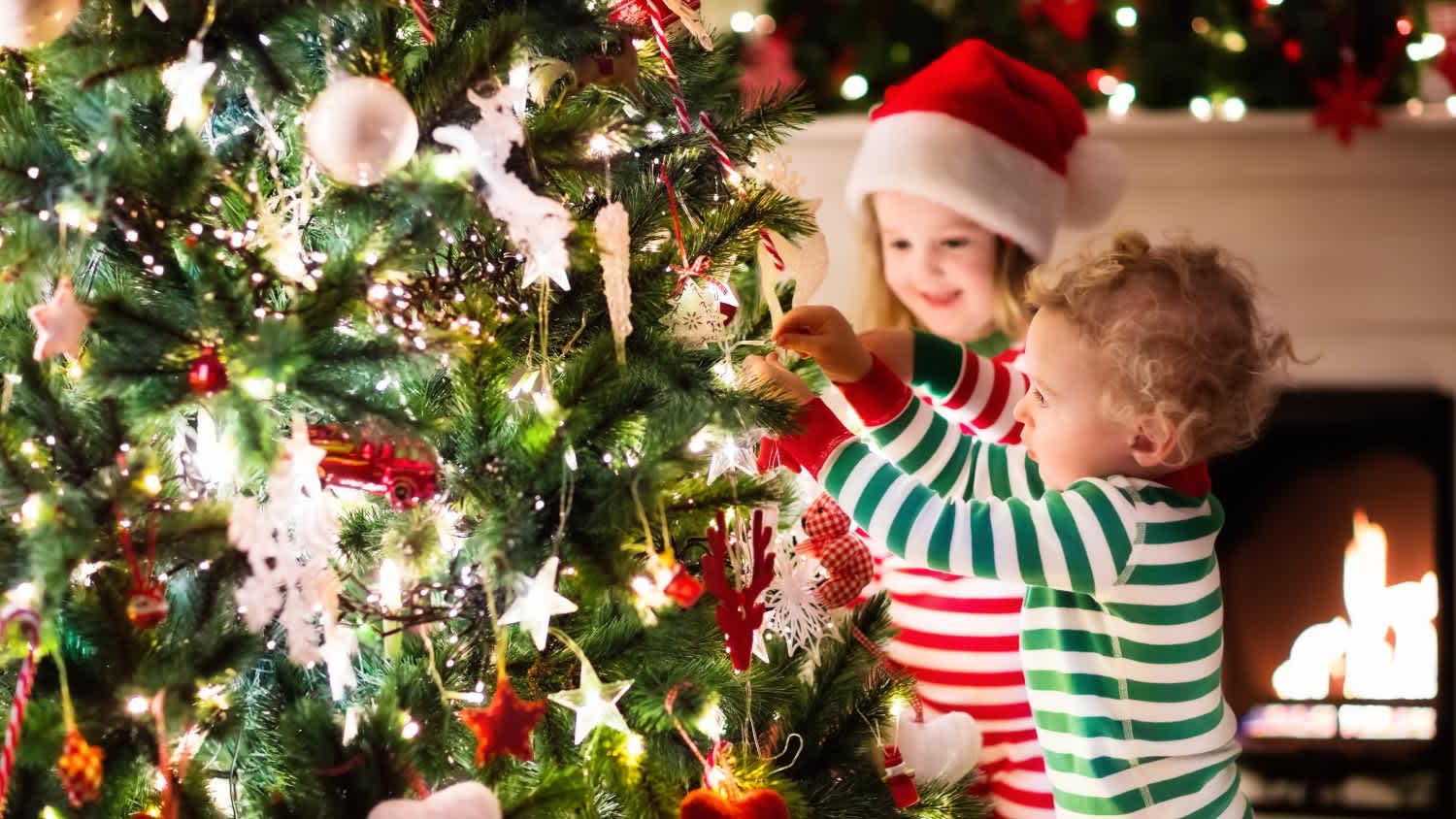
There are a few differences between real Christmas trees and artificial ones. Deciding which one is right for your holiday celebration is easy with this guide.
Looking to put up a show-stopping Christmas light display this holiday season? Learn more about the types of Christmas lights to make your home shine.