
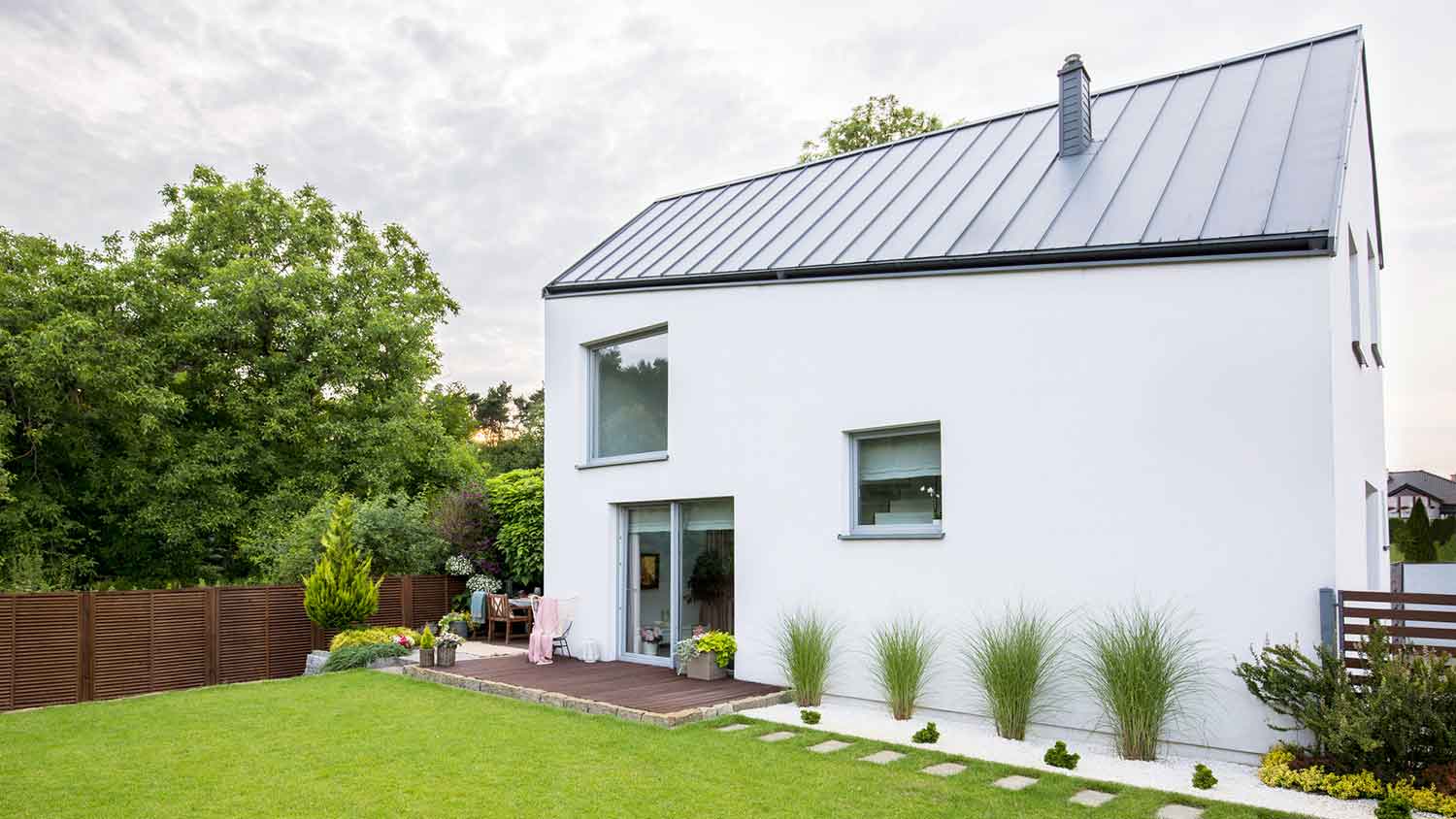
Your home's new tin roof cost will depend on several factors, including its size, materials, style chosen, complexity, and added options.
Durability and budget go head-to-head

Tin roofs versus shingles offer clear differences: tin roofs last 50 to 80 years with minimal maintenance, while shingles provide more design options at a lower cost.
Tin roofs cost $5 to $12 per square foot, while shingles cost $1.50 to $6 per square foot, so your budget and long-term plans influence which material works best for you.
Tin roofs reflect more sunlight and keep your home cooler in hot climates, while shingles provide better insulation and lower heating costs in cold climates.
Hiring a local metal roof installing professional provides guidance on material selection and installation techniques, helping you choose the right roof for your home and climate.
Choosing the ideal roofing material for your home can have a significant impact on your roof’s functionality and aesthetic appeal. The right roof material for your home depends largely on your climate and budget, which may leave you wondering about the differences between a tin roof and shingles. Let’s explore everything you need to know to make the most informed decision.
Tin roofs are double the price of asphalt shingle roofs, but you get more than double the lifespan and won’t have as much roof maintenance to worry about. They reflect sunlight better, so they can help keep your home naturally cool in hot, sunny climates. Shingles, commonly made from asphalt, are less expensive initially but have a shorter lifespan than tin roofs and require more maintenance. Asphalt shingles are more insulative, which means lower heating costs in colder climates. While shingles offer a classic look and are easier to install, tin roofs provide better longevity, though that comes at a higher up-front cost.

A tin roof is a type of metal roofing made from tin-coated steel or iron sheets. It’s known for its durability, weather resistance, and longevity. Traditionally, tin roofs were widely used in agricultural and rural buildings, but they have since gained popularity in residential and commercial settings due to their strength and energy efficiency.
| Pros | Cons |
|---|---|
| Durable | Higher up-front cost |
| Low maintenance | Noisy |
| Reflect sunlight | Prone to denting |
| Eco-friendly | Fewer design options |
Best for:
Homeowners look for long-term durability
Hot, sunny climates
Homeowners looking to maximize curb appeal
One of the most significant benefits of tin roofs is their exceptional durability. How long does a tin roof last? Tin roofs last an average of 50 years but can push to 80 years with proper maintenance. This longevity means fewer replacements over time, saving money in the long run despite the higher up-front cost. Most homeowners prefer the look of metal roofs, so a metal roof can add more to your home’s value and curb appeal than asphalt shingles.
Another major pro of tin roofs is their energy efficiency in hot climates. Tin's reflective nature helps to reduce solar heat gain, keeping buildings cooler during hot weather and reducing reliance on air conditioning. This can lead to significant savings on energy bills, especially in warmer climates.
Tin roofs are also environmentally friendly, as they are often made from recyclable materials, are recyclable, and contribute less waste due to their long lifespan.
Tin roofs cost between $5 and $12 per square foot, so this type of metal roof costs two to three times as much as an asphalt shingle roof. This can be a barrier for those on a tight budget, though the long-term savings on maintenance and energy costs can offset this initial investment over time. Additionally, asphalt shingle roofs are, by far, the most common option in the U.S., so you may have a harder time finding a local metal roofing installer who can install a tin roof.
Tin roofs can amplify the sound of rain and hail and are also prone to dents from hail or falling branches. They also expand and contract with temperature changes, which can cause fasteners to loosen. As such, they’re not ideal in areas where extreme temperature fluctuations are possible.

Roof shingles are a popular roofing material commonly made from asphalt. The roofer you hire will lay them in overlapping rows to cover the roof. Asphalt shingles are known for their affordability, ease of installation, and wide range of styles and colors.
| Pros | Cons |
|---|---|
| More affordable | Shorter lifespan |
| Easier to install | More maintenance |
| Easier to repair | Higher leak risk |
| Variety of styles | Environmental impact |
Best for:
Budget-conscious homeowners
Homes in colder climates
DIY-enthusiasts
Shingles are popular for their affordability and versatility. One of the biggest advantages is their cost-effectiveness, as the cost to shingle a roof ranges between $1.50 and $6 per square foot.. Shingles offer a variety of styles, colors, and textures, allowing homeowners to customize their roof’s appearance to match their home’s design.
Shingles are easy to install, potentially reducing labor costs and making the process quicker than more complex roofing materials. They’re also more widely available from home improvement stores, and they’re a better option if you plan to DIY your roof installation.
A roofer can easily replace individual shingles, making repairs more straightforward and cost-effective. This is particularly advantageous in regions prone to occasional storms or high winds, where only a few shingles might need replacing rather than replacing an entire tin panel.
The many factors that play into choosing a roofing material may surprise you, such as durability, cost, style, and the climate in which you live. Many homeowners choose asphalt, but there are various types on the market. A roofer can advise you on the best materials for your home and region.

The biggest disadvantage of using shingles is their short lifespan, which is only 20 to 30 years. This means the material may require more frequent replacements than tin roofing, leading to higher long-term costs.
Shingles also have environmental considerations, as asphalt shingles are made from petroleum products and are not easily recyclable. This contributes to a larger environmental footprint compared to more sustainable roofing materials.
Shingles are prone to weather-related damage, such as curling, cracking, or missing pieces from high winds, hail, or extreme temperatures. The material also offers lower fire resistance compared to materials like metal or tile, which can be a concern in areas prone to wildfires.

There are a few key things to consider when deciding between a tin roof and a shingle roof.
The choice between each material depends on personal preference and the home's architectural style, but most homeowners prefer the look of metal roofing. The appearance depends on the type of metal roof you install, so go with a standing seam tin roof for maximum curb appeal.
Shingles come in a wide variety of colors, styles, and textures, giving you more room to customize than with a tin roof. Homeowners can choose from different patterns, such as architectural, three-tab, and luxury shingles, to match the roof's appearance to the home's design. Shingles also come in various materials, including asphalt, wood, and fiberglass, each with different aesthetic properties. You can even go with metal roof shingles for improved curb appeal and customization.
Tin roofs are known for their longevity, lasting for up to 80 years. The material is highly resistant to extreme weather conditions such as heavy rain, snow, and high winds, too. It is also less prone to issues like cracking or curling, which can affect shingles over time.
Shingles are less expensive up front than tin roofs due to the lower cost of materials and installation. Asphalt shingles, in particular, are one of the most affordable roofing materials available. Although asphalt shingles don’t last as long, you could still get more long-term value out of them due to the low installation cost, depending on the climate in your area.
The installation process for shingles is straightforward, and the individual pieces are smaller and lighter, so it’s easier to DIY this type of roof. You’ll also never have an issue finding a local roofer who can install them, as they’re the most common roofing material in the country.
When a shingle is damaged or missing, a roofer can replace individual shingles quickly and inexpensively. This ease of repair is particularly advantageous for minor damage caused by weather or wear and tear. In contrast, metal roof repair often requires replacing an entire panel.
Tin roofs' durability and weather resistance mean they require less frequent upkeep, as they are less prone to issues like cracking, curling, or missing pieces. As a result, maintenance will be almost non-existent.
Tin roofs are often made from recycled materials, and their long lifespan reduces the frequency of roof replacements, contributing to less waste over time. Tin is also recyclable with no loss of material quality, so manufacturers can reuse tin panels many times over. Asphalt shingles are recyclable, but only once.
The durability, longevity, and modern appearance of tin roofs can make a property more attractive to potential buyers. Tin roofs can also appeal to buyers looking for energy-efficient and low-maintenance solutions.
A good place to start to decide which roofing material is best for your home is your climate. If you live in a hot, sunny climate, a tin roof will reflect more sunlight and reduce cooling costs. It’s also a better option in areas that see heavy snowfall, as slick metal sheds snow more readily and reduces the risk of structural damage from heavy accumulation. Asphalt shingles provide more insulation, though, and they can reduce heating costs in cold climates.
You should also think about the up-front cost and long-term value you’ll get from your roof. Go with asphalt shingles if you want a more budget-friendly roof replacement cost, but consider a tin roof for fewer maintenance costs, less frequent replacements, and maximized curb appeal and home value.
Mitchell and the crew were top tier i am so happy with my new roof
 Home Genius Exteriors
D1 Roofing delivers outstanding service from beginning to end, backed by a strong warranty and expert teams. I highly recommend them for their excellence in meeting and surpassing expectations with unmatched communication. Choosing D1 Roofing was flawless decision
 Division 1 Roofing LLC
This place took $25,000 for a flat roof job with a five-year warranty and never returned to fix the leaks that were caused by their work. These people are not professionals and should not be doing this type of work. They incorrectly changed the pitch of the roof, and caused more damage than...
The technician was very professional and friendly. He answered all my questions and was very thorough. He left the fireplace area very clean . He inspected from the roof and advised me as to other work that might need to be done. There was no pressure there. I was very satisfied with the...
 Supreme brick & chimney
I am really impressed with their timeliness and turnaround. Mitchell came out, and we decided to move forward with their pricing. Our roof was on within a week, and we could not be happier with their team! Amazing company, great prices and honest, dependable craftsmanship. I highly recommend...
 Window Depot USA of Central Ohio
Manuel Calvillo is the best option in the area for roofing and you won't be disappointed.
They damaged multiple items on my property, including a marble slab used as a table top, tried to hide it, and refused to pay or replace. Arrived day one without a ladder to access roof & delayed a day. Left a mess in back yard; didn't wear face masks; no show by owner to property to see damages
 Grants Tree Service
I've hired Gary/Cherokee Roofing for two different homes, work quality, responsiveness, and completion have been great both times. And the prices quoted were very competitive. I would definitely hire again.
Lyle did a great job removing asbestos shingles from our front porch roof. They worked together with our roofer to make sure that the new roof was able to be installed on the same day that Lyle removed the asbestos shingles.
 Lyle Environmental
Bradley Builders did a good job replacing the roof on our front porch. They color-matched the existing shingles on the rest of the house and installed a metal ridge roll since we live in a historical neighborhood. They did the job while we were out of town. When we got back, everything was...
 Bradley Builders, Inc.
From average costs to expert advice, get all the answers you need to get your job done.
Your home's new tin roof cost will depend on several factors, including its size, materials, style chosen, complexity, and added options.
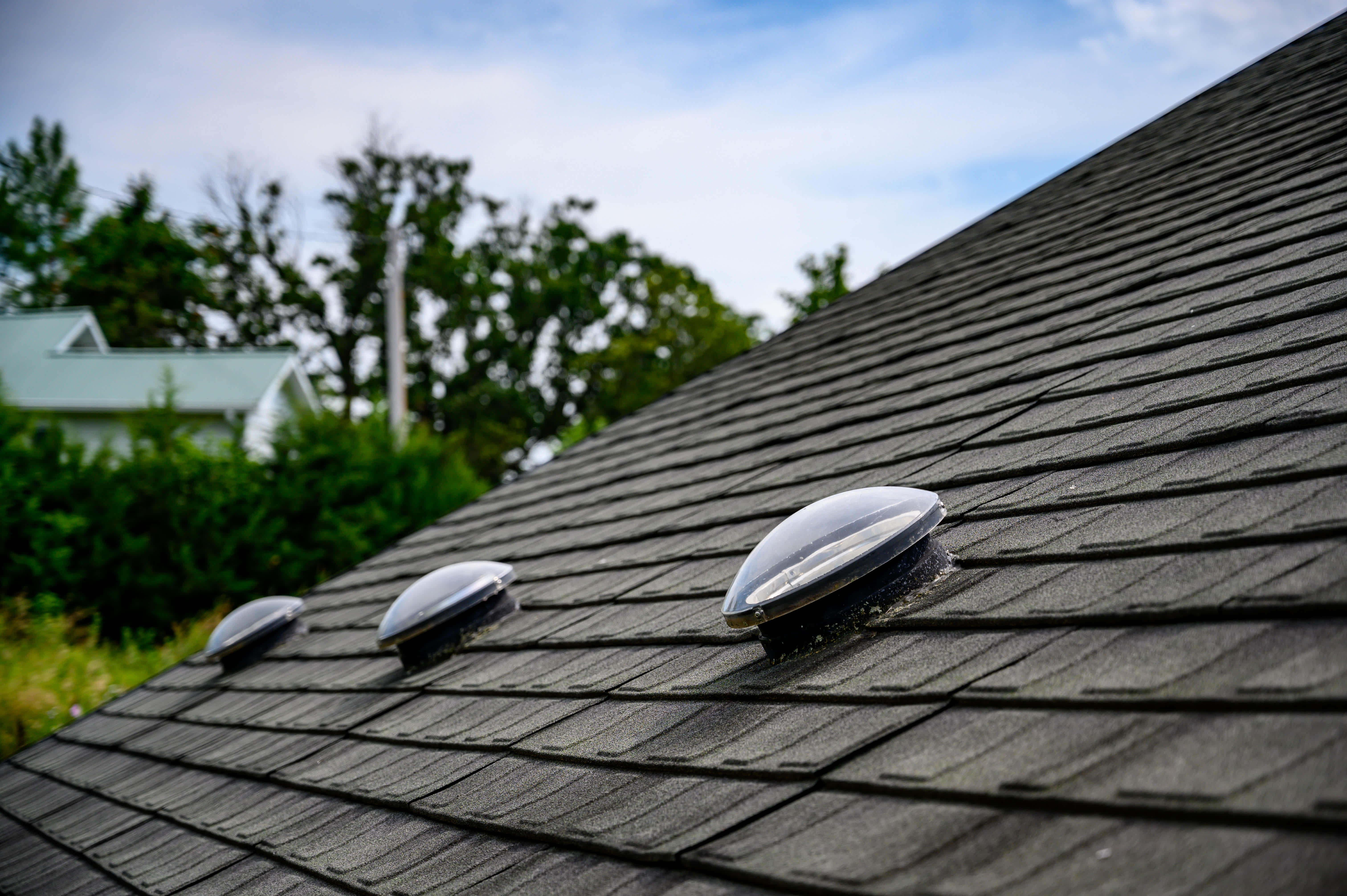
Asphalt shingle roofs are the most common roof type in the U.S. Learn about average shingle roof costs and the factors that can affect your total.

Find out average roof shingle repair costs, factors affecting pricing, such as material and labor, and how to save on your next roof repair project.
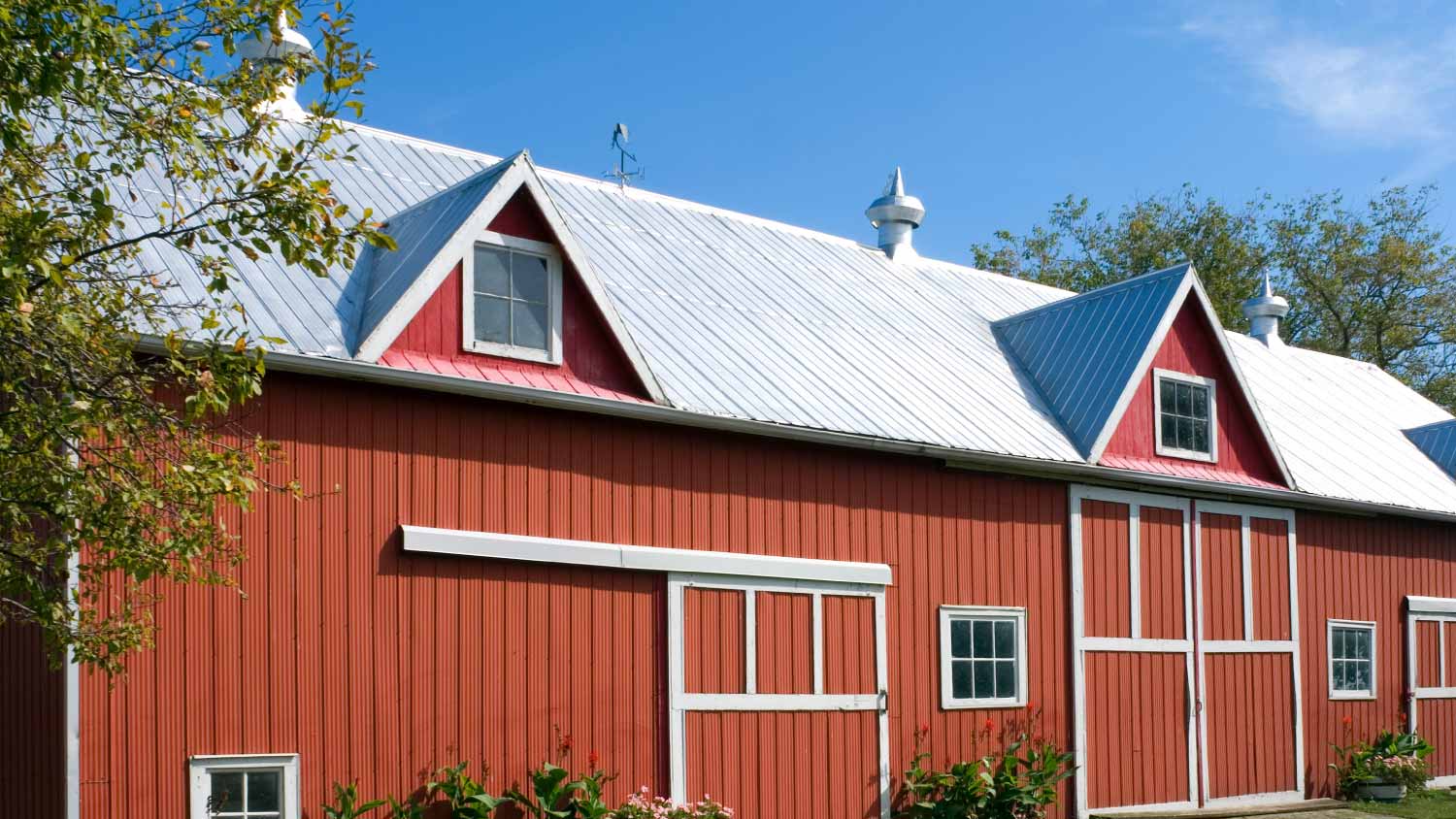
Choosing a new roof is a big decision. If you are considering adding a tin roof to your house, keep reading to learn our top tin roof pros and cons.
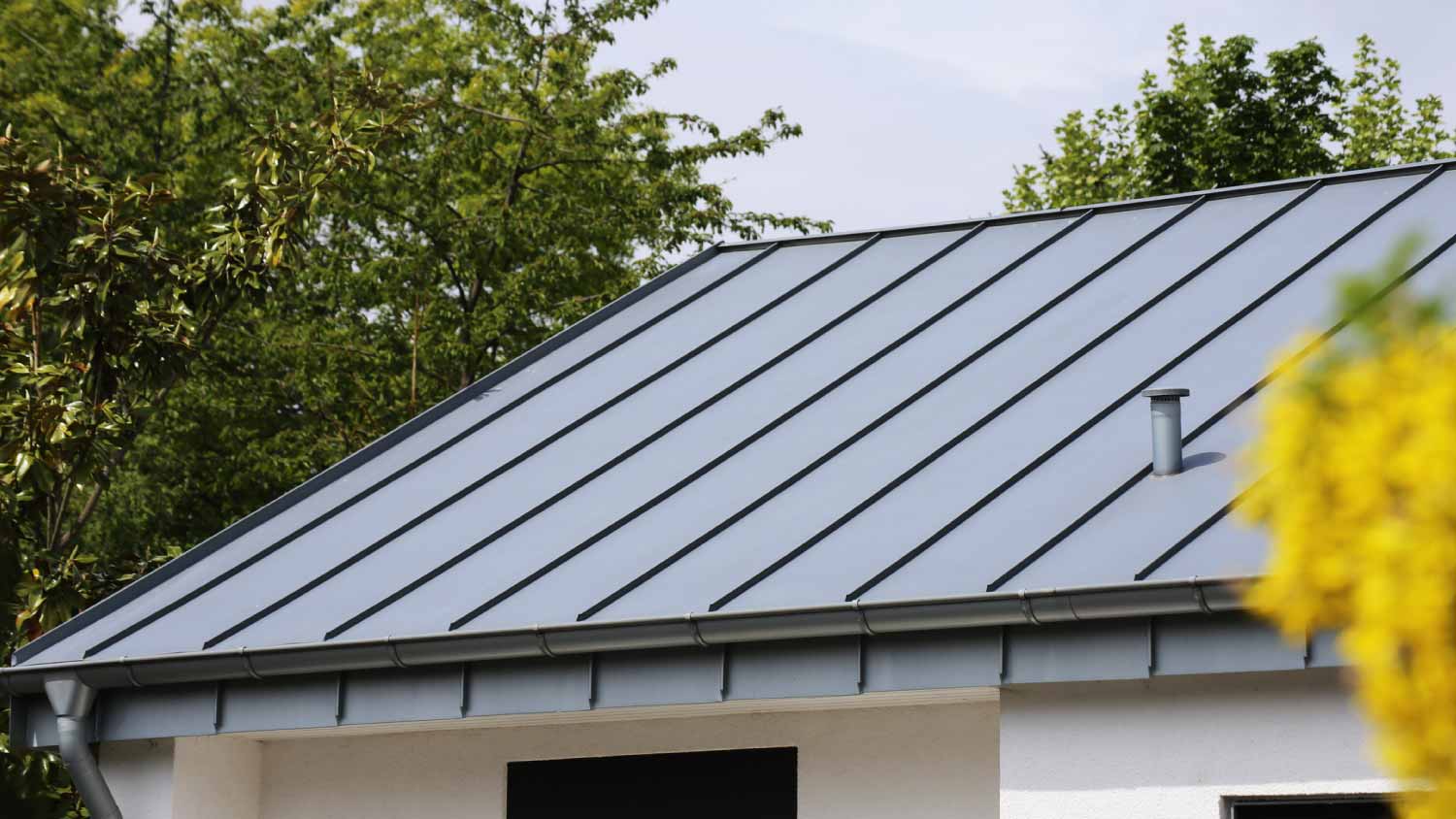
If you’re wondering how long a tin roof lasts, we've got you covered. Learn what to expect and how to extend the life of your tin roof.
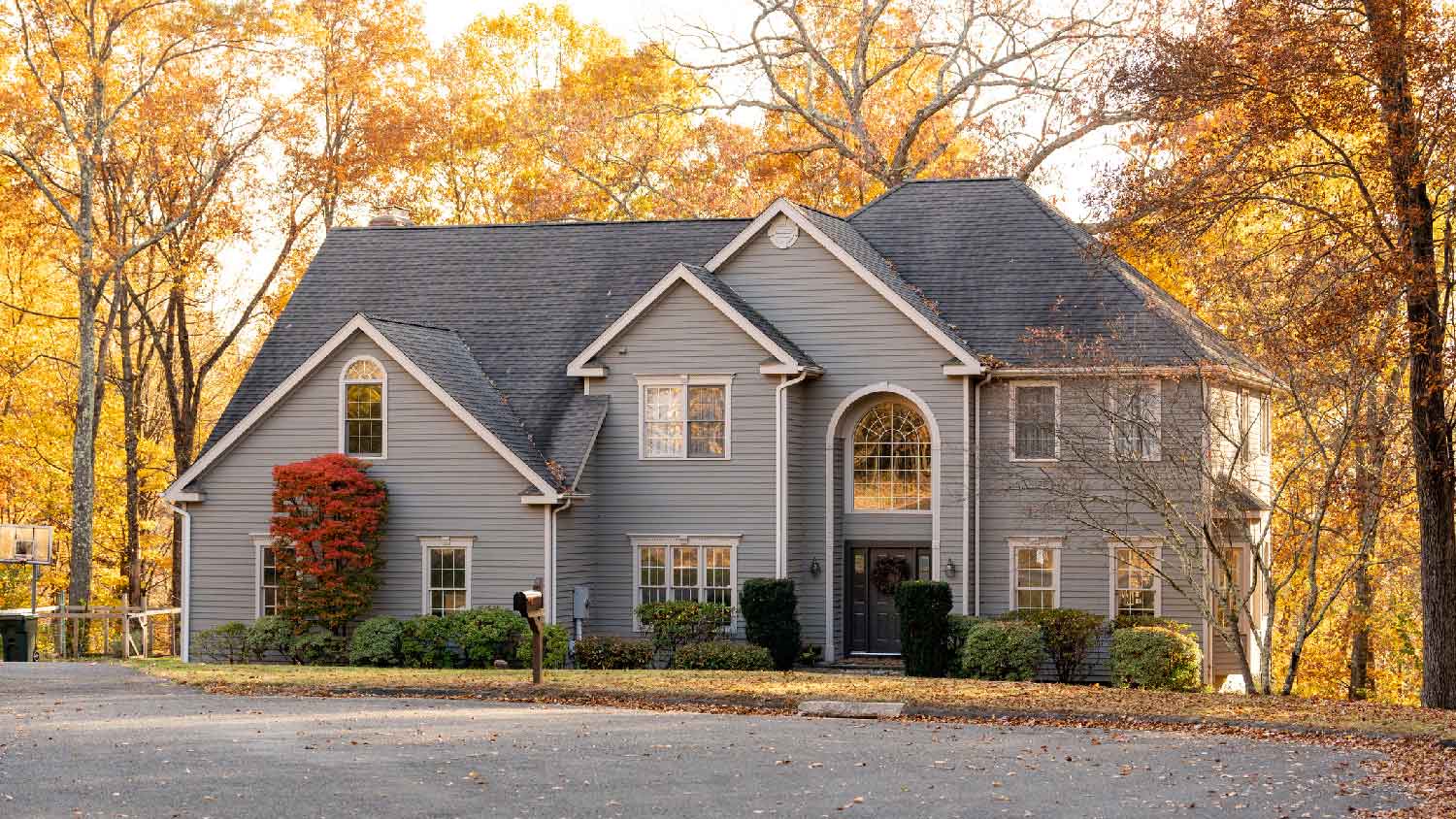
Roof shingles are the most important part of your roof and protect your home from the elements. Learn what roof shingles are, the different types, and more.