

Sewer cleanout costs in Boston, MA depend on the type of cleanout and how long the line will be. Click here to start planning your budget for this project.
Septic tank service costs depend on your project and location. Check with a local pro for your specific job.

The length of the pipe, materials, and labor determine the pricing for a sewer line camera inspection in Boston, MA.
Sewer lines shorter than 50 feet cost as low as $260 to inspect, and lines longer than 100 feet cost as much as $1,180.
Standard camera inspections cost $220 to $440, while specialty camera inspections can cost $2,220 or more.
Sewer line inspectors in Boston charge $110 to $220 per hour for labor, though some charge a flat fee per project.
In Boston, MA, the average cost of a sewer line camera inspection is $384, with prices ranging from $292 to $476. Checking out your sewer line with a camera lets you assess the condition of your pipes without destructive digging. Your exact cost will depend on the size and material of your pipes, as well as the type of camera used. Learn more about how these factors affect your inspection cost so you can stay on top of sewer line maintenance.
If you need to schedule a sewer line camera inspection in Boston, MA, you should understand which factors affect the cost, including the size of the project, materials, and type of inspection.
The length of your sewer line has a direct impact on inspection cost. Shorter lines take less time and require less equipment, resulting in lower charges. Most homes have sewer lines between 50 and 100 feet. Longer lines or properties with multiple branches can increase both time and cost. Inspecting several lines or additional branches may lead to extra fees.
| Pipe Length (Ft.) | Description | Average Cost |
|---|---|---|
| Under 50 | Small homes, easy access | $260–$370 |
| 50–100 | Standard home sewer line | $370–$590 |
| Over 100 | Large homes, long or complex runs | $590–$1,180 |
The material of your sewer pipes can influence both the complexity and cost of inspection. PVC pipes are straightforward to inspect and compatible with most cameras. Cast iron, clay, and Orangeburg pipes may require specialized equipment or techniques, increasing both time and cost. Some older or fragile materials may need extra care to avoid damage during inspection.
| Pipe Material | Description | Average Cost |
|---|---|---|
| PVC | Modern, smooth, easy to inspect | $260–$440 |
| Cast iron | Older, rougher, may need advanced cameras | $370–$590 |
| Clay | Common in older homes, fragile, may require specialty cam | $440–$740 |
| Orangeburg | Rare, delicate, high risk of collapse | $590–$1,180 |
The technology used during your inspection plays a major role in the overall cost. A basic inspection uses a standard-definition camera to check for blockages and damage. Advanced inspections may involve high-definition (HD) cameras, 360-degree imaging, or equipment that records and stores video for later review. Specialty inspections might be required for unique problems or commercial properties.
A basic inspection is generally sufficient for routine maintenance or when checking for common clogs. However, if you need detailed documentation, have a complicated system, or want to confirm the condition before a major repair, advanced technology may be necessary. More advanced or specialty inspections come at a higher price point due to the need for specialized equipment and expertise.
| Inspection Type | Description | Average Cost |
|---|---|---|
| Standard camera | Basic visual inspection, no recording | $220–$440 |
| HD camera | High-resolution video, possible recording/report | $440–$890 |
| Specialty camera | 360-degree, self-leveling, or for unique pipe materials | $890–$2,220+ |
Hiring a sewer line inspection pro in Boston, MA, is a must for this project, but you'll need to budget for labor costs. Here’s how pros determine their service fees.
If your Boston sewer pro charges an hourly rate, expect to pay between $110 and $220 per hour. However, some sewer line inspectors might charge per project. If you need immediate help for an emergency, you’ll likely be charged a premium rate for the service.
Boston’s cost of living is about 48% above the national average. Because of this, pros may charge higher labor rates than in other, lower-cost metro areas.
There’s no obligation to tip your sewer line inspector. But if you want to show appreciation for a job well done, a tip of $15 to $30 is appropriate in Boston.
For most homes, scheduling a sewer line camera inspection every one to two years is a smart way to maintain your plumbing and spot issues early. Inspections are also recommended before buying or selling a home, after experiencing major plumbing problems, or if you notice slow drains or unusual smells.
Seasonal changes can impact your sewer system. After heavy rains or before winter, it’s wise to check for blockages or cracks. Signs that indicate it’s time for an inspection include repeated backups, persistent clogs, or wet spots in your yard.
Regular inspections help you avoid emergency repairs and can significantly reduce long-term costs by catching problems before they worsen.

We don’t recommend DIY-ing a sewer line inspection because you run the risk of missing or misdiagnosing issues without professional training. Plus, the cost of renting or buying the necessary tools is high: Renting a sewer line inspection camera costs $150 to $300 per day, while purchasing advanced cameras with recording features can cost $2,220 or more. Most homeowners don’t have the skills or experience to wield them correctly.
That’s why hiring a sewer line inspection pro is the best way to ensure a thorough, accurate inspection and to benefit from warranty protection. Professionals bring experience, specialized tools, and the ability to spot small problems before they become major repairs.
Home is the most important place on earth, which is why Angi has helped more than 150 million homeowners transform their houses into homes they adore. To help homeowners with their next project, Angi provides readers with the most accurate cost data and upholds strict editorial standards. We survey real Angi customers about their project costs to develop the pricing data you see, so you can make the best decisions for you and your home. We pair this data with research from reputable sources, including the U.S. Bureau of Labor Statistics, academic journals, market studies, and interviews with industry experts—all to ensure our prices reflect real-world projects.
Want to help us improve our cost data? Send us a recent project quote to [email protected]. Quotes and personal information will not be shared publicly.
I recently hired MTT & LLc for a roofing project, and I couldn't be happier with the results! The team was professional, punctual, and highly skilled. They explained the process clearly and addressed all my questions. The quality of their work was outstanding, and they completed the job on...
 MTT & LLC
Brookdale was recommended to me regarding standing water issues around my property, Brookdale installed a French drainage system and a drywell, after recent heavy rains I have had no issues, great workmanship and reasonably priced.
Quality plumbing work!!! They are very responsive and transparent about all costs up front. The PRV in my unit went bad and they had it repaired within 30 minutes. Overall I was very satisfied with their professionalism and quality of work. From here on out I will be utilizing them for any...
Hopkins masonry did a wonderful job on our retaining wall. They're pleasant, easy to work with, conscientious, yet affordable. They really know what they're doing... they know the materials, they know how to work with the land, and they know how to plan for water drainage. That's...
 Hopkins Masonry
Sending my thanks to Angel and his crew for stopping the leak.
 Super Service Today, Inc.
Great job repairing a toilet for my elderly parents (tank filled slowly; ballcock was replaced). Charged by the hour, reasonable price, no BS. Responsive - would have come the same day but I could not accommodate so they came the day afterward. Also did a minor faucet repair. Good value for...
 Barry Plumbing and Gas Fitting Inc
They said they could install a tankless heater and asked for a 50% deposit. Then they said they couldn't get a permit, so we went for a standard tank instead. They said they would round in the morning but actually turned up at 7 PM, so I wasted a vacation day. They were not apologetic...
 Addario, Inc.
This job was extremely challenging and even frightening, as my 40 gal HW heater which failed, sits in a closet 9' above the floor. The prior HW tank had been installed improperly, plumbed incorrectly (the shut off also shut off water to my toilet tank!) making it nearly impossible to...
Danny did a great job installing our new Pensotti Boiler and indirect hot water tank system. I'm very pleased with the new system. He was very professional and did a quality job with the installation. He answered all my questions about the system to my complete satisfaction. The new...
We are a 12 unit building.When they set boiler up for removal,we indicated we could not go without hot water for a week,they indicated no problem.They proceeded to bring in 2 hot water tanks for temporary use! They had their electrician do his work,all this at no additional cost.We received a...
 MacFarlane Energy
From average costs to expert advice, get all the answers you need to get your job done.
Sewer cleanout costs in Boston, MA depend on the type of cleanout and how long the line will be. Click here to start planning your budget for this project.
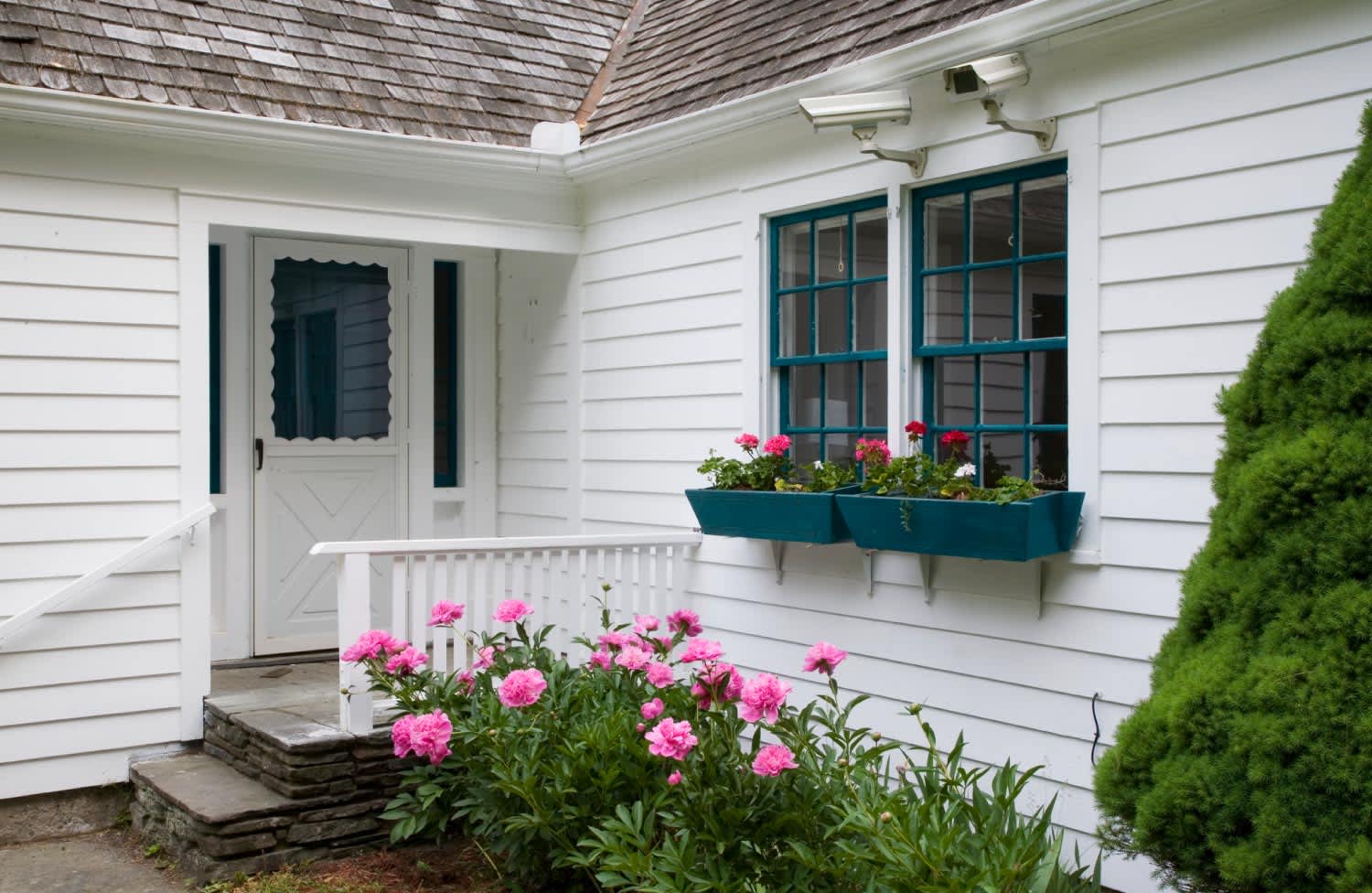
Security cameras give you peace of mind that there’s always a watchful eye on your home. Learn the costs of installing security cameras in Boston, MA.

The average cost to connect to a public sewer line in Boston, MA, depends on the linear footage, piping material, local regulations, and more.
Learn how to hire a sewer inspector that has the correct qualifications and skills required for the type of inspection you need.
A sewer camera can help identify drain line breakages and clogs. Review these sewer camera inspection questions before your pro comes.
Discover who to hire for sewer inspection, including sewer inspection services and sewer scope options. Learn the process and what to expect before you book.