

•
Find out average roof shingle repair costs, factors affecting pricing, such as material and labor, and how to save on your next roof repair project.
Roofing costs depend on your project and location. Check with a local pro for your specific job.


Shingle roof replacement costs between $7,500 and $24,000 for your home, with the shingle material you choose driving your total.
Your roof size, pitch, and complexity determine how much labor time the installation requires for your project.
Budget for shingle removal, roof decking repairs, permits ($250 to $500), warranties, and structural reinforcement when you plan your project.
Hiring a local roofing professional keeps your roof weather-tight, prevents leaks, and protects your manufacturer warranty.
In 2026, the national average cost to shingle a roof is $10,500. Most homeowners spend between $7,500 and $24,000, with shingle material, roof size, and project complexity being the primary cost drivers.
Shingling a roof costs an average of $10,500, with most homeowners spending between $7,500 to $24,000 depending on roof size and the shingle material they choose. Asphalt shingles are the most popular option and tend to fall on the more affordable end of that range. For large homes with high-end materials, costs could climb as high as $75,000.
To help homeowners with their next project, Angi provides readers with the most accurate cost data and upholds strict editorial standards. We’ve surveyed thousands of real Angi customers about their project costs to develop the pricing data you see, so you can make the best decisions for you and your home. We pair this data with research from reputable sources, including the U.S. Bureau of Labor Statistics, academic journals, market studies, and interviews with industry experts—all to ensure our prices reflect real-world projects.
Shingle roof materials cost between $1.50 to $6.00 per square foot, with the type of shingle you choose being the primary driver of where you land in that range. Shingles are sold by the "square," a unit covering 100 square feet, so material costs run $150 to $600 per square. Most standard asphalt shingles fall on the lower end of both ranges.
Here's how total shingle roof costs break down by home square footage, based on gable roofs with a standard pitch:
| Home Square Footage | Average Shingle Roof Cost Range in 2026 |
|---|---|
| 1,000 | $2,250–$8,000 |
| 1,500 | $3,375–$13,500 |
| 2,000 | $4,500–$18,000 |
| 2,500 | $5,600–$22,500 |
| 3,000 | $6,800–$24,000 |
Shingle roof material costs range from $0.70 to $2 per square foot for basic asphalt 3-tab shingles and up to $20 to $26 per square foot for solar shingles, making material choice the single biggest lever on your total project cost.
Here's a full breakdown of shingle roof costs by material type:
| Shingle Material | Average Cost per Square Foot in 2026 |
|---|---|
| Asphalt (3-tab) | $0.70–$2 |
| Asphalt (Architectural) | $1–$3 |
| Asphalt (Luxury) | $1.50–$4 |
| Aluminum | $3–$6 |
| Composite | $1–$15 |
| Slate | $8–$18 |
| Steel | $4–$7 |
| Wood Shakes or Shingles | $4–$6 |
| Solar | $20–$26 |
Labor to install shingles typically accounts for around 60% of the total project cost, averaging $6,300 and ranging from $4,500 to $10,800 depending on your location and job complexity. That labor cost covers placing new roofing felt, flashing, and shingles. Getting multiple quotes from local roofers is the most reliable way to gauge what labor will cost for your specific roof.
Where you live has a significant impact on what you'll pay to shingle a roof, with high-cost states like California averaging $15,200 and New York averaging $12,900. Lower-cost states like Georgia and Texas come in closer to $9,600 to $9,700. Regional labor rates and local material pricing drive these differences.
Here's how shingle roof costs break down across several states:
California: $15,200
Florida: $10,800
Georgia: $9,600
Illinois: $9,800
Michigan: $9,600
New York: $12,900
North Carolina: $10,300
Ohio: $9,900
Pennsylvania: $10,000
Texas: $9,700
Beyond materials and labor, several additional cost factors can affect your shingle roof total, including removal fees, decking repairs, roof pitch, permits, warranties, and structural reinforcement.
Here's what to expect for each:
Shingle removal: $1–$5 per square foot, or $1,000–$5,000 in total
Roof decking repairs: $2–$5 per square foot
Roof pitch: 10% higher cost for steeper roofs, on average
Permits: $250–$500
Warranties: $500–$1,000+ for installers that offer long roof warranties and use high-quality materials
Structural reinforcement for heavy shingles: $50–$300
DIYing a shingle roof could save you between $1,400 to $10,800 in labor costs, though you'll still need to budget around $4,200 for standard materials. Roofing mistakes can lead to leaks, water damage, and repairs that quickly erase those savings. For most homeowners, hiring a local roofing pro near you is the safer and more cost-effective choice over the long run.
Here are the benefits of hiring a pro to install your shingles:
Installation mistakes can cause roof leaks, water damage, and mold growth, and repairs can easily exceed the cost you'd save on labor.
Most DIYers lack the experience and equipment needed to work safely, especially on steep or damaged roofs.
Installing shingles in the rain or inclement weather is especially dangerous, as is working on a roof that has underlying damage or structural issues.
Most manufacturers will void their warranties if the roof isn't installed by a certified professional.
A DIY job isn't recommended, but you might consider it in the following situations:
The project is small and simple (such as a shed or a detached garage with a low slope).
You have the necessary supplies and safety gear, including harnesses and specialized tools.
The existing roof structure is sound, with no water damage or sagging.
You understand and accept the risks, including voiding manufacturer warranties.
Roof repairs are much less expensive than roof replacements:
Average cost to replace a shingle roof: $10,500
Average roof repair cost: $1,150
You might replace a shingle roof in the following situations:
The damage is widespread (extensive curling, granule loss, missing shingles, visible sagging, etc.)
Multiple leaks have appeared in different locations
The roof is over 20 years old
The underlying problem is systemic
You want to upgrade energy efficiency or home value
You might repair a shingle roof in the following situations:
Only a portion of your roof is damaged
Leaks are minor and isolated
Your roof is under 15 years old and in otherwise good condition
The repair cost is less than 20–25% of the estimated replacement cost
Determining whether a replacement or repair is best should always involve expert insight. A roof inspection costs around $250 and often includes a detailed report with recommendations to help you decide the most effective course of action.
Roof replacement can quickly get expensive, sometimes costing as much as $75,000. You can do a few things to help keep your costs down:
Stick with asphalt shingles, which can save you anywhere from 40% to 80% on total installed material costs compared to premium options like aluminum, slate, steel, or solar shingles.
You can keep up-front costs down by choosing more affordable 3-tab shingles for $0.70 to $2 per square foot, but they won't last as long or provide as much long-term value compared to architectural shingles or higher-end options.
If you live in an area with extreme summer or winter temperatures, ask your local roofer about the best materials for your home, which can lower energy costs and reduce repair needs.
You could save an average of $9,400 by opting for a targeted repair over a full replacement, and you may see about the same long-term value.
If possible, schedule shingle roof installation during the contractor's "off-season" (often late fall or winter), which could save you 5% to 15% of the project cost.
Replacing a shingle roof comes with an ROI of between 60% and 70%, especially if your existing roof has visible damage, staining, or wear. That ROI may increase further if your new roof includes transferable warranties, which can add value for future buyers.
You can reduce shingle roof costs by around 60% when DIYing the work, but you’ll likely void your roof warranty, and mistakes can be costly.
Hire a professional roofer for the best (and safest) results.
Roof repair is more cost-effective, but it’s only advisable for minor damage on roofs that are less than 15 years old.
Mitchell and the crew were top tier i am so happy with my new roof
 Home Genius Exteriors
D1 Roofing delivers outstanding service from beginning to end, backed by a strong warranty and expert teams. I highly recommend them for their excellence in meeting and surpassing expectations with unmatched communication. Choosing D1 Roofing was flawless decision
 Division 1 Roofing LLC
This place took $25,000 for a flat roof job with a five-year warranty and never returned to fix the leaks that were caused by their work. These people are not professionals and should not be doing this type of work. They incorrectly changed the pitch of the roof, and caused more damage than...
The technician was very professional and friendly. He answered all my questions and was very thorough. He left the fireplace area very clean . He inspected from the roof and advised me as to other work that might need to be done. There was no pressure there. I was very satisfied with the...
 Supreme brick & chimney
I am really impressed with their timeliness and turnaround. Mitchell came out, and we decided to move forward with their pricing. Our roof was on within a week, and we could not be happier with their team! Amazing company, great prices and honest, dependable craftsmanship. I highly recommend...
 Window Depot USA of Central Ohio
Manuel Calvillo is the best option in the area for roofing and you won't be disappointed.
They damaged multiple items on my property, including a marble slab used as a table top, tried to hide it, and refused to pay or replace. Arrived day one without a ladder to access roof & delayed a day. Left a mess in back yard; didn't wear face masks; no show by owner to property to see damages
 Grants Tree Service
I've hired Gary/Cherokee Roofing for two different homes, work quality, responsiveness, and completion have been great both times. And the prices quoted were very competitive. I would definitely hire again.
Lyle did a great job removing asbestos shingles from our front porch roof. They worked together with our roofer to make sure that the new roof was able to be installed on the same day that Lyle removed the asbestos shingles.
 Lyle Environmental
Bradley Builders did a good job replacing the roof on our front porch. They color-matched the existing shingles on the rest of the house and installed a metal ridge roll since we live in a historical neighborhood. They did the job while we were out of town. When we got back, everything was...
 Bradley Builders, Inc.
From average costs to expert advice, get all the answers you need to get your job done.
Find out average roof shingle repair costs, factors affecting pricing, such as material and labor, and how to save on your next roof repair project.
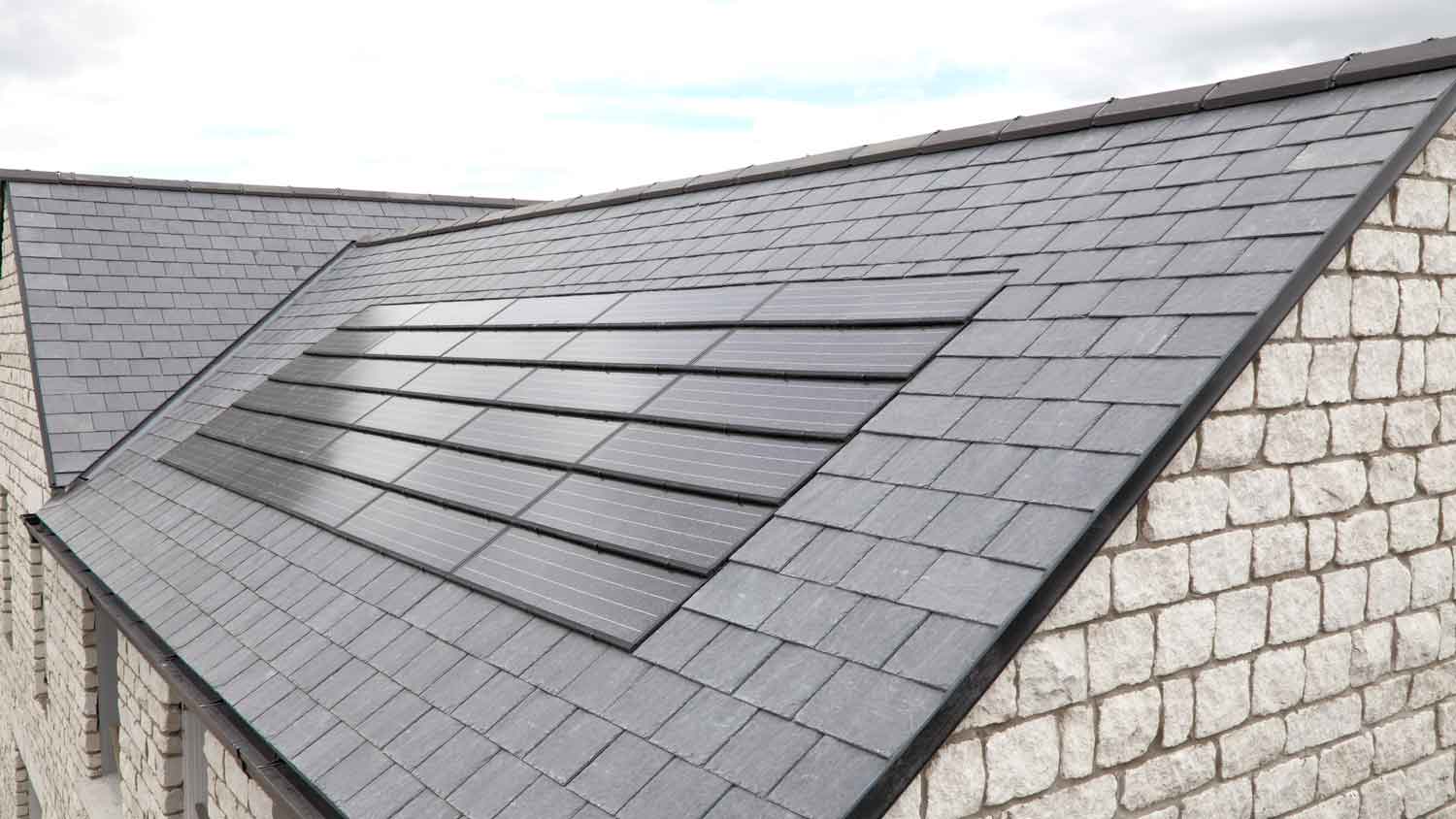
Installing solar roofing shingles can help you save on energy costs. Our expert guide breaks down the cost of solar shingles for your roof.
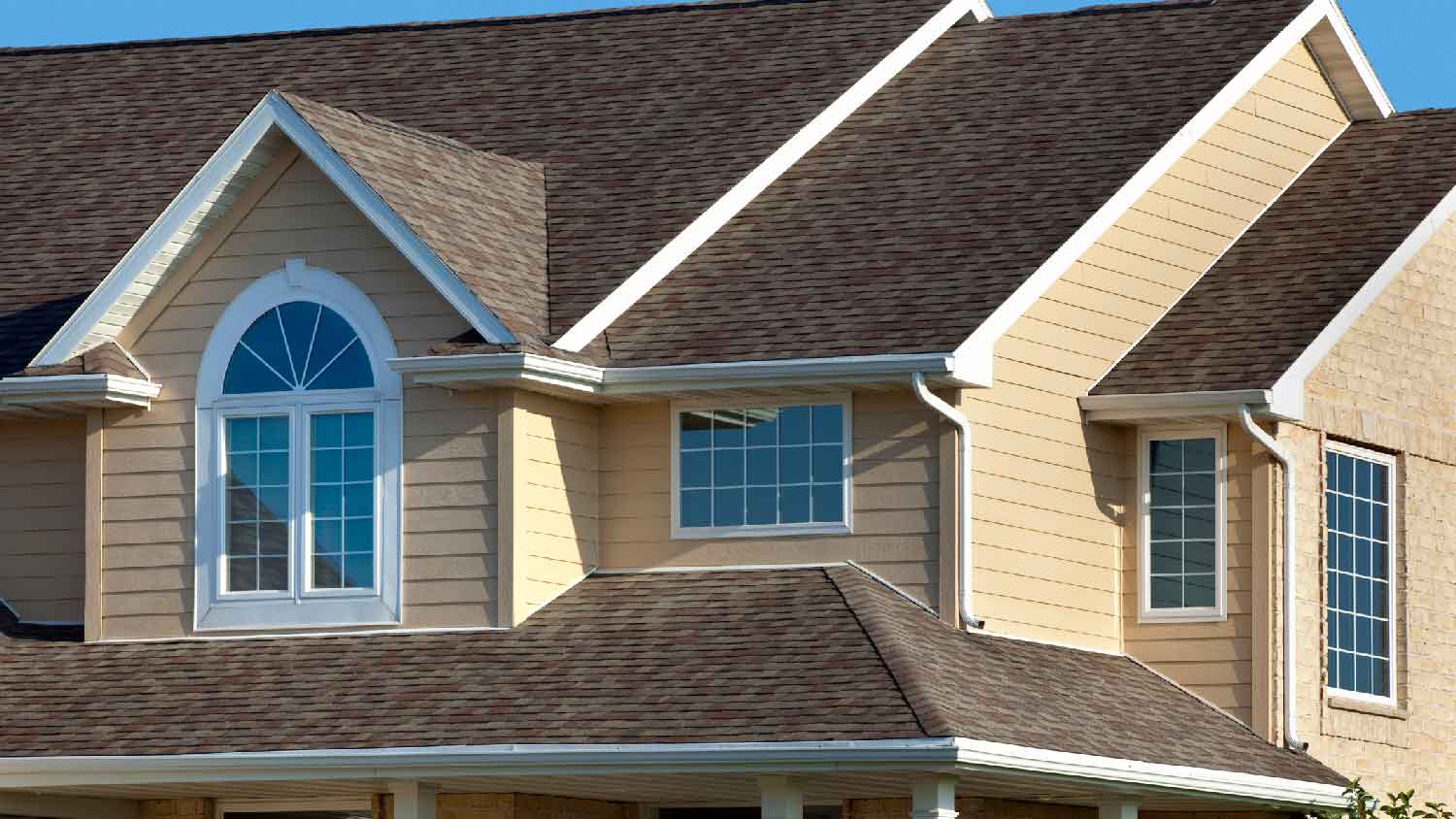
Architectural shingles cost is determined by project size, material quality, and roof condition. Find out how much they'll cost for your home.
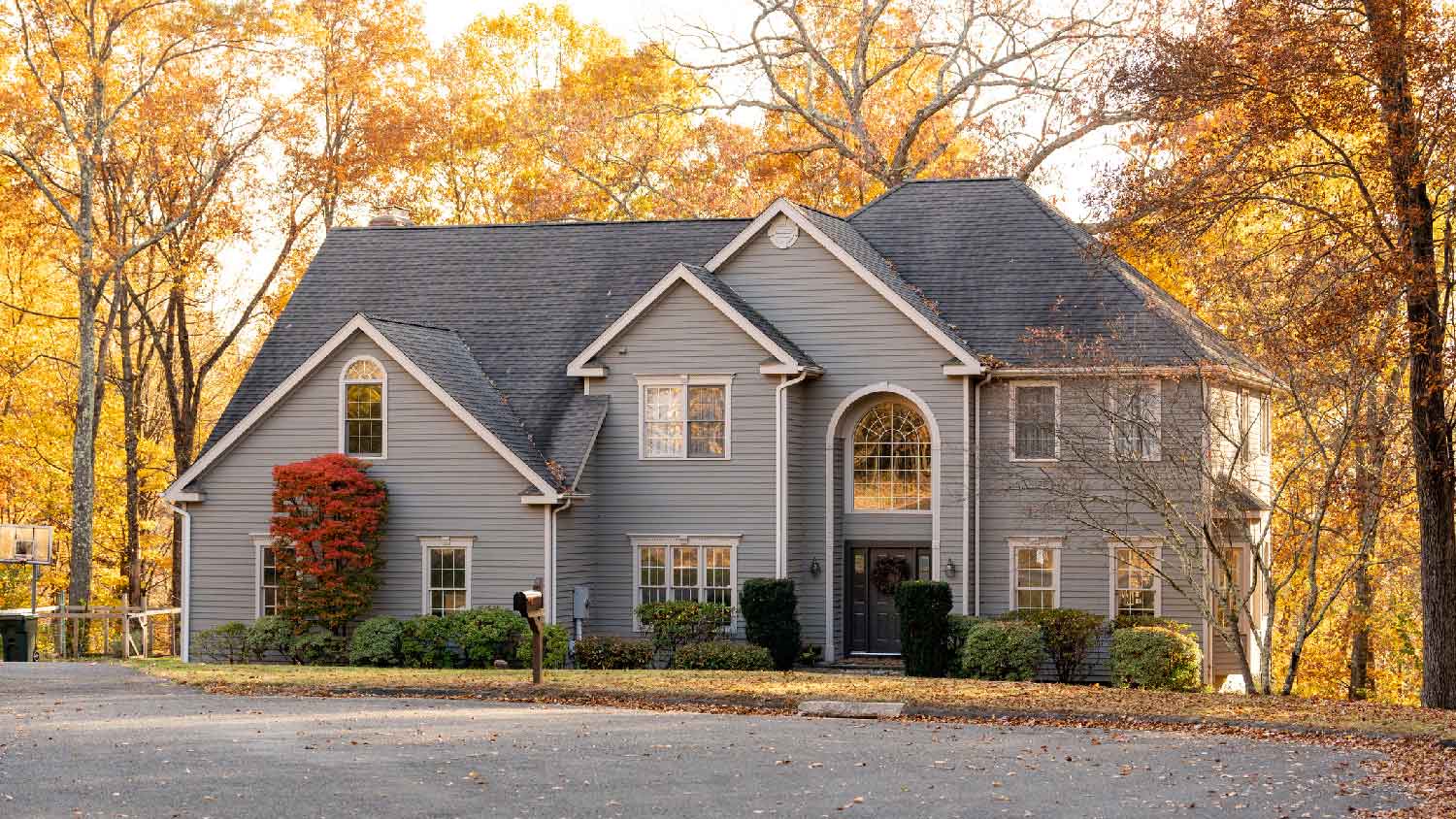
Roof shingles are the most important part of your roof and protect your home from the elements. Learn what roof shingles are, the different types, and more.
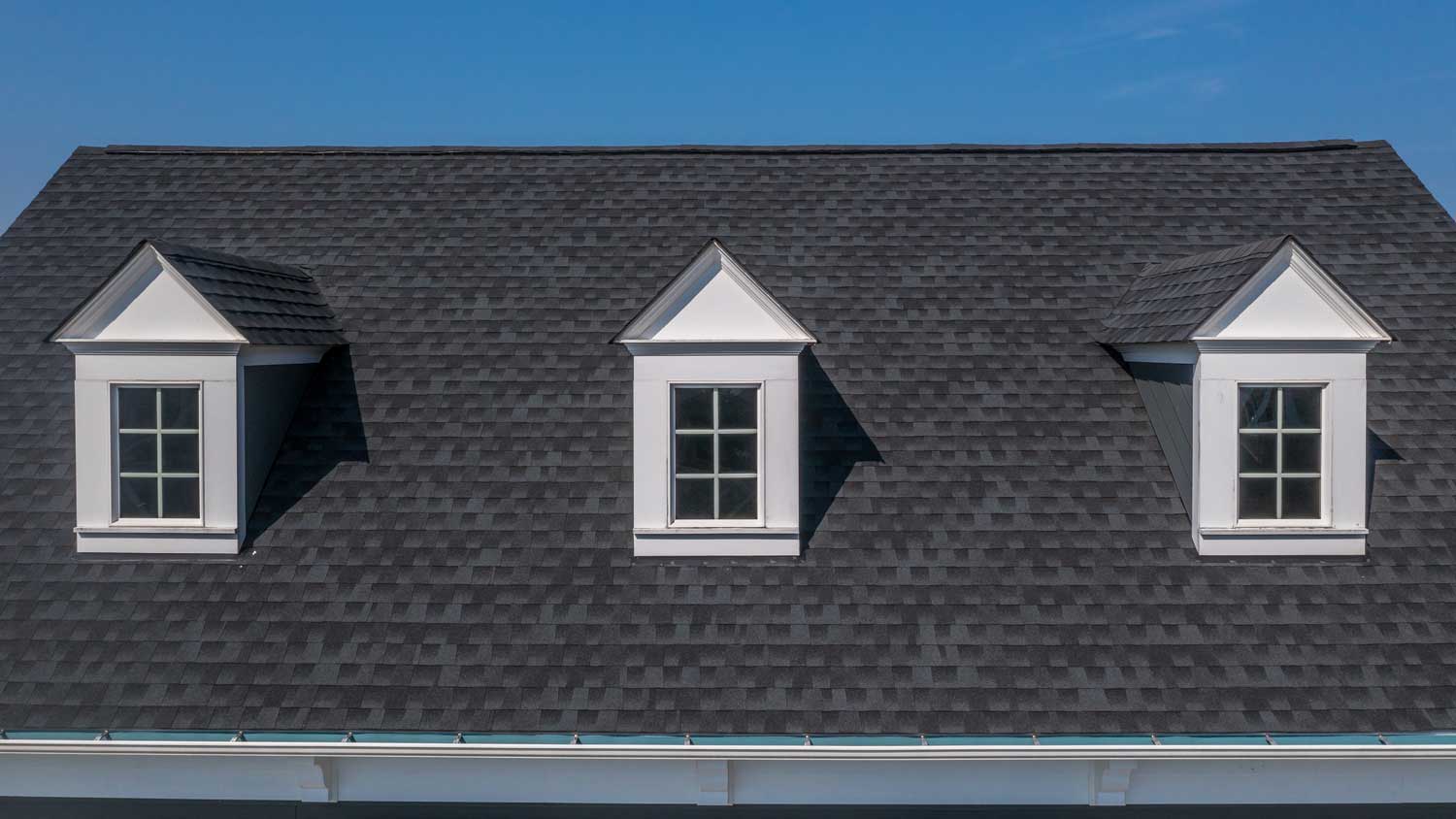
Choosing between shingled and tiled roof options can seem overwhelming. Learn what separates these two types of roofs in this easy-to-read guide.
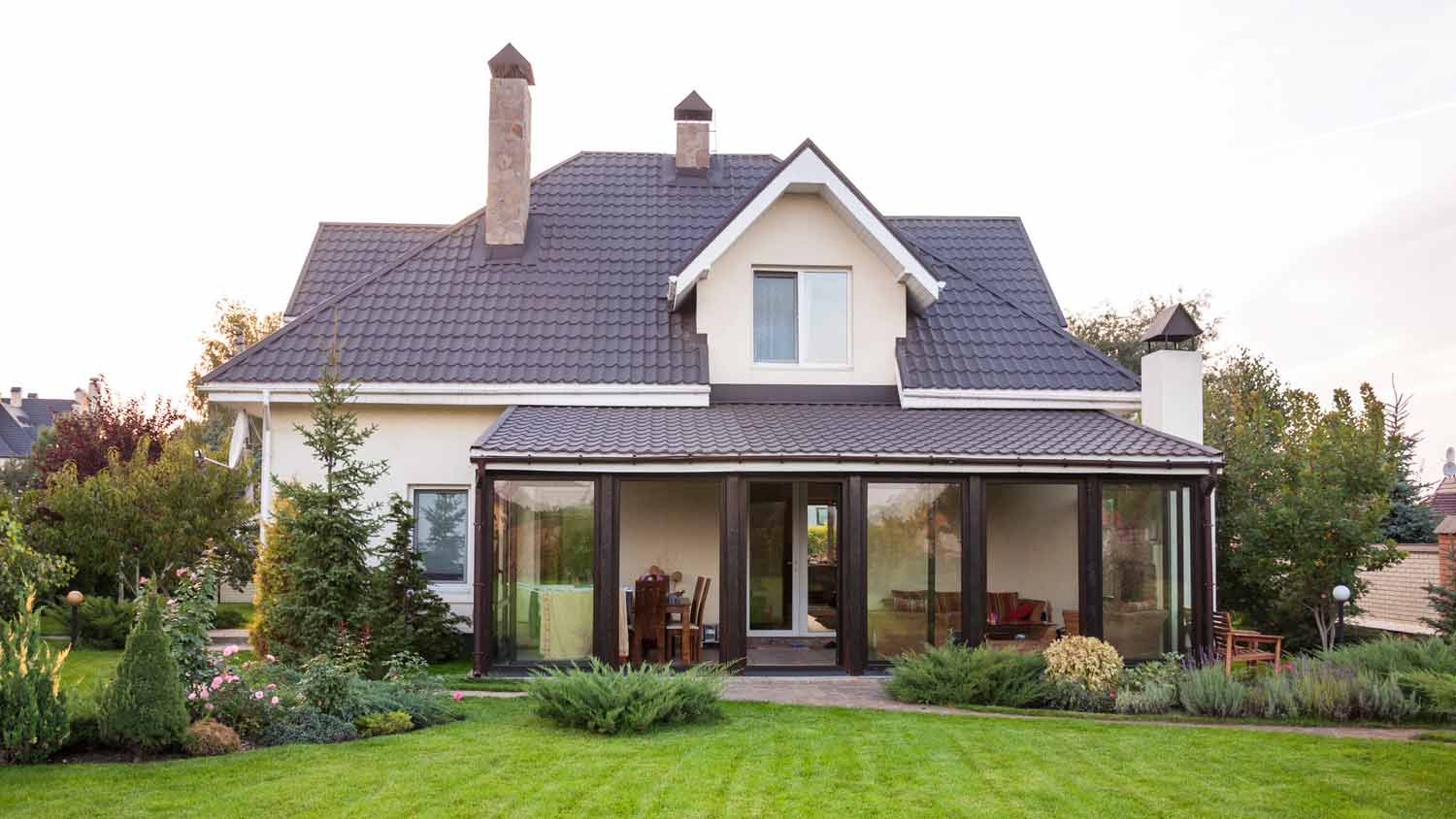
Wondering how to decide between the different types of roof shingles? Here's what you need to know about each and how to choose what's best for your home.