

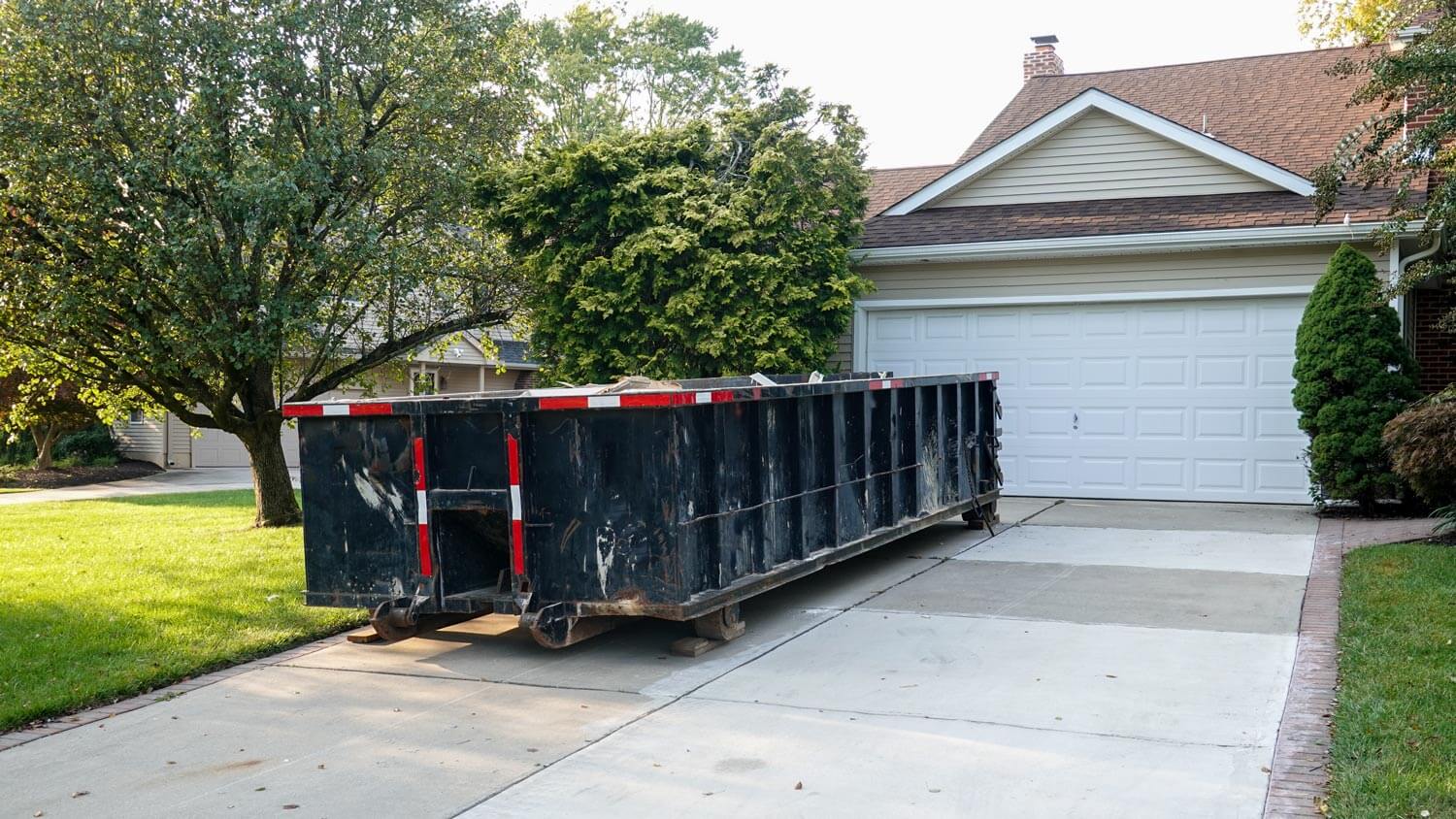
Renting a dumpster is more practical than you think. Use this guide to learn how much your rental will cost, the different dumpster types available, and tips to help you save.
Dumpster service costs depend on your project and location. Check with a local pro for your specific job.

Roll-off dumpster rental costs range from $280 to $1,550 based on your dumpster size and rental period.
The debris type affects your total, construction materials cost more than household waste because disposal rules are stricter.
Account for permit fees of $150 per week if your dumpster blocks sidewalks or streets in your area.
Hiring a local dumpster rental provider saves you time by managing delivery, pickup, and proper disposal for your project.
In 2026, the national average cost to rent a roll-off dumpster is $650. Most homeowners pay between $300 and $800, with the spread driven by dumpster size, rental period, and project type. Knowing what affects your total helps you plan ahead and avoid surprise fees.

The main factors affecting roll-off dumpster rental costs are size, rental period, location, debris type and weight, and additional fees. Understanding how each factor contributes to your final bill helps you choose the right dumpster and avoid unexpected charges.
Dumpster size is one of the biggest drivers of rental cost, with roll-off dumpsters ranging from 10 to 40 cubic yards and weekly rental costs spanning from $530 for a 10-yard unit to $920 for a 40-yard unit. A 10-yard dumpster works well for small cleanouts, while major home renovations typically call for a 30- or 40-yard container. Costs vary by size and project type, as the table below shows.
| Dumpster Size | Best For | Average Weekly Rental Cost |
|---|---|---|
| 10 cubic yards | Attic or basement cleanouts, light demolition | $530 |
| 15 cubic yards | Small bathroom remodels, roofing or flooring repairs | $600 |
| 20 cubic yards | Home cleanouts, general construction projects, roof replacement | $670 |
| 30 cubic yards | Major decluttering, home additions | $780 |
| 40 cubic yards | Full home cleanouts, complete home remodels, commercial renovations | $920 |
A local dumpster rental company will price your rental by the day, week, or month, with daily rates running $40 to $100, weekly rates ranging $350 to $550, and monthly rates reaching $500 to $1,200.
Daily rates run higher on a per-day basis because the company must schedule an extra delivery and pickup trip, but if you only need the dumpster for a couple of days, a short-term rental still beats paying for a full week. Rental costs vary by period, as the table below shows.
| Rental Type | Cost in 2026 |
|---|---|
| Daily | $40–$100 |
| Weekly | $350–$550 |
| Monthly | $500–$1,200 |
Where you live directly affects what you pay to rent a roll-off dumpster, with costs varying significantly across metro areas based on local cost of living and demand. Costs by city are broken down in the table below.
| Location | Roll-Off Dumpster Rental Cost in 2026 |
|---|---|
| Atlanta, GA | $470–$820 |
| Boston, MA | $540–$970 |
| Chicago, IL | $530–$720 |
| Columbus, OH | $460–$720 |
| Detroit, MI | $400–$680 |
| Los Angeles, CA | $500–$1,150 |
| Miami, FL | $480–$750 |
| Phoenix, AZ | $440–$760 |
| Portland, OR | $720–$1,510 |
| San Antonio, TX | $360–$890 |
| St. Louis, MO | $440–$720 |
The type of debris you're disposing of affects your rental cost, with three main categories to consider: household waste (furniture, mattresses, small appliances, clothing, and toys), yard waste (leaves, grass, plants, tree cuttings, and logs), and construction debris (drywall, tiles, flooring, countertops, lumber, and roof shingles). Construction debris typically costs more to dispose of because it often requires special handling and stricter disposal rules.
Every roll-off dumpster has a weight limit, and exceeding it triggers overage fees, so choosing the right size upfront is essential. If you're disposing of heavy items like bricks or dirt, renting a larger dumpster from the start can cost less overall than paying overage charges on a smaller one. Weight limits by dumpster size are shown in the table below.
| Dumpster Size | Weight Limit |
|---|---|
| 10 yards | 1 ton |
| 15 yards | 1–2 tons |
| 20 yards | 2–3 tons |
| 30 yards | 3–4 tons |
| 40 yards | 4–6 tons |
| Dumpster Size | Best For | Average Weekly Rental Cost in 2026 |
|---|---|---|
| 10 cubic yards | Attic or basement cleanouts, light demolition | $530 |
| 15 cubic yards | Small bathroom remodels, roofing or flooring repairs | $600 |
| 20 cubic yards | Home cleanouts, general construction projects, roof replacement | $670 |
| 30 cubic yards | Major decluttering, home additions | $780 |
| 40 cubic yards | Full home cleanouts, complete home remodels, commercial renovations | $920 |
If your dumpster will occupy a public space such as a sidewalk or street, many municipalities require a permit to place a dumpster, which typically costs $10 to $100 per week. The exact fee depends on your local permitting rules, so research your area's requirements and build that cost into your budget before scheduling delivery. Some dumpster rental companies will handle the permitting process on your behalf, which can save you time and paperwork.

Beyond the base rental rate, several additional fees can add to your total dumpster rental cost, ranging from hazardous waste charges of $25 to $200 per item to overage fees of $50 to $250 per ton. Knowing what triggers these charges helps you plan ahead and avoid surprises, and the table below breaks down the most common fee types and amounts.
| Fee Type in 2026 | Fee Amount in 2026 |
|---|---|
| Landfill fees | Varies |
| Hazardous waste fees | $25–$200 per item |
| Trip fees | $200–$350 |
| Overage fees | $50–$250 per ton |
| Extension fees | $15–$50 per day |
| Towing fees | Varies |
| Cancellation fees | Varies |
Landfill fees vary based on your location and the volume of waste you generate, and many rental companies bundle them into the base rental price. If you pack the dumpster so tightly that additional machinery is needed to empty it, expect a separate charge on top of your standard rental cost.
Hazardous materials such as paint, refrigerators, hot water tanks, oils, household cleaners, and tires aren't allowed in dumpsters and require separate disposal services. The cost for handling these materials depends on the type and quantity involved, so confirm what your rental company accepts before loading the dumpster.
While there are federal guidelines for hazardous waste, each state and town also has its own unique guidelines. Make sure to check with your local government to understand its waste disposal regulations before starting your next removal project.

Delivery and pickup are typically included in your rental price, but if the rental company arrives and cannot access your property due to obstructions like parked cars or snow, you may be charged a trip fee. Clearing your driveway before the scheduled delivery is the simplest way to avoid this extra cost.
Overfilling your dumpster triggers overage fees, so knowing the weight limit of your specific rental before you start loading is the best way to avoid them.
If your home improvement or decluttering project runs longer than planned, extending your rental period will typically add an extension fee to your bill. Build a buffer into your rental timeline upfront to reduce the chance of needing a last-minute extension.
An overfilled dumpster can sink into soft ground, making it impossible to remove without a tow truck and resulting in an additional towing fee. To prevent this, always place the dumpster on a flat, hard surface such as a concrete or asphalt driveway rather than grass or dirt.
Some rental companies charge a cancellation fee if you cancel too close to the scheduled delivery date, so review the company's terms before booking. Knowing your project timeline in advance and giving the rental company as much notice as possible is the best way to avoid this charge.
Hiring a local junk removal service saves you time and effort by handling all the heavy lifting, sorting, and disposal for you. They also ensure items are disposed of responsibly, often recycling or donating when possible to reduce environmental impact. While it may be a more costly option, a professional junk removal service will ultimately save you time, stress, and potential injury.
Hiring a junk removal service ensures the safest and fastest removal of unwanted items from your home. Here are a few reasons why you may want to leave this task to the professionals:
Professionals have the experience and expertise to estimate the correct dumpster size, saving you from overpaying.
Junk removal services can efficiently sort and recycle a wide variety of goods, streamlining the process and minimizing environmental impact.
An experienced team will lift, move, and process all of your junk with lower risk of back injuries.
They will be there to make sure the roll-off dumpster is removed from your property and properly returned.
To cut down on costs and handle part of the process yourself, here are a few ways you can contribute:
Sort recyclables by category (glass, paper, electronics, etc.)
Relocate all items that need to be disposed to one area or room for easier access
Dispose of smaller pieces on your own through your typical trash disposal means
Safely pack hazardous materials by local safety standards and take them to appropriate disposal facilities
Renting a roll-off dumpster can be expensive, especially if you’re renting a large dumpster or need to keep it for several weeks. Here are some ways to keep the costs down.
Get multiple quotes: Don’t settle for the first quote you receive. Call around and ask for quotes from several dumpster rental companies to find the best price.
Choose the right-sized dumpster: The larger the dumpster, the more it costs to rent. Stick to the smallest dumpster that will work for your needs to keep costs down.
Choose the appropriate rental period: The cost of renting a dumpster increases the longer you keep it, so only rent for the time you need.
Ask about rental discounts: Some dumpster rental companies might offer discounts for seniors, military members, veterans, or first responders. They might also have cheaper offers for short-term rentals.
Discuss the type and volume of materials that need disposal.
Inquire about any materials not accepted, like electronics or old paint.
Ask about the services included, such as dust cleanup, safe disposal of hazardous materials, and hauling.
Inquire about any additional fees, such as cancellation fees, dumpster towing fees, transportation fees, and the process and additional cost for handling hazardous materials.
Home is the most important place on earth, which is why Angi has helped more than 150 million homeowners transform their houses into homes they adore. To help homeowners with their next project, Angi provides readers with the most accurate cost data and upholds strict editorial standards. We extensively research project costs to develop the pricing data you see, so you can make the best decisions for you and your home. We rely on reputable sources, including the U.S. Bureau of Labor Statistics, academic journals, market studies, and interviews with industry experts—all to ensure our prices reflect real-world projects.
Want to help us improve our cost data? Send us a recent project quote to [email protected]. Quotes and personal information will not be shared publicly.
I call them all the time when i need locksmith services. They did my car key, business lock changes, safe opening. Pretty good with what they do. Reasonable prices
 EZ Fix Locksmith, LLC
I had FabClean 614 clean my apartment, and she did an outstanding job. She was so professional and efficient. My apartment looks absolutely spotless every surface, every corner, all cleaned to perfection. Definitely highly recommend FabClean 614 if you're looking for top-notch cleaning...
 Fab Clean 614
Excellent, Prompt, Courteous Service!!! They were super friendly and quite personable. I felt very comfortable with the gentlemen that did the installation. They installed it exactly where I asked them to and they did an excellent job!! I loved their service so much.
 Tether House
Supreme Brick & Chimney is one of the best service providers I’ve interacted with. Extremely efficient, knowledgeable, and thorough. They took the time to walk me through their detailed full-service inspection and were extremely professional. Not to mention their turnaround time was...
 Supreme brick & chimney
Ace Fireplace Services' chimney sweep service is truly exceptional. They used advanced technology to ensure a thorough cleaning process, and my chimney has never looked better. I highly recommend their services.
 Ace Fireplace Services
Binion and Alex did such a good job. Fast, fair, efficient. Would def use them again. Best experience Iâ ve had in moving - someone should give them a raise. Will undoubtedly recommend this service.
 All My Sons Moving & Storage
I definitely recommend Ramonaâ s cleaning service! I have booked services with her many times and she arrives on time, ready to work and provides a great service.
 Your Cleaning Solutions LLC
Excellent experience! Left my place looking great. Friendly customer service too. Would recommend!
The service was excellent! They gave me a quote, and had it done 4 days later. My driveway looks amazing, very professional! I would definitely recommend their service to anyone. I have had neighbors stop by and ask for their information as well.
 All Star Paving and Sealing
Mary Cleaning Service is amazing! The entire staff is very professional and they pay a great deal of attention to detail. I would definitely recommend!
From average costs to expert advice, get all the answers you need to get your job done.
Renting a dumpster is more practical than you think. Use this guide to learn how much your rental will cost, the different dumpster types available, and tips to help you save.

Junk removal costs depend on the volume and type of waste you need removed, but paying a professional saves you time and energy over hauling it yourself.
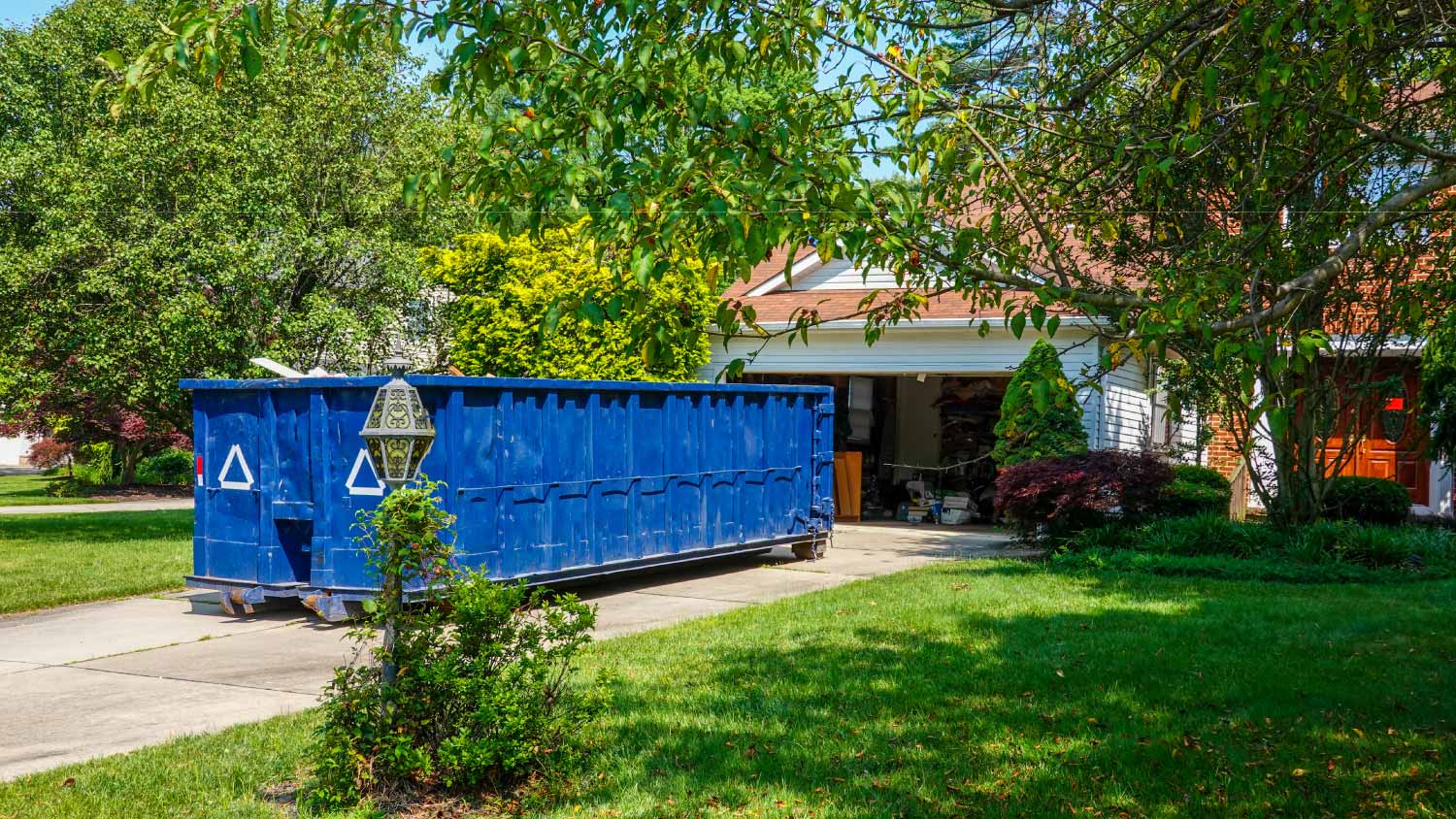
A roll-off dumpster can help you dispose of large amounts of waste. Here’s what you need to know.
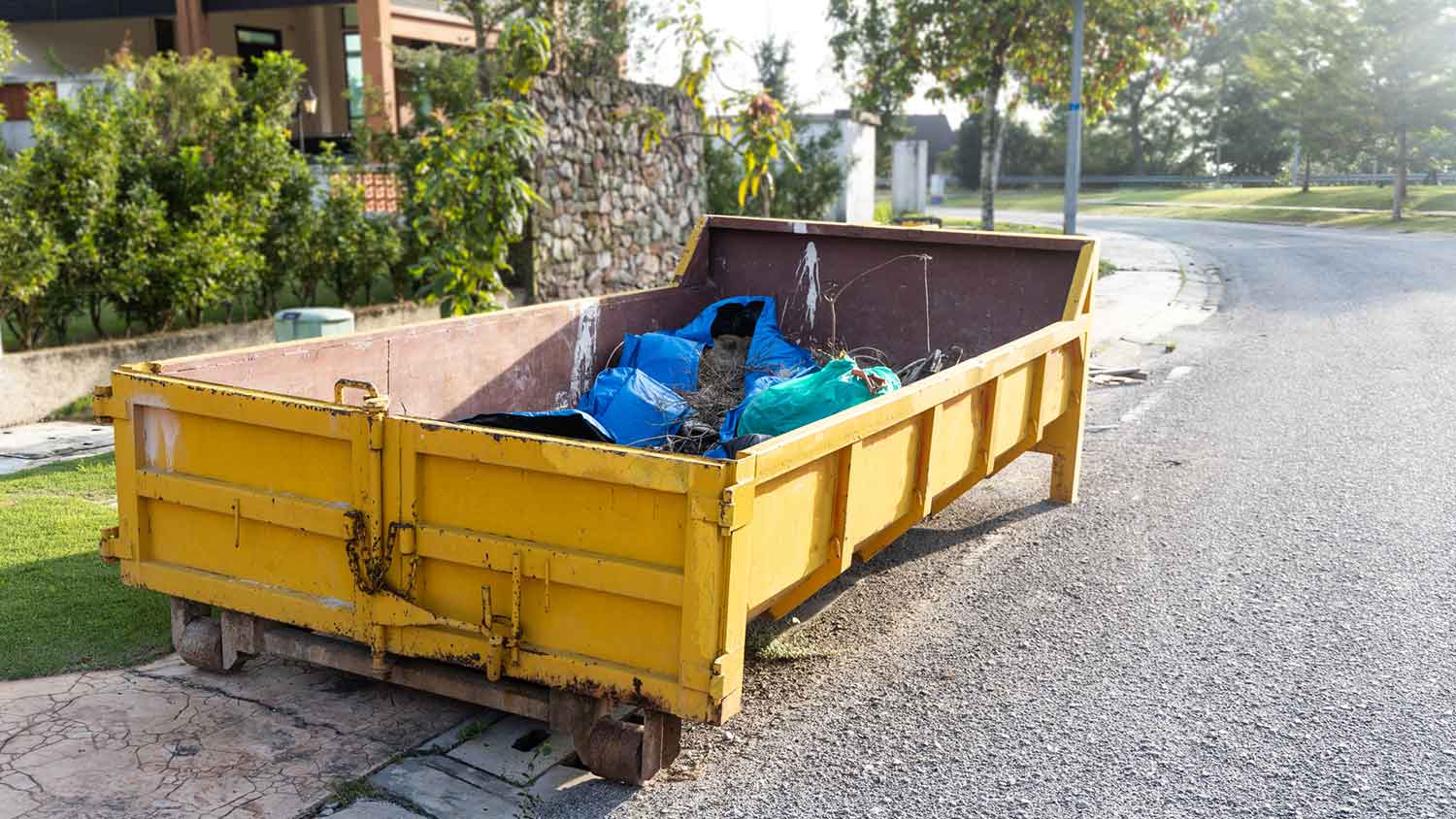
Need a dumpster for your project but not sure which type is right for you? Learn about the different types of dumpsters and their uses in this guide.
Learn how to rent a dumpster for your next home project or cleaning spree.
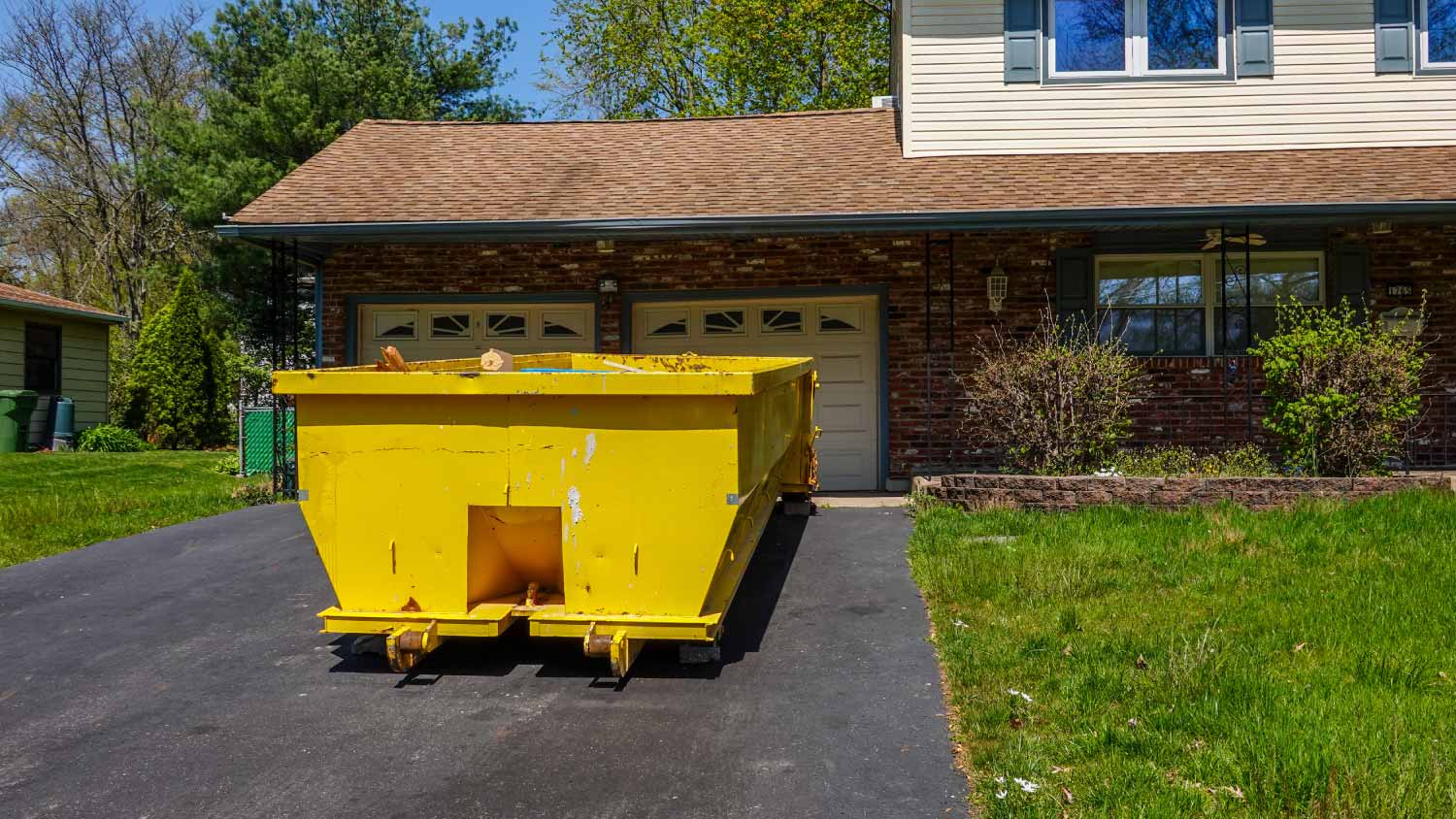
If you’re embarking on a junk removal project, it’s important to know where to put the dumpster. Read on for tips to find out which is best for you.