

If your furnace is making loud noises, it could be the first sign something is failing. This guide will go over some of your furnace’s most noisy issues.
If your fridge is crying for attention, don’t ignore it

A fridge making a loud humming noise often indicates loose screws and fasteners under or behind your appliance caused by normal compressor vibration.
Your refrigerator needs proper clearance from walls and cabinets to prevent vibration noise, with 1/2 inch to an inch on sides recommended.
Dirty condenser coils force your fridge to work harder and create louder humming sounds, so cleaning them removes stuck-on debris and reduces strain.
Hiring a local fridge repair professional provides confident support with compressor diagnosis and fan replacement, keeping your home running smoothly without the electrical risks.
For the most part, your refrigerator is quiet and unobtrusive. But when things start to go wrong and your appliance becomes a noisy distraction, knowing how to diagnose and fix the issue could save you hundreds on a full replacement. In this guide, we’ll explain why your fridge is making a loud humming noise and how to fix the problem.
One of the simplest issues to fix that could cause loud humming noises is loose screws and fasteners. The fridge compressor vibrates during operation, and the vibration can loosen screws over time, causing them to hum.
If your refrigerator is on the older side, check all of the visible screws under and behind your fridge, and hand tighten any loose ones with a screwdriver, wrench, or Allen key. This is a simple task to DIY, but unplug your fridge before you start for safety.

Similarly, a fridge’s compressor can cause the entire appliance to vibrate slightly, and if the fridge is too close to the wall behind it or the walls or cabinets next to it, you may notice a humming noise.
Simply position your fridge with the proper clearance on all sides. Check your manufacturer’s recommendations first, or go with 1/2-inch to an inch on both sides and 2 inches in the rear.
That same minor vibration from the normal compressor operation can get amplified and create a distracting humming noise if your fridge isn’t properly leveled.
Your fridge should have leveling feet on the bottom, which you can adjust yourself. Unplug your fridge and have a friend or family member tilt the fridge slightly to adjust the feet. You can use a level for precision or just adjust until all four feet are flat on the floor.
Dirty condenser coils will make your fridge work harder than it needs to in order to keep everything inside cool. The added strain on the cooling components can be responsible for that loud humming noise.
Pull your fridge out from the wall, unplug it, and clean the condenser coils. Use a duster to remove dust first. If they’re still dirty, you can use an old toothbrush with some water to scrub off stuck-on debris.

The most severe and expensive issue that can cause a loud humming noise from your refrigerator is a damaged or failing compressor. The compressor vibrates during operation, and if anything goes wrong with the internal components or the motor is getting worn out, you’ll hear unusually loud humming that can be distracting.
Compressors are complex components that are challenging to repair and replace. Call in a professional to confirm that your compressor is the underlying problem, and have them do the repair or replacement work. This is an expensive fix, so a full replacement might make more sense if your fridge is close to or more than a decade old.
You have two main fans in your fridge, and they can make humming noises if they’re dirty or damaged. If this is your issue, you’ll usually hear the humming intermittently when the compressor turns on or twice daily when your freezer goes through the defrost cycle.
Replacing these components is possible to DIY, but make sure you purchase the correct replacement parts and shut off the power to your fridge first. If you’re not comfortable with the work, a professional can get this done for a relatively low cost.
Many of the problems that can cause a fridge to make a loud humming noise have DIYable solutions. You can rule out some of the more minor issues first by leveling your appliance, maintaining the proper clearance around it, and tightening screws under and behind your fridge.
If these solutions don’t fix the humming, you should call a pro. Refrigerators have electrical components in close proximity to water supply lines, as well as many complex and expensive parts that are challenging to work with. If the simple solutions don’t do the trick, it’s best to call a local fridge repair company for a professional solution.
Positive experience. As previously stated, the replacement/repair could not be completed (no fault of the plumbing tech) b/c misinformation was rec?d by property management maintenance. Thanks to the plumbing tech for your efforts. Appreciate you!
 The Waterworks
Carpet repair done well. Scheduling was easy. Showed up on time.
 BR Flooring Installation
As usual with ECO, tech Jordan was outstanding, very professional, very knowledgeable, and very thorough with repairs made to tankless water heaters. Very highly recommend ECO!!!
 Eco Plumbers, Electricians, and HVAC Technicians
I would recommend this company to anyone! He showed up on time, was friendly, completed a very difficult repair on our dryer vent cover, was responsive, and pricing was extremely fair and competitive. I would have him back to do any of our repairs or cleanings without hesitation!
 U.S.A. Dryer Vent, LLC
Everything from initial contact to completion was absolutely top notch. We contacted the business during off hours to leave a message, and the owner still reached out to feel out the issue within minutes. We were scheduled and repaired within 48 hours. I cannot say enough about the...
 Supreme brick & chimney
Ace Fireplace Services came to the rescue for my chimney repair. They were quick to pinpoint the issue and worked their magic to fix it. My chimney is now in excellent shape, and I'm a satisfied customer.
 Ace Fireplace Services
On Sunday 2/26 I requested quotes via Angi from 4 refrigerator repair businesses. Northwest Appliance responded to me Monday morning (2/27) and my refrigerator was repaired by noon the same day. Great communication, they did everything they said they would. The technician had the parts on...
Excellent! We were very satisfied with the service provided and the entire experience from start to finish. Very friendly and professional staff. I was able to instantly get in contact with them for a quote and the response time and overall communication remained quick and easy throughout the...
 Prime Cleaning Service
Description says they handle window repair including rotten hardwood - they called me back right away but didnâ t leave a voicemail. I followed up 3 days later and they said they donâ t do that kind of work.
 Window-Gurus
I needed reliable, affordable help the day of with moving a couple of appliances and misc items. It was a relief to hear back from Tanzillo almost instantly that morning so I could stop looking and move on to plan and prepare. Every part of the move was friendly and professional. Next time I...
 Tanzillo Concrete & Landscape
From average costs to expert advice, get all the answers you need to get your job done.
If your furnace is making loud noises, it could be the first sign something is failing. This guide will go over some of your furnace’s most noisy issues.
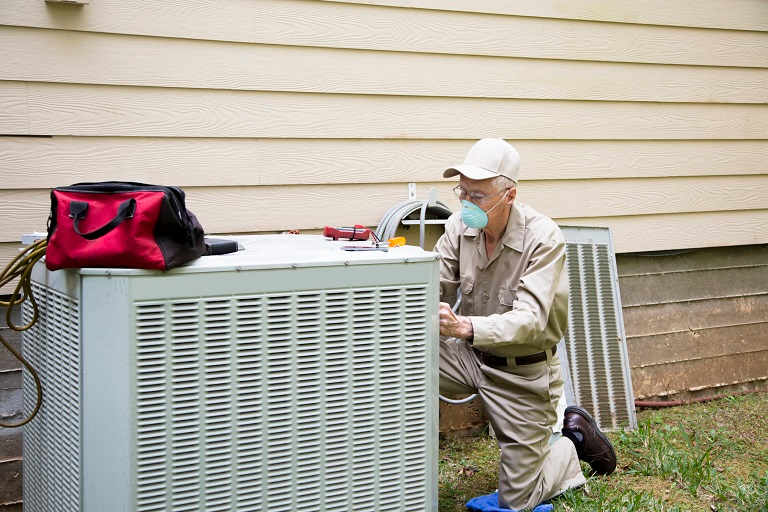
Squealing, rattling, thumping, or other loud noises from an air conditioner unit are usually a sign of trouble. Here’s when to call a professional.

Are your pipes making noise when the water is turned off or do you have noisy water pipes? Learn what each sound means for your plumbing.

Why does your ductwork make banging noises? Noise isn't always indicative of HVAC problems because ducts always expand and contract, but read more to find out.

Sediment buildup and loose valves are common reasons for a hot water heater that’s making noise. Here are the most common causes and their fixes.
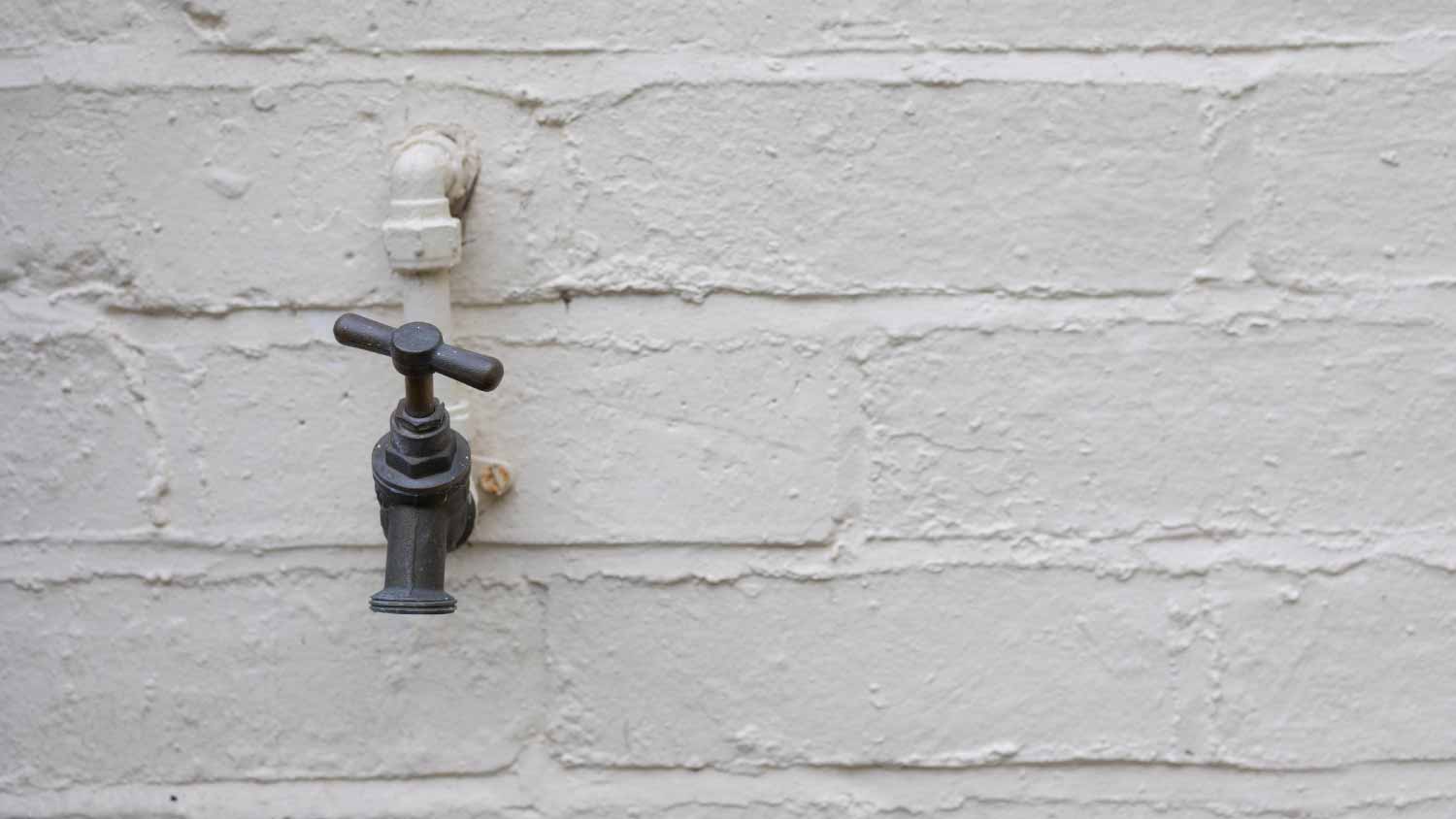
If your outdoor faucet makes noise when turned on, the cause could be as simple as a worn-out washer. Learn how to fix a noisy faucet with this guide.