

Knowing you have a pool leak is one thing, but finding it is another. We'll cover pool leak detection costs and what to expect from the repair bill.
Don’t let a slow drip drown your pool budget

Unexplained water loss in your pool, especially if you're topping off more than once a week, indicates a leak that needs immediate attention.
Wet spots on your lawn, water pooling near equipment, or visible cracks in your pool shell confirm a leak that can cause structural damage.
Excessive algae growth in your pool signals chemical imbalances from constant water loss, making it harder to maintain proper chlorine levels and cleanliness.
Hiring a local pool repair professional provides reliable help pinpointing underground leaks and repairing structural damage, keeping your pool safe and preventing costly repairs.
Some of the most common signs of pool leaks are really subtle at the start. However, catching leaks as early as possible saves you from costly pool repairs and gallons of wasted water. From damp patches in your grass to unexplained water loss, these leaks quickly drain not only your pool but also your wallet. That’s why understanding exactly what to look for when you suspect a leak and acting fast can protect your investment and ensure your pool is safe and fun all season long.
They might seem like minor inconveniences, but pool leaks quickly turn into bigger (and more damaging) problems. Excessive water loss in your pool weakens the pool’s structures, leads to soil erosion in your lawn, and can even create safety hazards in your pool area. Decks can become persistently slippery, and the ground under and around the pool can become unstable.
Other than structural concerns, pool leaks also increase your chemical usage as well as your water bill, making your pool a burden rather than the relaxing haven it should be.
Maybe you suspect your pool is leaking, but you’re not completely sure. If so, here are some of the most common warning signs of a pool leak that tell you it’s time to take a closer look at your pool’s structure.

Water evaporation is a normal part of pool ownership, but if you notice excessive or steadily increasing water loss, you could have a leak on your hands. This is especially true if you top off your pool frequently but still see the water level dropping quickly.
A pool will lose between 1/4 to 1/2 inch of water per day from normal evaporation or usage. If you find your pool is losing more than that, contact a pool specialist who can use leak detection equipment to diagnose the issue.

Damp, soggy spots in your lawn near the pool are a telltale sign of an underground plumbing leak. You may not see puddles, but unexplained dampness or even unexplained new grass growth in an isolated spot might be a sign that water is seeping from your pool into the soil.

Leaks can also pop up around pumps, filters, and heaters. If you see puddles forming near your equipment pad, it’s a sign that water is escaping from pipes or seals in your equipment. Ignoring these signs can eventually damage your pool equipment.
More obvious signs of a pool leak are visible cracks in your pool’s tiles, shell, or deck. This type of wear and tear isn’t just cosmetic—it could be a culprit for water loss. If you notice this type of structural damage, including chipping, shifting, or structural changes to your pool, you could have a leak on your hands.

Cloudy bursts of dirt or unusual bubbling coming from your return lines isn’t a good sign. This means that debris and air are entering the system where they shouldn’t. This is a strong indicator of a leak in the suction side of your pool’s plumbing.

Algae might not seem like a sign of pool leaks at first. However, when your pool is losing water, it’s also losing chemicals, disrupting your chlorine levels and possibly introducing contaminants. This quickly leads to algae growth in your pool.
Additionally, if you’re constantly topping off your pool with untreated water, it’s difficult to keep chemical levels balanced and prevent algae growth. A leak can throw off your pool’s chemical balance by constantly introducing untreated water.
Water bills are naturally higher in the summer when you have a pool, but an unexpected spike in your bill might be a sign that you’ve got a leak. If your water bill is climbing higher and higher this season, it’s worth inspecting your pool to identify whether you’re losing more water than you should be.

When water loss is significant, the damage is structural, or leaks are underground, it’s time to call a local pool repair pro. Professionals have the tools and expertise to pinpoint leaks accurately and repair them safely and effectively. If you’re topping off your pool more than once a week or noticing structural damage, professional help is essential.
Now comes the question of whether or not you can identify and fix a leak on your own. Small fixes like patching a vinyl liner tear or replacing a worn O-ring are doable as DIY projects. However, fixes to underground plumbing leaks, structural cracks, or equipment failures should not be attempted without proper training. Improper repairs can make the problem worse and lead to even higher costs.
Once your pool leak is fixed, how do you keep this from happening again? While not all leaks are avoidable, proactive maintenance can reduce the risk. Keep these simple practices in mind:
Inspect regularly: Check the pool shell, deck, and equipment for cracks or unusual moisture.
Balance chemicals: Proper pH and chlorine levels protect surfaces from corrosion.
Maintain equipment: Replace worn seals, gaskets, and O-rings promptly.
Avoid heavy impact: Prevent sharp objects or rough play that could damage liners or tiles.
Schedule professional inspections: Have a pro assess your pool annually to catch early signs of trouble.
This service was great. My air conditioner went out during the heat spell that we had. My husband has health issues and they came out that night and at 9:30pm the air conditioner was fixed and running. We are sooo very thankful, this is the company I will be using from now on and would...
 Mr. Mechanical Ohio
I had FabClean 614 clean my apartment, and she did an outstanding job. She was so professional and efficient. My apartment looks absolutely spotless every surface, every corner, all cleaned to perfection. Definitely highly recommend FabClean 614 if you're looking for top-notch cleaning...
 Fab Clean 614
Binion and Alex did such a good job. Fast, fair, efficient. Would def use them again. Best experience Iâ ve had in moving - someone should give them a raise. Will undoubtedly recommend this service.
 All My Sons Moving & Storage
Great customer service. The owner Ilia was wonderful to work with. Would definitely recommend this company.
 Window Depot USA of Central Ohio
I definitely recommend Ramonaâ s cleaning service! I have booked services with her many times and she arrives on time, ready to work and provides a great service.
 Your Cleaning Solutions LLC
Excellent experience! Left my place looking great. Friendly customer service too. Would recommend!
The service was excellent! They gave me a quote, and had it done 4 days later. My driveway looks amazing, very professional! I would definitely recommend their service to anyone. I have had neighbors stop by and ask for their information as well.
 All Star Paving and Sealing
Webb â s was priced well, flexible on scheduling, great with communication, and detailed in their work. Iâ ll definitely use their services again.
 Webbs Pressure and Paint LLC
They’ve been great to work with. All of my clients that have used them have nothing but good things to say about the experience. Quick responses and fast service. They’re a trustworthy team!
 Total Home Roofing
Mary Cleaning Service is fantastic! The entire team is professional and pay a great deal of attention to detail. They do such a thorough job of cleaning my house. I would definitely recommend!
From average costs to expert advice, get all the answers you need to get your job done.
Knowing you have a pool leak is one thing, but finding it is another. We'll cover pool leak detection costs and what to expect from the repair bill.
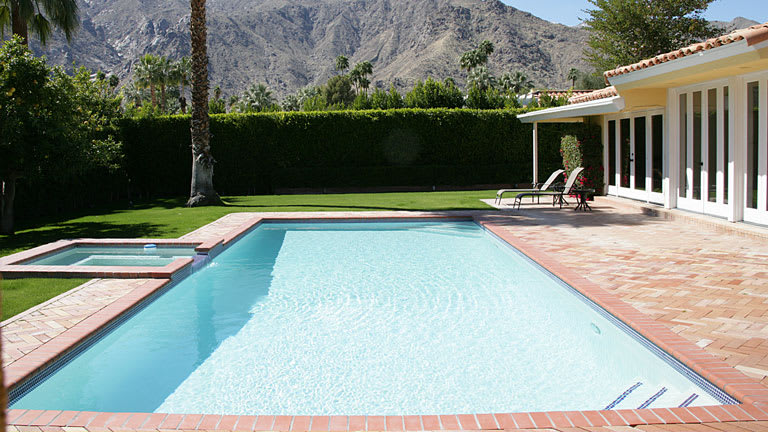
From small leaks to broken pool pumps, how much do pool repairs cost? We'll break down what to expect from your pool repair bill no matter the size of the fix.
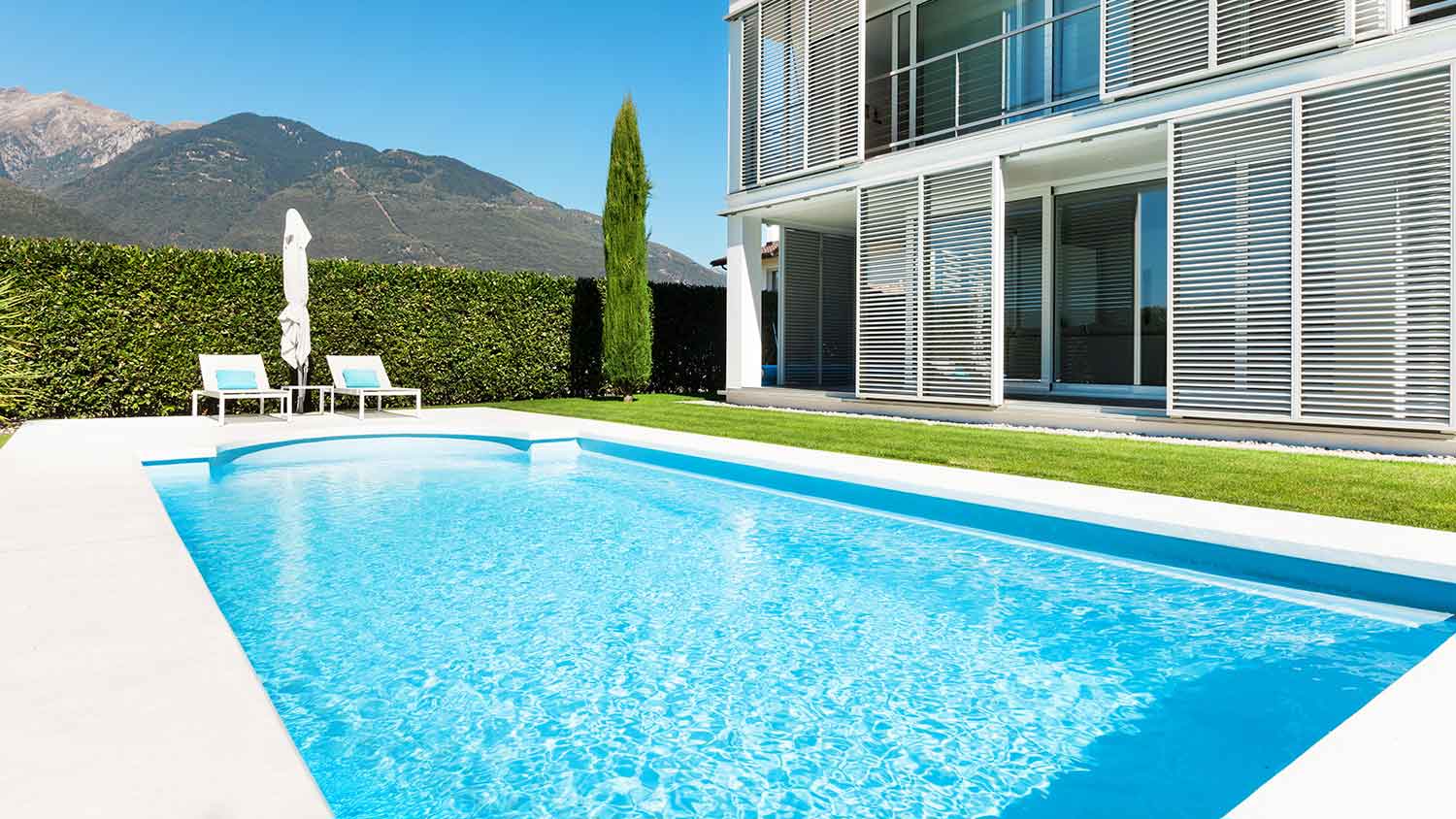
Don’t let a leaky pool spoil your outdoor fun. Learn who to call to check for pool leaks so you can get back to enjoying your pool as quickly as possible.
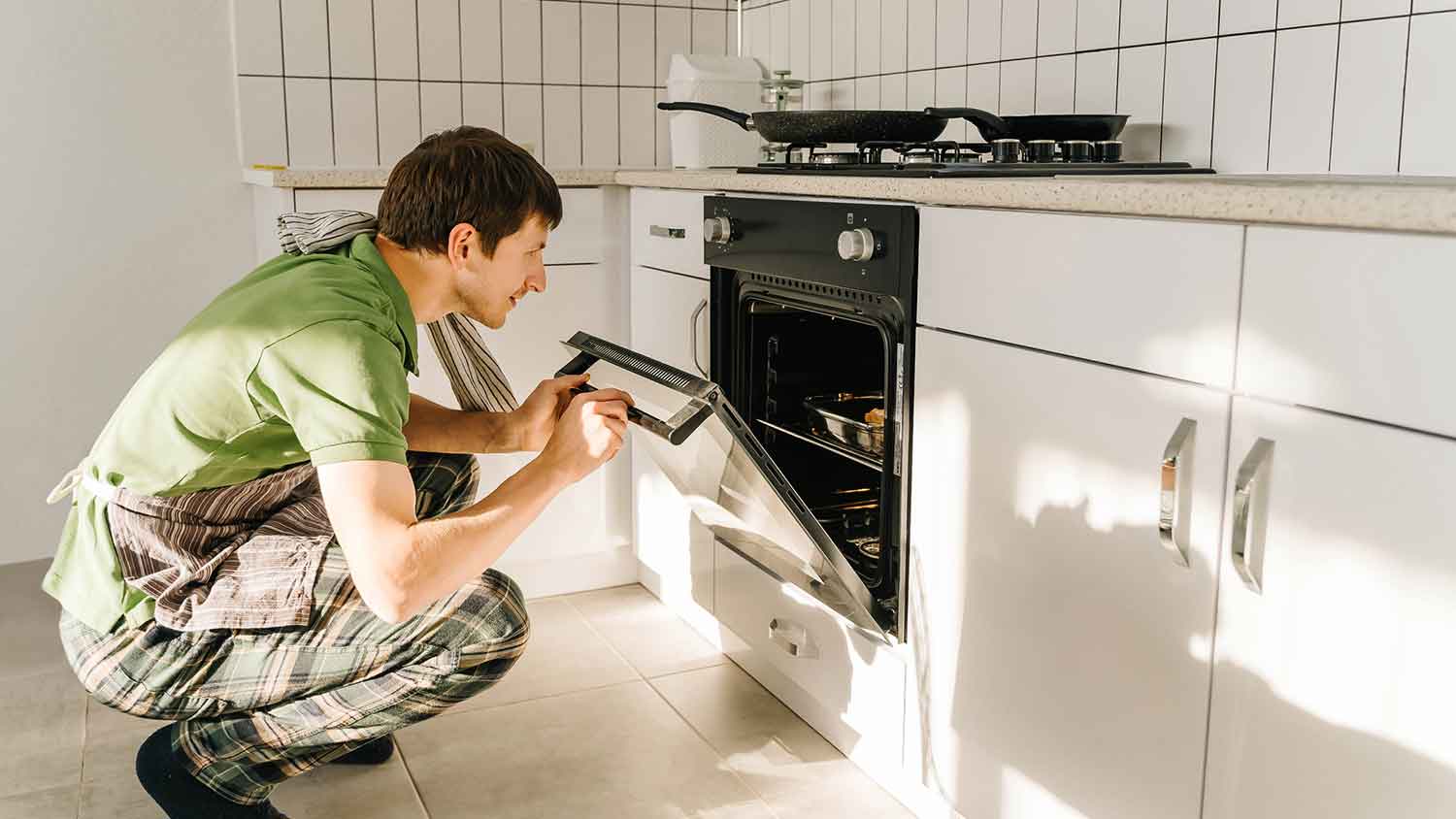
Understanding the signs of a gas leak in your house can keep your family safe. Know what to look out for and what to do if you suspect signs of a gas leak.
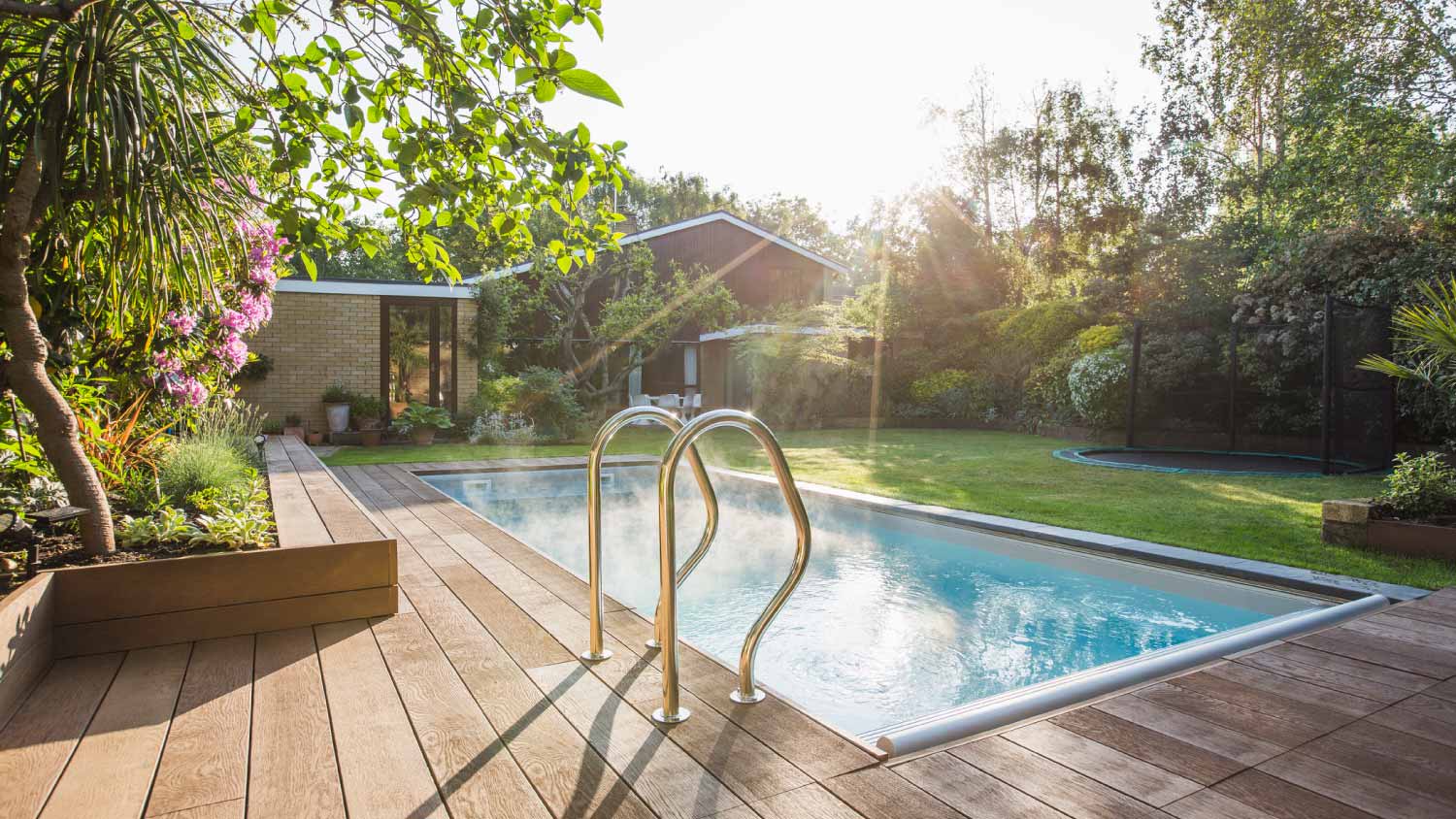
If you think your pool is losing water, read this guide to learn how to find a leak in a pool and quickly find the source of the problem.

Always check out a potential pool leak as soon as possible. Read this guide to find out who to call if you think your pool is leaking.