

The cost to paint a hallway or foyer depends on several factors, including paint type, size of the room, and whether you DIY or hire a professional.
A little risk can bring big, bold results

Painting a wall black absorbs light differently than lighter colors, so you need proper ambient, task, and accent lighting to keep your room from feeling dark and closed-in.
Expect to pay $300 to $2,800 for professional room painting, with extra costs of $1 to $2.50 per square foot for ceilings and $1 to $3 for trim.
Your black paint needs a gray or black tinted primer for better coverage, and you should plan for at least two coats to achieve a solid, even finish.
Hiring a local wall painting professional provides expert help with surface prep, primer selection, and applying multiple coats evenly for a polished, professional look.
Painting walls black is bold—there’s no doubt about that. But what was once a risky choice is now more popular than ever, thanks to interior paint trends. Although black paint has become more on-trend, it’s still a classic color that can be used in a variety of design styles, from farmhouse to mid-century modern and traditional.
Plus, it looks good on everything from accent walls to trim, ceilings, and doors. If you want to transform your blank or beige walls with a coat or two (or even three) of black paint, the following steps can help prepare you for the process, from selecting shades and sheens to using the right materials.
Before you fill your cart with paint supplies and take a swatch to your local hardware store, it helps to know exactly what area you plan to make your canvas. Painting a black accent wall may require fewer materials than four textured walls in a bigger room.
Making this decision first will help prepare you for the inevitable supply run and make purchasing paint less complicated. Plus, if you want to paint trim or plan to get creative with interior door paint, you may need specific tools tailored to those areas.
Although it may seem easy to pick a true shade of black, it’s best to test a few samples on the area you’ve decided to paint to see what it looks like once it goes up. What may look like solid black on a swatch may actually look more gray or green or blue on the wall, depending on the paint’s undertones.
Test a color before you commit by painting large swatches on your walls and seeing how they look during different times of day.


After you’ve selected a color, it’s time to pick a sheen. This may seem like a small decision, but it can make a difference in the durability of the paint. Your lifestyle is also an important factor in picking a finish—if you have multiple kids or animals, eggshell or satin sheens are more durable options that will be easier to clean or touch up over time.
Highly textured or imperfect walls will be more noticeable with a matte finish, as will scuff marks or scratches. If you’re painting a room or wall that gets less traction, a matte sheen may work for you.
Proper preparation is key when it comes to a professional-looking paint job, and the materials and tools you use will help set you up for success. You may need specific brushes, rollers, and naps, depending on what areas you’re painting.
Painting wall corners and trim will require the use of an angled brush, with a width of about 2 to 3 inches for detail work. A standard roller size is 9 inches, but some come smaller for tighter areas.
Your roller will also require a nap, which slips over the top and helps lay the paint on the wall smoothly. The more textured your wall is, the thicker the nap will need to be to cover every inch. A standard nap size for smooth and semi-smooth walls is 3/8-inch, whereas rougher areas like ceilings require 3/4 to 1-inch naps. This is especially important for painting with a darker color since better coverage will mean fewer coats.
Lighting, whether natural or artificial, can make all the difference between a room that looks dark and dingy as opposed to moody and sophisticated. Black paint absorbs light differently than lighter colors, so adding accent, task, and ambient lighting or a more prominent chandelier can add dimension that makes your paint shine—literally.

You can achieve a bold, moody look by painting an entire room black, but you may need to incorporate a contrasting color to balance it out. A bright white shade on the trim makes your walls stand out without taking away from the statement you’re trying to make. From floor trim to windows and crown molding, white trim looks crisp and clean against a black backdrop that still looks sleek.
Bathrooms and kitchens are less obvious places to use black paint, which makes painting those spaces all the more edgy if that’s the route you decide to take. And nothing brings out the saturated tones of black paint quite like a coordinating fixture.
In this case, the handles, knobs, and plumbing fixtures you select are almost as important as the shade of black you put on the walls. Brass fixtures against dark walls bring a bit of modern glam to the room, while matte black options add a monochromatic element that feels new and futuristic.
It depends on the mood you want to set for your room. Painting your ceiling black creates a bold, unique look that makes a space feel warm and cozy. Black ceilings often look good on ceilings that have unique architectural elements like exposed beams or crown molding. Black ceilings can, however, make a room feel small. Keep this in mind before painting.
You should use either a gray or black primer for a black room. The darker the primer is, the better it will work, so black primer is the best option.
If you’ve never painted a room before or want to paint an area that’s hard to access, your best bet is to hire professional wall painters near you. They’ll have experience to lean on and the necessary tools, like ladders or spray guns, to complete the task safely and efficiently.
The cost to paint a room is $300 and $2,800, depending on the amount of prep required. If you want to paint the ceiling as well as the walls, you can expect to pay an extra $1 to $2.50 per square foot or an extra $1 to $3 to paint your trim.
Custom Paint Jobs LLC is the go-to choice for all your painting needs. They painted both the interior and exterior of my house flawlessly. Their work speaks for itself!
 Custom Paint Jobs, LLC
Beginning with the estimate, Larry and Peyton were super helpful in getting my new condo's interior re-painted. Not only was the job well done, but also done in a super timely manner as promised.
 Five Star Painting of Plain City and Powell
From average costs to expert advice, get all the answers you need to get your job done.
The cost to paint a hallway or foyer depends on several factors, including paint type, size of the room, and whether you DIY or hire a professional.
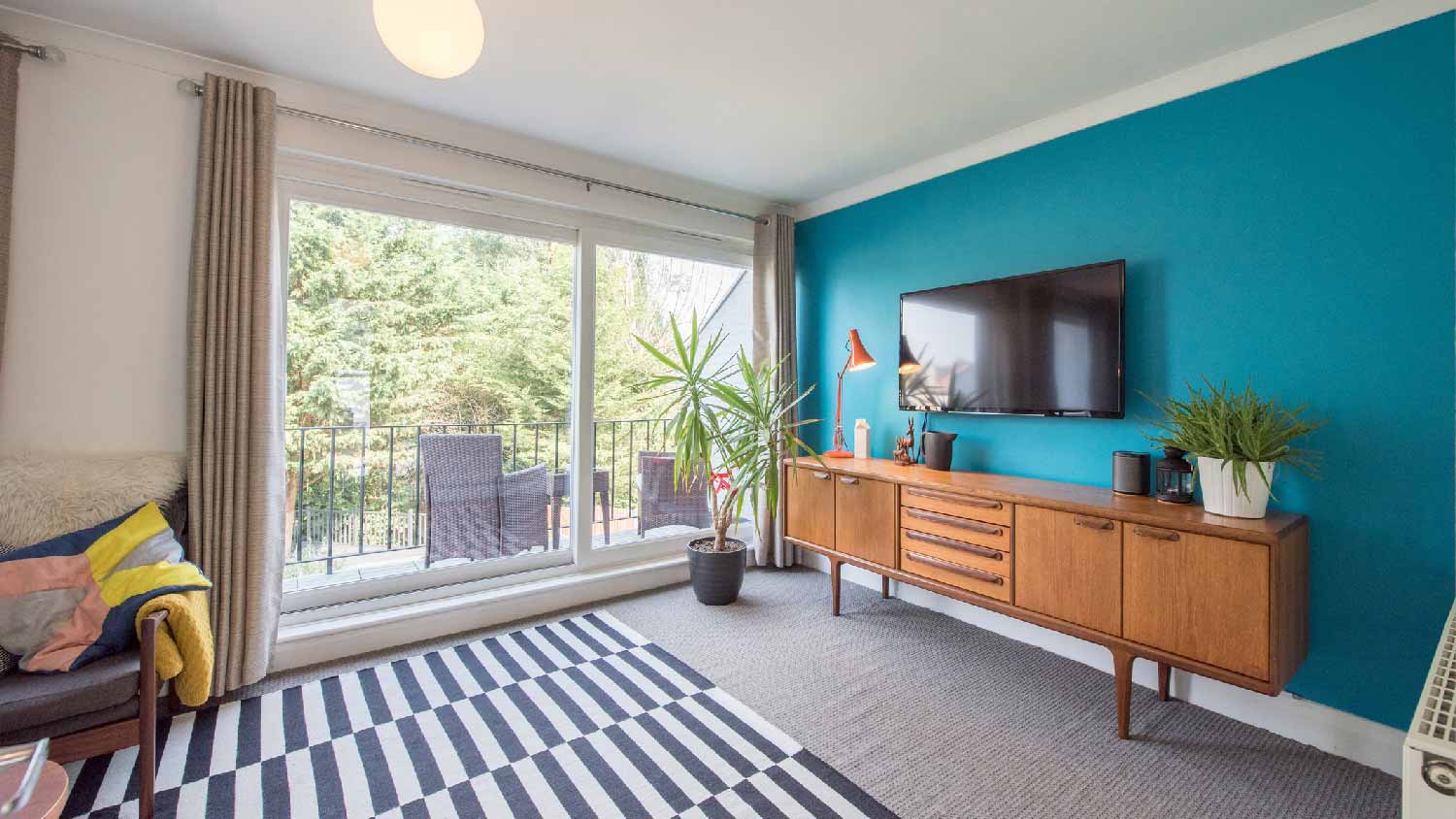
An accent wall is a great way to elevate any room. Find out how much it costs to paint an accent wall and what factors affect how much you’ll pay.
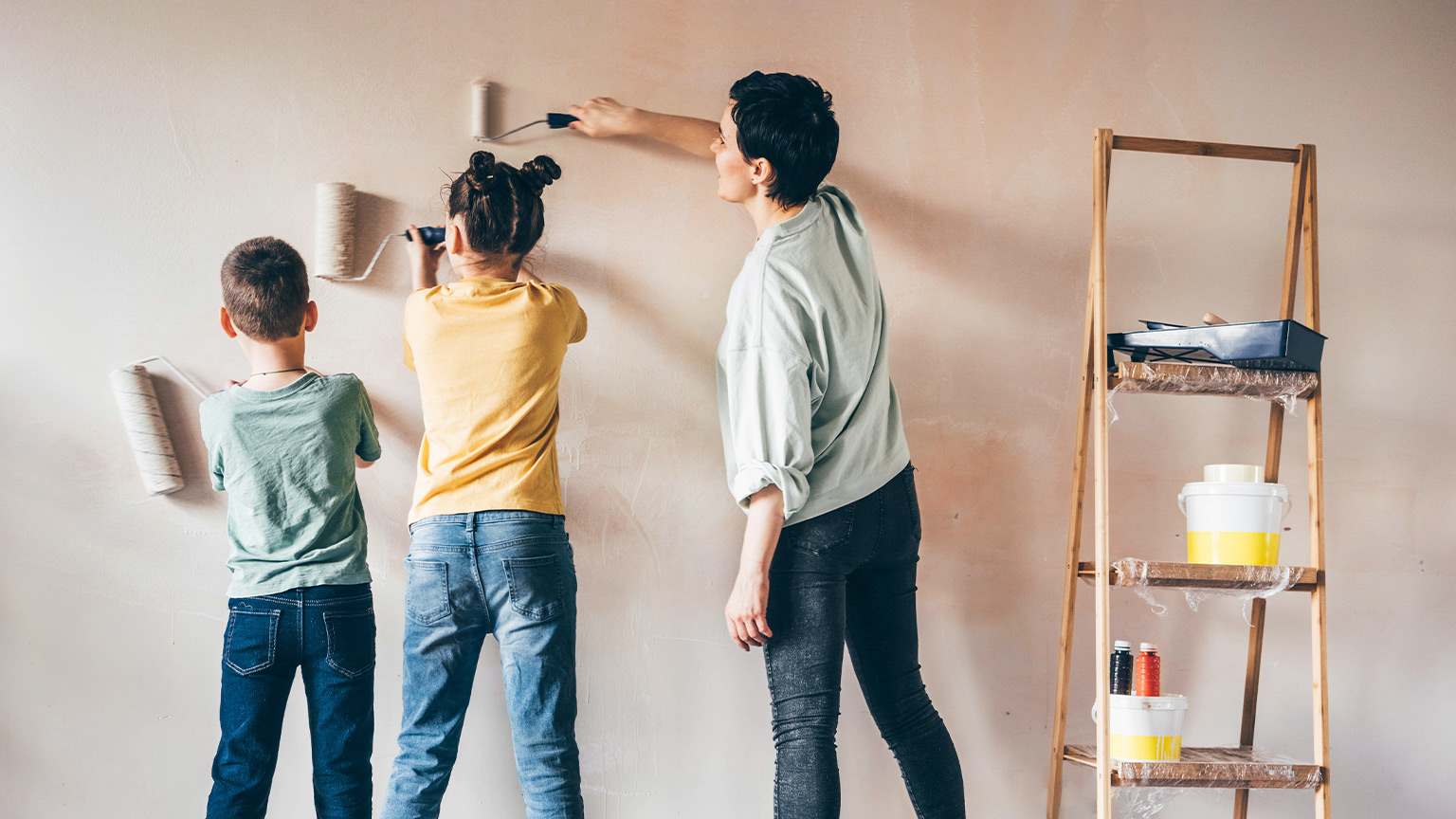
Have a blast creating the perfect accent wall for your home with these unique wall painting textures, colors, and techniques. Use our list of DIY, kid-friendly, geometric, and patterned ideas to inspire your next painting project.
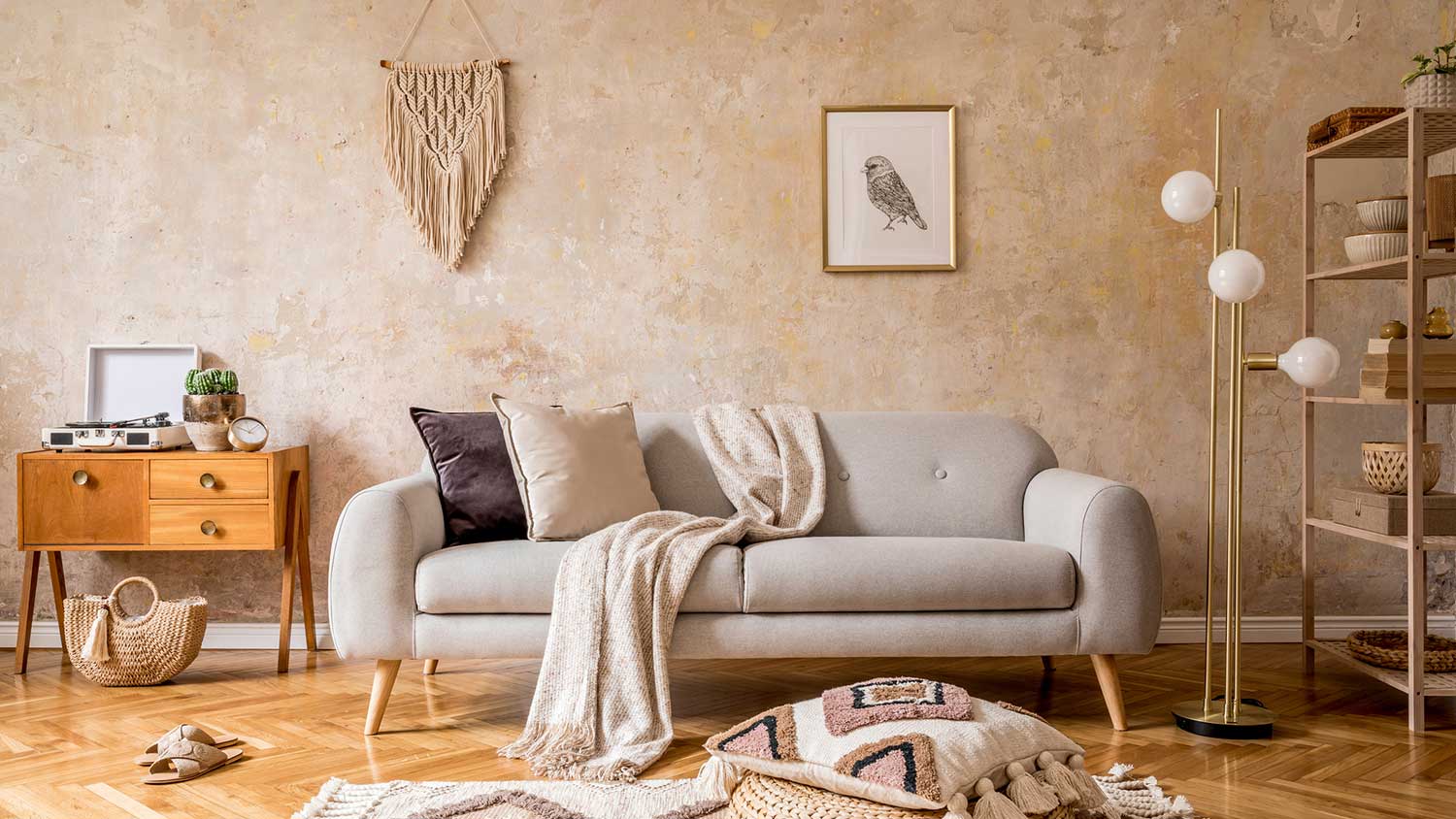
These creative paint techniques can help you create a show-stopping aesthetic with a few supplies and a free afternoon. Try these wall painting techniques today.
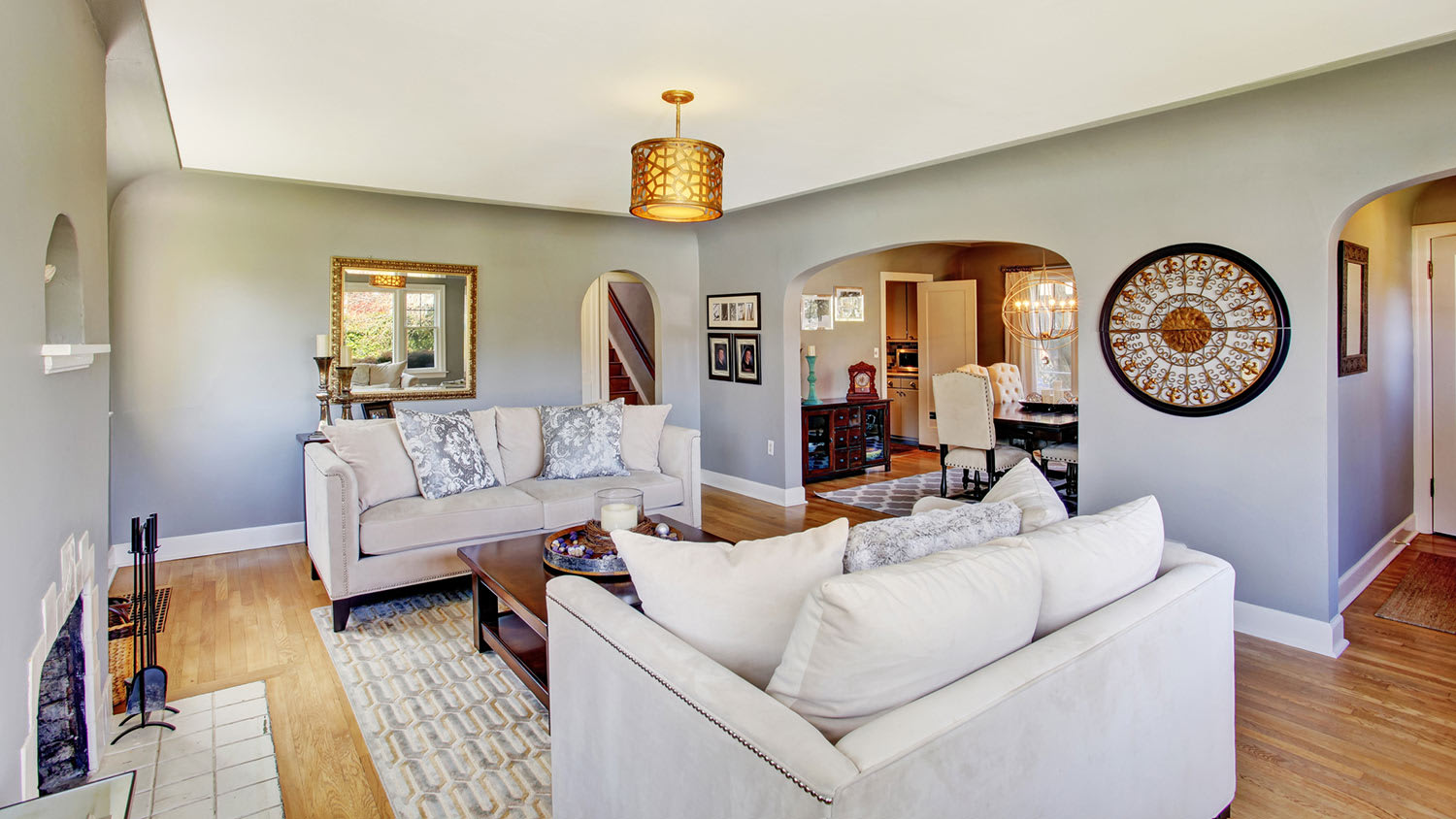
You can paint over plaster walls, but you’ll need to properly prep the surface first. Learn how to paint over plaster for a smooth, lasting finish.

Looking to spice up a kid’s room or play area with a unique mural design? You don’t have to be an artist—anyone can paint a mural on a bedroom wall with these easy tips.