

Discover the cost to install washer and dryer hookups in Denver, CO. Learn about price factors, labor, materials, and tips to save on your laundry room project.
Appliance repair costs depend on your project and location. Check with a local pro for your specific job.

The cost to move washer and dryer hookups in Denver, CO, ranges from $45 to $200 per hour when hiring a pro.
Extending pipes, drain lines, and power connections has the biggest impact on price.
You may need multiple trade permits for your laundry relocation project, starting at $20.
Hiring a local appliance pro to move washer and dryer hookups ensures that your project complies with codes.
The cost to move washer and dryer hookups in Denver, CO, averages $1,270, and most homeowners pay between $899 and $1,904. Total prices vary according to the distance from the new hookups to existing utility connections, since extending plumbing, electrical, and other services can add to labor and material needs. Older homes in historic districts of Denver, CO, may require additional utility work and other upgrades to bring the building up to code.
The cost to move washer and dryer hookups in Denver, CO, depends on plumbing modifications, electrical upgrades, drywall repairs, and new machine installation.
A cut-off valve is necessary to stop the water supply to your washing machine. Your washing machine cut-off valve will likely cost $10 to $30 per line.
Relocating your washing machine gets trickier when plumbing costs are involved. And one major plumbing cost for relocating your washer and dryer is installing a drain line. Depending on how close it is to the existing plumbing, the price could range anywhere from $380 to $1,940.
If you try to tackle this work yourself and make a mistake, you’ll need to get a plumber in pronto. However, costs will be significantly higher. Emergency plumbing costs up to three times as much as standard plumbing.
Your washer should run on a standard 120V outlet, while dryers need a high-powered outlet (240V) for proper power. The cost to install a new outlet and circuit is around $315 if you need one for the washer, and about $530 if you need a 240-volt circuit for the dryer. The type of dryer plug on your unit will impact electrical costs.
If you’re installing a gas dryer, you’ll need to factor in the cost of running gas lines to your new laundry room. Prices vary, but the cost for a new gas line typically falls between $210 and $5,290 or more, based on how far you run the lines. Expect to pay around $20 per linear foot. You also may need to cap an existing gas line, which costs around $130.
Dryers need a place to push out that hot air, so don’t forget to consider installing a dryer vent. A new dryer vent costs an average of $105 but can reach $1,060 depending on the length of the vent.
After you finish installing new hookups, you’ll likely have some minor drywall repair needs. Minor drywall repair can cost as little as $105, and your plumber or electrician may even include it in their labor cost. Sometimes, when moving your washer and dryer, you’ll uncover mold or water damage that needs further attention. In these cases, it’s best to call a mold remediation pro to test and suggest the best course of action.
Once you’ve set up everything, you’ll have to think about installing the units and moving the washer and dryer. If you’re buying new units, many will include installation in the cost. If that’s not the case, you can find an appliance installation service near you and get it done for about $55 to $185 per unit.
How much you’ll pay to hire a local appliance pro in Denver, CO, to move washer and dryer hookups is based on labor rates, permit and inspection fees, and additional trades involved.
Rates for local plumbers or appliance pros in Denver, CO, range from $45 to $200 per hour to move washer and dryer hookups. Basic jobs may have flat fees, such as moving hookups to a wall with existing utility connections, but more complex projects with significant utility modifications may require a custom quote. Expect higher rates for plumbers who have advanced certifications or who are qualified to work on gas lines.
In Denver, CO, moving washer and dryer hookups requires separate trade permits from the Community Planning and Development Office for plumbing, electrical, gas, and venting modifications. Permit fees depend on the project’s value, starting at $20 for up to $500. Some projects may be exempt from plan review fees and instead eligible for the quick permit process.
Moving laundry hookups frequently requires hiring a coordinated team of tradespeople, especially when dealing with complex business codes in Denver, CO. In addition to a plumber or appliance pro, many homeowners hire these other types of professionals to ensure their projects are code-compliant and safe:
Electrician: $55–$110 per hour
Dryer vent specialist: $90–$160 per hour
Drywaller: $0.90–$3 per square foot
General contractor: 10%–20% of total project cost
Relocating washer and dryer hookups has an indirect effect on home value in Denver, CO. Moving hookups from inconvenient locations to more functional spaces, such as from a basement to a dedicated laundry room, improves accessibility and overall appeal to buyers. If relocating washer and dryer hookups is part of a larger laundry room remodel, you may see a return on investment (ROI) ranging from 40% to 60%.
To help homeowners plan their next project, Angi provides readers with carefully researched cost data and upholds strict editorial standards. We start with national average project costs, which we collect by analyzing competitor information, retailer material costs, and input from professional contractors. We then apply local price index data to calculate location-specific estimates that reflect what homeowners typically pay in their local area. To do that, we use data from the U.S. Bureau of Economic Analysis (BEA), including its Regional Price Parities (RPPs), which measure price differences across cities. This helps us account for differences in labor, materials, and overall cost of living, so estimates in higher- or lower-cost areas better reflect real-world local pricing.
Every estimate undergoes a thorough editorial review to verify accuracy, consistency, and alignment with observed market conditions.
Want to help us improve our cost data? Send us a recent project quote to [email protected]. Quotes and personal information will not be shared publicly.
The technician Supreme Appliance Repair sent out was very thorough. He diagnosed the problem, fixed it and was on his way after about 2.5 hours. I would definitely hire them again!
 Supreme Appliance Repairs
Our refrigerator stopped cooling properly and Jordan responded first when I posted a repair request and made an appointment for first thing the next morning. He was on time, very knowledgeable, and professional. He obviously knew what he was doing and very quickly diagnosed the problem was a...
 repair it appliance LLC
My appliance tech was on time,knowledgeable, and friendly. Would ask for him by name for future repairs
 Master Appliance Tech
Had a great experience with Artemis Appliance Repair when my dryer quit heating up. They came out the same day I called and fixed it right then and there. Super happy with how fast and efficient they were. Definitely recommend them if youâ re having issues with your appliances. These guys...
They are reasonable in their service charge. They are also very honest and explain everything very clearly. I would recommend them for any appliance repair need that you may have.
 Snappy Appliance Repair LLC
Reliable friendly service. Very knowledgeable technician. I would definitely recommend this service if you are in need of any appliance repair.
 Appliance-Appliance LLC
Fast, effective repairs. A bit pricey, but apparently in line with other companies.
 Jump HVAC
Great customer service. Great repair!
 BnahWelding
He fixed my appliance quickly and was very professional. Will definitely hire again.
 PG7 Service
The repair guys are overworked and scheduling is a pain to work with but they do a good job fixing my appliances, are friendly, and wear masks.
 Action Appliance, Inc.
From average costs to expert advice, get all the answers you need to get your job done.
Discover the cost to install washer and dryer hookups in Denver, CO. Learn about price factors, labor, materials, and tips to save on your laundry room project.
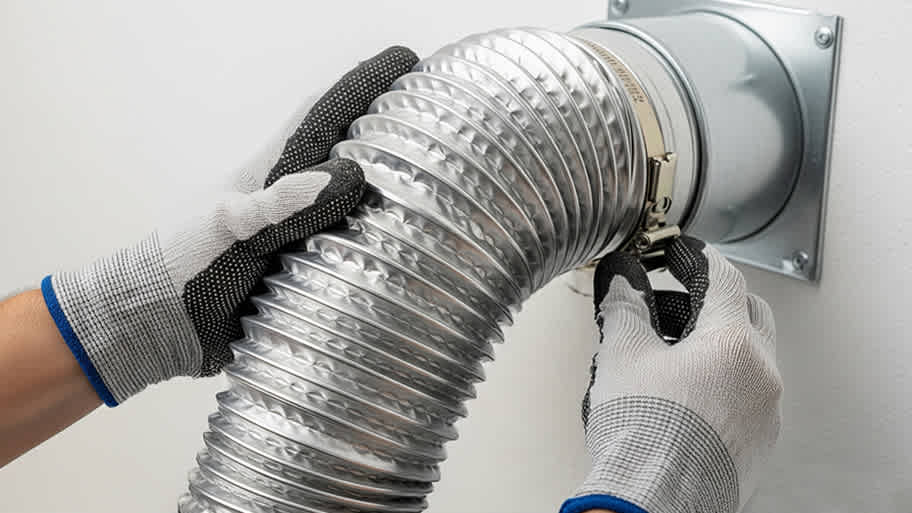
Read our tips to understand the key factors involved in dryer vent cleaning costs in Denver, CO, including vent length and where it's located.
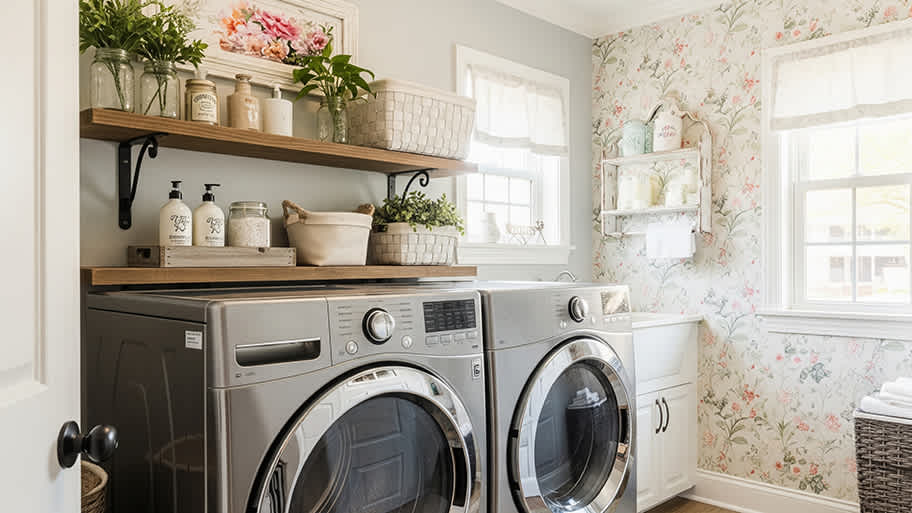
The cost to relocate washer and dryer hookups varies based on location, as well as whether your moving the appliances and adding new hookups. We’ve compiled a full price breakdown here.
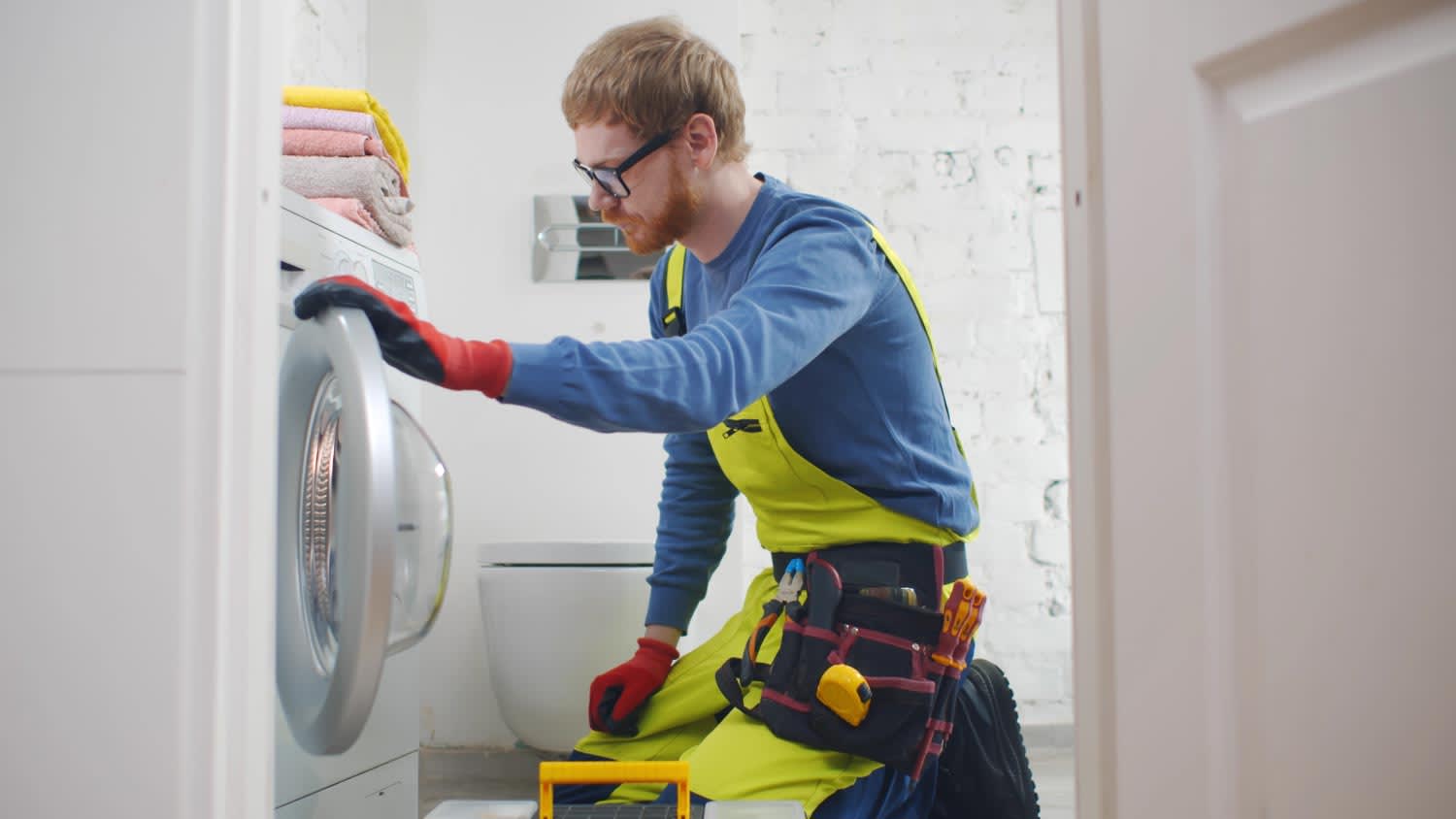
Finding the right pro to install your new washer and dryer will help the machines work better, last longer, and ensure everything is connected correctly.
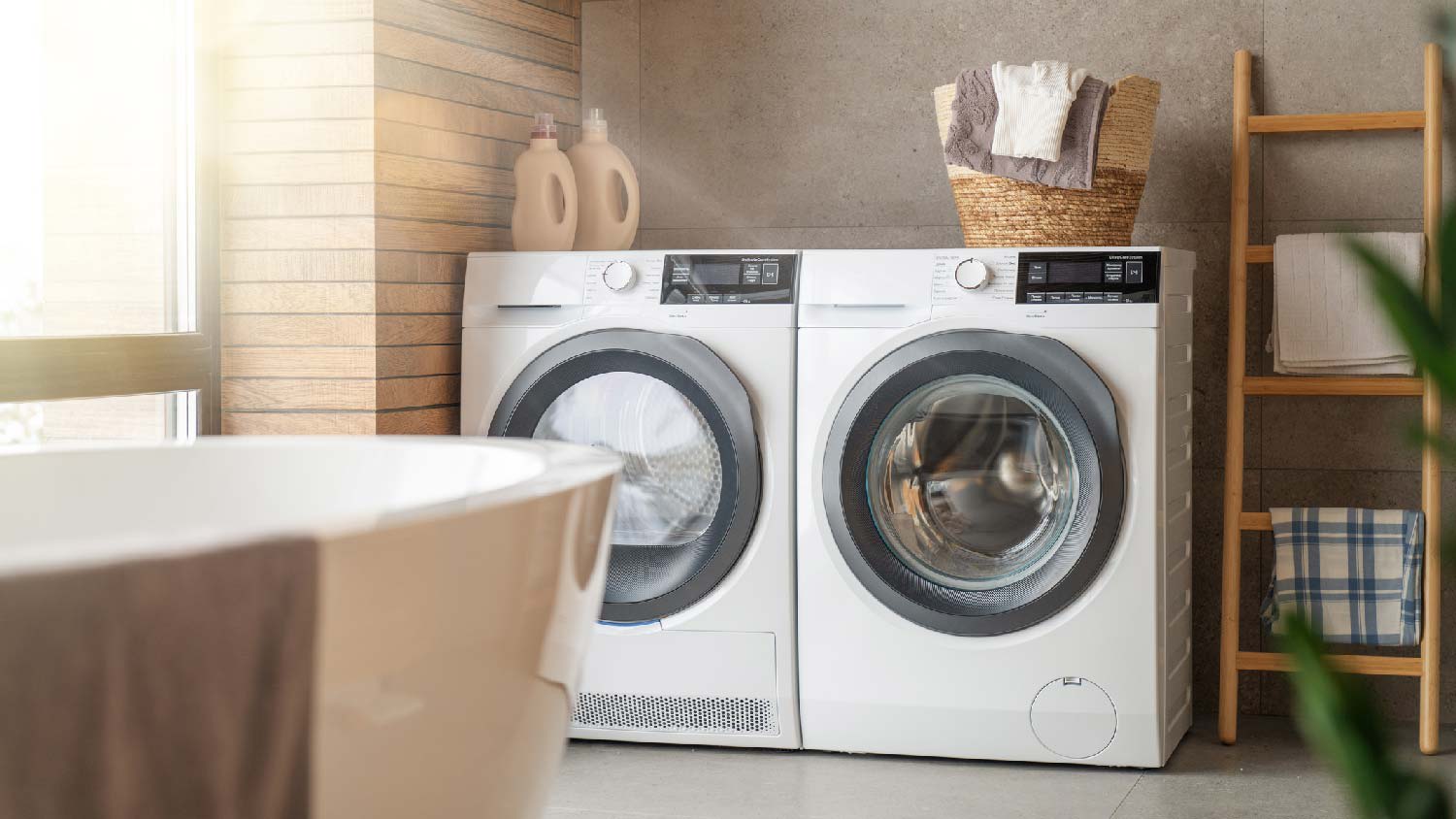
The best option for who to hire to relocate a washer and dryer is a washing machine repair pro, but you also may need an electrician, plumber, and contractor.
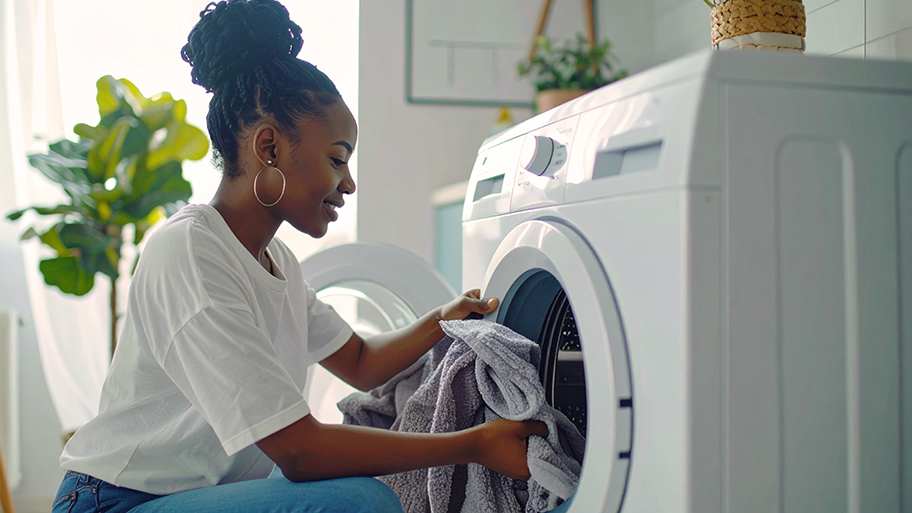
Looking for a new washer or dryer to keep your clothes fresh and clean? Learn how to choose a washer and dryer by knowing what to consider.