
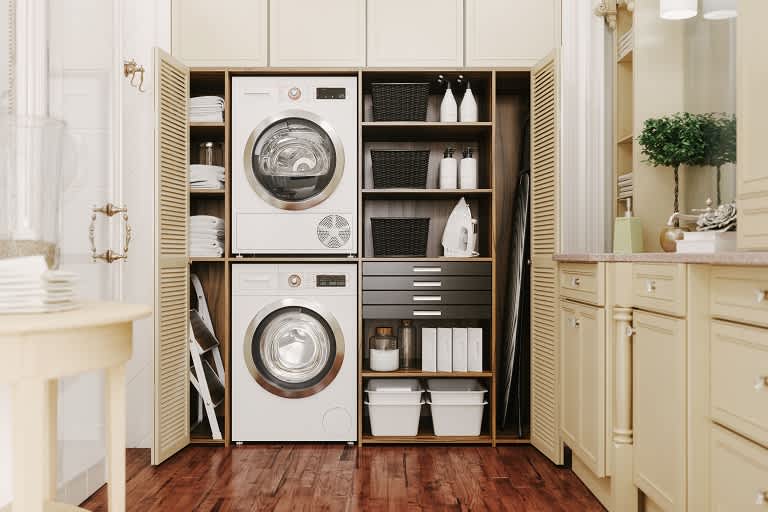
Building a laundry room addition to your home adds value and functionality. Your laundry room addition cost will depend on size, materials, and other factors.
Know the laundry room plumbing code to ensure a squeaky clean inspection

Meeting laundry room plumbing code requirements starts with understanding that your washing machine drain hose and standpipe need at least a two-inch diameter for proper drainage.
Your washing machine drain needs a P-trap positioned 18 to 30 inches below the standpipe top to prevent sewer gases from entering your laundry room.
Water supply lines for your washing machine must be at least a half-inch in diameter, using rigid copper pipes, PVC, or PEX tubing for reliable connections.
Hiring a local plumbing professional keeps your laundry room installation on track with code-compliant drain lines, P-traps, and proper standpipe positioning for safe operation.
Establishing a laundry room may seem as simple as setting up a washing machine and a dryer before deciding on your favorite brand of fabric softener. There are, however, plumbing codes that govern the size and location of pipes, vents, and drains for these machines. You will need to understand the particulars of these codes if you want to pass an inspection.
Plumbing codes are regulations that provide minimum requirements for the safe design, installation, use, and repair of appliances and fixtures that operate with a water supply in residential and commercial buildings. Those appliances include toilets, sinks, and washing machines, as well as their drainage systems.
Many provisions of these codes can vary by locality; however, the installation of laundry room fixtures mainly falls under the Universal Plumbing Code (UPC) or the National Standard Plumbing Code (NSPC). Because no two laundry rooms are designed the same, compliance with a plumbing code involves familiarity with its various sections and how they apply to your space.
While the UPC and NSPC cover a wide range of the minimum requirements for water supplies and drainage in buildings, there may be individual codes that your county, city, or state follows specifically.
If a section of your local plumbing code differs from or supersedes the UPC, you should be fully aware of the differences to avoid running into a roadblock with plumbing inspections. You can find the local code by searching on the website of the appropriate government or regulatory commission for your area. You can also request the information from your building inspector.

The water your washing machine uses has to go somewhere once the load of laundry has finished the wash cycle. Washing machine drain codes dictate how that water drains and where it ends up.
Washing machines feature a drain outlet to attach a flexible hose. This hose must then run upwards to fit over the edges of a vertical pipe called a standpipe. According to the UPC, both the hose and the standpipe must have a diameter of at least two inches, and the top of the standpipe must be higher than the flood rim of the washing machine.
Plumbing codes require that any water passing through a standpipe also go through a P-trap, which is a P-shaped section of pipe designed to prevent noxious sewer gases from backing up into your laundry room. The P-trap should be 18 to 30 inches below the top of the standpipe, and the top of the water level inside the drain arm of the P-trap must be six to 18 inches from the floor.
Finally, the P-trap connects to a drain line that runs vertically to a feeder line or directly to your building’s drainage network. The minimum diameter of the drain line is two inches, but the size of the drain line can vary based on individual building codes.
Having a floor drain in a laundry room can be a good idea. In any area where you are dealing with a water supply, overflow will always be a possibility. If your laundry room is on the ground floor or in the basement of your home, directly connecting it to the building’s drainage system is easier than mopping up large spills.
If you intend to have a floor drain in the laundry room, the pipe attached to it must be at least two inches in diameter to dispose effectively of excess water. The opening to the drain must be covered by a strainer to minimize clogging or debris getting into your sewage system. To facilitate proper draining without leaving standing water, the floor needs to slope toward the drain at a minimum of one quarter-inch per foot.
If your floor drain has a vented trap that connects directly to the sewer and it does not empty into a sump pump, you could attach your washing machine’s outlet to it. It is not necessary to do so, nor are there any codes dictating that you need to drain your machine through the floor. But it could be handy in cases where you do not want to open a wall to install a new washing machine.

A washing machine needs water to function, of course. There are fewer plumbing codes governing the water supply to your laundry room, and many of them are closer to guidelines than regulations; however, you should still be familiar with these provisions.
Supply lines that bring hot and cold water must be at least a half-inch in diameter. These water branch lines tend to be made from rigid copper pipes, but PVC or PEX tubing is also acceptable. The washing machine connects to these supply lines via a flexible hose, typically made from braided steel, to allow movement while the machine is running.
Not every laundry room needs to include a sink, but it can be handy for hand washing delicate clothing or prewashing heavily soiled items before sending them through a laundry cycle.
There are not many requirements for laundry room sinks due to them being used mainly for utility purposes. According to the National Standard Plumbing Code, a laundry sink should be at least 12 inches deep with a strainer over the drain. The drain outlet connection for the sink should be at least 1.5 inches in diameter.
There are a variety of plumbing codes to keep in mind, along with provisions, updates, exceptions, and areas. If you believe that your laundry room may not be up to code, or if you would like plumbing tips to help maintain your washing machine, contact a plumbing pro near you for more information.
Positive experience. As previously stated, the replacement/repair could not be completed (no fault of the plumbing tech) b/c misinformation was rec?d by property management maintenance. Thanks to the plumbing tech for your efforts. Appreciate you!
 The Waterworks
If you want to pay the most exorbitant prices possible for your job, this is the company for you. “By the job” pricing is a rip-off, at least how these people use it. Every job is plugged into a category and prices are set by category. You might have a job that takes half an hour or one that...
 Benjamin Franklin Plumbing
Cole has been handling plumbing and general contracting for our four properties over the past three years, and he’s always done a great job. Most recently, he installed a sink and countertop in our retail store where none existed before, and it turned out exactly how we needed. He’s...
 ANB Renovations LLC
Matt is a consummate professional. The work turned out to be far more difficult than expected and rather than turn the job down, Matt rose to the occasion and completed a near impossible task. I can not recommend Greene's Plumbing Service more highly. On a scale of 1-5 I would give Matt a...
 Greene's Plumbing Service
Involved an extensive bathroom remodel, including removing tub & installing walk in shower, new drywall, custome tile work to ceiling, plumbing, etc. Overall, job was done on time and on budget. Nick & his team were very professional and had high attention to detail. Quality was great. Highly...
 Stamos Flooring and Remodeling LLC
Awesome company. Had a jacuzzi tub taken out and replaced with huge walk in shower with partial glass enclosure. Onyx to the ceiling with a decorative border, moved plumbing and installed hand held shower, new ceiling, flooring, and paint. Replaced window with glass block. Everything was done...
 Columbus Bath Design
The initial quoted price from a walk-through seemed high, but we discussed that the quote represented worst case scenario (re-wiring to two floors) and we were excited about the opportunity to have the work done in a timely manner with closing for fire safety reasons, etc. When the job was...
Initially, I called the Service People to have a leaking garbage disposal replaced. I had purchased a special deal through Angie's List: $79 for $200-worth of plumbing services. <br /> When I went to schedule the work, the earliest date I could get through Angie's List was after the upcoming...
This company did a very good job on the brick wall and it looks just amazing. The staff was always professional and was practically OCD on how the bricks were stacked and how they were laid. Although it took longer than expected, I am willing to sacrifice time over perfection anyday. The...
 My Handy Mate LLC Improvement & Remodeling
<p>I am so glad we called Rotor-Rooter. I was hesitant to call them because we usually prefer to give business to local providers. But when we had sewage back up in our basement on a Saturday evening, I had a hard time getting a hold of someone, not to mention the high weekend/evening rate...
 Roto-Rooter Plumbing & Water Cleanup
From average costs to expert advice, get all the answers you need to get your job done.
Building a laundry room addition to your home adds value and functionality. Your laundry room addition cost will depend on size, materials, and other factors.
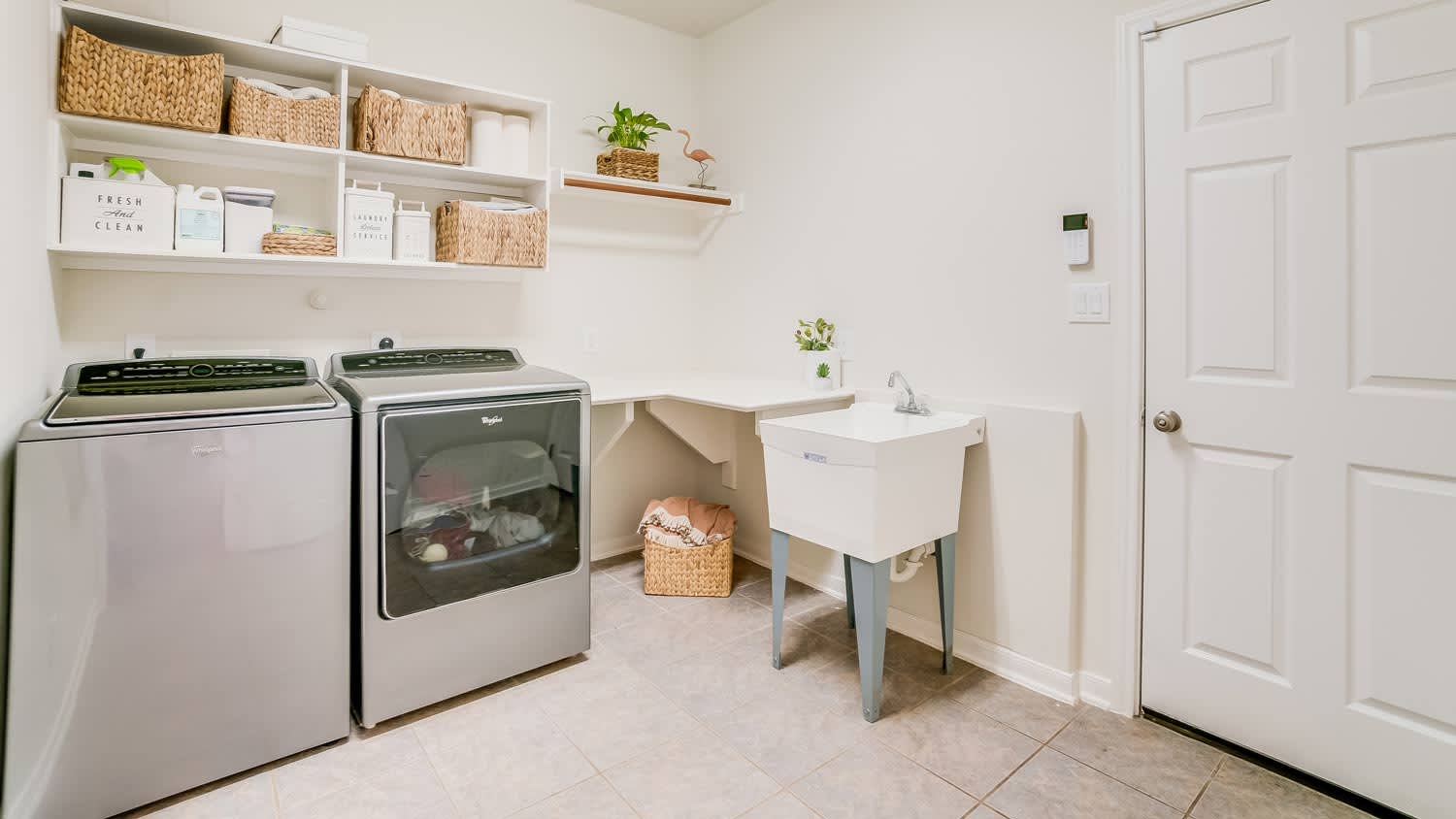
Discover the cost to finish a basement laundry room. Learn about average prices, key cost factors, and tips to budget your basement laundry remodel.
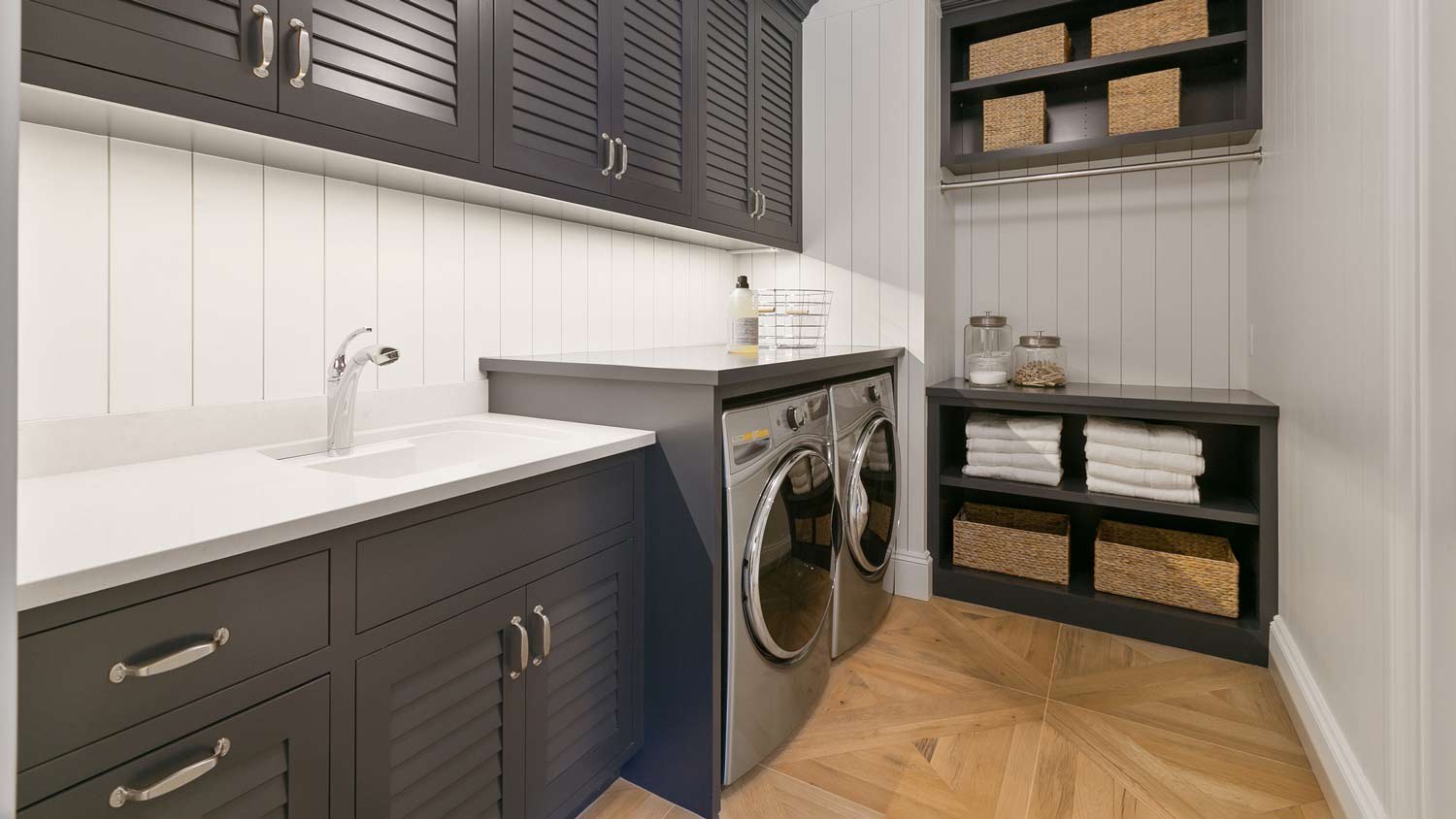
A laundry remodel can add beauty and organization to your home. Learn the factors contributing to your laundry room remodel costs.
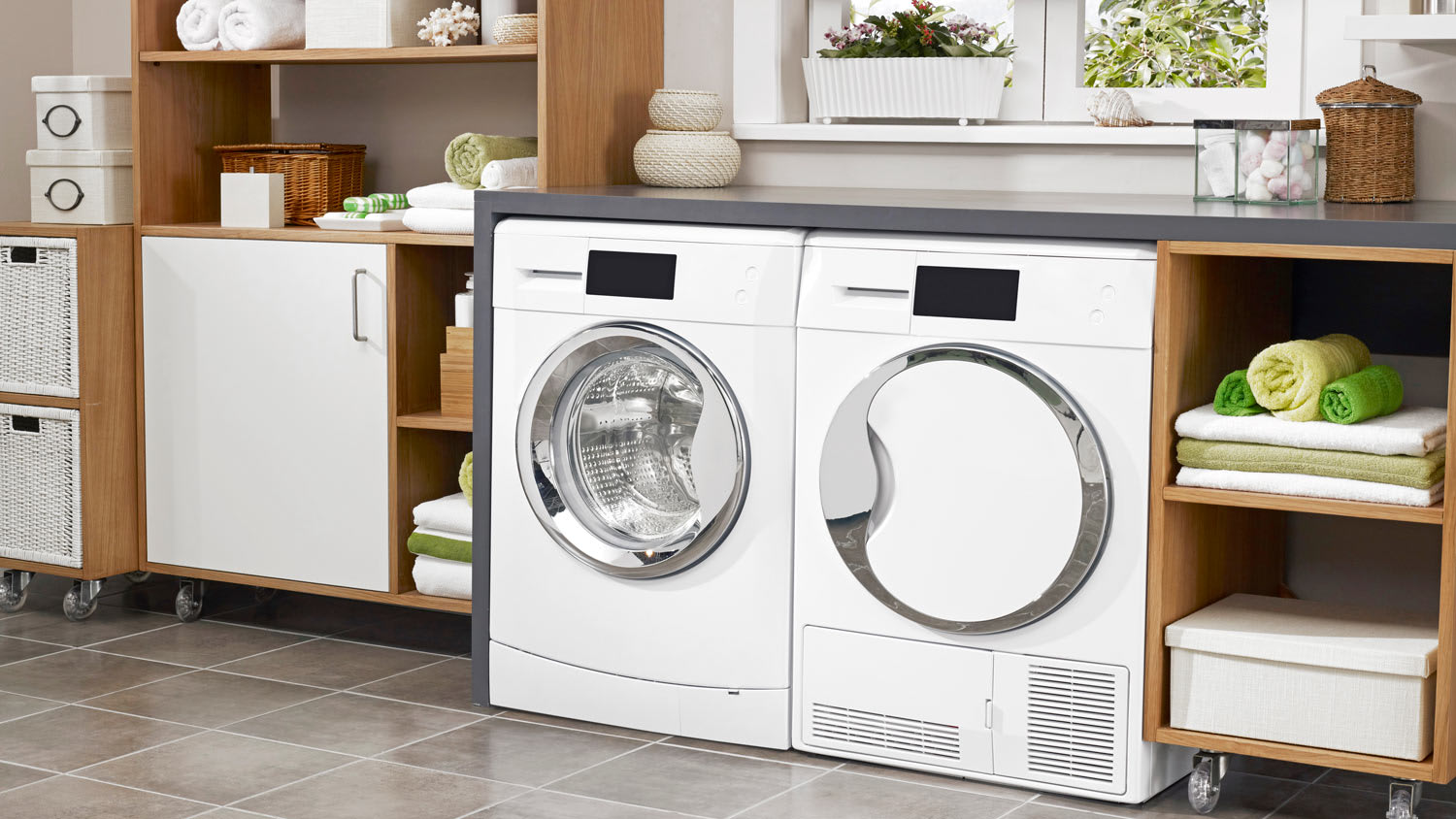
Learn how to hire a laundry room remodel contractor—from finding qualified pros to questions to ask—so you can create a functional, stylish space.
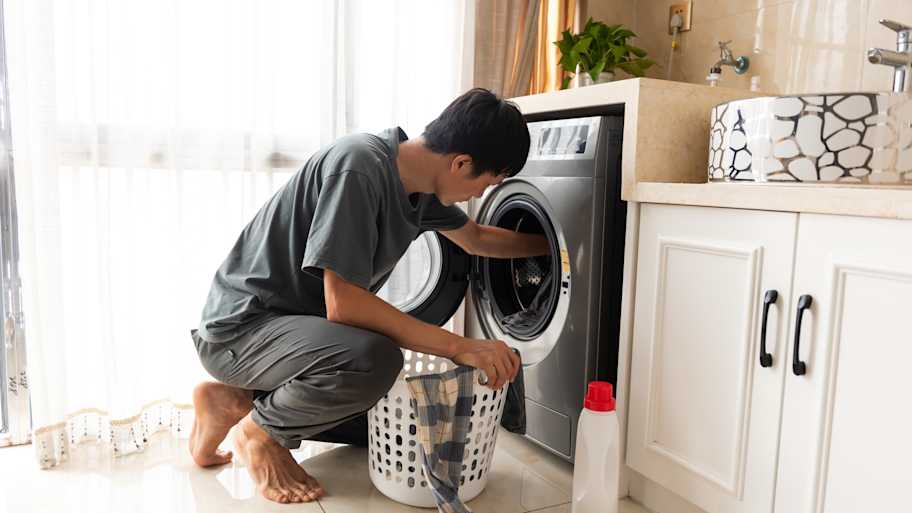
Maximize space and reduce clutter with these smart laundry room organization tips that boost function and even your home’s resale appeal.

When you’re building your dream home, the plumbing is pivotal. Learn the elements that make up plumbing for new construction with our helpful tips.