
•
Discover the cost to install landscape lighting. Learn about average prices, key cost factors, and ways to save on your outdoor lighting project.
Turn your yard into a well-lit paradise

Planning landscape lighting starts with safety and functionality, so you should illuminate stairs, driveways, and pathways first before focusing on decorative elements.
Low-voltage landscape lighting options between 20 and 80 watts offer energy efficiency and softer ambience, helping you avoid harsh glares while keeping utility bills manageable.
You can create depth and visual interest by using multiple lighting types together, such as string lights for pathways and spotlights to accent your favorite fixtures.
Hiring a local landscaping professional provides expert guidance on light placement and fixture selection, helping you create a cohesive design that highlights your property beautifully.
Learning how to install the perfect landscape lighting can be a confusing project for homeowners. There are multiple types of lighting arrangements, and each yard is completely unique. However, there are some general landscape lighting tips applicable to just about everyone. Here are the things to keep an eye on when setting up a new outdoor lighting scheme.
Landscape lighting is all about eye-catching visuals, but safety is even more important. Start any project by prioritizing safety. This means that you should illuminate areas that serve a practical purpose before moving on to aesthetics.
Set up different outdoor lights around stairs, driveways, and pathways first, and consider downlighting these areas to make walking easier. Also, take a look at the electrical system to make sure everything is up to code and that it can handle the new lighting arrangement.

Beyond safety, functionality is key. Make sure the yard is well-lit and that you eliminate any dead zones. Start by creating a detailed map of the property, which should include pathways, trees, and key landscape features. This will act as a blueprint for light placement.
Add lighting to make sure each specific part of the yard is covered. Don't worry, there will be a time and a place for showing off your unique style down the road.
The exterior of the house also deserves some of your time. Focusing on the house helps set the tone for the rest of the property.
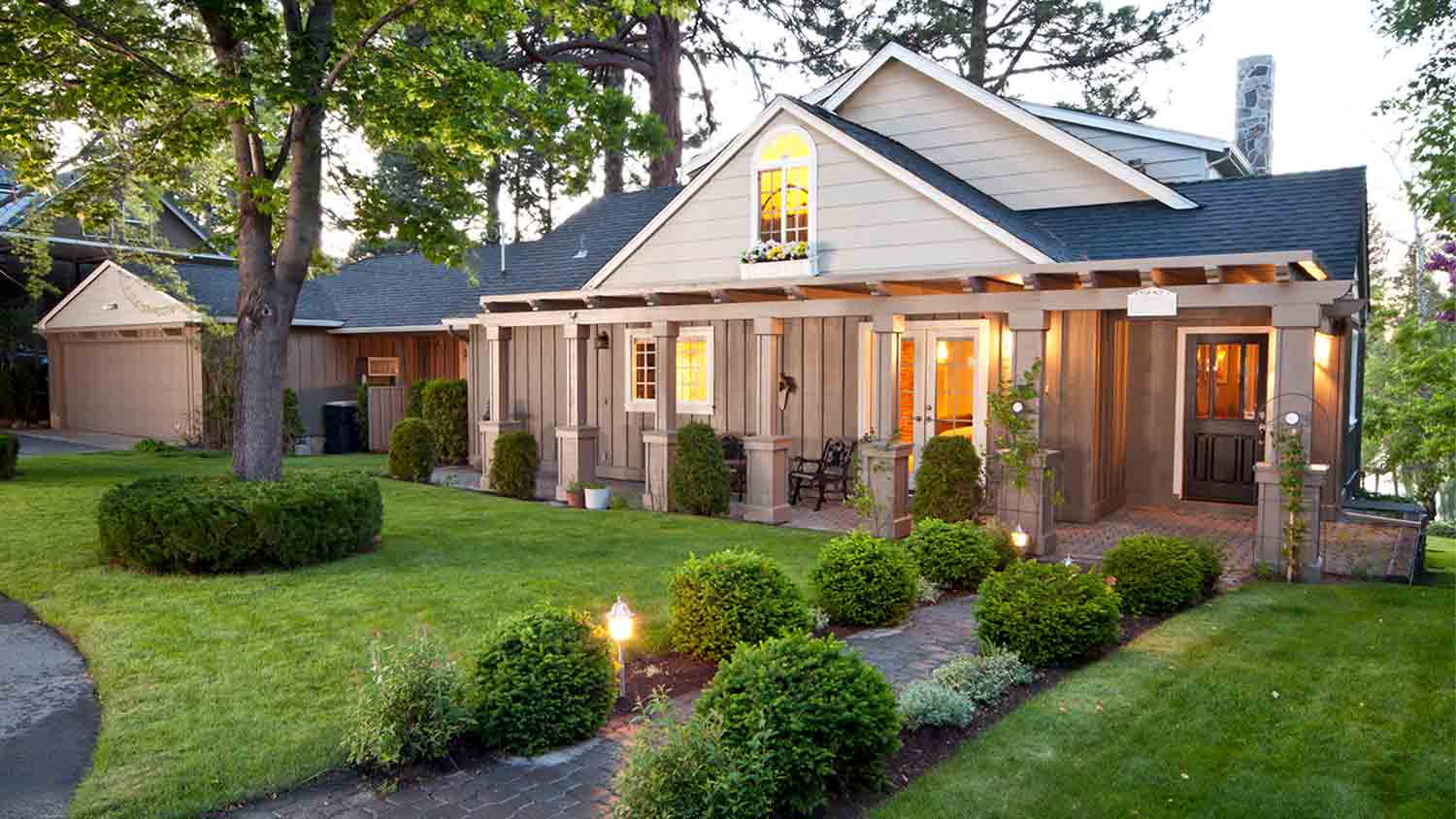
Position lighting fixtures to highlight walls and unique architectural details, like brick chimneys or unique window trim. Use soft LEDs to cast a warm glow that shows the exterior of the home in the best possible way. You'll be surprised by how much this adds to the aesthetics of the landscape.
This may sound counterintuitive, but avoid clustering multiple lights together. Though this seems like an easy way to create a unique aesthetic, it actually draws eyes to the brightness of the lights instead of the beauty of the surrounding landscape.
If you really want to emphasize a particular fixture, try angling some spotlights toward a focal point. This will create depth and a silhouette.

Low-voltage lights are preferable for multiple reasons. They are more energy-efficient than other types of light bulbs, which will keep those utility bills manageable. Lights with higher voltages also tend to produce a harsh glare when in use, which is the last thing you want when setting up an outdoor ambience. Opt for LEDs over incandescents, as the former offer greater efficiency and last longer.
Generally speaking, choose lights at around 20 to 40 watts for ambient lighting and decorative pathways. Go up to 40 to 80 watts for driveways and yards and 80 watts and higher for security lighting.
Solar panels lower energy bills and make your home more efficient overall. Set up some solar-powered lights in sunny parts of the yard. That way, they'll charge all day and glow all night.
Add some timers and sensors so the lights only operate when needed. This can drastically reduce, or even eliminate, that monthly energy bill. As a bonus, solar-powered lights have come a long way, so you'll be able to find some unique pieces that match your personal style.

The best way to incorporate landscape lighting is to use what's already there. Why build something to hold string lights when you already have trees? The same goes for exterior walls, larger plans, decking, and more.
Any of these things can be incorporated into the lighting plan. All it takes is a bit of creative thinking. Also, don't forget about small and out-of-the-way places. They deserve some lighting love, too.
Just starting? String lights are excellent for beginner DIYers. They are easy to place or string, and are available in many color variants. String lights provide ambience and look great for lighting a pathway or accentuating a particular area.

Once you've learned the ins and outs of string lights, including the best way to keep them powered, consider moving on to other outdoor lighting types. This will further diversify the aesthetic, truly letting the yard stand out from the neighbors. I
Consider things like path lights to illuminate walkways and spot lights to add a tasteful accent to a favorite fixture.
Embrace your personal style and lean heavily on the flair. You can always remove it later to simplify things. Try something like mounting lights high in trees and angling them downward to mimic moonlight.
You can also use staggered lighting along a walkway or well lights to upwardly illuminate a garden. There really isn't a wrong answer here, as long as it looks good to you.
Landscape lighting is more art than science, so it can be beneficial to bring in a pro. Contact a local landscaper to discuss options. They'll be able to come up with multiple plans of action by analyzing the landscape and pre-existing fixtures.
Most pros have contacts in the lighting industry to get pieces at wholesale prices, and these savings can be passed on to you.
Custom Paint Jobs LLC made our home feel like a piece of art. Thank you for your creativity!
 Custom Paint Jobs, LLC
Window Depot did an amazing job on my deck. I wasnt sure what I wanted to do, but their composite decking was affordable and will last a long time. I am excited to have family over, and I am no longer embarrassed by my backyard. Jeff and the ground crew were polite, respectful, and caring for...
 Window Depot USA of Central Ohio
First of all, the gentleman I dealt with (Cam?) was very responsive to my many questions and concerns throughout the project, which is a huge plus to me. From the first time I met him for the estimate all the way til the completion of the job, he and his crew were professional and respectful....
 All Star Paving and Sealing
We had a 20+ year old landscape lighting system that needed replacement. Midwest Lightscapes worked with us to design a much improved lighting system, lighting the exterior of the house and the back yard. Installation of the 45 light system took one and one-half days, and went very smoothly....
 Midwest Lightscapes
Another great success for me on home advisor. This company did an awesome job on my landscaping and stayed within my budget. The best part, the work was complete within 2 days of my initial request. Professional and responsive. I highly recommend!
 Blue Ring Residential Services, LLC
The company no showed on me twice. The 2nd time was no call no show. They were responsive to set up the first appointment to perform the "landscape cleanup". 3 hours after their initial scheduled appointment time they called me to let me know they had some "problem" with the truck and their...
 Ruby Home and Hauling Services
Received ideas for future landscape plans...quote to do the work seemed a bit high but I did not have any other quotes to compare it to, so perhaps that is the going rates. <br />
 Landscapes By Terra, Inc
All around they have done a really great job. <br /> I have used JL Landscapes for the past 8 years. I own and operate my own commercial/residential real estate company where we own, operate, and maintain our own properties. JL Landscapes has been our exclusive landscaper for both our...
 J.L. Landscapes
Bought a half a cord of firewood from Pitzer with stacking last month. I waited to report so I could see how the wood burned. <br /> <br /> I have three pet peeves regarding landscapers, but Pitzer scored "A"s regarding all three. First, rather than having customers "leave a message" and...
 Pitzer Landscaping
I left a message on Sunday requesting to schedule a time to obtain an estimate/walk-through and received a return call in the morning of the following Monday. Mark worked with me and agreed to schedule the estimate/walk-through for the following Saturday. When Mark arrived for the...
From average costs to expert advice, get all the answers you need to get your job done.
Discover the cost to install landscape lighting. Learn about average prices, key cost factors, and ways to save on your outdoor lighting project.
Get transparent landscape lighting repair cost info. Learn what impacts price, compare repair vs. replacement, and find ways to save on your project.
If you’re planning to hire an electrician to install outdoor lights, consider cost factors like light type, bulb type, quantity, and more.
Thinking about an outdoor and landscape lighting installation? Learn about options, average costs, and how to hire the right local pro for your yard.

Do you tip landscapers? Talking about tipping is often seen as a taboo, but there are a lot of nuances to getting the numbers right. This guide can help.
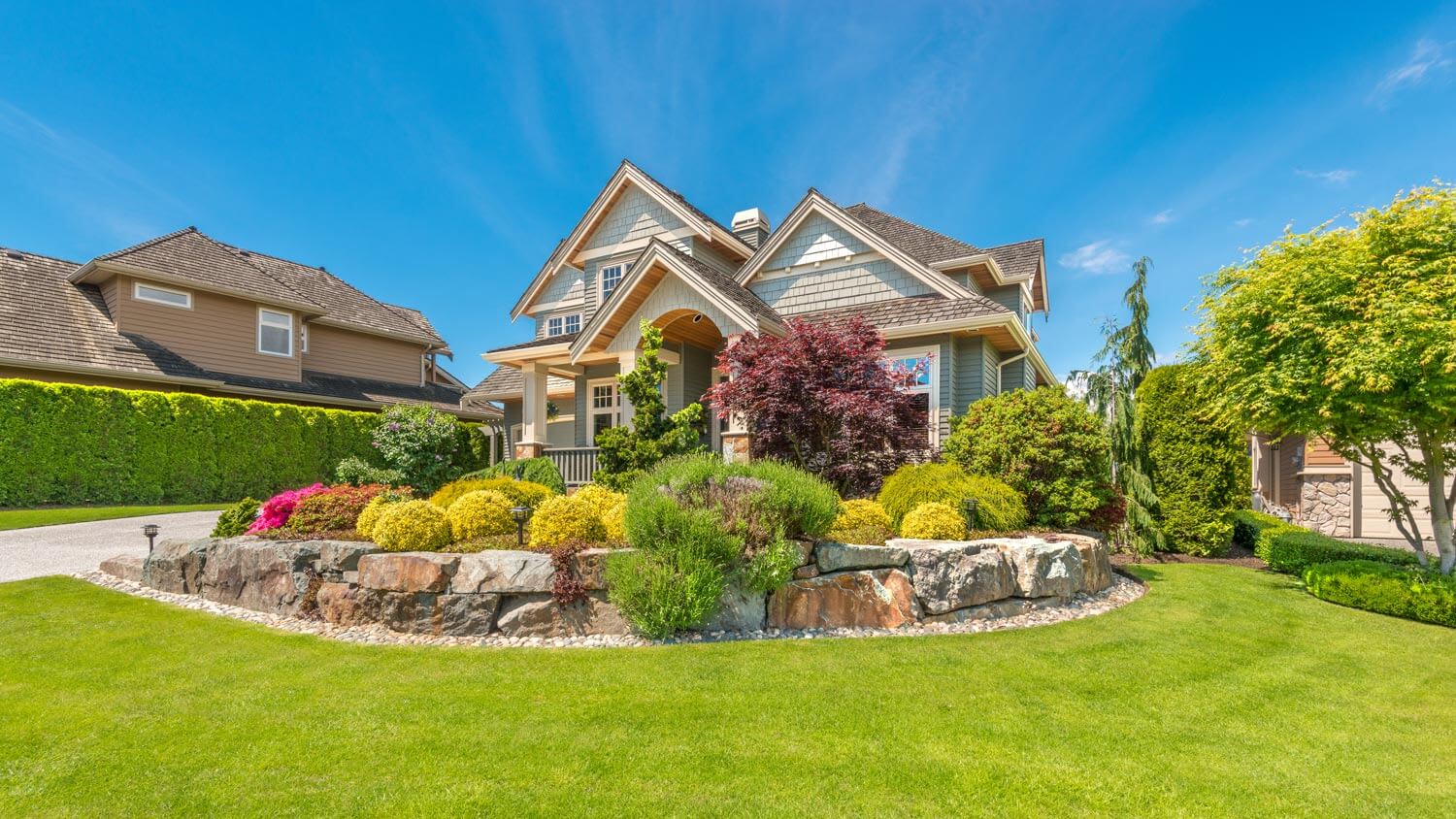
A lush landscape design is key for building your dream outdoor space. From focal points to native plants and planning, find out pro-level landscaping tips.