

•
Discover the cost to rewire a kitchen. Learn what impacts price, average costs, and how to budget for your kitchen electrical upgrade.
Electrical codes for all your kitchen outlet needs

Kitchen electrical outlets must support 20 amps and 120 volts to power your countertop appliances safely, unlike standard 15-amp outlets found elsewhere in your home.
Expect to pay $75 to $485 per outlet for professional installation, with average costs around $300 depending on your kitchen's electrical setup and access.
Your kitchen requires GFCI outlets with tamper-resistant features to protect against electrical shocks and ground faults, especially near water sources like your sink.
Hiring a local electrical professional ensures proper code compliance with outlet spacing, amperage requirements, and GFCI protection for your kitchen remodel or upgrade project.
Did you know your kitchen is most likely using more electricity than any other room, even a large gaming room or a living room with a home theater? That means power management is even more important: That’s why the National Electric Code (NEC) has special electrical codes for outlets in the kitchen.
If you’re planning on a kitchen renovation, or want to add new outlets to a kitchen, it’s important to know the details of the outlet codes set by the NEC. We’ll cover everything you need to know about electrical codes for kitchen counter outlets.

Electrical codes in the kitchen dictate the type of wiring, circuits, and outlets the kitchen should use, including the amps for major appliances like dishwashers and refrigerators. These codes also set requirements for the power and protection that kitchen counter outlets need when first installed.
Local electricians with licensing and experience will keep updated on the latest NEC kitchen codes. However, you can benefit from knowing them, too. Outlet codes help owners make informed decisions about outlet placement, expected costs, and more.

Kitchen counter outlets must generally support:
20 amps (20A)
120 volts (120V)
Please note this is an exception compared to many outlets in the house. Most other residential outlets are only required to be 15A. Codes bump the amps in the kitchen because the outlets in that room are much more likely to power small appliances. Those items can include countertop devices like mixers, coffee makers, breadmakers, toasters, or any device that typically has higher amperage requirements.
Kitchen counter outlets must have ground fault circuit interrupter (GFCI) capabilities. A GFCI outlet helps protect against ground faults, a serious accident where electrical current surges into an unexpected pathway and can cause damage or serious physical harm. The GFCI outlet snaps off the electrical current if it detects any strange amp variations, preventing these kinds of faults. Ground fault risks rise in areas exposed to lots of water and moisture, like kitchens and bathrooms, which is why codes require them in these areas.
GFCI outlets must also be tamper-proof, meaning they have built-in protection against shocks from sticking a fork in an outlet or other accidents. Tamper-proof designs are also very common and typically included in GFCI outlets. The NEC makes an exception for outlets more than 66 inches above the floor, which aren’t as easy to reach.
The number of outlets required in a kitchen varies depending on the size of your countertops. As a general rule, any spot on the counter shouldn’t be more than about 24 inches from an outlet, which is the length of average counter appliance cords.
Kitchen countertops should have one outlet installed for the first 9 square feet of space, and an additional outlet for every additional 18 square feet of counter. Those measurements are useful to keep in mind when planning a remodel. Most small kitchen counter sections will require their own outlet. If a counter is at least 12 inches wide, it will need its own outlet.
When spacing kitchen outlets along a wall, they should be no more than 48 inches apart. Following this 48-inch rule in a kitchen redesign, should ensure that the “24-inches from any place on the counter” rule is also followed.
Additionally, outlets should never be placed where large appliances like a refrigerator will block them, unless they’re specifically intended to power those appliances.
So far, we’ve focused on counter space that’s running alongside a wall. What about the increasingly popular kitchen island?
Codes are very similar for these counter spaces, too. As long as the island has a counter at least 24 inches wide, it must have at least one outlet. The rule about having an outlet for every 9 square feet of counter space and every 18 square feet afterward also applies. Without nearby walls, outlets must use pop-up receptacles on the surface of the counter.
On average, installing a new kitchen outlet costs about $300 per outlet, including the expense of labor and materials. Most homeowners will pay between $75 and $485 per unit to install new outlets for their kitchens.
In many cases, outlets are packaged into an overall kitchen remodel. Small kitchen remodels range between $14,000 and $41,000, including the cost of installing outlets that adhere to NEC codes.
Great company! Price was competitive, technician showed up on time and completed the job (exterior electric Radon fan replacement) quickly. Would hire them again.
 MaGen Property Inspections and Radon Mitigation
I conferred with 2 other contractors before Armstrong Electric. Nick and his crew showed me that the project was not as convoluted as the other contractors made it appear to be. They completed the entire project on time. They were professional, friendly and cleaned up after at completion. I...
 Armstrong Electric LLC
The techs on my project, Shawn and Cliff, were great. They were prompt, courteous, and efficient. I am very happy with the results and would definitely contact Mr. Electric for any future electrical projects.
 Mr. Electric of Columbus
Victor was wonderful. He was on time, professional, and explained everything he was doing. He was thorough and figured out that the problem was electrical instead of with my HVAC system. Very knowledgeable. I will be using this company in the future for any HVAC needs. Thanks!
 Hubbs Heating & Air LLC
They were excellent. They did a great job. I was totally satisfied. They put tremendous effort in making sure the work was completed. They were great. They provided immediate response to any inquires I made. I would hire them again. I would recommend them to anyone who needs electrical work....
 Property-Tech Industries, LLC
Initially, the repairman could not find the problem. Apparently, there was some electrical shortage, but he could not find the definite problem. He left, but called back later to say he had a new idea. He returned and replaced the light switches on the doors. The refrigerator seemed to return...
 Appliance Pro LLC
The initial quoted price from a walk-through seemed high, but we discussed that the quote represented worst case scenario (re-wiring to two floors) and we were excited about the opportunity to have the work done in a timely manner with closing for fire safety reasons, etc. When the job was...
I have to tell you I am all about customer service - I will go out of my way and even pay more for it if you give me great customer service. <br> <br>In a world where this is hard to find, these guys were awesome! I can not sing their praises enough. They were prompt, personable, funny, got...
 Waibel Electric
When I challenged the markup on the generator, Bruder Electric withdrew its bid. They only want naïve customers.
We had no power to any of the electrical outlets in the MBR. We'd had an intermittent problem for a few years and they finally went out all together. We live on the 3rd floor of a 100 year old building and I know from past experience the wiring has been added to in hodgepodge ways over the...
From average costs to expert advice, get all the answers you need to get your job done.
Discover the cost to rewire a kitchen. Learn what impacts price, average costs, and how to budget for your kitchen electrical upgrade.
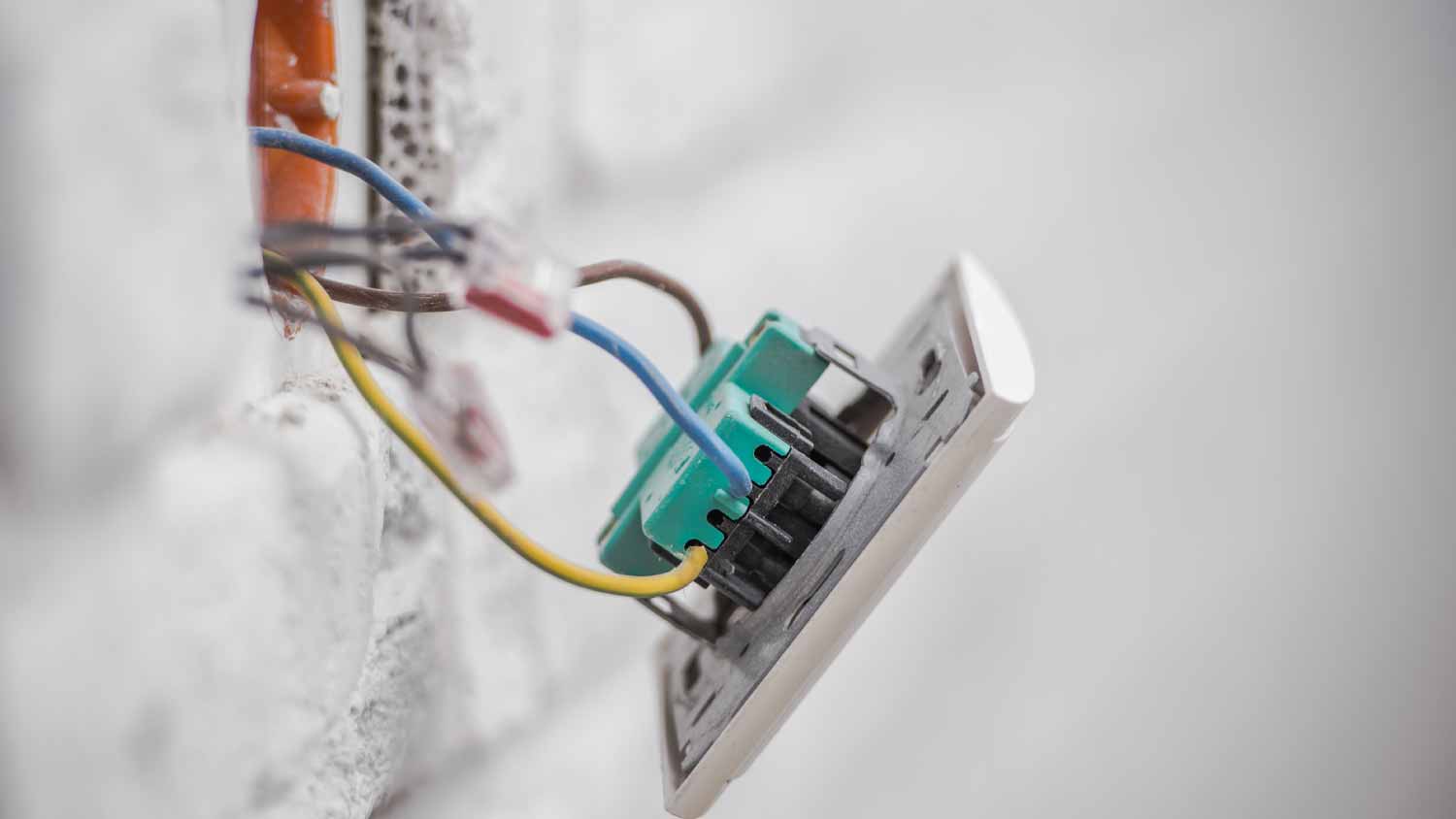
Discover the cost to replace outlets in your home. Learn about price factors, labor rates, and tips to save on your outlet replacement project.
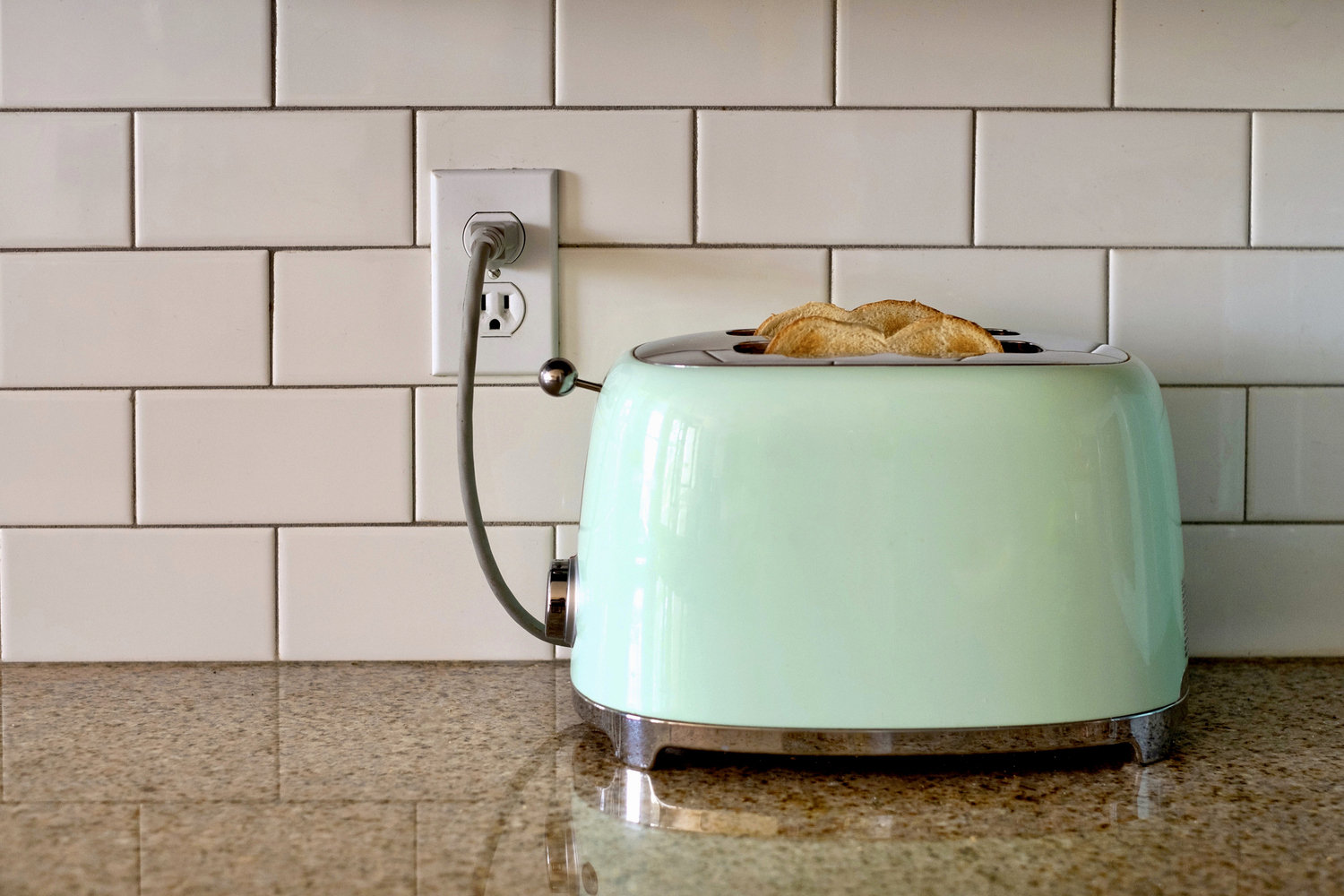
The average cost to install an electrical outlet is $133 to $296 each. This guide explains what factors impact the total cost of installing an outlet.

If completed improperly, your home improvement project can cause more problems than it solves. Learn about the six most common building code violations and how to avoid them.

Learn how to wire an outlet switch combo receptacle in various ways to adapt an existing wired location for several applications.

Your home might have a variety of electrical outlets, depending on how old the structure is and what type of appliances you use. Learn the different types of outlets, how they work, and how you use them.