

The cost to install a 240-volt outlet in Denver, CO varies depending on the amperage and the home’s current wiring conditions. Use this guide to budget for your next project.
Electrical service costs depend on your project and location. Check with a local pro for your specific job.


Installing an electric vehicle charging station in Denver, CO, costs $1,156 on average for most local homeowners.
Your final project price depends heavily on the charger type, panel distance, and necessary indoor or outdoor weatherproofing.
You should budget $800 to $2,000 for electrical panel upgrades if your current home system cannot handle the load.
Hiring a local EV charger installer in Denver, CO to install chargers keeps you and your household safe from shocks.
This article was created using automation technology and thoroughly fact-checked and edited by an Angi Editor in accordance with our AI policy.
Electric vehicle charging station installation in Denver, CO, costs $1,156 on average, but ranges from $829 to $1,512. Your total price depends on the charging station level, your home's current electrical panel capacity, and local labor rates for electricians. Understanding these costs helps you plan a project that fits your budget before you hire a pro to upgrade your home's charging setup.
Installing an electric vehicle charging station in Denver, CO, depends on several variables, including the charger type and the specific electrical requirements of your home. Hiring a licensed electrician ensures the job is done safely and correctly, with the final price reflecting your home's unique setup.
The type of charger you choose is one of the biggest drivers of your total project price. Different charging levels require different voltage capacities and equipment, which directly impacts the final bill. In Denver, CO, the overall project ranges from $829 to $1,512, with an average of $1,156. If you opt for a Level 1 charger, expect to pay between $320 and $635 per unit for the equipment. Upgrading to a Level 2 charger increases the price to $745 to $2,120 per unit, but the faster charging speeds are well worth the investment.
| Charging Station Type | Voltage Requirements | Local Average Cost | National Average Cost |
|---|---|---|---|
| Level 1 | 110V–120V | $320–$635 | $300–$600 |
| Level 2 | 220V–240V | $745–$2,120 | $700–$2,000 |
How you pay for your charging station also influences your upfront out-of-pocket expenses. Many financial institutions and third-party providers offer plans to help manage the initial investment. Some banks allow you to bundle the station's price into your auto loan, while certain charger manufacturers provide flexible payment plans. Exploring these options makes the $1,156 average cost more manageable over time.
Level 1 charging relies on a standard 120-volt household outlet, making it the most accessible option for many homeowners. Because it uses existing infrastructure, the equipment and setup expenses remain relatively low. While this method is budget-friendly, it is also the slowest, requiring several hours to replenish just a fraction of your battery. If your garage needs a new standard plug, you should look into electrical outlet installation costs to ensure your setup is safe.
Level 2 charging requires a dedicated 240-volt circuit, similar to what heavy-duty appliances use. This upgrade significantly reduces charging time, making it a popular choice for daily drivers. Installing this system involves more complex wiring, which pushes the total project closer to the $2,300 maximum. However, gaining a full charge overnight is highly convenient, especially during the cold, snowy winters in Denver, CO, when EV batteries drain faster. If you are upgrading your garage's power, it is a good time to consider other electrical upgrades, such as electrical panel repair.
Hiring a professional is essential for this project, and labor rates make up a significant portion of your total bill. Electricians charge a flat fee or an hourly rate to mount the unit, run the necessary wiring, and ensure everything is properly grounded. Local labor rates vary based on the complexity of the wiring route and the experience level of the pro. While the electrician is on-site, you should ask about light fixture installation if your garage is too dim.
Beyond the charger itself and the basic labor, several other factors influence your final budget. Customizing your setup or updating older home systems will add to the bottom line.
Upgrading to a smart charger allows you to monitor and control your charging sessions via a smartphone app. These advanced capabilities increase the upfront price of the unit. With Wi-Fi connectivity, you can schedule charging during off-peak hours to save on electricity or track your energy usage over time. While these models cost more initially, the long-term energy savings and added convenience justify the extra expense.
Built-in safety protections, such as waterproofing and surge defense, are critical for protecting your vehicle and your home. Chargers equipped with these advanced safeguards come at a premium. Features like overvoltage protection and an IP67 waterproof rating ensure your equipment survives dust, moisture, and unexpected power spikes. Investing in these robust models is especially wise if your charging station is exposed to the elements.
Older homes lack the electrical capacity to support the heavy load of a Level 2 charger. Upgrading your electrical panel or running new wiring will significantly increase your overall project price. If your current breaker box is maxed out, you need a professional to install a new circuit or replace the panel entirely. Running new wires from a basement to a detached garage requires extra labor and materials. You must also factor in drywall repair costs if walls are opened to route the new cables.
If you install your charger outdoors, protecting it from the elements is a necessary expense. Weatherproof enclosures and heavy-duty covers add a small but important amount to your total. The variable climate in Denver, CO, includes blizzards, hailstorms, and 300 days of sun annually, all of which wear down exposed electronics. A durable, lockable cover ensures your charger remains safe and functional year-round, preventing costly replacements down the line.
Depending on your driveway or garage layout, you need specialized hardware to secure the charger. Wall mounts and free-standing pedestals are additional items that affect the final bill. While a basic wall bracket is relatively inexpensive, a standalone pedestal requires more materials and labor to anchor securely. Choosing the right mounting option ensures your charging cable stays organized and accessible.
Relying on public charging stations is expensive and inconvenient, especially if you commute daily. Charging at home offers significant long-term savings and the ultimate convenience of waking up to a full battery. While the initial setup requires an upfront investment, the lower cost per charge quickly offsets the expense, making a home station a smart financial move for most EV owners.
| Pros of an EV Charging Station | Cons of an EV Charging Station |
|---|---|
| Charge your EV whenever you want | Most chargers can only reach up to 25 feet away and may not reach detached garages or street parking |
| Faster charging with Level 2 chargers compared to standard outlets | Older homes may require electrical system upgrades |
| More affordable to charge a standard-sized EV at home | Higher initial installation costs |
Hiring an electrician in Denver, CO, ensures your charging station operates safely. Local pros charge $400 to $1,200 per project for the labor to mount the unit and run dedicated wiring. If your electrician bills by the hour, rates run $80 to $150 per hour, depending on your electrical panel's complexity. When budgeting for your materials and equipment, remember to factor in the 9.15% combined sales tax rate for Denver, CO.
Before hiring an EV charger installation professional, verify they hold the required electrical license for Colorado or Denver, and ask for proof of liability insurance and workers' comp if they have employees. Hiring an unlicensed EV charger installation professional can leave you with little protection if something goes wrong and may make it harder to recover payments or hold them accountable. To verify the type of licensing required, visit the Colorado government's official licensing board website for more information.
Before starting EV charger installation, confirm whether your project requires permits in your area and who is responsible for obtaining them. Permit requirements and costs vary by location, but most EV charger installation permits range from $100 to $200, depending on the scope of work and your local municipality. Working without the proper permits can lead to fines, project delays, or complications when selling your home. If you're hiring an EV charger installation professional, review your contract to ensure they will handle the permitting process and inspections. To verify permit requirements, visit your city or county's official building department website for the most accurate and up-to-date information.
Hiring an EV charger installer in Denver, CO guarantees a safe setup, saves you hours of electrical work, and adds lasting value to your home.
Professionals possess specialized diagnostic tools to evaluate your electrical panel capacity accurately.
Experts navigate Denver, CO permitting processes and ensure the installation meets strict municipal building codes.
Contractors provide labor warranties to protect your equipment against future part failures.
Pros secure the necessary permits and schedule mandatory final inspections on your behalf.
Home is the most important place on earth, which is why Angi has helped more than 150 million homeowners transform their houses into homes they adore. To help homeowners with their next project, Angi provides readers with the most accurate cost data and upholds strict editorial standards. We’ve surveyed thousands of real Angi customers about their project costs to develop the pricing data you see, so you can make the best decisions for you and your home. We pair this data with research from reputable sources, including the U.S. Bureau of Labor Statistics, academic journals, market studies, and interviews with industry experts—all to ensure our prices reflect real-world projects.
Want to help us improve our cost data? Send us a recent project quote to [email protected]. Quotes and personal information will not be shared publicly.
H and H Electrical were great to work with. They were highly professional and communicated everything needed for the new electrical panel project, and their number was right on point with our budget. We're looking forward to working with them again for the next phase of our electrical...
 H and H Electrical Service Co.LLC
Chris from Noble Electric provided a highly professional service. His expertise is noteworthy and his support is very reliable. Every communication with Chris went smoothly and in a timely manner. I'd hire his service in the future with conviction and comfort.
 Noble Electric Company, Inc.
I am a contractor and have not been impressed with others work I’ve hired before so when I heard about best grand electric I thought I would give them a try and I was very impressed.
 Best Grand Electric
My solar is covering all my electric bill now!
 Seed-Solar
Excellent!! Mike Electric was great and flexible to do some extra work that we requested. We enjoyed their friendly approach to working in our home. They cleaned up all the misc dust, wire scraps and such. Very fair pricing.
Josh did an electrical panel upgrade for me. He explained the entire process and did excellent work. Highly recommend!
 JM Electric, Inc.
Friendly, quick responses, and great work. I will contact them again for any electrical needs.
 Tipping Hat Plumbing, Heating & Electric
As a residential remodeler, I have used SC Electric for over 10 years on all of my projects and they always do an excellent job. This particular project had a lot of remodeling of old wiring and SC Electric got it all up to code, wired for new lighting, switches, outlets, fans. I enjoy...
 SC Electric
Guardian Electrical was amazing!! The works was great and done in a timely matter. They were professional and cleaned up everything. It was amazing. I would definitely hire again!!
 Guardian Electrical Services
I don’t usually write reviews, but I was so impressed by the level of service I received from JD Electric that I just couldn’t help myself. I’d never had an electric job done before, but after moving to a small horse property I realized that having electric in the barn would make life so much...
 JD Electrical Home Solutions
From average costs to expert advice, get all the answers you need to get your job done.
The cost to install a 240-volt outlet in Denver, CO varies depending on the amperage and the home’s current wiring conditions. Use this guide to budget for your next project.

Keep pool-side dreams from getting short-circuited by being aware of pool electrical installation costs in Denver, CO and how they can affect your overall budget.
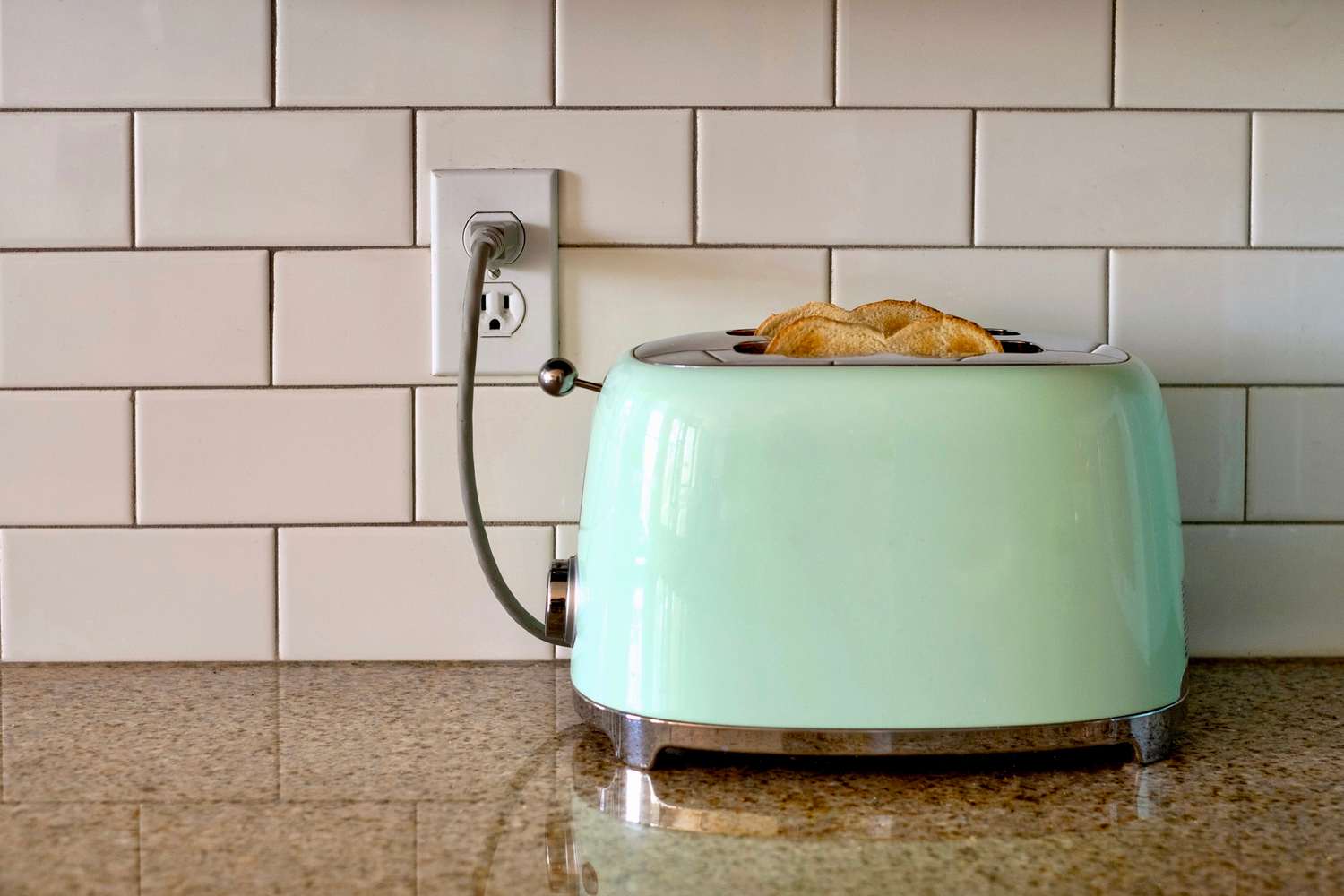
The cost to install an electrical outlet depends on many factors. Find out what impacts the cost of installing an outlet in Denver, CO.
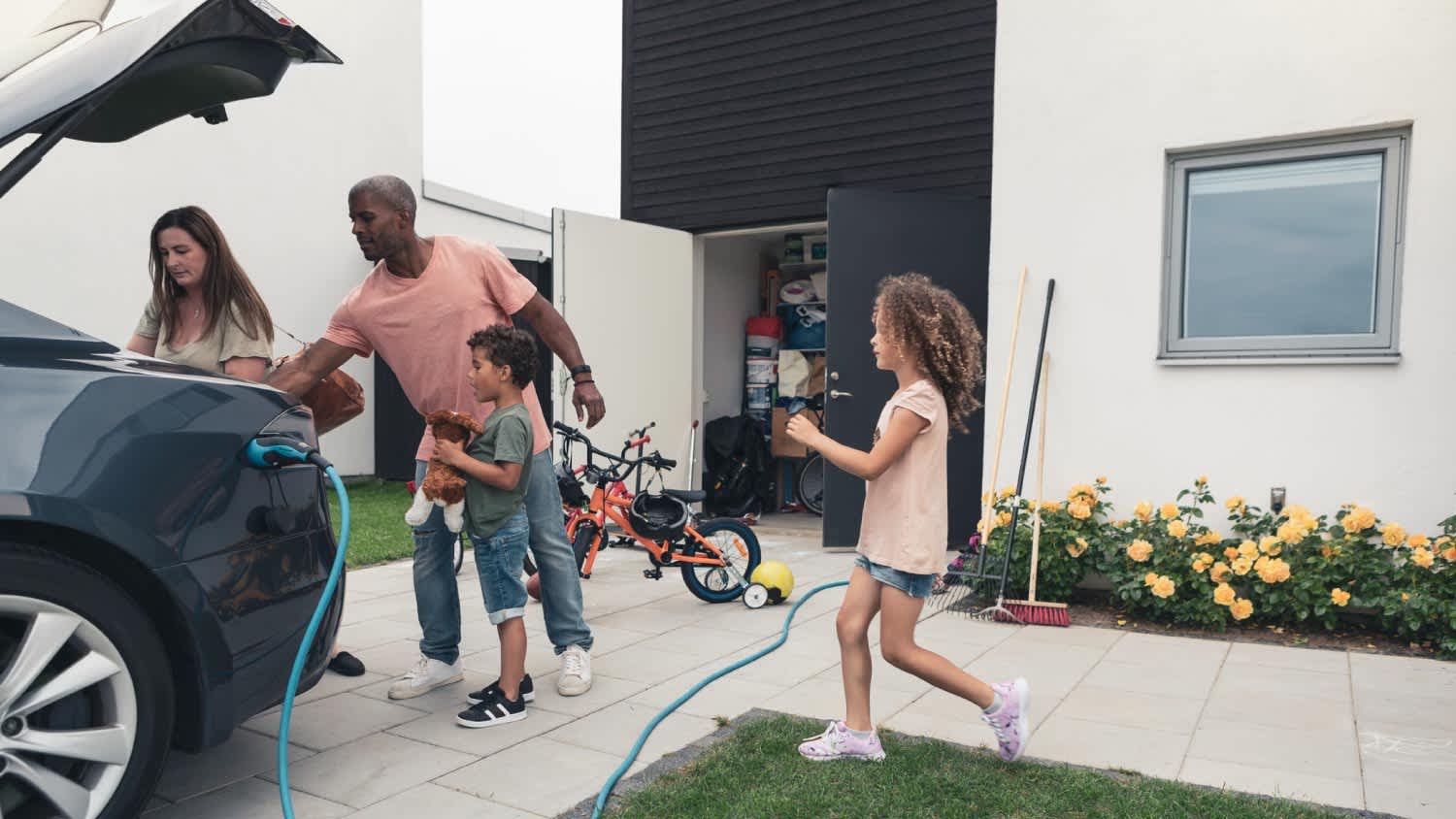
Thinking about an electrical vehicle charging station installation? Learn about charger levels, costs to expect, and how to hire the right local electrician.
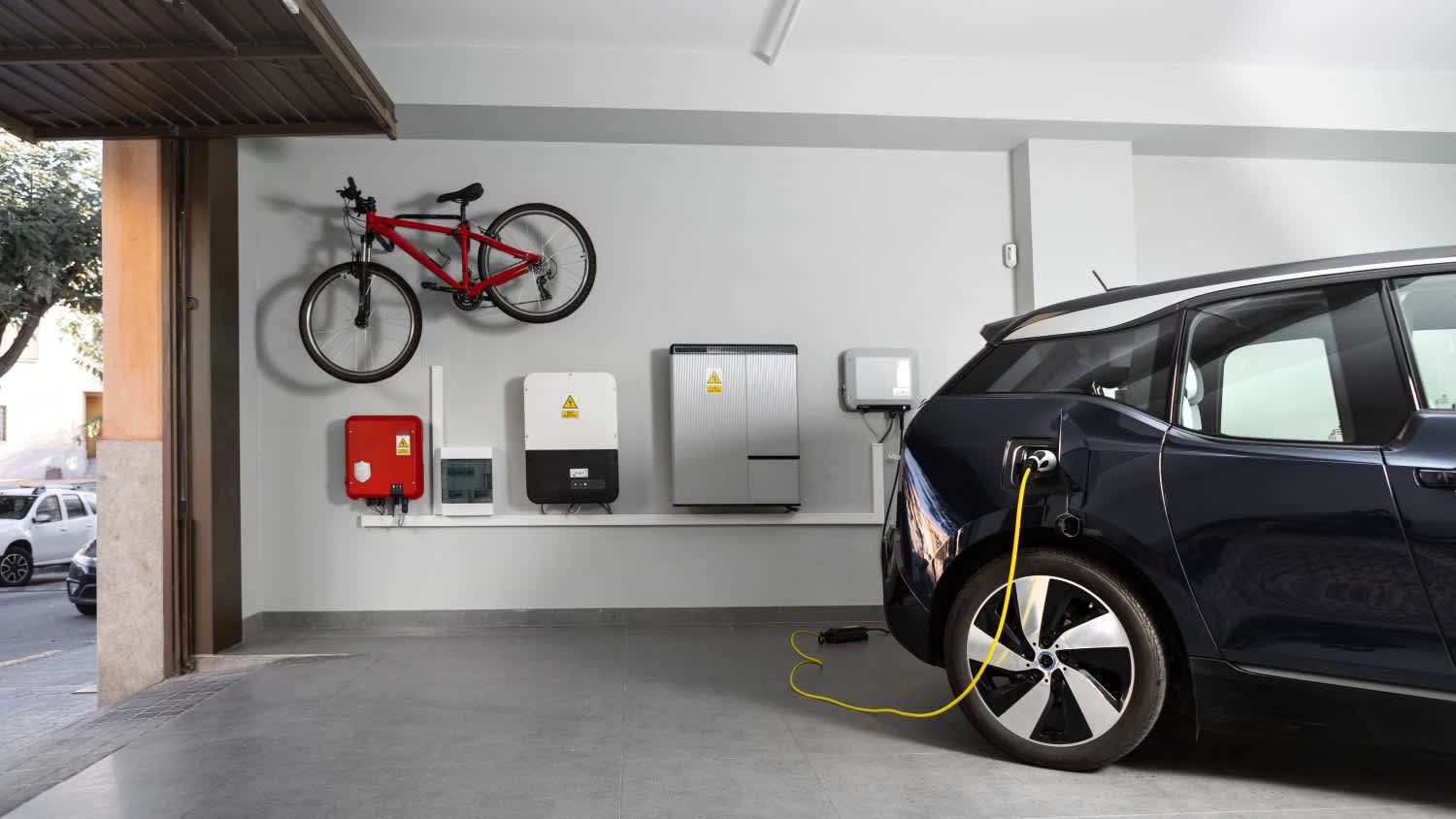
Finding a qualified electrician for EV charging station installation? Learn what credentials to verify, questions to ask, and how to hire the right pro.
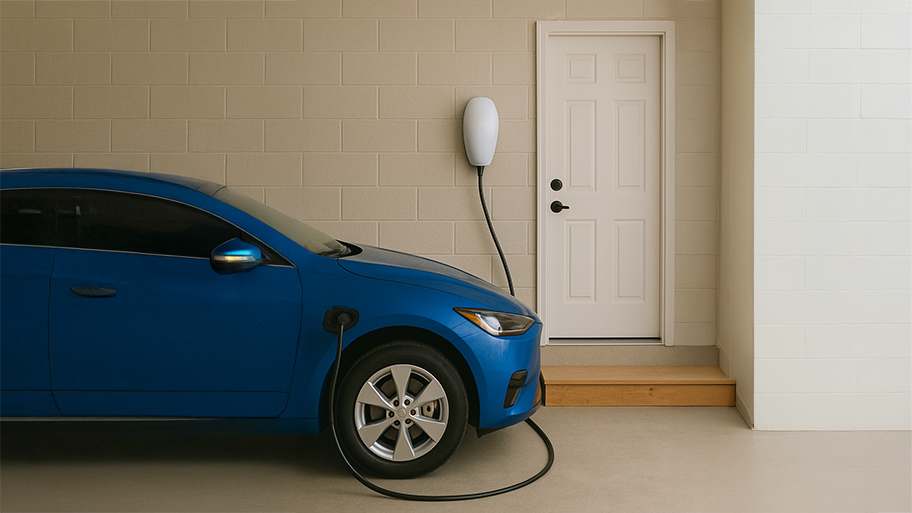
Explore the pros and cons of a Level 1 charging station versus a Level 2 charging station when deciding the best way to charge your electric car at home.