
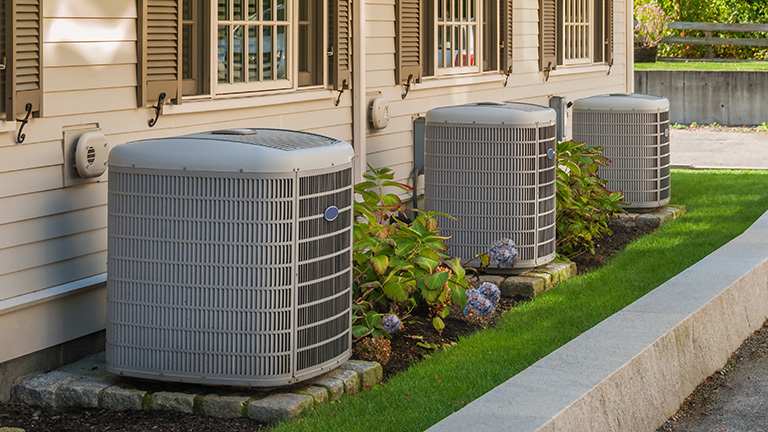
HVAC replacement costs in Boston, MA, depend on a lot of factors, like unit type, size, and labor. See what you can expect to pay for HVAC replacement here.
Heating and air conditioning service costs depend on your project and location. Check with a local pro for your specific job.

In Boston, MA, a furnace or AC inspection costs $80 to $160, while a boiler inspection costs up to $325.
The larger your HVAC system, the longer it will take to inspect—and the more you’ll pay.
If you need a complete HVAC replacement, you’ll have to cover the cost of permits as well.
Hiring an HVAC pro in Boston, MA, is the best way to identify issues and ensure your system runs efficiently.
The average HVAC inspection in Boston, MA, costs $325, but prices can vary based on the type of inspection and the size of your system. In total, most homeowners in the Massachusetts capital pay between $162 and $542 for a heating and cooling inspection. Wondering how much you’ll spend? Here’s how to figure it out.
If you’re due for an HVAC inspection in Boston, MA, here’s how much you can expect to pay for it.
More complex HVAC systems with more components cost more to inspect than basic units with fewer elements. You’ll pay more for an inspection on furnaces, boilers, and air conditioners with multiple running parts than for simple elements like air ducts, vents, and attic fans.
However, if you suspect a problem with just one part of your HVAC system, you might not need a complete HVAC inspection.
| System Type | Description | Average Cost |
|---|---|---|
| Furnace | Includes an inspection of the filters, fans, and burners | $85–$110 |
| Air conditioner | Checks filters, coils, vents, and refrigerant levels | $80–$160 |
| Boiler | Assesses fuel levels and ventilation; tests for leaks | $110–$325 |
| Air ducts | Looks for dirt and blockages; may include a leakage test to measure air flow rate | $85–$195 |
Larger homes are often equipped with multi-zone HVAC systems or multiple units to heat and cool rooms effectively and efficiently. The more systems and units in place, the more there is for the inspector to examine, which will increase the cost.
To cut down on price, consider hiring an HVAC contractor who offers a flat rate rather than an hourly fee since large-scale inspections will take a long time to complete.
If your HVAC unit is in a tight, hard-to-access space, such as a crawl space or attic, you could pay a bit extra. Systems that are difficult to reach and work around are often more time-consuming than units sitting in an open room or a large basement. A pro may also need specialized equipment to conduct a thorough inspection.
An HVAC contractor might charge for expenses such as gas mileage and travel time. However, not all contractors charge travel fees. They may only charge clients who live outside of their primary service area. HVAC inspectors charge travel costs of $25 to $55, depending on how far they need to travel.
You’ll need to hire an HVAC pro in Boston, MA, to inspect your heating and cooling system, but before you do, there are a couple of final things to keep in mind.
HVAC inspections are often priced as a flat fee, but in some cases, your contractor might charge an hourly rate. In Boston, MA, these pros charge between $80 and $160 per hour. Your costs could land on the upper end of that range if parts of your HVAC system are in a hard-to-access area (like a crawl space or attic) or if you schedule your inspection during the busy season.
There isn’t a state-level certification for HVAC technicians in Massachusetts. However, pros who handle refrigerants must be certified by the EPA (and, if they work on larger projects, they need to be licensed by the Commonwealth of Massachusetts).
There’s also a separate licensing requirement for contractors who work with sheet metal (a common type of ductwork). Before hiring an HVAC pro in Boston, MA, ask about their qualifications and check their license status on the Office of Public Safety and Inspections (OPSI) website.
To help homeowners plan their next project, Angi provides readers with carefully researched cost data and upholds strict editorial standards. We start with national average project costs, which we collect by analyzing competitor information, retailer material costs, and input from professional contractors. We then apply local price index data to calculate location-specific estimates that reflect what homeowners typically pay in their local area. To do that, we use data from the U.S. Bureau of Economic Analysis (BEA), including its Regional Price Parities (RPPs), which measure price differences across cities. This helps us account for differences in labor, materials, and overall cost of living, so estimates in higher- or lower-cost areas better reflect real-world local pricing.
Every estimate undergoes a thorough editorial review to verify accuracy, consistency, and alignment with observed market conditions.
Want to help us improve our cost data? Send us a recent project quote to [email protected]. Quotes and personal information will not be shared publicly.
11 out of 10. Wafi has helped me at two different apartments and he is always great! Good communication, efficient work, and in this case especially high quality! I’m so happy with my AC unit in now and I’d trust Wafi every time. Thank you!!
 Wafi Handy Man
I hired this company to replace a 75-gallon gas water heater, and the experience was excellent. Scope of work: Removal and disposal of existing unit Installation of new Rheem 75-gallon gas water heater Reconnection of gas, water, and venting The team was prompt, professional, and clearly...
They were first to respond and provided a prompt service. Thank you Ben and Boston Plumbing - Heating!
 Boston Plumbing - Heating Solutions
My roommates and I were looking for a deep clean of our apartment and are super happy with how it turned out! Fairly priced, friendly, and easy to book. Would recommend Silva cleaning to anyone looking for an apartment refresh!
 Silva Cleaning
Paul came over my property to assess a heating system. He ended up telling me that I will need to replace thee whole system. He placed an on demand heating water and a hydro air heating system. The system would turn off every week. He went back to my property at least 5-6 times. ultimately,...
 Paul Cucinelli DBA Volksheim Home Improvement
I own a rental property in Boston and recently had a heating system issue. I was able to quickly get in touch with Aaron, told him that my tenant has a small child, and while Aaron was on the road in RI, he made an effort to stop by the place to fix the issue that same night. It meant the...
My heating stopped working on New Years Day. I went online in search of a Hvac repair service after searching multiple companies I chose Greater Boston HVAC. I called and spoke to Alex and discussed my problem. One hour later he arrived at my apartment, Alex checked system and found problem,...
 Greater Boston HVAC, Inc.
Cozer Cleaning Services will clean your home or commercial property far beyond your expectations. Karla and her team are incredibly professional, and leave everything spotless â their attention to detail (including details Iâ d never have thought of) is amazing. I have been lucky enough to...
 Cozer Cleaning Service Inc.
Large rooms with 13ft ceilings, extensive moldings at ceiling and at floor, pocket doors, large window frames , walls, and radiators. Minor Ralda, the owner, clearly explained who and how the work would be done and gave a detailed cost sheet and explsnatiin for each section of the...
 Ralda's General Service, Inc.
efficient, careful and courteous. and such clean windows!!
From average costs to expert advice, get all the answers you need to get your job done.
HVAC replacement costs in Boston, MA, depend on a lot of factors, like unit type, size, and labor. See what you can expect to pay for HVAC replacement here.

Heating and cooling system on the fritz? Discover the factors that go into HVAC repair costs in Boston, MA, and how you can save money on this project.

Getting AC and furnace replacement done at the same time can lead to huge benefits for your wallet and your home in Boston, MA. Here’s everything you need to know.
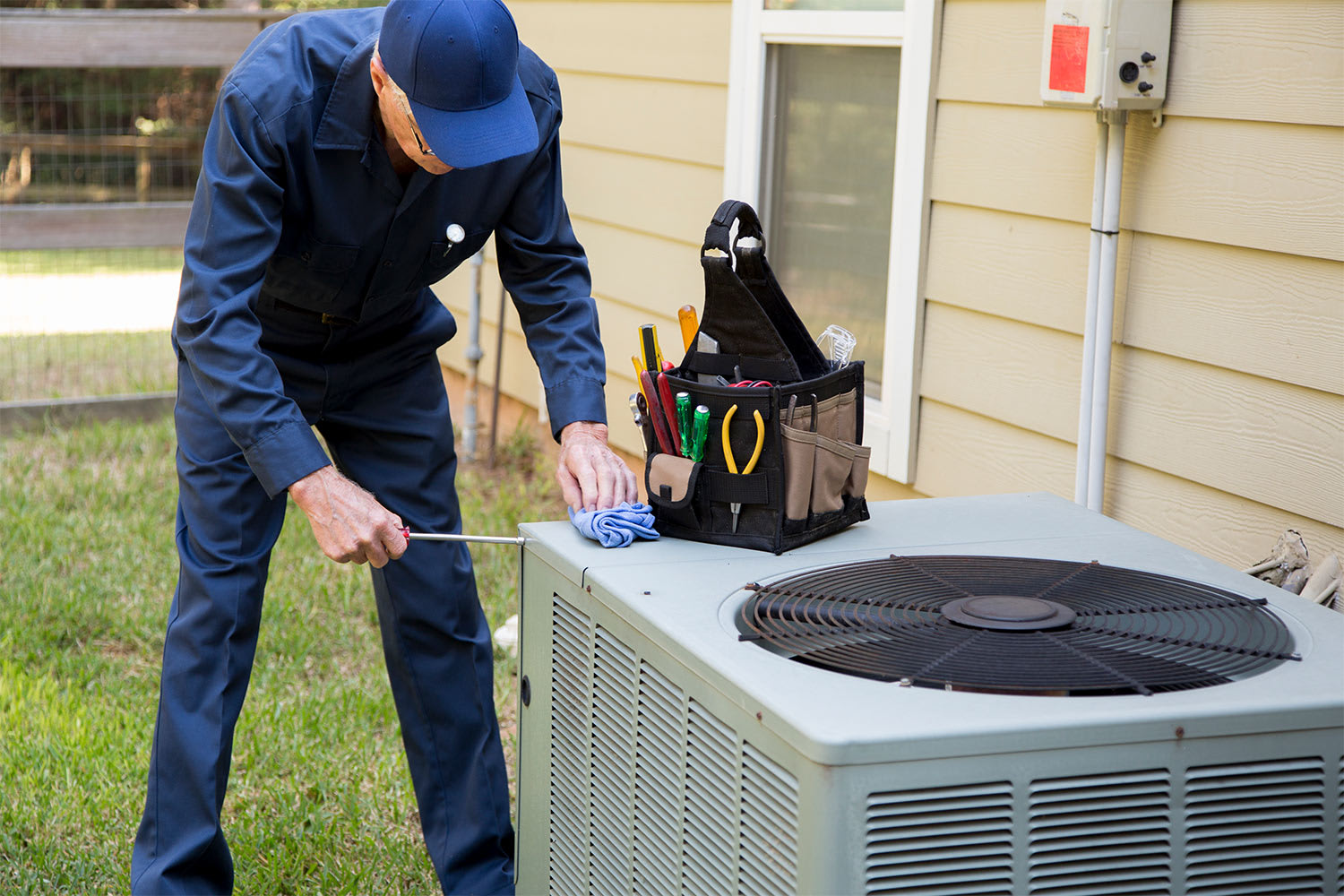
Your HVAC system plays a vital role in keeping your home at a comfortable temperature. Learn what to expect from an HVAC inspection, so you can keep cool during one.

From chilly winters to balmy summers, your home’s HVAC helps keep you comfortable. Use this HVAC inspection checklist to ensure it’s doing its job every season.
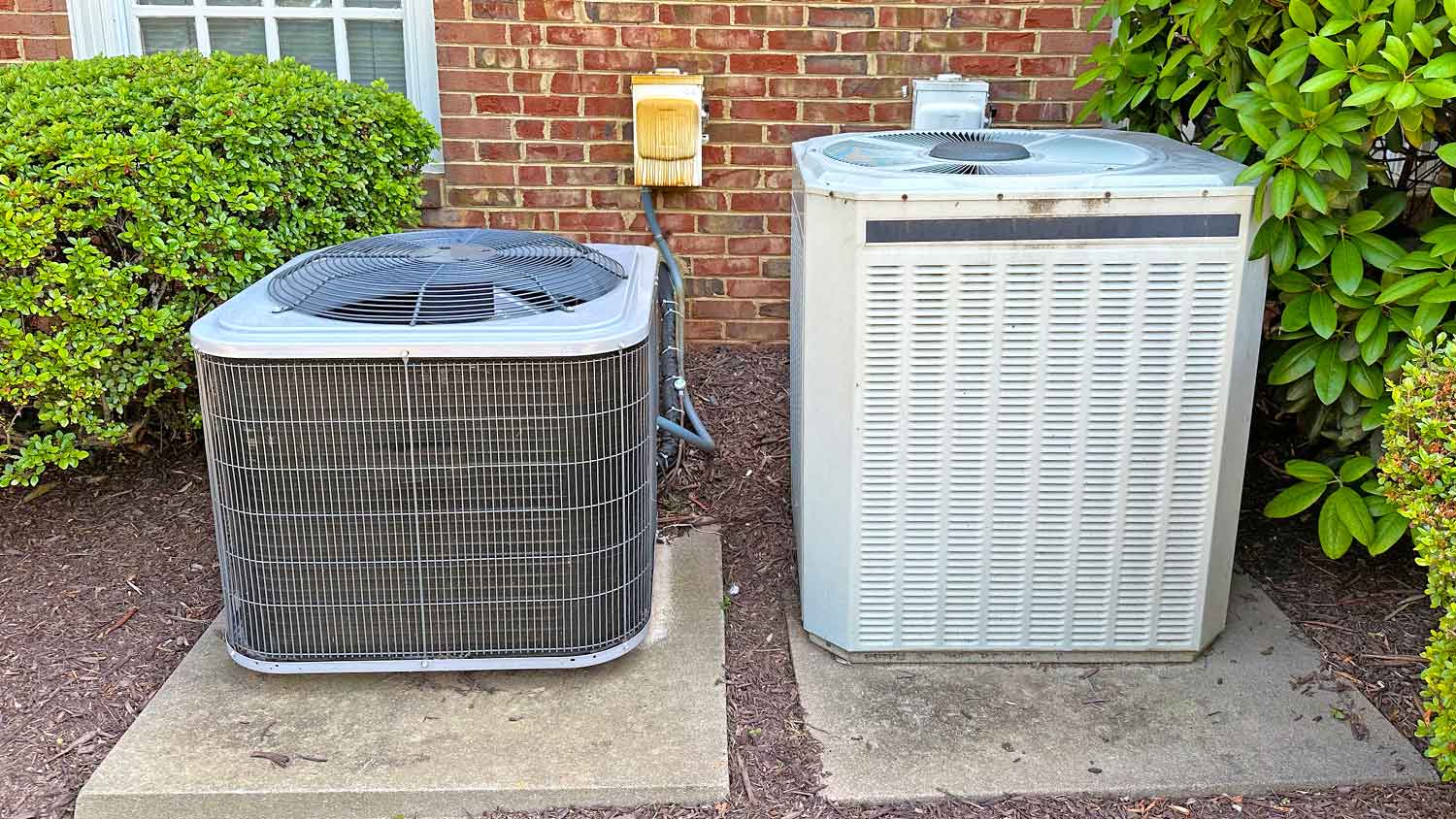
When determining the AC coil cleaning cost in Boston, MA, you’ll need to factor in the size, cleaning method, and type.