
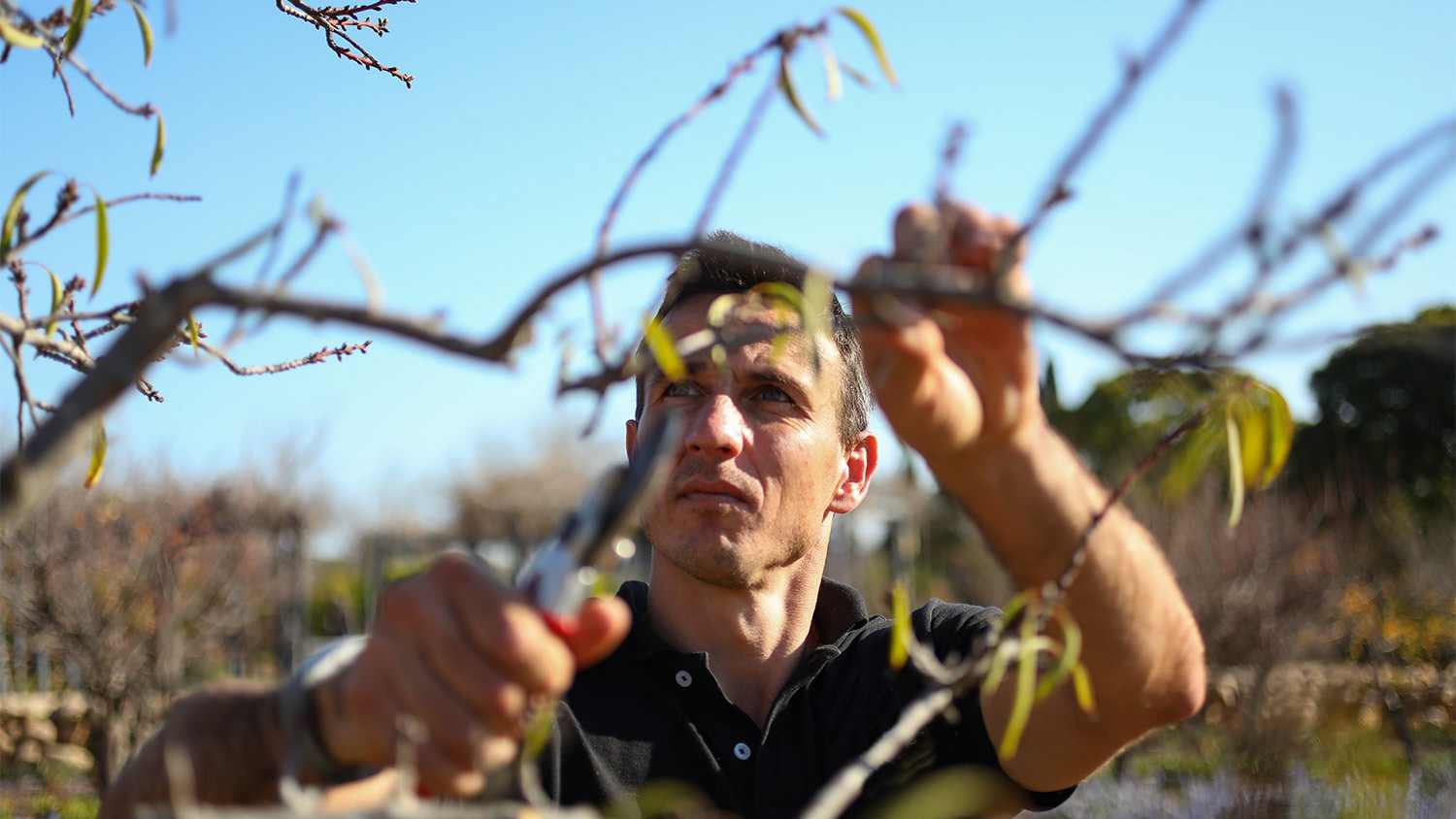
Trimming your bushes is one of the less costly aspects of landscaping, and it’s helpful to bundle many trimming services together to save money.
Keep your hedges healthy with a crisp and clean look

Trimming hedges properly stimulates new growth, prevents pests and diseases, and keeps your plants thick and healthy by improving airflow and sunlight to lower branches.
Expect to pay $200 to $3,000 for professional hedge trimming, with costs varying based on your hedge size and the scope of work required.
You need to check for bird nests before starting, then trim the sides from bottom to top at a slight taper before leveling the top.
Hiring a local landscaping professional provides expert guidance on timing and technique, helping you maintain healthy hedges without risking damage to your plants or yourself.
Learning how to trim your hedges makes them aesthetically pleasing and helps them flourish. Whether you have a wall of privacy hedges or decorative ones adorning your yard, trimming and maintaining them will create curb appeal and ensure your lawn looks luxurious. Learn how to trim hedges correctly to keep them thriving season after season and incorporate our tips for staying safe while tackling the task.
Not only does trimming your hedges make your yard look immaculate, but it also keeps them healthy. It stimulates new growth, and pairing it with proper pruning can save hedges from diseases and pests.
Trimming hedges correctly will allow airflow and enough sunlight to reach the bottom of the hedge, which will promote healthy growth. Trimming also helps them grow thicker and more dense over time.
The cost to trim hedges depends on whether you do it yourself or hire a professional landscaper. If you opt for the DIY route and you own the necessary equipment and safety gear to do the job, it’s basically free. On the other hand, renting hedge trimmers costs an average of $30 to $60 per day. To purchase a pair, the cost ranges significantly depending on size, brand, and fuel type. It can be as low as $30 up to hundreds of dollars.
Hiring a pro can to trim hedges costs between $200 to $3,000 or more, depending on the size of the job and number and size of the hedges. Smaller hedges will cost much less than larger hedges that are more labor-intensive.

So, before you learn how to trim hedges, you need to prepare for the task. The first thing you will need to do is gather your safety supplies and tools. Always wear protective gear, such as safety goggles, ear protection, long sleeves, and gloves when you trim hedges.
Also, hedge trimmers can be extremely dangerous and can cause severe injuries or even electrocution if not operated correctly. Make sure to read the owner's manual and always take every precaution possible to avoid hazards.
If you don't have a pair of hedge trimmers, you must rent or purchase a pair. There are electric, battery-operated, or gas-powered types to choose from. Consider factors like your number of hedges, ease of operation, and desired size when deciding which type to get. Here are a few other tools and supplies you may need to complete the project:
Rake
Tarp
Step ladder (optional)
Stakes (optional)
Twine (optional)

Before you begin, check the hedges for any birds nests and if they have eggs. If you find any, then you should put off trimming your hedges for another time. Birds will build nests in hedges to conceal their babies from predators.
Even if you are trimming during cooler months, you should still double-check so you don't unintentionally destroy the nests.
Make cleaning up a cinch by using a tarp to catch the trimmings while you cut. Lay a tarp down at the bottom of the hedges before you start. You can also purchase trim bib tarps designed specifically for hedge trimming.
If you have mulch or garden pebbles at the base of your bushes, laying down a tarp will make it much easier to clean up and prevent debris from making a mess of your manicured yard.
Some people may choose to set up a guide using rope or string to keep the trimming lines even, especially if it's a larger area. If you decide to set up layout strings, drive a stake in the ground with a hammer or mallet on both sides of the hedge, and at the start and finish of the line.
Tie the string around the bottom of the first stake, then extend it to the second stake, where you want the bottom of the hedge to fall. Pull the string taut for the best results. You can use a line level to ensure accuracy while setting up the marking line.
Identify where you want the top of the shrub to fall, tie the string on the first stake, and extend it to the second stake. Repeat these steps with the other side of the shrub to have a visual guide to follow while trimming.
If you notice any branches that look diseased or dead, use pruning shears to remove them before trimming the rest of the hedge. Removing diseased branches can help prevent them from spreading to the rest of the bush or nearby shrubs, plants, and trees.
Pruning dead shrub branches can also help to stimulate new growth and help keep them healthy. If you check under the bark halfway down the branch and it isn't green, it's likely dead and not just dormant and should be safe to cut.
Start by trimming the sides and cutting off noticeable overgrowth first. Hold the hedge trimmers level and work from the bottom upwards towards the top.
Taper the cuts you make so the hedge is slightly wider at the bottom and thinner at the top. Trimming the hedges this way ensures the branches grow evenly, as more sun will hit the top parts of the hedge than the bottom.
If you have a guideline established, use the string to dictate where you make your cuts. If you're not using a guideline, take off small amounts of the plant first, then make a second pass if needed. Remember, you can always remove more branches, but you can't add them back after they've been cut.
Cut off overgrown and protruding branches first. If you're using hedge trimmers, gently trim the top of the hedge, moving the tool from side to side. Be sure to keep it parallel with the ground to create level cuts. If you're using a hand-powered tool, clip from the outer edge to the other side, ensuring the top is level.
Remember to assess the hedges as you trim to ensure you aren't trimming too much and you acquire the desired shape you want. After you finish trimming, remove the tarp and tidy up around the base of your bushes by raking up any debris that was left behind.
Provide proper aftercare once you finish trimming your hedges. You will need to give them additional water and possibly fertilize them if they have signs of deficiency.
Mulching around your hedges can provide additional nutrients, retain moisture, and reduce weed growth. Plus, it gives your lawn a clean, polished look.

Now that you know how to trim hedges, there are a few other tips you can utilize to ensure you keep them healthy and stay safe while you do the job:
Don't trim hedges in extreme weather or temperatures: You should not trim hedges if it's raining or if they are wet. It's dangerous, and it makes them more difficult to cut. Trimming hedges during freezing temperatures can make it more challenging for them to heal.
Always read the manufacturer's manual: Hedge trimmers can be dangerous and cause severe injuries. Read the owner's manual before you start so you know how to operate them correctly to prevent the risk of injury.
Clean your tools after use: Keeping your hedge trimmers, shears, and other tools clean and maintained will ensure they operate efficiently and are safer to use. Make sure to store them properly and winterize your trimmers if they are gas-powered.
Don't use dull trimming tools: If your hedge trimmers aren't cutting evenly or leaving limbs behind, the blades may be dull. Make sure blades are sharp so they cut correctly. Always take precaution when sharpening blades on tools.
Choose the correct time to trim hedges: When you should trim your hedges depends on the type of hedges you have, the time of year, and what condition they are in. For instance, you should cut summer-flowering hedges in the late winter or early spring before any new growth before the season begins. Research the type of hedges you have to ensure you trim them at the correct time.

If you are familiar with trimming bushes and have the equipment, then you can save a bit of money by doing it yourself. Purchasing supplies may be worth the investment if you plan on trimming the hedges yourself every year.
However, if you don't trim your hedges correctly you can damage or even kill them. So, it may be worth hiring a professional landscaper near you to tackle the task. A landscaper typically costs between $50 and $150 per hour, but you can rest assured the job will be done right.
Custom Paint Jobs LLC made our home feel like a piece of art. Thank you for your creativity!
 Custom Paint Jobs, LLC
Window Depot did an amazing job on my deck. I wasnt sure what I wanted to do, but their composite decking was affordable and will last a long time. I am excited to have family over, and I am no longer embarrassed by my backyard. Jeff and the ground crew were polite, respectful, and caring for...
 Window Depot USA of Central Ohio
First of all, the gentleman I dealt with (Cam?) was very responsive to my many questions and concerns throughout the project, which is a huge plus to me. From the first time I met him for the estimate all the way til the completion of the job, he and his crew were professional and respectful....
 All Star Paving and Sealing
We had a 20+ year old landscape lighting system that needed replacement. Midwest Lightscapes worked with us to design a much improved lighting system, lighting the exterior of the house and the back yard. Installation of the 45 light system took one and one-half days, and went very smoothly....
 Midwest Lightscapes
Another great success for me on home advisor. This company did an awesome job on my landscaping and stayed within my budget. The best part, the work was complete within 2 days of my initial request. Professional and responsive. I highly recommend!
 Blue Ring Residential Services, LLC
The company no showed on me twice. The 2nd time was no call no show. They were responsive to set up the first appointment to perform the "landscape cleanup". 3 hours after their initial scheduled appointment time they called me to let me know they had some "problem" with the truck and their...
 Ruby Home and Hauling Services
Received ideas for future landscape plans...quote to do the work seemed a bit high but I did not have any other quotes to compare it to, so perhaps that is the going rates. <br />
 Landscapes By Terra, Inc
All around they have done a really great job. <br /> I have used JL Landscapes for the past 8 years. I own and operate my own commercial/residential real estate company where we own, operate, and maintain our own properties. JL Landscapes has been our exclusive landscaper for both our...
 J.L. Landscapes
Bought a half a cord of firewood from Pitzer with stacking last month. I waited to report so I could see how the wood burned. <br /> <br /> I have three pet peeves regarding landscapers, but Pitzer scored "A"s regarding all three. First, rather than having customers "leave a message" and...
 Pitzer Landscaping
I left a message on Sunday requesting to schedule a time to obtain an estimate/walk-through and received a return call in the morning of the following Monday. Mark worked with me and agreed to schedule the estimate/walk-through for the following Saturday. When Mark arrived for the...
From average costs to expert advice, get all the answers you need to get your job done.
Trimming your bushes is one of the less costly aspects of landscaping, and it’s helpful to bundle many trimming services together to save money.
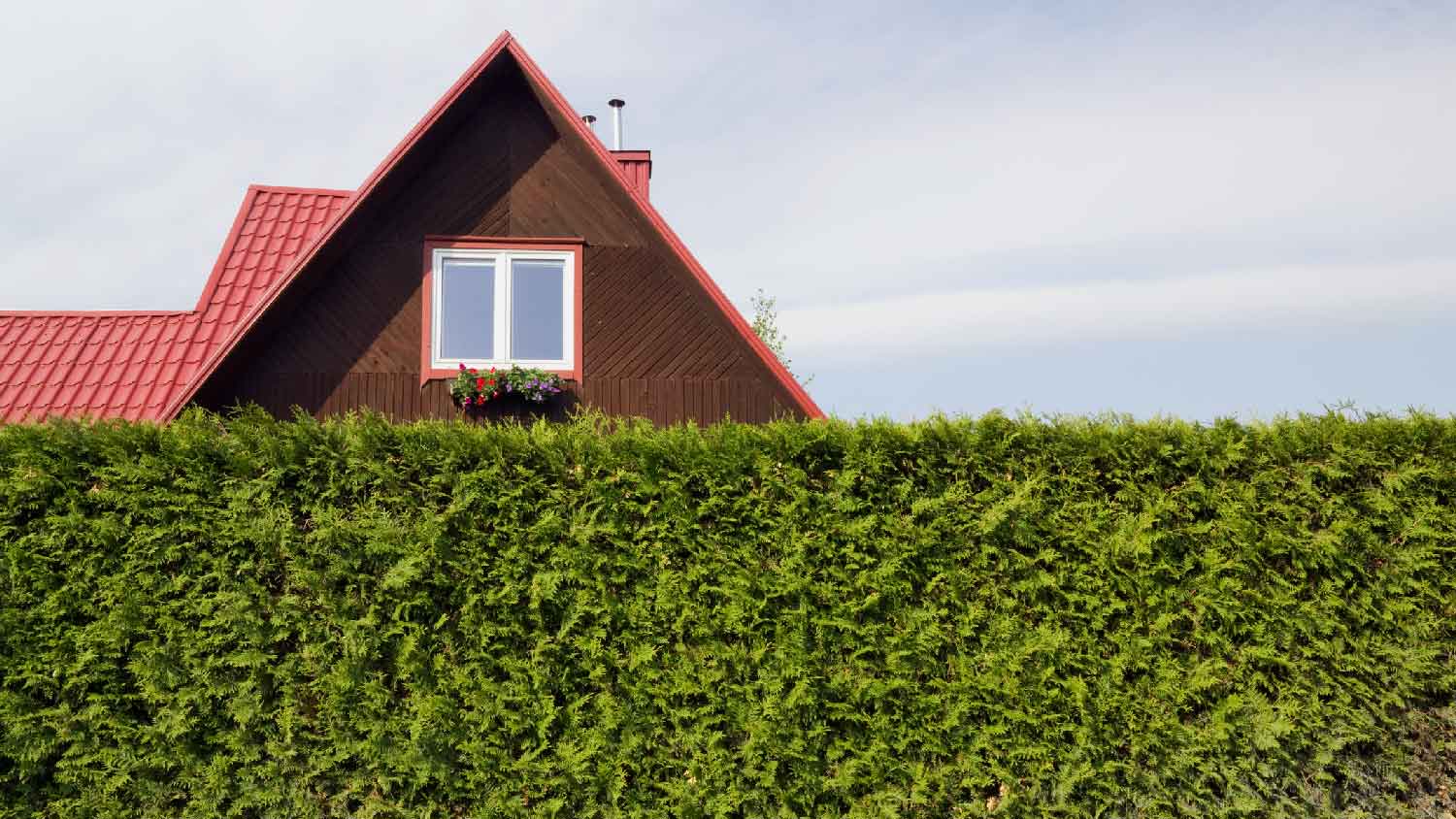
How much do hedges cost? Discover average hedge installation prices, key cost factors, and tips to save money on your landscaping project.

Your total lawn care cost depends on several factors, including the type of service and lawn size. Our guide will cover what you can expect to pay for lawn care.
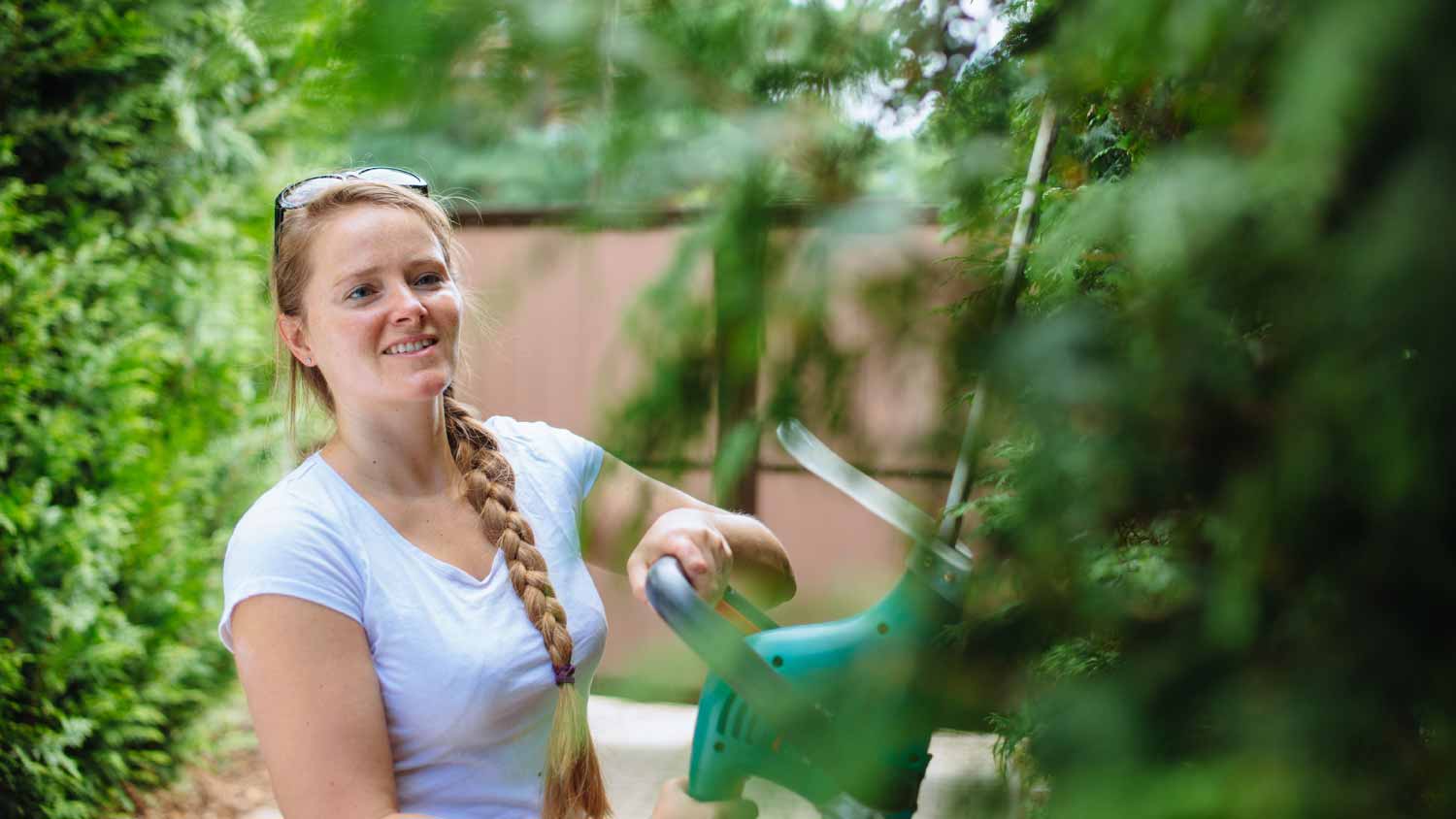
Creating a tidy hedge often leaves you with lots of clippings to deal with. Learn the best way to clean up hedge trimmings with our seven tips.

Discover how to remove hedges from your yard safely and effectively when changing the landscaping or eliminating diseased specimens.
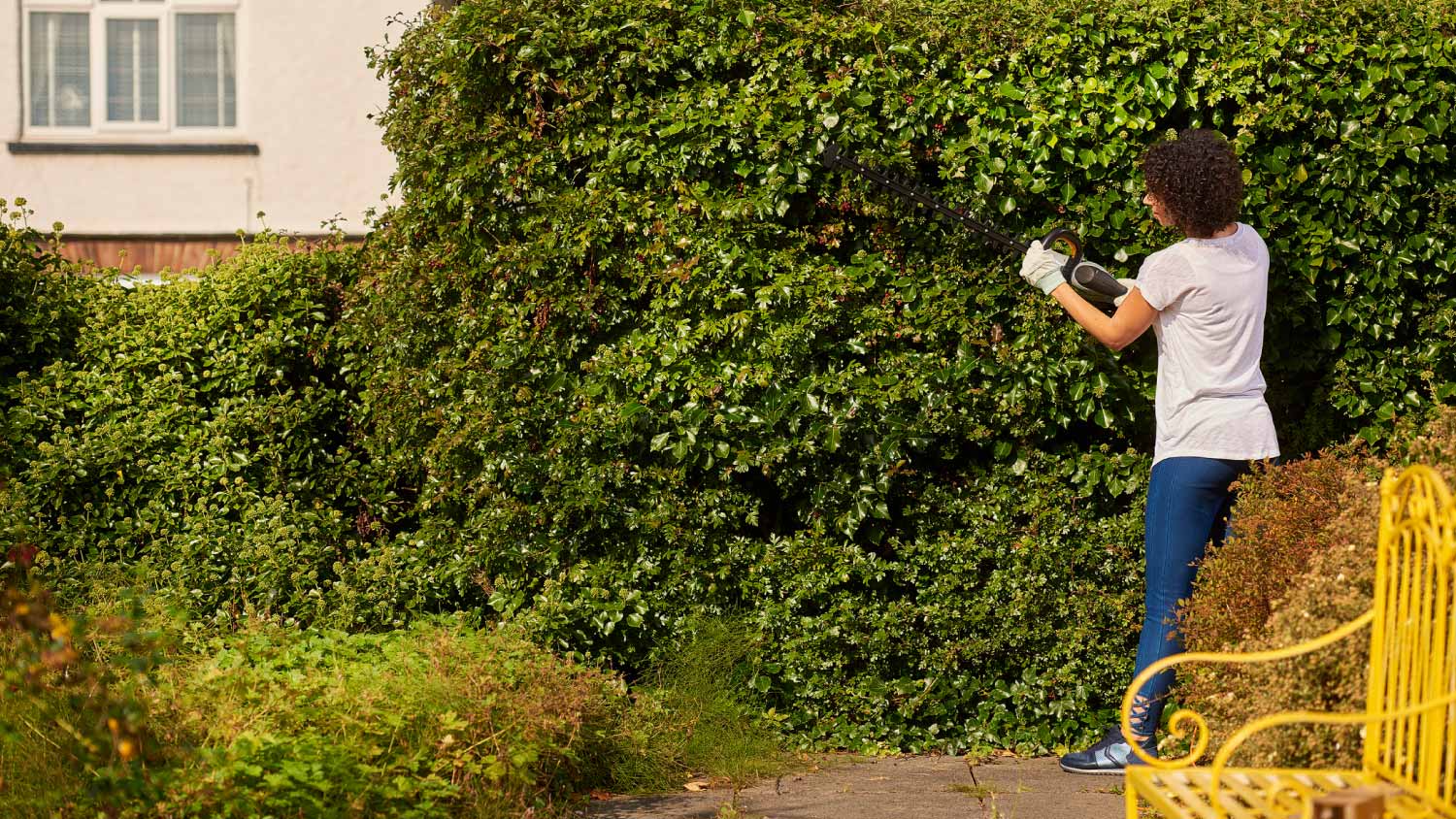
Can you kill a bush by trimming it? Learn what not to do when trimming your bushes to keep them thriving season after season.