
Attic fan installation costs vary based on location, fan type, and other factors. Get the cost breakdown for labor, materials, and additional extras so you can work out your budget for this essential home renovation project.
Finding the right pro for attic fan installation ensures proper ventilation and efficiency

Professional attic fan installation improves your home's ventilation and airflow while reducing cooling costs and removing excess moisture from your attic space.
Expect to pay $370 to $915 for attic fan installation, with average costs around $625 depending on fan type and electrical work complexity.
You’ll get accurate pricing by sharing your fan type, attic access, and any electrical work or added ventilation your home needs.
Hiring a local attic fan installation professional helps your fan get wired safely, installed correctly, and set up for strong airflow and reliable operation.
This article was created using automation technology and thoroughly fact-checked and edited by an Angi Editor in accordance with our AI policy.
When you need to hire a professional for attic fan installation, several types of contractors can handle the job, including licensed electricians, HVAC specialists, roofers, and carpenters. Each professional brings specific expertise to ensure your attic fan is installed safely, operates efficiently, and improves your home's ventilation and cooling performance.
The installation process involves evaluating your attic's ventilation needs, mounting the fan securely, connecting electrical wiring, and ensuring code compliance, with most projects taking two to four hours, depending on complexity.
Professional attic fan installers offer comprehensive services beyond basic installation. These specialists handle new installations, repairs, replacements, and ventilation assessments to ensure your home's attic maintains proper airflow and temperature control.
Their services include:
New attic fan installation for roof or gable mounting
Attic fan replacement when existing units fail
Electrical wiring and thermostat integration for fan controls
Ventilation assessment to determine proper airflow requirements
Troubleshooting and repair of existing attic fan systems
Code-compliant electrical connections and safety inspections
Roof penetration and sealing for roof-mounted fans
Structural framing for gable-mounted fan installations
The cost to install an attic fan is $625 on average. Installing a small, passive attic fan costs you as little as $370, but a larger solar or dual-powered attic fan can cost more than $915.
Several factors affect your final installation cost, including the fan type (roof-mounted, gable-mounted, or solar-powered), the complexity of electrical work required, your attic's accessibility, and whether additional ventilation needs to be added. Licensed electricians charge $50 to $100 per hour for standard work, with emergency or after-hours service ranging from $100 to $200 per hour.
Proper planning before contacting an attic fan installation professional helps you get accurate quotes, ensures you hire the right specialist, and sets clear expectations for your project. Taking time to understand your attic's ventilation needs, gathering multiple estimates, and verifying contractor qualifications protects you from unexpected costs and ensures safe, code-compliant installation.
Before reaching out to professionals, evaluate your attic's size, current ventilation, and specific needs. Measure your attic's square footage to determine proper ventilation requirements—most attics need one square foot of ventilation per 300 square feet of attic space.
Consider fan type preferences (roof-mounted, gable-mounted, or solar-powered), mounting location options, and whether you need thermostat controls or additional ventilation installed. Determine if your project involves new wiring or if existing electrical connections can be used. This information helps contractors provide accurate quotes and recommend the right solution.
Checking your contractor's qualifications is essential for safe, compliant installation. Licensed electricians must hold state or local licensing and carry proper insurance and bonding. HVAC professionals should have state-issued contractor licenses and expertise in air distribution systems. Roofers need experience with roof penetrations and weatherproofing techniques.
Ask about their specific experience with attic fan installations, request to see portfolios of previous work, and verify licensing requirements with your local municipality. Check online reviews and ask for references from past clients to confirm their reputation and reliability.
Interview at least three different professionals to compare pricing, services, and approaches. Request detailed written estimates that outline all costs, materials, labor, and timeline expectations. Discuss what factors affect the final price, including fan type, electrical work complexity, and accessibility challenges.
Before work begins, establish clear agreements on the following project details and payment terms:
Down payment amount and when it's due
Payment structure (installments or lump sum)
Final payment terms and conditions
Project timeline and completion date
Specific deliverables and scope of work
Permit acquisition responsibilities
Warranty coverage on equipment and workmanship
Asking the right questions during your initial consultation helps you evaluate whether a contractor has the expertise, credentials, and approach you need for your attic fan installation. These questions reveal important information about licensing, experience, project specifics, and how the professional handles challenges, helping you make an informed hiring decision:
Are you licensed, insured, and bonded for attic fan installation work?
How many years of experience do you have installing attic fans?
What type of attic fan do you recommend for my home's size and ventilation needs?
Can you provide references from recent attic fan installation projects?
What is the estimated timeline from start to completion for my project?
Will you handle permit acquisition and ensure code compliance?
What warranty do you offer on both equipment and installation workmanship?
How do you handle unexpected issues or additional costs that arise during installation?
Hiring the right professional for attic fan installation, a local attic fan installer, ensures safety, code compliance, and long-term performance. Licensed electricians and HVAC specialists have the training to handle electrical wiring safely and ensure proper airflow, preventing potential fire hazards and system failures.
Qualified professionals understand local building codes and permit requirements, protecting you from violations and future complications. Experienced installers also properly assess your home's ventilation needs, recommend the right fan size and type, and ensure secure mounting and weatherproofing that prevents leaks and structural damage.
Once your attic fan installation is complete, conduct a final walkthrough with your contractor to verify proper operation, airflow, and noise levels. Test all controls and thermostats to ensure they function correctly. Confirm your payment arrangements according to your contract terms, whether paying the final balance or completing an installment plan. Request copies of all project documentation, including warranties, maintenance recommendations, and operating instructions.
If you're satisfied with the work, consider leaving an online review and agreeing to serve as a reference for future clients. Keep the contractor's contact information for any future service needs or warranty claims.
I recently had Mosby Electric perform an electrical installation on 8-14-2026, and I couldn’t be more satisfied with the service. From the moment I called, their team demonstrated fast arrival and professionalism. The electricians were highly knowledgeable, completing the installation...
 Mosby Electric
Great company! Price was competitive, technician showed up on time and completed the job (exterior electric Radon fan replacement) quickly. Would hire them again.
 MaGen Property Inspections and Radon Mitigation
I conferred with 2 other contractors before Armstrong Electric. Nick and his crew showed me that the project was not as convoluted as the other contractors made it appear to be. They completed the entire project on time. They were professional, friendly and cleaned up after at completion. I...
 ARMSTRONG ELECTRIC, LLC
The techs on my project, Shawn and Cliff, were great. They were prompt, courteous, and efficient. I am very happy with the results and would definitely contact Mr. Electric for any future electrical projects.
 Mr. Electric of Columbus
Victor was wonderful. He was on time, professional, and explained everything he was doing. He was thorough and figured out that the problem was electrical instead of with my HVAC system. Very knowledgeable. I will be using this company in the future for any HVAC needs. Thanks!
 Hubbs Heating & Air LLC
They were excellent. They did a great job. I was totally satisfied. They put tremendous effort in making sure the work was completed. They were great. They provided immediate response to any inquires I made. I would hire them again. I would recommend them to anyone who needs electrical work....
 JCB & Associates, LLC DBA Property-Tech Industries
Initially, the repairman could not find the problem. Apparently, there was some electrical shortage, but he could not find the definite problem. He left, but called back later to say he had a new idea. He returned and replaced the light switches on the doors. The refrigerator seemed to return...
 Appliance Pro LLC
The initial quoted price from a walk-through seemed high, but we discussed that the quote represented worst case scenario (re-wiring to two floors) and we were excited about the opportunity to have the work done in a timely manner with closing for fire safety reasons, etc. When the job was...
I have to tell you I am all about customer service - I will go out of my way and even pay more for it if you give me great customer service. <br> <br>In a world where this is hard to find, these guys were awesome! I can not sing their praises enough. They were prompt, personable, funny, got...
 Waibel Electric
When I challenged the markup on the generator, Bruder Electric withdrew its bid. They only want naïve customers.
From average costs to expert advice, get all the answers you need to get your job done.
Attic fan installation costs vary based on location, fan type, and other factors. Get the cost breakdown for labor, materials, and additional extras so you can work out your budget for this essential home renovation project.
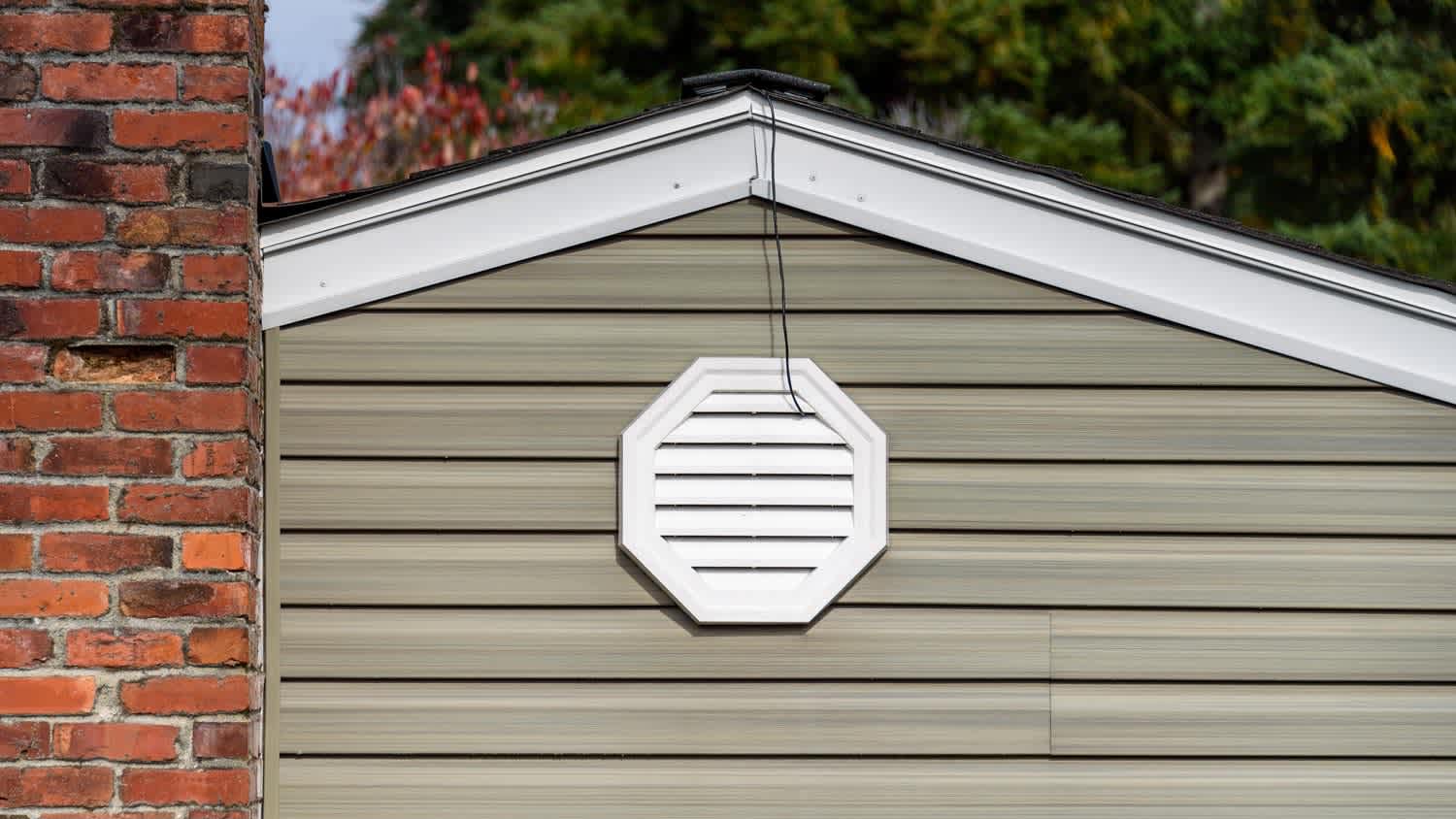
Get a clear estimate for attic fan repair costs to learn what impacts pricing, how to save, and whether to repair or replace your attic fan.

Whole-house fans can help reduce your electric bills by providing ventilation and cool, fresh air. Use this whole house fan cost guide to price out the project.
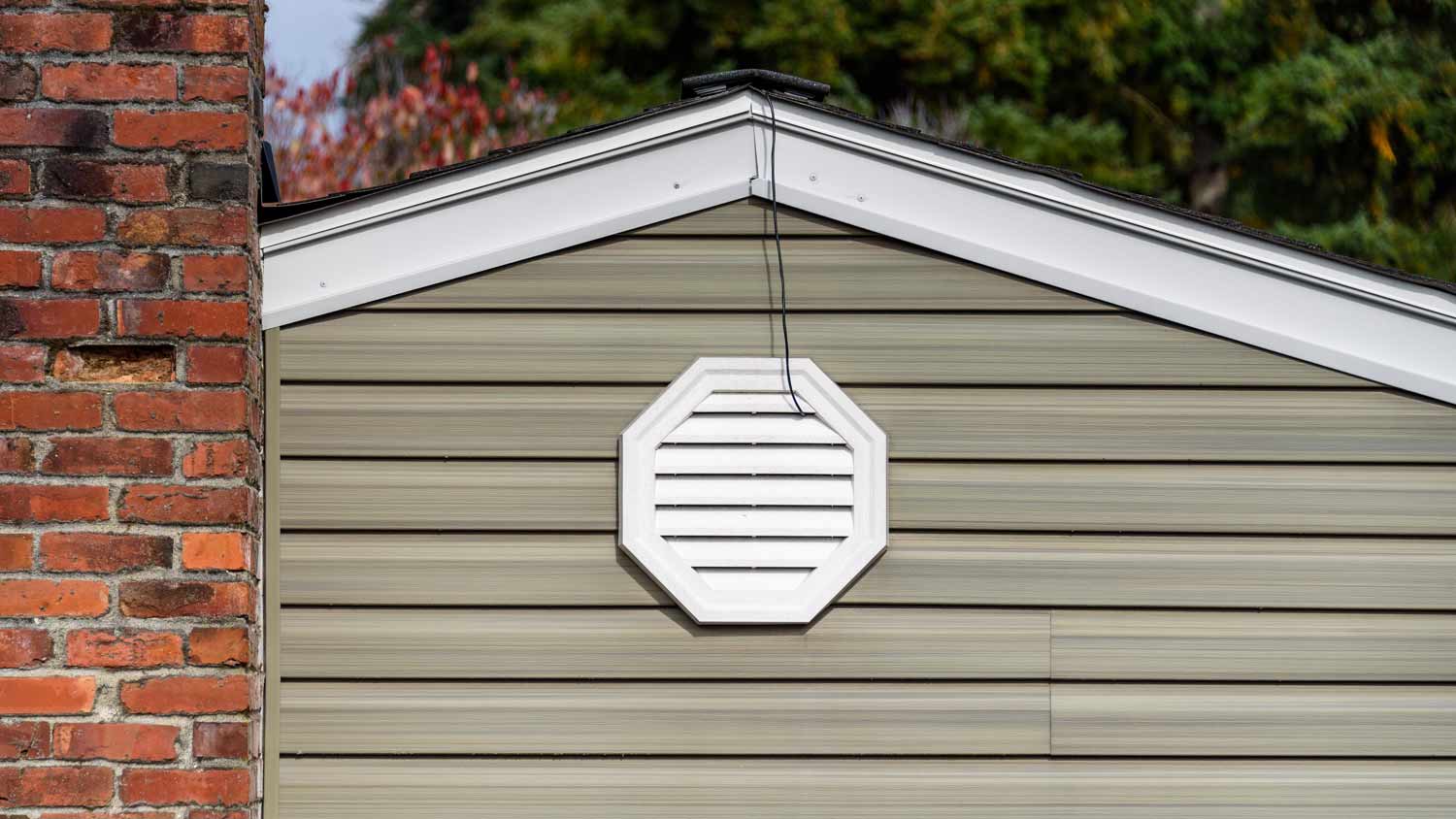
Asking and answering these attic fan questions will help you understand how a fan can help maintain your home’s temperature and protect against humidity.

A new or replacement attic fan will help your home stay well-ventilated and cool. If you're sold on the idea, learn how to install an attic fan in this guide.
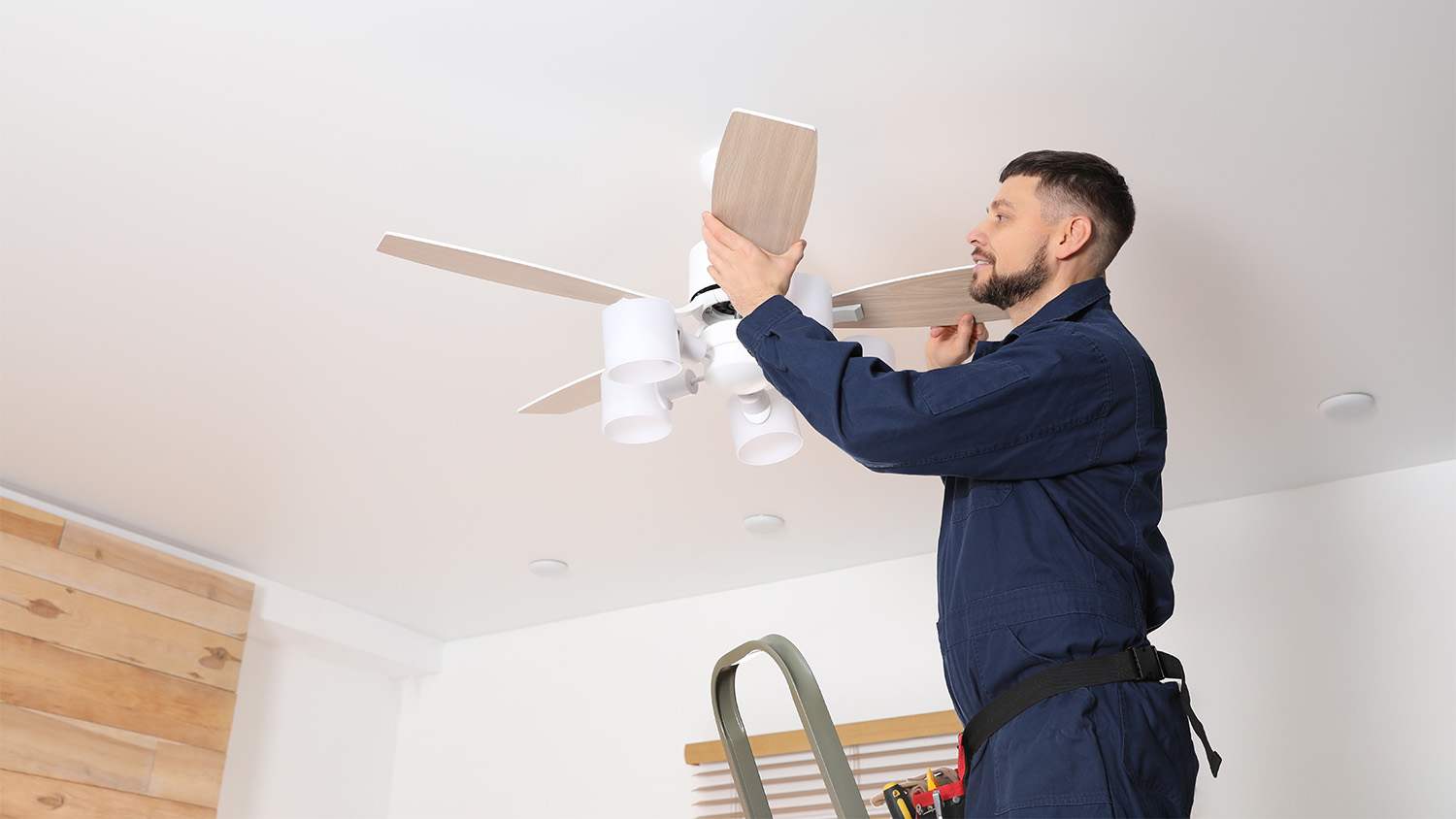
Wondering who to hire for attic and whole-house fan installation? Learn which pros to call, safety musts, and how the process works.