
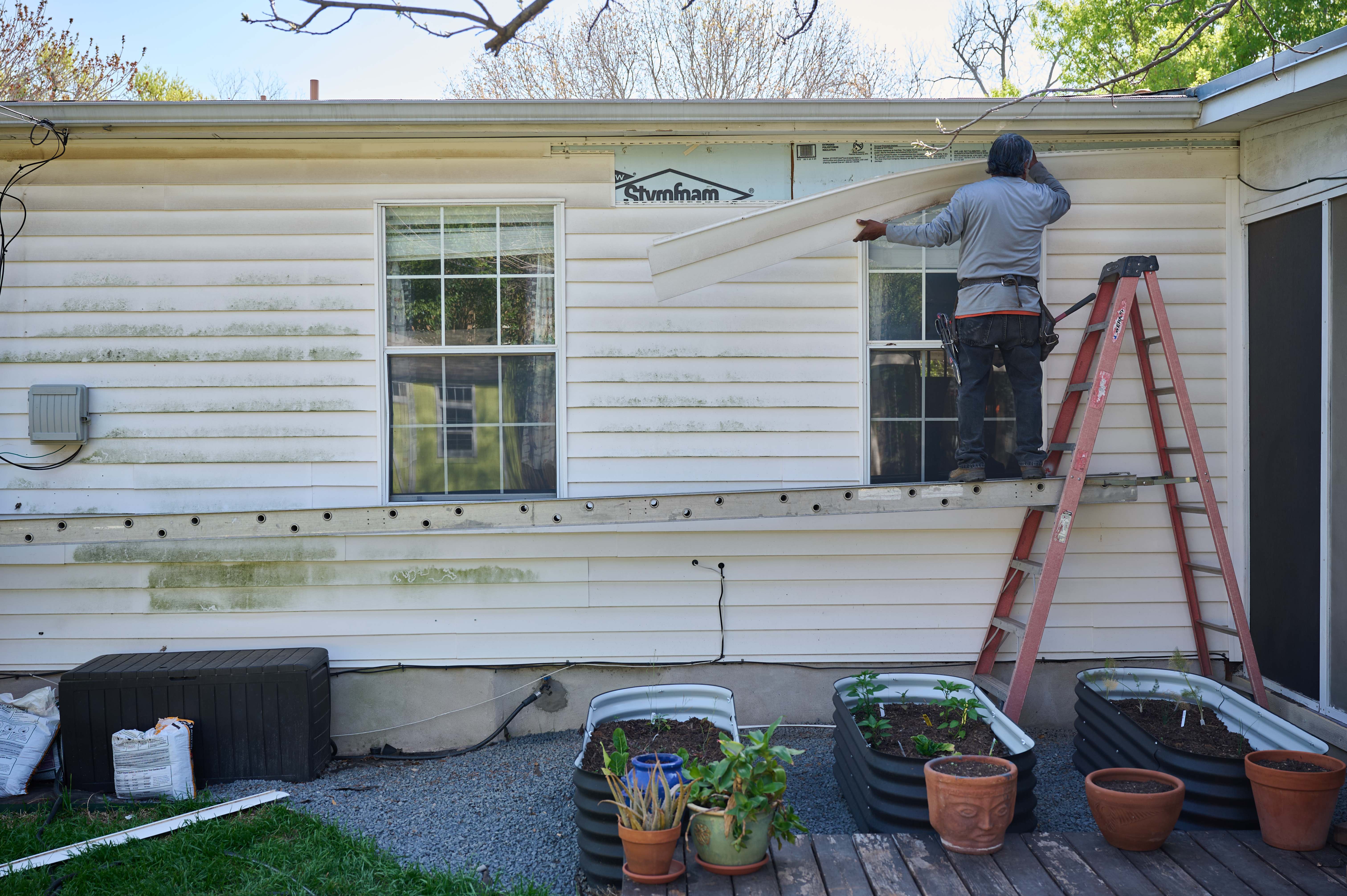
Siding replacement costs around $11,000 on average, but several factors influence what you’ll pay. Our guide breaks down all the siding cost factors.
A quick, effective project to tackle this weekend

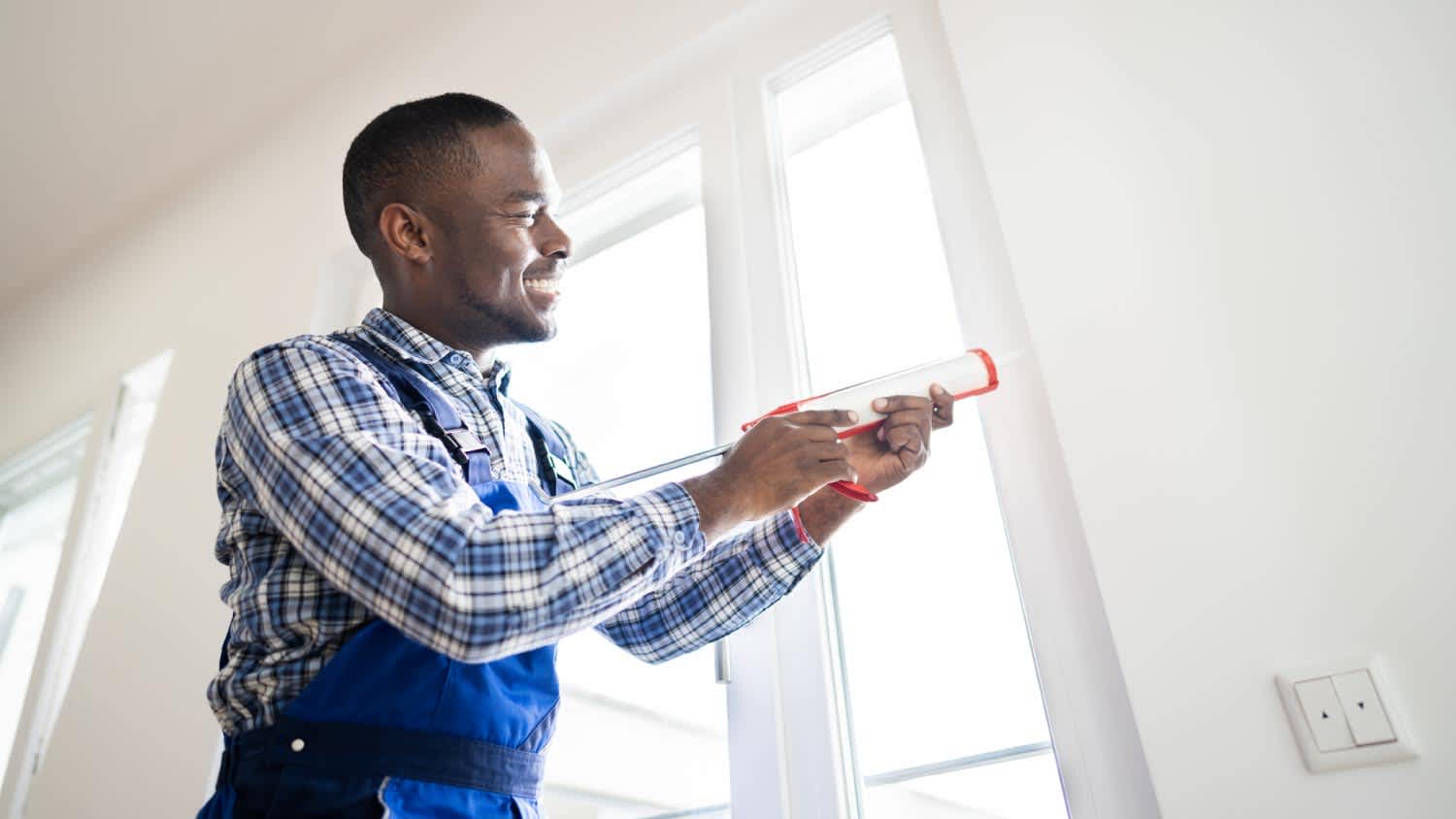
Caulking is a powerful tool any homeowner has in their arsenal to quickly repair any small siding damage. If you have cracks, gaps, or small holes, caulking can prevent more serious problems from occurring, like water damage. Read on to learn how to caulk siding to quickly fix any small issues with your siding.
Contact a pro to diagnose any potential damage to your home's siding, as they may be able to identify damage that is difficult to spot.

Most of the tools you'll use to caulk siding you may already have handy so the most important items you'll shop for are a caulking gun and caulk. For a caulking gun, you don't need to splurge on anything high-end, as a straightforward caulking gun will work just fine and cost between $5 and $10.
Then, you'll need to choose the type of caulk to use. There are four types of caulk to pick from: butyl, latex, silicone, or polyurethane sealants. Some products include a mixture of these types. For exterior windows, doors, trim, and siding, silicone caulk or a silicone-latex combination is an ideal option. Butyl rubber is optimal for outdoor applications, such as around gutters.
In some instances, you have the option of choosing a caulk color that matches your siding for a more seamless finish. However, this is not required, and your home will still look great if you use a generic colored caulk.
Depending on where you're caulking, you may require the use of a ladder or scaffolding. If this is the case, ensure you work with a partner to reduce risk. If you're not comfortable working from a ladder or don't have assistance, consider hiring a siding contractor.
Before you begin your project, you want to check the weather. It takes about 24 hours for the caulk to dry and cure, so avoid starting your project if rain is in the forecast. It's also not advisable to caulk if it's too cold outside, so wait for a day when it's warm (anything above 40 degrees Fahrenheit).
Caulking is a viable solution if you have cracks or gaps or are needing to caulk butt joints, corners, or crevices. However, caulk is not recommended for all types of siding or in every problem area.
Wood is a house siding option that shouldn’t have siding caulk applied, as this would impede the natural expansion and contraction of the material. Fiber cement siding should not be caulked either unless it does not have flashing. It is also not recommended to use caulk on lap siding styles as each siding board is designed for water to escape through its base. Caulking prevents this natural occurrence, which could result in water damage.
As for areas it's not advisable to use caulk, trim boards resting on the siding should be left without as it would inhibit airflow and possibly trap moisture beneath. The bottom of horizontal siding sheets and the edges of tongue-and-groove panels should be avoided for caulk as they are designed to channel water and permit airflow; the caulk would prevent this from happening.
To ensure a lasting hold, begin your caulking project by cleaning the areas to be sealed. Use a utility knife to eliminate any old caulk, flaked paint, damaged wood, dirt, and other debris. If you’re cleaning vinyl siding, a water and vinegar mixture works best, but for most siding, you can wash out the areas with a damp cloth. Let the siding dry out entirely before you caulk.
Carefully inspect the area you'll be caulking for any cracks deeper than 1/2 inch and wider than 1/4 inch. Fill any detected gaps with a filler rope to enhance the area prior to applying the caulk. Utilizing filler rope not only decreases the amount of caulk needed but also forms the perfect joint design. This enables the caulk to expand effectively, thus reducing the likelihood of it ripping or tearing and requiring further maintenance.
Next, you'll load the caulking gun with your caulk tube. To do this, squeeze the release trigger of the caulk gun to draw the rod backward. Keep a grip on the rod while simultaneously pushing the trigger down with your thumb. Using your other hand, draw the rod as far as possible and hold it there.
Next, use a pair of scissors to cut the nozzle on the tube of caulk at a 45-degree angle. Take the piercing rod on the gun and insert it through the nozzle until it breaks through the tube. With the steel rod still firmly held in place, slide the flat end of the caulk tube into the back of the frame. Position the nozzle so it fits comfortably within the opening at the front of the gun. Gently squeeze the large trigger of the gun to make sure the tube is balanced.
Once the caulk gun is prepared, dampen a foam brush with water. Set it to the side. You can also choose to apply painter's tape around the area to avoid cleaning any excess caulk.
Now, you're ready to apply the caulk. While you may be tempted to apply one long, continuous line, avoid this as it may result in a partially-depressed trigger. Instead, apply shorter beads of caulk that merge together as you go along the area.
After applying, take the damp foam brush and carefully blend the caulk to make sure all seams are evenly filled. This will produce a much more polished, professional-looking end result. Remove excess caulk by taking a damp rag and wiping it away. If you've used painter's tape, remove it now before the caulk has time to dry.
When you've completed the project, allow the caulk to dry completely. This typically takes 24 hours. You can assess it after it's dried to see if any further work is required.
If you love tackling a new project or have experience with caulking, this siding task can be well-executed on your own. Plus, you'll save money to use on other projects since you can complete this DIY for less than $50. The only challenge you might face is using a ladder or simply lacking time in your schedule to complete it. In either case, you may want to hire a local siding contractor or handyperson with exterior repair experience. The average siding repair cost ranges between $40 and $90 per hour for labor.
Siding isn’t indestructible. Holes, chips, dents, and cracks can look small. Behind the scenes, they can quickly snowball into big problems. During your DIY project, you might discover damage that your weekend caulking can’t fix. These openings leave space for moisture to collect and can cause further—and sometimes extensive—damage to your home.
If you spot any damages or are dealing with siding (e.g. wood or fiber cement) that doesn’t work well with caulk, get a siding contractor to your house ASAP. Installing or repairing siding is best in moderate temperatures, so depending on the extent of your damage and the season, your contractor might push your repairs to the nearest fall or spring seasons.
The guys at PaveWay are top notch. From the estimate to the job being completed,all was done in a timely and professional manner. I myself was a DOT Engineer Inspector(know what to look for) and got to talking with Cameron and he himself was a Contract inspector for a few years,same job as...
 All Star Paving and Sealing
I highly recommend KTM construction! I will look no where else for anything that needs to be done, in or out side of our property. The level of craftsmanship is 5 star service across the board! The level of detail, knowledge and professionalism is 5 star service across the board! Ken is a...
 KTM Construction, LLC
I purchased the "Big Deal": $199.00 for exterior pressure-washing of one- or two-story home up to 2,000 square feet. They cleaned the siding only. I wasn't aware when I bought the Big Deal that they would not do any other surfaces other than the siding (i.e. sides of the gutters or stucco). I...
 Complete Home Services
This brownstone is historical and the carpentry work is very detailed. I was very happy to secure a company in NY and living in OH to complete the request. Wood work on this brownstone has been existing since approximately 1888 and West side did a GREAT JOB. I will not be able to...
 Westside Home Improvement
Nice group of workers, very friendly. Day 1 covered everything before starting, seemed very organized. Things seemed to be going great. Day 2 they didn't show up until around 10:00a.m. and work crew was cut in half, was told they had another job. Day 3 they didn't show up until around...
 CertaPro Painters of Columbus
The work went great! Couldn't ask for better. Joel set a work start date. About the time of the storms that may have been associated with Sandy. He was half a day late. They set up on a Thursday. On Friday they had a full crew at work. By Monday they were finishing up. Now, the best...
 NJW Construction
A few months ago, a tree branch fell across my car, leaving a series of dents across the hood and driver's side fender. I took it to Rife's after reading the Angie's List reviews. Rife's did a great job! My car looks like new. And they made the process as easy as possible. When I came in...
 Rife's Autobody Inc
I received an email from Angie's List offering Car Detailing 4 U's services for $99. Coming from Angie's List, I expected this to be a highly dependable and qualified company that was known for doing exceptional work. I set the appointment for them to come to my home. They were arrive at...
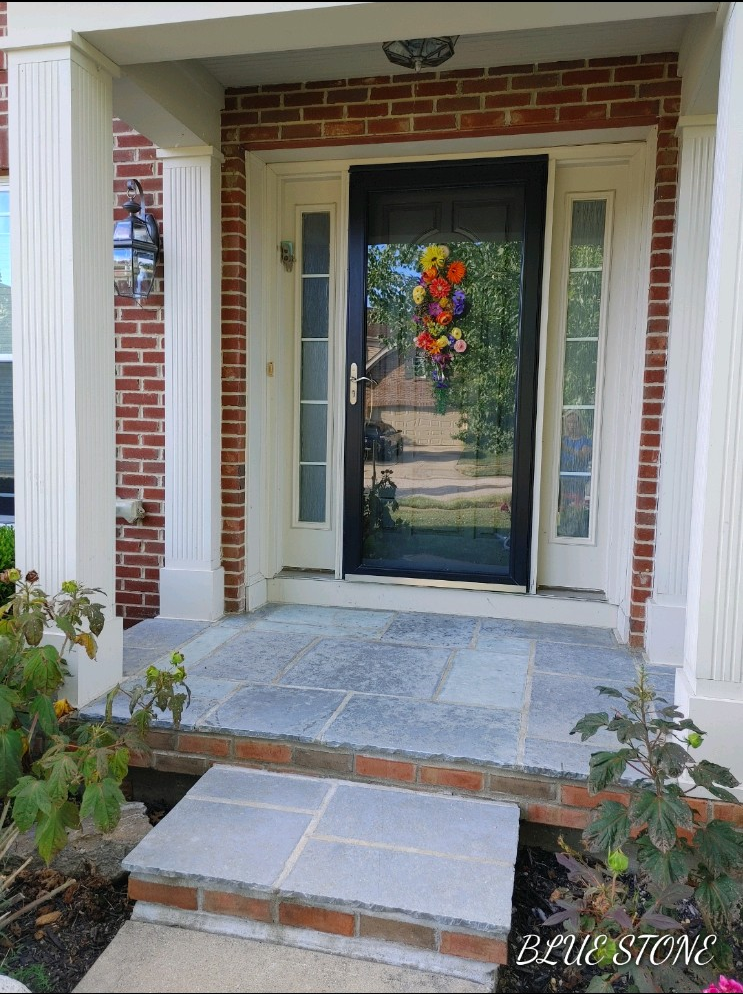
We first had Mark fix the back patio and liked his work so much we had him make a brick patio on the side of the house. When we decided to change our concrete walkway to brick, we wanted Mark to do the job because his prices were fair and he did such good work on t he other two projects.
 Mark Monnette Masonry
I was very pleased with the cost and end result. I truly expected this job to cost me 50% more than it did. When you factor quality and cost, I would highly recommend Mark's services and plan to use him in the future. The best part was, I asked Mark to match the paint color in one section...
 Fresh Touch Custom Painting Inc.
From average costs to expert advice, get all the answers you need to get your job done.
Siding replacement costs around $11,000 on average, but several factors influence what you’ll pay. Our guide breaks down all the siding cost factors.
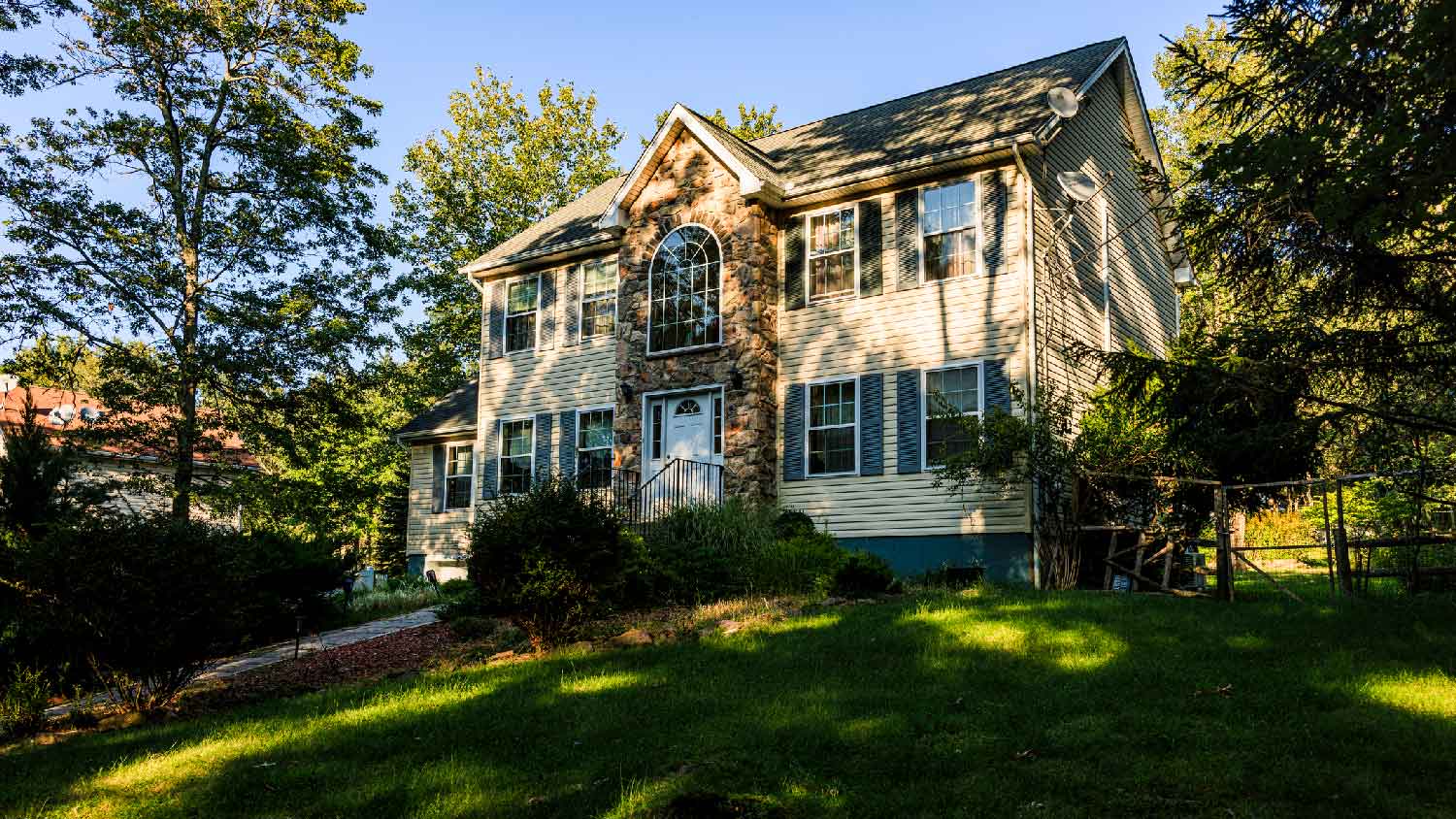
Considering a home exterior makeover with cladding? Find out the average house cladding cost to help you plan your budget.
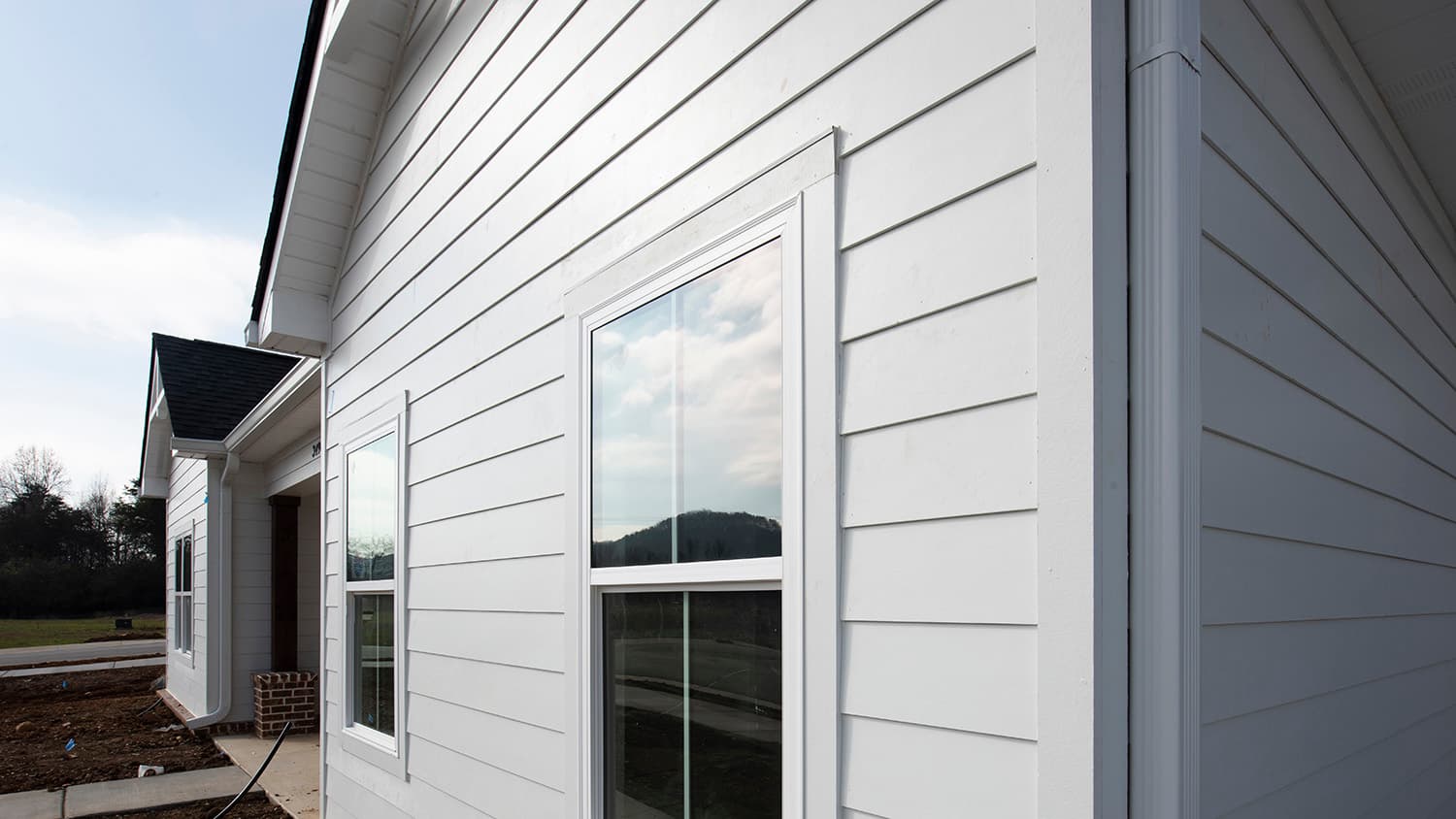
Learn about the average siding repair cost to expect based on siding type, repair type, and extra labor when getting estimates to fix siding from contractors.

It's the age-old siding debate: to caulk or not to caulk Hardie Board. In most cases, Hardie Board discourages caulk use, but it's important to see the whole picture.
Caulking isn’t as easy as it looks, but with some tricks, even a beginner can do it like a pro. This guide will show you how to caulk in nine simple steps.
Save money and maintain your home’s structure by learning how to repair vinyl siding in minutes with this handy DIY guide.