
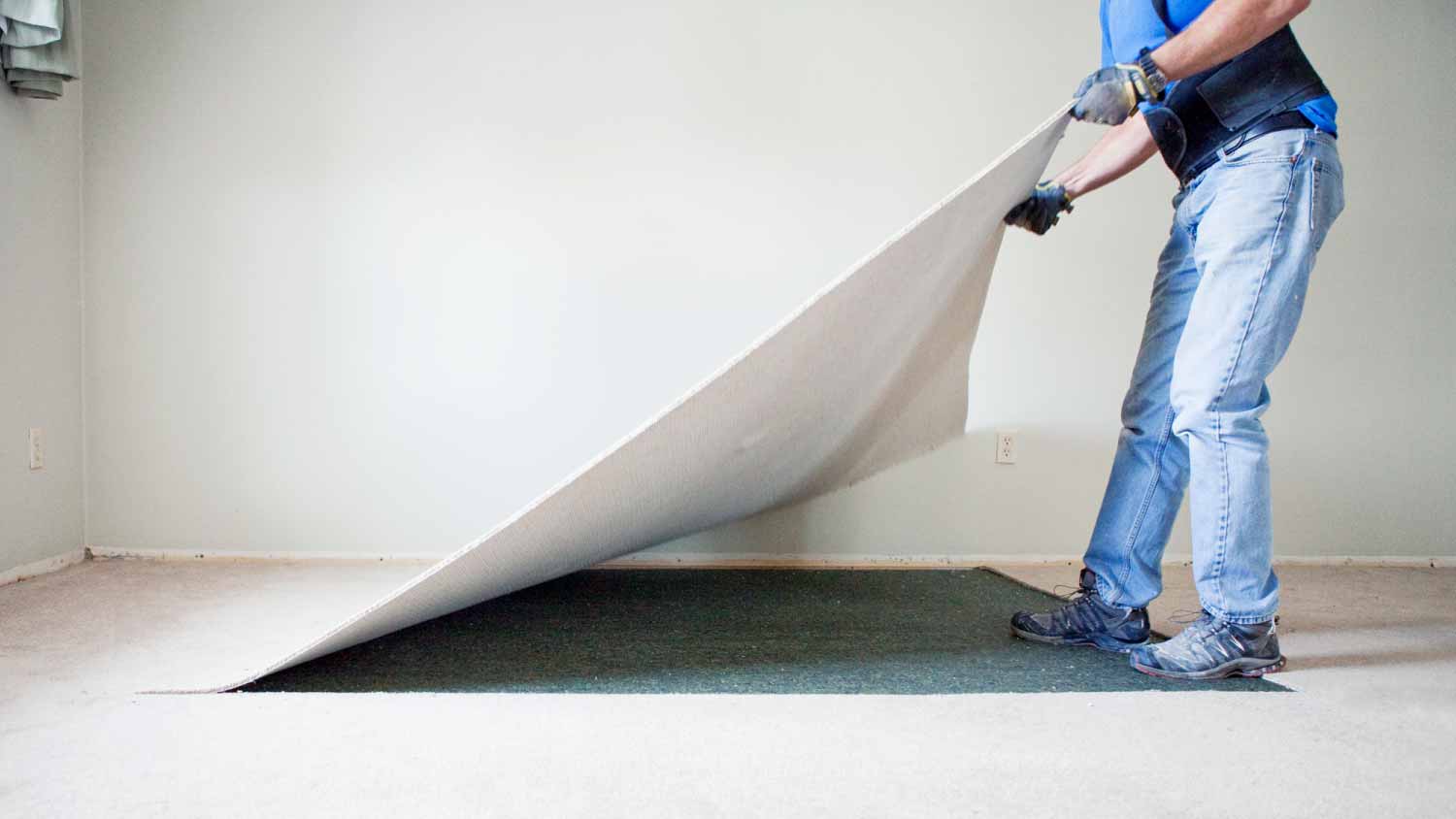
The average range to remove carpet costs $120 to $720. Contractors base carpet removal costs on square footage, home location, and installation type.
Blood stains are (literally) a pain, but these carpet cleaning methods do the trick

Blood stains bind to your carpet fibers quickly when hemoglobin contacts the material, so acting within 10 to 15 minutes gives you the best chance of removing blood from carpet.
Typical costs range from $80 to $375 for professional carpet cleaning services, with average costs around $180, making early stain removal worthwhile to avoid replacing damaged carpets.
Cold water and dishwashing liquid work well for fresh stains, while enzyme-based cleaners help break down dried blood without forcing you to scrub and damage carpet fibers.
Hiring a local carpet cleaning professional provides reliable help with tough or dried blood stains, using specialized equipment and solutions that remove deep stains without damaging delicate carpet fibers.
Next to a red wine spill, a blood stain is just about the worst thing that could happen to a white carpet. Unfortunately, we’ve all been there. A little cut can make a big mess—but before you rush for a Band-Aid, time is of the essence. You have the best chance of successfully removing stains from your carpet if you act in the first 10 to 15 minutes. In this guide, we’ll discuss how to get blood out of carpet, even if it’s already dry.
Blood is tricky because hemoglobin binds itself to the fibers in your carpet, so your best bet is to soak it up before it has a chance to bind. Blood also naturally clots when it comes in contact with the air, so not only does it form tight bonds with your carpet fibers, but it tends to do so rapidly.
Additionally, blood has a dark red coloration, and those pigments can leave obvious marks on most carpet colors.
Prep is key here, as you’ll want to clean the blood stains in a way that doesn’t damage your carpet. Your best course of action is to use a powerful stain remover suited for your carpet type—whether it’s a homemade solution or a store-bought product.
No matter your carpet material, make sure to blot rather than scrub, as scrubbing can cause permanent damage.
If you have a natural fiber carpet, never use ammonia or harsh store-bought cleaners. The stain remover should have a neutral pH. Wool is very absorbent, so use as little water as possible. With sisal rugs, avoid water altogether if possible.
These materials are stain resistant, so you can usually blot and clean a blood stain with dishwashing liquid if it’s fresh. Nylon is prone to discoloration, so patch test before using a stain remover.
With acrylic, time is of the essence. Stains tend to set in this material fast, so work quickly. Most carpet cleaners are suitable—but again, blot; don’t scrub.
The best way to remove a blood stain is to act in the first 10 to 15 minutes before it has the chance to dry. Some methods work better than others, and you should do a patch test to ensure it doesn’t damage your carpet.
It’s always a good idea to start with the mildest method to avoid damaging your carpet, and move along to a harsher method if the stain won’t budge (or use these stain removing tips). Here’s what you can try.
Dishwashing liquid does a great job lifting tough stains. Mix a few drops of clear dishwashing liquid into a bowl of cold water. Never use hot water because it will set the stain more rapidly. After that:
Dip a clean cloth into the dishwashing solution.
Wring out excess cleaning solution if you’re working with a natural fiber carpet such as wool.
Sponge the solution into the carpet.
Blot the stain with pressure, but don’t scrub. Scrubbing will work the stain further into the carpet and make it more challenging to get out.
Repeat the process until the blood stain is removed.
As an alternative to dishwashing liquid, you can use baking soda, which is highly absorbent.
Blot the stain with cold water using a clean rag or paper towel. Remove as much of the stain as you can with blotting.
Sprinkle baking soda on the stain while the area is still wet.
Add some cold water to a cloth and wring it out.
Gently blot the stain with the cloth until the stain is gone.
Stain removers tend to be harsh on your carpet, so it’s best to use these only if the previous methods haven’t worked. The best carpet cleaners for blood stains use enzymes to break down the stain, which are highly effective. Follow the manufacturer's instructions to remove a blood stain with a dedicated stain remover, or use the following steps. Remember to never mix stain removers with other cleaners like ammonia or hydrogen peroxide. It could lead to a nasty chemical reaction.
Soak a clean cloth or paper towel in clean, cold water and wring out any excess.
Blot the stain with the cloth to remove as much of the stain as possible.
Spray the area with your stain remover.
Let the stain remover sit on the carpet based on the manufacturer’s instructions. You’ll usually wait for a few minutes.
Blot the stain with a clean cloth to remove any remaining discoloration.
Instead of ammonia or stain remover, you can use hydrogen peroxide on blood stains. This should be a last resort, though, because hydrogen peroxide is acidic and can damage certain types of rugs.
Dilute half a cup of 3% hydrogen peroxide with two cups of cold water.
Blot the solution onto your carpet using a clean cloth.
Work the solution into the carpet gently, and let it sit for an hour.
Vacuum the area once it dries. You may have to repeat this process if the stain is still visible.
Tip: To boost stain-removing power, add a little bit of dishwashing liquid or baking soda to your hydrogen peroxide mix.
If you don’t have a stain remover on hand, ammonia is a powerful alternative. However, ammonia has a pH of around 12, making it a decently strong basic chemical. Compared to other cleaning solutions, ammonia is more likely to discolor your rug and cause damage to the fibers, so use this method sparingly, and spot test first.
Put on rubber gloves and eye protection, as ammonia can irritate skin and eyes.
Mix 1/2 cup cold water with one tablespoon of ammonia.
Blot the carpet with the ammonia solution until the stain lifts. Use the solution as sparingly as possible.
Blot the stain with a cloth soaked in cold water to neutralize and remove the ammonia.
Removing blood stains from your carpet can be challenging, but there are things you can do to make the process easier and more effective.
Get to the stain as quickly as possible. Blood dries and solidifies rapidly, so getting to the stain as quickly as possible—ideally within 10 minutes—will make your job easier.
Blot, don’t rub. Always blot with your cleaning solution instead of rubbing. Scrubbing will not only drive the blood further into the carpet and make your job harder, but it can also damage your carpet fibers.
Never use hot water. Hot water on a fresh blood stain will only make the blood set more quickly; use cold water instead.
Use multiple methods. Blood stains are tough to remove, so use all of the methods above, if necessary. Just go in order from least aggressive to most aggressive until the stain is no longer visible.
Minimize water usage. It might be tempting to soak the blood stain heavily, but excessive moisture can lead to mold in your carpet and water damage to the building materials underneath. Always wring out your cleaning cloth before using it.
Use enzyme-based cleaners for dried blood. An enzyme-based commercial carpet cleaner helps break down the proteins in blood that bind to carpet fibers. This can get the bulk of the stain out quickly.
Try steam cleaning afterward. After you use the above cleaning methods, rent a steam cleaner to go over the area. This can help pull out any remnants and reduce how visible the stain is.
Consider covering the stain instead. If your blood stain is still visible after using the above cleaning methods, consider rearranging furniture to cover the area or make it less prominent.
Hire a professional. Some cleaning solutions can discolor or damage your carpet. When in doubt, hire a pro to remove the stain without doing further damage.
Most homeowners can remove carpet stains on their own—especially if it’s just a drop of blood. Using the methods mentioned above, you should be able to save money on carpet cleaning services by getting the stain out yourself.
However, blood can be tough to remove from a carpet, especially if it has dried. If the methods above haven’t worked completely, or if you’re concerned about the chemicals doing damage to your carpet, then we recommend hiring a professional. It’s especially worthwhile to hire an expert carpet cleaner or house cleaner for more significant stains or delicate, high-end rugs. They can remove tough stains without damage.
The cost of professional carpet cleaning services near you is around $180, and most homeowners pay between $80 and $375. If you just need a spot cleaning on a blood stain, you’ll likely pay around the lower end of that range.
Mariel Loveland contributed to this piece.
Showed up on time and cleaned carpets well, but didn?t move furniture.
 Voda Cleaning & Restoration of Columbus
Carpet repair done well. Scheduling was easy. Showed up on time.
 BR Flooring Installation
I had FabClean 614 clean my apartment, and she did an outstanding job. She was so professional and efficient. My apartment looks absolutely spotless every surface, every corner, all cleaned to perfection. Definitely highly recommend FabClean 614 if you're looking for top-notch cleaning...
 Fab Clean 614
I would recommend this company to anyone! He showed up on time, was friendly, completed a very difficult repair on our dryer vent cover, was responsive, and pricing was extremely fair and competitive. I would have him back to do any of our repairs or cleanings without hesitation!
 U.S.A. Dryer Vent, LLC
Best cleaning I've had at my property
Fantastic group, very communicative, and they really did a great job cleaning my condo. Will be hiring them for recurring cleaning!
 eMaids of Northern Columbus
On time, clean and finished fast. Windows seem sturdy and the finish is good. Caulking was done with no smudges. Would recommend.
 Window Depot USA of Central Ohio
I definitely recommend Ramonaâ s cleaning service! I have booked services with her many times and she arrives on time, ready to work and provides a great service.
 Your Cleaning Solutions LLC
Great job...edging and pre clean up went well with a great job with seal coat. Friendly, efficient and professional.
 All Star Paving and Sealing
Mary Cleaning Service is fantastic! The entire team is professional and pay a great deal of attention to detail. They do such a thorough job of cleaning my house. I would definitely recommend!
From average costs to expert advice, get all the answers you need to get your job done.
The average range to remove carpet costs $120 to $720. Contractors base carpet removal costs on square footage, home location, and installation type.

Discover how much carpet replacement costs based on factors like the project size, the carpet material, and the labor required.

Carpet padding makes your carpet feel extra comfortable and protects your floors from damage, but how much does carpet padding cost? Let’s look at the numbers.
Sticky situations are no match for a DIYer armed with our guide on how to remove glued carpet. Skip the struggle and say hello to refreshed floors.

Wondering how often to get your carpets professionally cleaned? Learn the ideal schedule to keep your home fresh, clean, and allergen-free year-round.

Stains don’t have to ruin your fabric, upholstery, and carpeting. If you’ve got household staples, you have stain removers at your disposal. Find out our top stain removal tips here.