
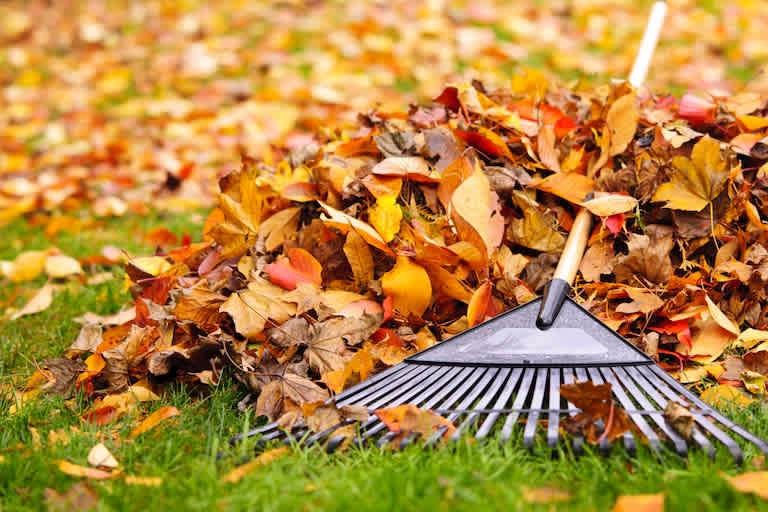
Autumn leaves are beautiful but also leave quite a mess to clean up. This guide will help you budget for your leaf removal cost this fall.
Learn how to efficiently tackle this task while benefiting your garden and the environment

Raking leaves in small sections with short strokes helps you finish faster and prevents muscle fatigue while keeping your yard manageable.
Professional leaf removal costs $190 to $600 depending on your yard size, so addressing the task promptly helps you avoid higher costs.
Using a tarp to collect leaves as you rake makes bagging easier and saves you time when clearing your lawn this fall.
Hiring a local leaf removal professional takes the physical strain off your shoulders and keeps your yard looking great throughout the season.
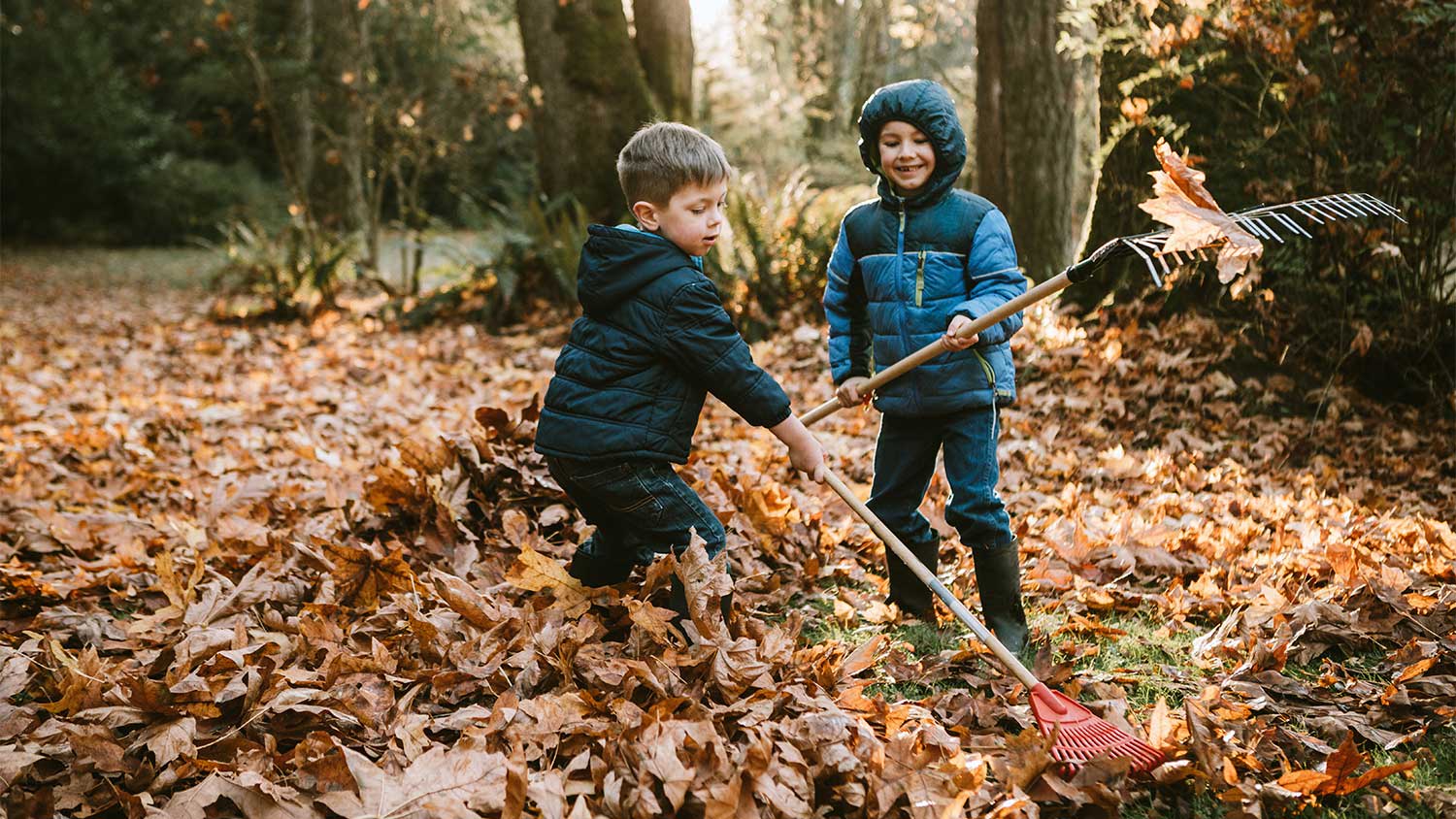
Fall is the season of bonfires, tasty treats, fall festivities, and the radiant colors of changing leaves. However, it doesn't take long for those leaves to clog your gutters and cover your yard, so it’s time to learn the best way to rake leaves. The good news is you can make this task easier with the right tools and techniques. Learn the best way to rake leaves with these efficient tips.
There are various types of rakes made for different lawn and gardening tasks. Leaf rakes are designed to move leaves and other lightweight materials, such as grass clippings. They have a fan or triangle shape, and the ends are bent to hold the leaves as you rake.
They are usually made from plastic, metal, and bamboo, so they are lighter than other rakes, which makes this strenuous task much easier.
It may sound odd, but wearing protective gear when raking leaves is essential. Wearing sunglasses or safety goggles can prevent flying particles and debris from entering your eyes.
Using gloves while you rake can prevent blisters on your hands and protect you from bug bites, thistles, and thorns when you pick up the piles of leaves. You may want to wear a mask so you don't breathe in mold spores and dust from the leaves, too.
The best way to rake leaves is to finish the task before it rains. When the leaves are wet, they are soggy and heavier than when they are dry. It makes raking much more difficult, and if they are too heavy, it can break your rake or the bag you are using to dispose of them. If you cannot rake leaves before the storm, wait a few days until they dry out again.
If it is super windy, it's better to wait to rake. Otherwise, all your hard work will blow back all over the yard. However, if it's a slightly breezy day, then you can utilize the wind by raking in the same direction. You can stomp on the leaves to compact them down and prevent piles from blowing around.

The best way to rake leaves is to use small strokes for efficiency and prevent muscle fatigue. Also, you should rake in sections rather than tackling the entire yard at once.
Divide your yard into sections to make it more manageable. Make many small piles instead of fewer large ones, and dispose of the leaves in the area you are working on before moving to the next spot in your lawn.
Make raking leaves a cinch by using a tarp. Lay the tarp down and use rocks or other weighty items to hold it in place. Then, rake the leaves onto it, and fold the tarp to funnel them into lawn bags when you finish. Or you can buy a tarp with handles to make it even easier.
Mowing leaves into mulch is not only easier than raking them, but it's also beneficial for your lawn. The decomposing leaves contain essential nutrients that can promote grass growth.
You may have to mow over them more than once to shred them into small enough pieces that make it easier for the leaves to decompose. You can also use a bagger and put the mulch in your garden.
Simplify your leaf-removal task by disposing of your freshly raked leaves into a composting pile. Composting is good for the environment because it reduces waste and provides an ecosystem for insects and microorganisms.
Lawn critters break the leaves down, and it becomes a soil-like substance called compost that you can use in your garden and fall flower beds to add nutrients to the soil to promote healthy plant growth.

The best way to rake leaves is to bag up or dispose of the piles as you go. This method will keep your piles from scattering if it gets windy or you aren't able to rake your entire yard in one day. Remember to rake in sections and rid piles as soon as possible to simplify the process.
A yard vacuum is a fantastic tool for removing leaves with ease. Like a vacuum, it sucks up the leaves into a removable bin or bag. The removable bag makes discarding or distributing the leaves elsewhere easier.
You can also opt to use a leaf blower. However, you need to ensure you don't blow the leaves into the road or your neighbor's yard to deal with. You will still need to put them into piles and discard them.
Fallen leaves are actually important to nature and wildlife. Trees losing leaves is part of their natural cycle because it protects their roots and provides nutrients to the soil. Many insects, such as butterflies and bumblebees, hibernate in dead leaves during the winter.
Worms, beetles, and other insects seek shelter in the leaves, providing food for birds, frogs, turtles, and salamanders. A thin layer of leaves in your yard can also benefit your lawn because they act as a natural fertilizer.
What's the best way to rake leaves when you lack time or energy? Hire a professional leaf removal service near you to take on the task. Leaf removal can cost between $190-$600, depending on the size of your yard and the company. However, it may be worth the expense if you have physical limitations or your schedule is tapped out.
Some municipalities provide leaf removal services, but if yours doesn't, you still have a few options. Consider composting your leaves or turning them into organic mulch. Never burn your leaves, though --- this is not only a fire hazard but the smoke can be harmful to your health and the environment

One of my old tall evergreen trees was suddenly leaning toward the busy street in front of my house. I submitted a request for an emergency tree inspection, and Alejandro, owner of Cajete Tree Service, contacted me immediately and arrived to look at it just 20 minutes later. We agreed the...
 Cajete Tree Service LLC
Terrible experience. Walls/trim/floors/cabinets/doors all have drip marks, overspray, etc. Tiling at the fireplace had to be redone by another vendor due to incorrect and shoddy install by Profect. Contractor had his children in our house while he was on site without prior authorization or...
 Profect painting & exteriors
Wonderful. I am going to have them remove and replace my driveway in the spring.
 All Star Paving and Sealing
Lyle did a great job removing asbestos shingles from our front porch roof. They worked together with our roofer to make sure that the new roof was able to be installed on the same day that Lyle removed the asbestos shingles.
 Lyle Environmental
Involved an extensive bathroom remodel, including removing tub & installing walk in shower, new drywall, custome tile work to ceiling, plumbing, etc. Overall, job was done on time and on budget. Nick & his team were very professional and had high attention to detail. Quality was great. Highly...
 Stamos Flooring and Remodeling LLC
Extremely well. Ohio Tree Care is my go to company for all tree care and snow removal services. they are professional, knowledgeable and affordable. I manage five camps in 33 counties and Ohio Tree Care has serviced every one of our properties. Highly recommend.
 Ohio Tree Care Inc
A team of 2 spent 5 hours, cleaning top to bottom (removed all light fixture and cleaned.... impressive!!!)
 Luzia's Cleaning
Great Job!!! Martin called me after I requested a estimate on Home Advisor. He was very professional and actually went the same day and looked at the tree I needed removed gave us a estimate and I felt it was very aggressive so I did not even call for any other bids. I asked him how soon he...
 Reyes Tree Service LLC - Home Facebook
Removed various items (furniture, lamps, other junk) from my home. They were on time, personable, professional, etc. I can't say enough positive things about this company. <br />
The task proved more difficult than anticipated. When they arrived the first day, they had no tools with them at all, and had to make a run to purchase appropriate tools. It was quickly determined that the paper had to be steamed off, and neither the workers, nor the company itself, had...
 ABS Interiors of Mid-Ohio LLC
From average costs to expert advice, get all the answers you need to get your job done.
Autumn leaves are beautiful but also leave quite a mess to clean up. This guide will help you budget for your leaf removal cost this fall.
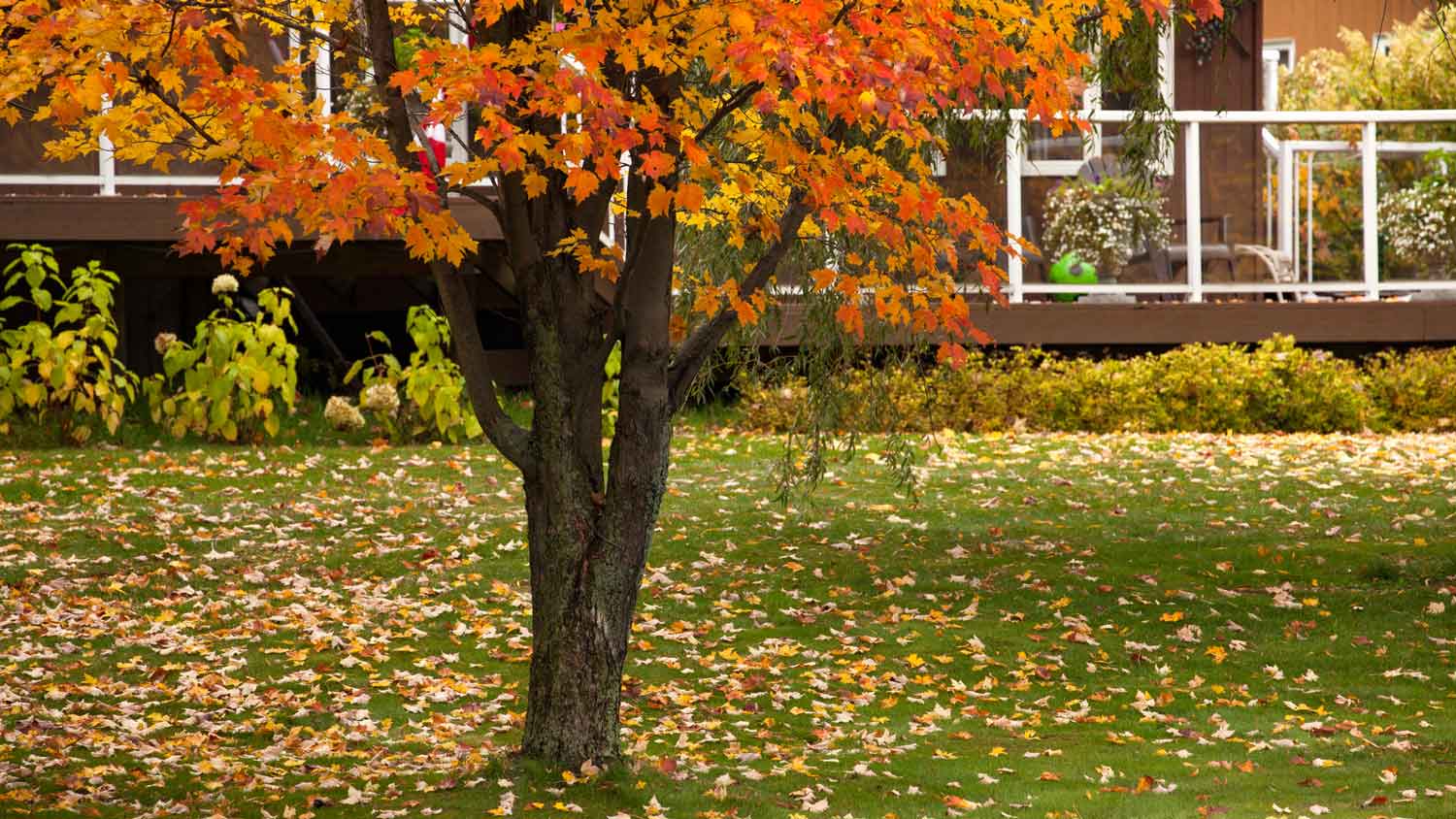
Allowing leaves to decompose naturally can add vital nutrients back into your soil. Learn whether you should rake leaves and why.

If leaves are piling up in your yard, it’s time to get rid of them. Here’s the best way to bag leaves and what to do with them when you’re done.

Raking leaves can be such a chore. Learn how to get rid of leaves without raking with these fail-safe methods.
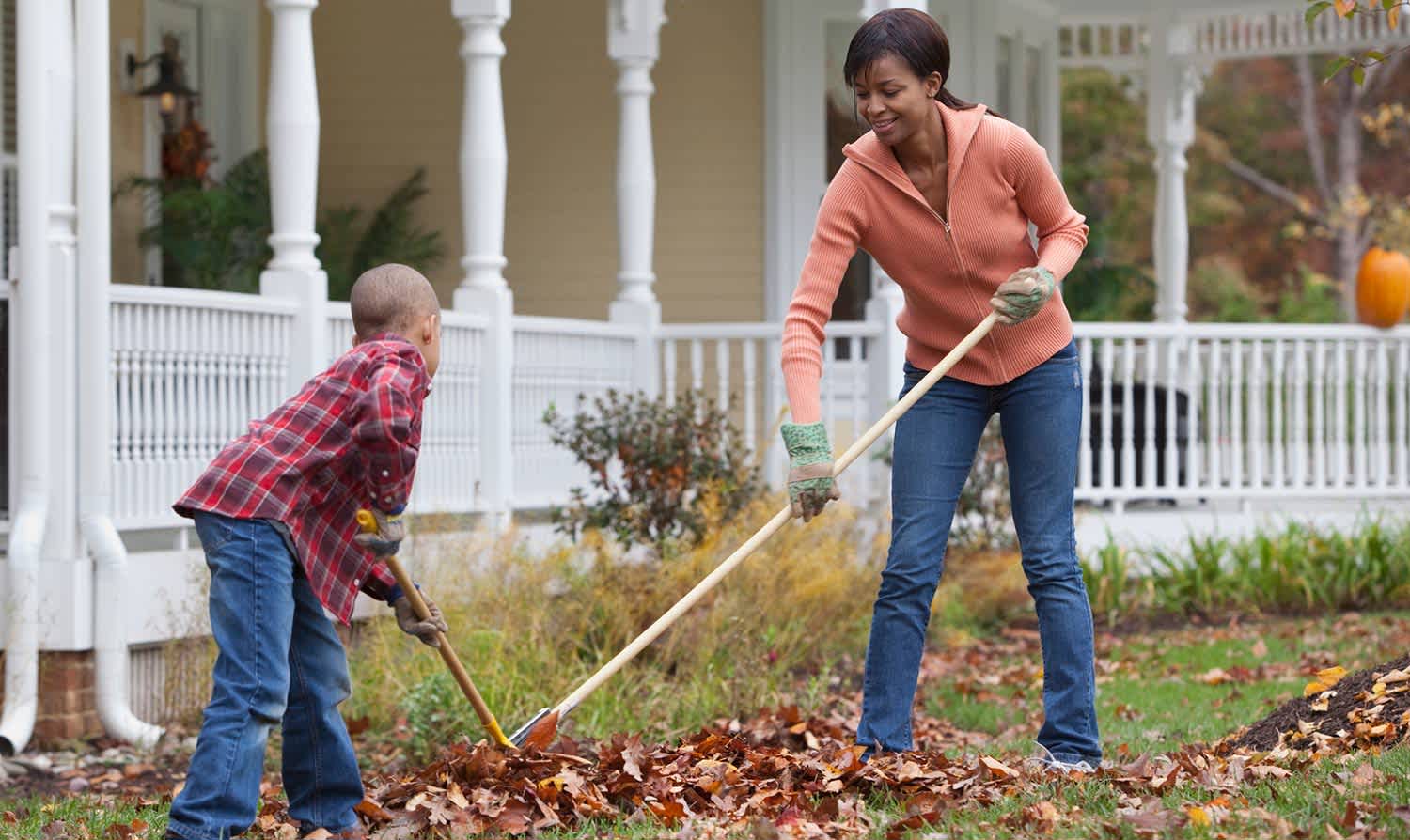
Determining how to clean up fallen leaves can be a real chore. Consider time, tools, and environment when choosing between raking or mulching leaves.
Learn about the most popular kinds of rakes for gardening and home care to find the perfect tool for your outdoor projects.