

Fire damage restoration costs vary widely based on the extent of the damage. Learn how to assess your home and estimate your total after a fire.
Water and smoke damage repair costs depend on your project and location. Check with a local pro for your specific job.

Your private fire hydrant installation runs $3,000 to $9,100, depending on hydrant type, permits, and excavation needs.
Your climate determines hydrant style, dry barrel for freezing areas, wet barrel for warm regions.
You should budget permit fees of $150 to $500 plus water main line replacement for added plumbing work.
Hiring a local plumbing professional ensures your hydrant connects correctly to the water supply and supports safe emergency response.
In 2026, the national average cost to install a private fire hydrant is $6,500. Most homeowners pay between $3,000 and $9,100, with the spread driven by hydrant type and class, permit fees, and the extent of excavation or additional plumbing work required.
Installing a private fire hydrant involves more complexity than most property fixtures, and sourcing accurate pricing can be difficult as a result. The total cost depends on several variables, including hydrant type, labor, site conditions, and permit fees, each of which is broken down below.
Fire hydrant materials cost an average of $1,000 to $2,500, though the final price depends on the hydrant's classification and whether you purchase through a third party or directly from a supplier.
The type of fire hydrant you install is one of the most significant cost factors. Dry barrel hydrants are required in colder climates because they keep water below the frost line after use, preventing freeze damage. Wet barrel hydrants are the standard choice in warmer regions, where standing water in the hydrant poses no risk of freezing.
| Fire Hydrant Type | Average Cost in 2026 |
|---|---|
| Dry barrel hydrant | $1,500–$3,500 |
| Wet barrel hydrant | $1,300–$2,600 |
Labor for installing a private fire hydrant and connecting it to the existing water supply averages $1,000 to $2,000. Difficult site conditions or additional work needed to secure the water supply connection can push labor costs toward the higher end of that range.
Where you place the hydrant on your property can meaningfully affect your total cost. Breaking up and replacing an existing walkway or sidewalk adds $2,000 or more to the project, and additional plumbing work such as replacing your water main line will increase your total further.
A municipal permit is required before installing a private fire hydrant, and fees vary by location. Budget $50 to $500 for the permit, depending on where your property is located.
The cost of a private fire hydrant installation varies based on the hydrant's classification, its distance from your property's buildings, and the complexity of connecting it to the water supply. Fire hydrants are classified and color-coded by the National Fire Protection Association's Code NFPA 291 according to their flow rate, measured in gallons per minute, with higher-output hydrants generally carrying a higher price tag.
A class C hydrant can handle up to 500 gallons of water per minute. This is the lowest "size" or classification for fire hydrants and is generally most appropriate for small, single buildings as opposed to large apartment complexes with several units per building.
One step up from Class C hydrants, the Class B hydrant handles anywhere from 500 to 999 gallons per minute.
Class A hydrants can process 1,000 to 1,499 gallons per minute, while Class AA hydrants are the largest models and can handle over 1,500 gallons per minute. These hydrants are more appropriate for larger properties with multiple buildings or structures.

Most fire hydrants last for 50 years or more, so unless they are seriously damaged, you probably won't need to replace them anytime soon. However, it's important to have your hydrant inspected annually to confirm that it's in good working order. Routine repairs include replacing rusted or corroded parts, tightening up any hardware that may have loosened, and cleaning and lubricating attachment points. Repair costs can range between $125 and $475, depending on the type of repair.
With any luck, you'll never need to use your fire hydrant, but you will need to keep it in working order and ready to use if it's needed. Here, we'll explore some of the ongoing costs associated with a private fire hydrant.
Routine fire hydrant maintenance, which includes flushing, lubrication, leak inspection, nozzle cap checks, and flow testing, keeps your hydrant ready when it matters most. Hiring a qualified hydrant maintenance service costs an average of $100 to $500.
An annual hydrant inspection costs an average of $125 to $230 and confirms the unit is in good working condition. Some municipalities require their own inspector to perform the check, while others accept an independent inspector, so contact your local water authority to confirm what is required before scheduling.
Contact your insurance company before installation to understand how a private fire hydrant will affect your premiums. While proximity to a hydrant often lowers premiums for nearby homes, owning one on your property can increase your liability exposure and may raise your rates instead.
You cannot DIY install a fire hydrant, so leave this job to a pro. Installing a private fire hydrant requires lots of technical skill and familiarity with legal requirements. You'd also need to know exactly where and how to position the hydrant to connect it properly to its water supply.
Instead, consult your local fire department or a civil engineer—these pros are legally allowed to install a fire hydrant. They can ensure you're getting the type of hydrant you need and that it's installed in the most appropriate location.
In some cases, a local plumber may be allowed to install fire hydrants. However, this isn't the case for every municipality, so contact your local fire department before calling in someone who may not be able to do the job legally. Hiring a plumber costs anywhere from $45 to $200 per hour, though you'd most likely end up paying the higher end of that range, given the complexity of the work involved in installing a fire hydrant.

Installing and maintaining a private fire hydrant can result in substantial costs for the property owner. To minimize those costs, consider the placement of the hydrant carefully. A private hydrant must maintain a strong connection to the water supply at an adequate flow rate to respond to fire events on the property. The farther the hydrant is from the property it's supposed to protect, the more your costs add up.
Additionally, consulting with a professional fire safety technician in your area who is familiar with the locally applicable laws and regulations can help trim your costs. Your local fire safety consultant can help you ensure you're getting the type of hydrant you need and having it installed in the most efficient location, given the configuration of your property and its buildings.
Home is the most important place on earth, which is why Angi has helped more than 150 million homeowners transform their houses into homes they adore. To help homeowners with their next project, Angi provides readers with the most accurate cost data and upholds strict editorial standards. We extensively research project costs to develop the pricing data you see, so you can make the best decisions for you and your home. We rely on reputable sources, including the U.S. Bureau of Labor Statistics, academic journals, market studies, and interviews with industry experts—all to ensure our prices reflect real-world projects.
Want to help us improve our cost data? Send us a recent project quote to [email protected]. Quotes and personal information will not be shared publicly.
If you’re good people wanting to do business with good people, hire Matt. He is a consummate professional and utterly competent. He installed a water heater in my home at a price that beat competitors by hundreds of dollars with a promise to support the unit for its life (even after its 6 yr...
 Greene's Plumbing Services
Corey Carr was great. I had damage from a recent storm and needed to have my mast and other components replaced. The project entailed coordinating with AEP, and Corey helped make a stressful situation a lot less stressful. I really appreciated his dedication to service and the job very well done.
 Mr. Electric of Columbus
This service was great. My air conditioner went out during the heat spell that we had. My husband has health issues and they came out that night and at 9:30pm the air conditioner was fixed and running. We are sooo very thankful, this is the company I will be using from now on and would...
 Mr. Mechanical Ohio
Positive experience. As previously stated, the replacement/repair could not be completed (no fault of the plumbing tech) b/c misinformation was rec?d by property management maintenance. Thanks to the plumbing tech for your efforts. Appreciate you!
 The Waterworks
Carpet repair done well. Scheduling was easy. Showed up on time.
 BR Flooring Installation
As usual with ECO, tech Jordan was outstanding, very professional, very knowledgeable, and very thorough with repairs made to tankless water heaters. Very highly recommend ECO!!!
 Eco Plumbers, Electricians, and HVAC Technicians
I would recommend this company to anyone! He showed up on time, was friendly, completed a very difficult repair on our dryer vent cover, was responsive, and pricing was extremely fair and competitive. I would have him back to do any of our repairs or cleanings without hesitation!
 U.S.A. Dryer Vent, LLC
Everything from initial contact to completion was absolutely top notch. We contacted the business during off hours to leave a message, and the owner still reached out to feel out the issue within minutes. We were scheduled and repaired within 48 hours. I cannot say enough about the...
 Supreme brick & chimney
Ace Fireplace Services came to the rescue for my chimney repair. They were quick to pinpoint the issue and worked their magic to fix it. My chimney is now in excellent shape, and I'm a satisfied customer.
 Ace Fireplace Services
When we had the winter freeze, I called Quantum Waterworks Waterline & Drain Cleaning Services and within 1 hour I received an e-mail and he sent someone out the next day and he was on time, he was nice and did the job quickly and cleaned up after himself. We had a leak in our kitchen from...
 Quantum Waterworks Waterline & Drain Cleaning Services, LLC
From average costs to expert advice, get all the answers you need to get your job done.
Fire damage restoration costs vary widely based on the extent of the damage. Learn how to assess your home and estimate your total after a fire.
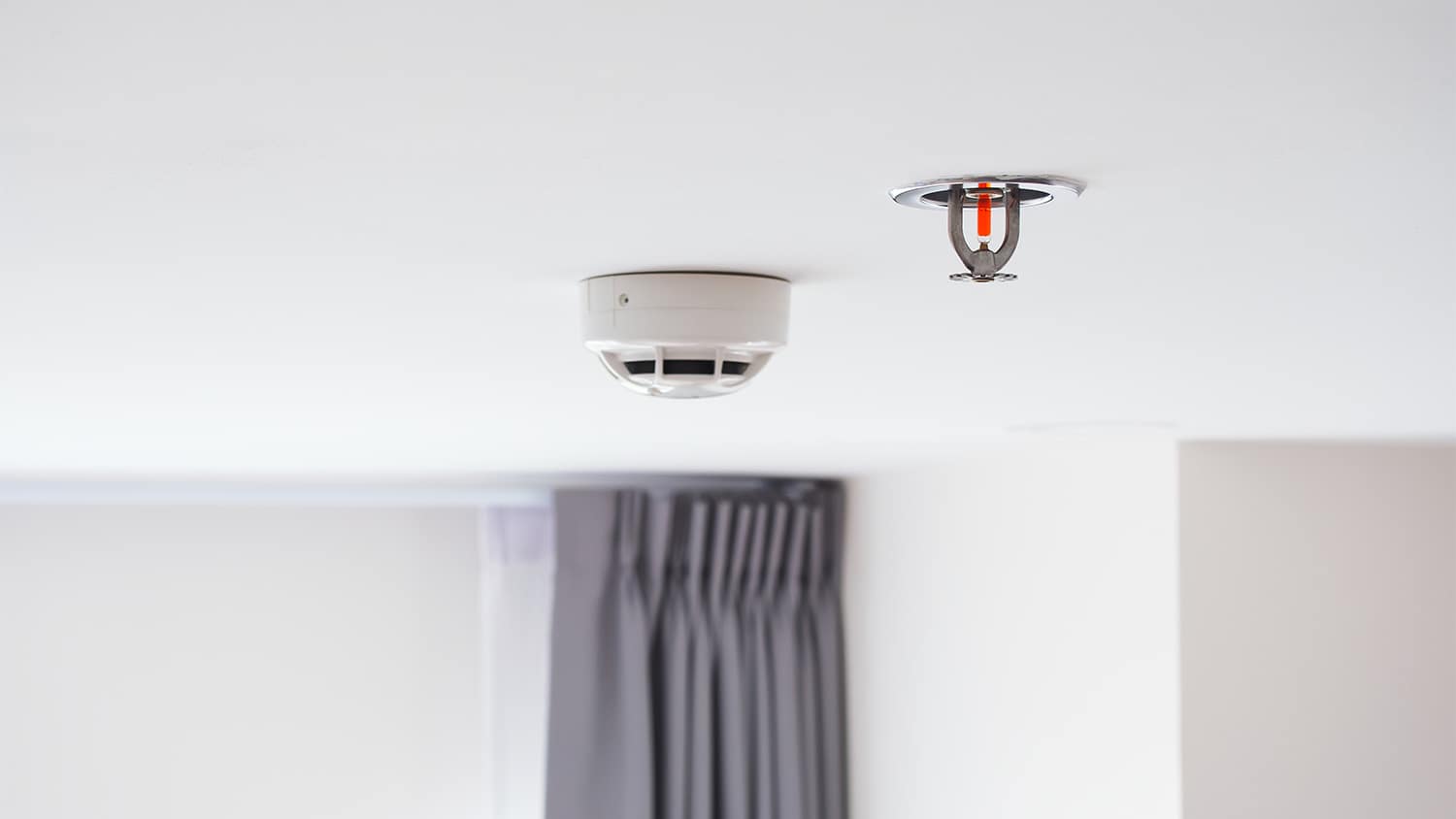
Discover home fire sprinkler system costs, including installation, maintenance, and key cost factors. Learn how to budget and save on your home fire protection.

A fire pit installation costs $850 on average but can vary by size, fuel type, materials, and more. See how much you need to budget for a new fire pit.

Not sure what to do after a house fire? Our guide will walk you through immediate and long-term recovery steps.
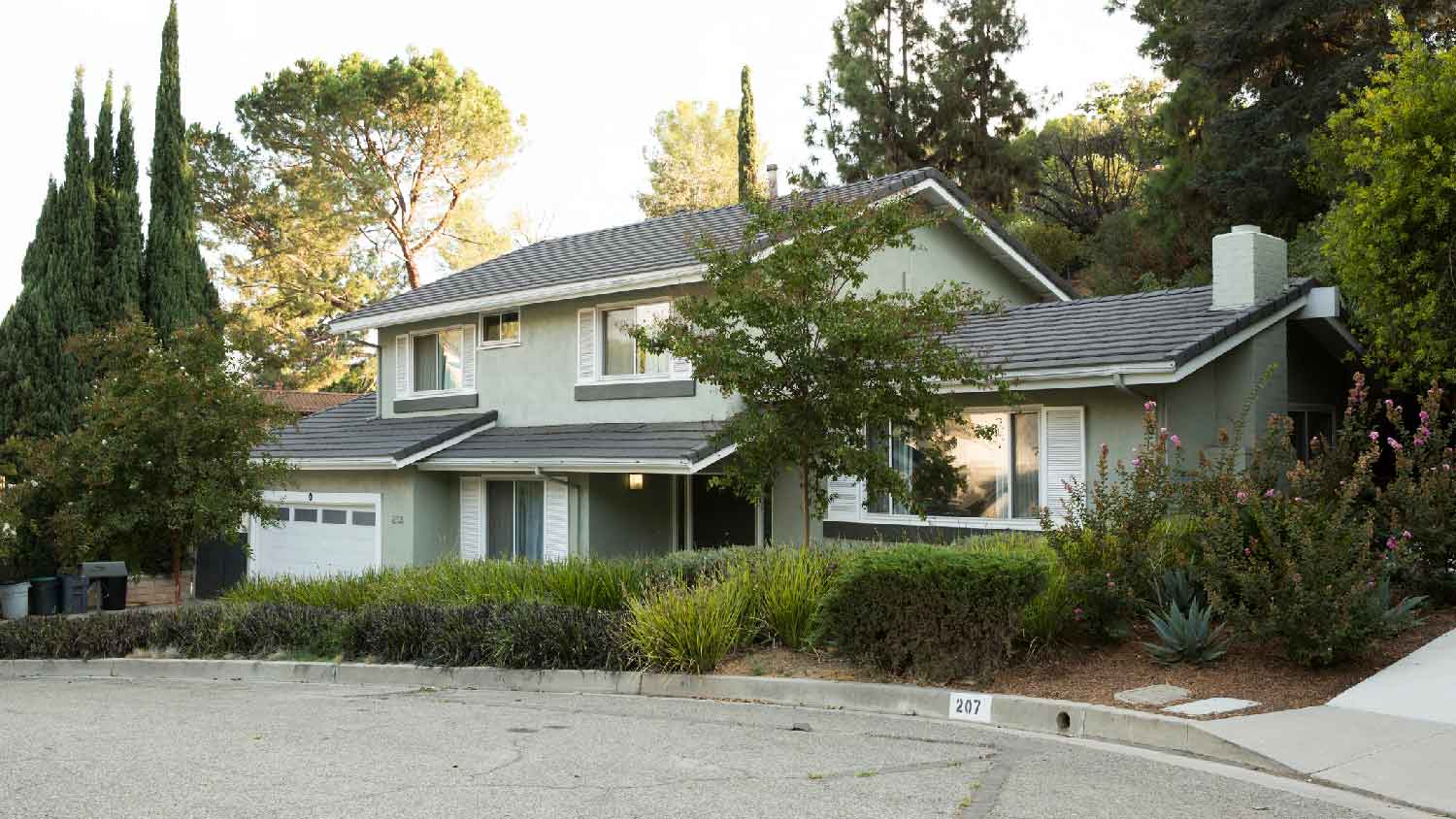
Restoring your home after a fire can be difficult. Hiring the right fire damage restoration company can return your home to its pre-fire state quickly.

The fire damage restoration process includes damage assessment, cleanup, and restoration. Learn more about each step of the process in this guide.