
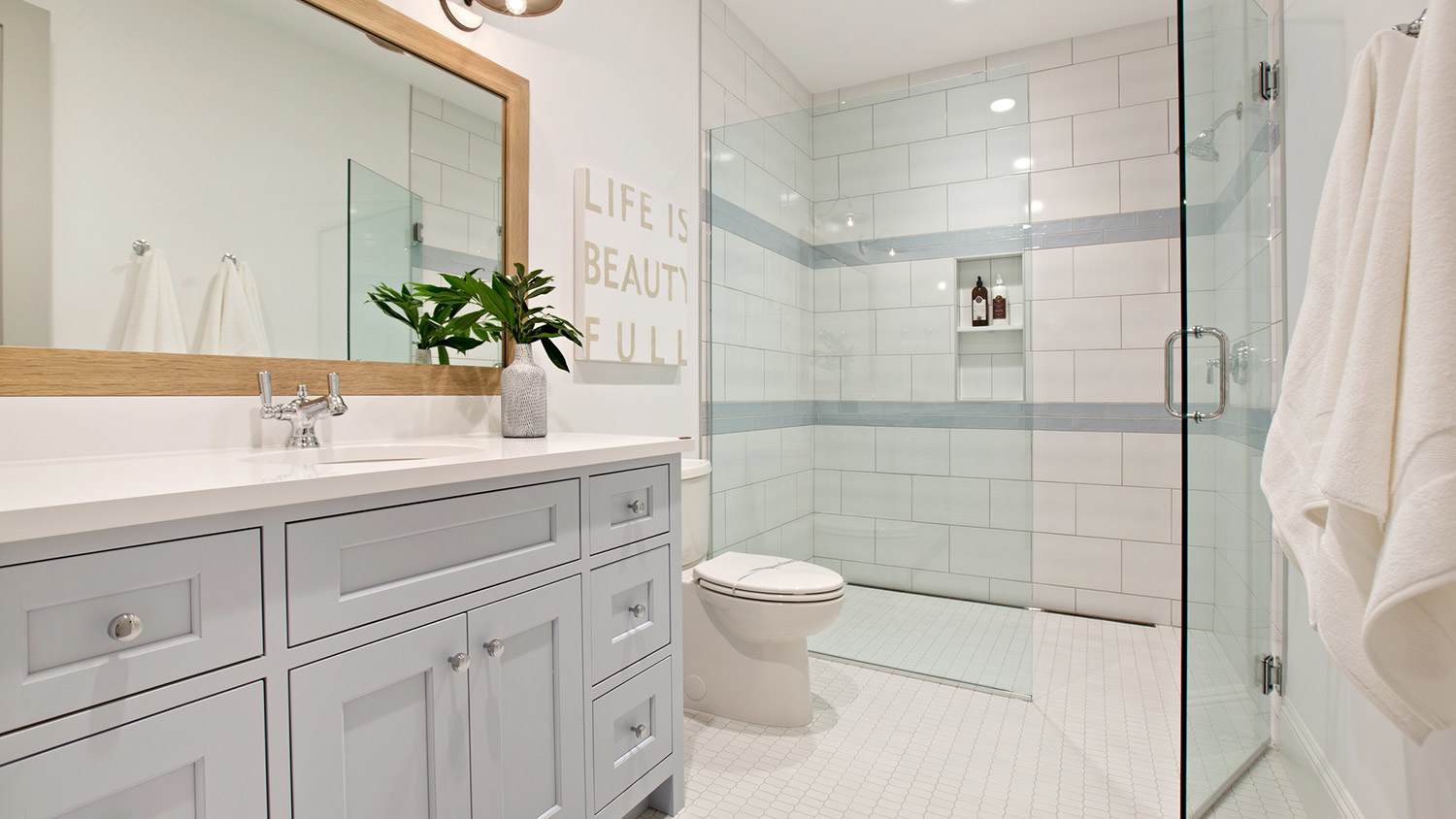
Shower installation costs in Denver, CO depend on size, style, and materials. No matter the budget, this guide can help you plan your project and even save a few bucks.
Kitchen and bathroom remodel costs depend on your project and location. Check with a local pro for your specific job.

You’ll pay $300 per square foot for a prefab shower and $600 per square foot for a custom one.
The size of the shower and the materials you choose for it will determine the overall cost.
Homeowners will pay more for high-end tile work and special features like benches or niches.
Hiring a shower conversion pro in Denver, CO, ensures your bathroom remodel is beautiful and up to code.
Installing a walk-in shower in Denver, CO, costs an average of $9,522, with homeowners often paying between $6,348 and $12,696. Denver, CO, regularly makes lists of top cities for retirement, and people seeking to age in place in the Mile High City can benefit from the modern, accessible upgrade of a walk-in shower. If you’re thinking of a bathroom renovation, here’s what you need to know.
In Denver, CO, the cost to install a walk-in shower depends on the shower's size, the materials used, and whether it’s prefab or a custom build.
Like most projects, the larger your shower, the more it will cost. If you don’t choose a prefabricated shower, you’ll have to decide on dimensions. A snug shower is 32-by-32 inches, and the most common walk-in shower size is 36-by-36 inches (the minimum accessible walk-in shower size that complies with the Americans with Disabilities Act).
However, if you have the budget and available space, talk with your pro about designing a bigger, luxury walk-in shower. Homeowners can expect to pay an average of $300 per square foot for a prefab shower and $600 per square foot for a custom one. Here’s what you might pay to install a walk-in shower of different sizes.
| Walk-In Shower Dimensions | Average Cost Range |
|---|---|
| 32-by-32 inches | $2,100–$4,300 |
| 36-by-36 inches | $2,700–$5,400 |
| 48-by-36 inches | $3,600–$7,200 |
| 60-by-30 inches | $3,750–$7,500 |
| 60-by-42 inches | $5,250–$10,500 |
Shower conversions can be complex and may require a contractor to remove a wall back to the studs to ensure the entire area is waterproof. This could reveal hidden, costly plumbing challenges, so make sure you have extra space in the budget if you're planning a shower conversion.

Higher-end materials will increase your walk-in shower installation cost. If you’re going with a custom shower, you have a larger range of options, but something like cultured marble will cost more than tile.
Here’s how your walk-in shower material will affect its price.
| Walk-In Shower Material | Average Cost Range |
|---|---|
| Acrylic insert | $530–$2,120 |
| Fiberglass insert | $423–$2,120 |
| Tile | $2–$18 per square foot |
| Marble | $10–$37 per square foot |
| Cultured granite, Corian, and other stones | $42–$69 per square foot |

Walk-in shower costs are largely dictated by the type of shower you choose. You’ll almost always spend less on a prefabricated kit than on a custom walk-in shower, which will often be larger and more complex in design. Which type works best for your home depends on your needs and budget.
| Walk-In Shower Type | Average Cost Range | Description |
|---|---|---|
| Prefabricated | $740–3,170 | Lightweight and simple to install, budget-friendly installation, costly to repair |
| Custom | $4,440–$8,990 | Limitless options for size and layout, complex installation, expensive to install |
You’ll likely get a total project quote for your walk-in shower installation. If you’re doing a particularly large bathroom remodel that needs different pros to help out, here’s what they charge per hour:
Plumbers: $80–$120
Electricians: $80–$105
Interior designers: $90–$175
Painters: $20–$45
Handypeople: $80–$130
Be sure to ask if demolition and prep work are included in the project estimate. If not, it may cost hundreds of dollars extra. Ask your contractor to explain the pricing so that there are no surprises about the scope of the work.
You’ll need at least a plumbing permit in Denver, CO, for a walk-in shower installation, but you’ll likely need other permits, as well, if you plan to do extensive remodeling to your bathroom.
An experienced contractor will know the ins and outs of the permit process, but owners of single-family homes can apply for permits, too. You can learn more about the application process and fees on the building permits page of the City of Denver website.
When you hire a shower installation pro in Denver, CO, confirm that they are licensed and insured to avoid any costly liability for on-site injuries or accidents. You can review licensing for Colorado contractors, including plumbers and electricians, through the Colorado Department of Regulatory Agencies (DORA).
In Denver, CO, goods and services—in this case, materials and labor—carry a 9.15% sales tax, so budget accordingly.
Installing a walk-in shower offers your bathroom a modern look and easy accessibility, and it's a move-in upgrade that could be a hit with Denver, CO, homebuyers. According to the Journal of Light Construction’s Cost vs. Value Report, homeowners in the Mountain region can recoup 61% of what they spend on a universal design bath remodel.
To help homeowners plan their next project, Angi provides readers with carefully researched cost data and upholds strict editorial standards. We start with national average project costs, which we collect by analyzing competitor information, retailer material costs, and input from professional contractors. We then apply local price index data to calculate location-specific estimates that reflect what homeowners typically pay in their local area. To do that, we use data from the U.S. Bureau of Economic Analysis (BEA), including its Regional Price Parities (RPPs), which measure price differences across cities. This helps us account for differences in labor, materials, and overall cost of living, so estimates in higher- or lower-cost areas better reflect real-world local pricing.
Every estimate undergoes a thorough editorial review to verify accuracy, consistency, and alignment with observed market conditions.
Want to help us improve our cost data? Send us a recent project quote to [email protected]. Quotes and personal information will not be shared publicly.
We couldn’t be happier with our experience with Remodel Works. They recently remodeled my mother’s bathroom, and from start to finish the process was truly excellent. John DeLuca, our Designer was fantastic from day one—knowledgeable, honest, and completely upfront about costs, which we...
 Remodel Works Bath & Kitchen
I hired Eddie to do a full remodel in my bathroom & it was the best decision. The tile and fresh paint made the bathroom look unrecognizable.
 Eddies Services, LLC
I had Construction Transport LLC do a complete remodel of my bathroom. They were fast, very high quality work, and good pricing.
 CONSTRUCTION TRANSPORT RESTORATION LLC
Remodeling our kitchen. Had to test walls and ceiling. Quick and great customer service.
 Mountain West Environmental, LLC
They do great work, hired them for the kitchen remodel. They did such a great job and their pricing was competitive. Ended up remodeling my bathroom and they did the work with that also. I'm so pleased with the outcome
 NDS Construction LLC
I had them remodel my basement and after seeing the quality of work I had him remodel two and a half bathrooms in the house. They look great and my friends and neighbors asked for his number. I very highly recommend this company for any work that needs to be done. You will not be disappointed
Hired to remodel- bathroom/ shower. Picked out great tile & flooring. Bathroom ended up looking great. Additionally remodeled kitchen - picked out great tall cabinets & counter top / back splash. Bathroom & kitchen ended up looking great. There was a wind storm during the end of...
 LW Construction, LLC
ACN Construction delivered an outstanding kitchen and bathroom remodeling experience. Their professionalism, attention to detail, and craftsmanship exceeded my expectations. From start to finish, the team showcased excellence in communication and commitment to quality work. My renovated...
 ACN Construction Inc.
We have had Tom do two projects for us. A partial kitchen remodel and a year later a bathroom. Tom has a great eye for design and made some great suggestions for lighting and color schemes. He updated an outdated “80’s” kitchen for us with new backsplash, lighting and sink/ faucet. He...
When I wanted to increase the space of our old and small bathroom after the birth of our second baby, we decided to hire a kitchen and bath remodeling company who can work sincerely along with the right amount of professionalism. At that time, I found out the name of this reputable...
 Schwalb Builders
From average costs to expert advice, get all the answers you need to get your job done.
Shower installation costs in Denver, CO depend on size, style, and materials. No matter the budget, this guide can help you plan your project and even save a few bucks.
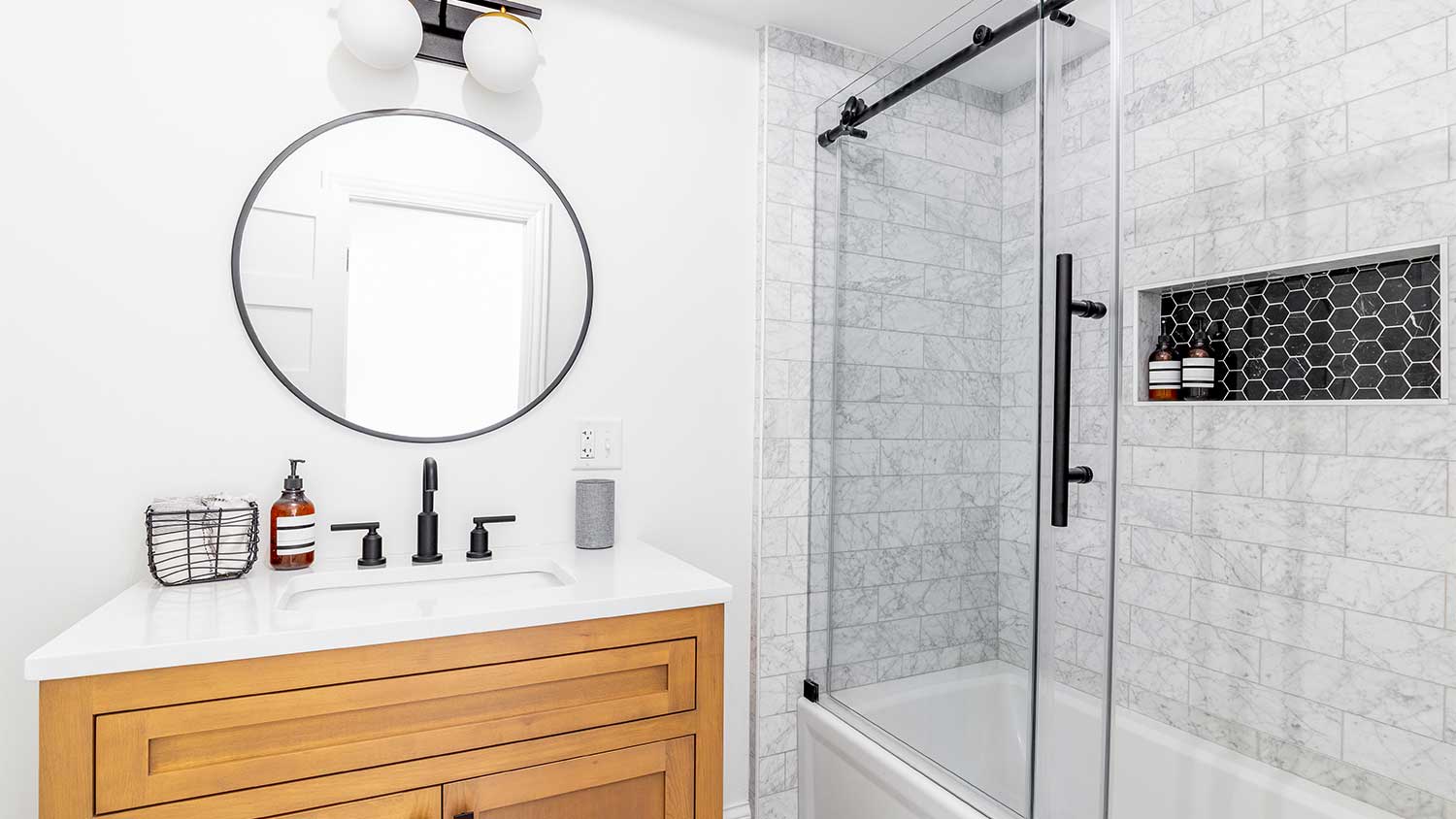
Tiling a shower is an investment in the look and function of your home. This guide explains the factors behind the cost to tile a shower in Denver, CO.
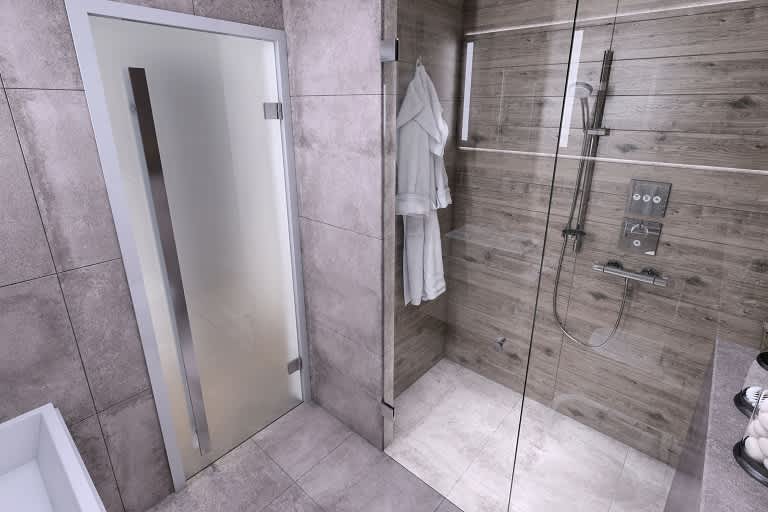
Various factors affect the total tub-to-shower conversion cost in Denver, CO, including the size of the area, type of shower, materials, and labor fees.
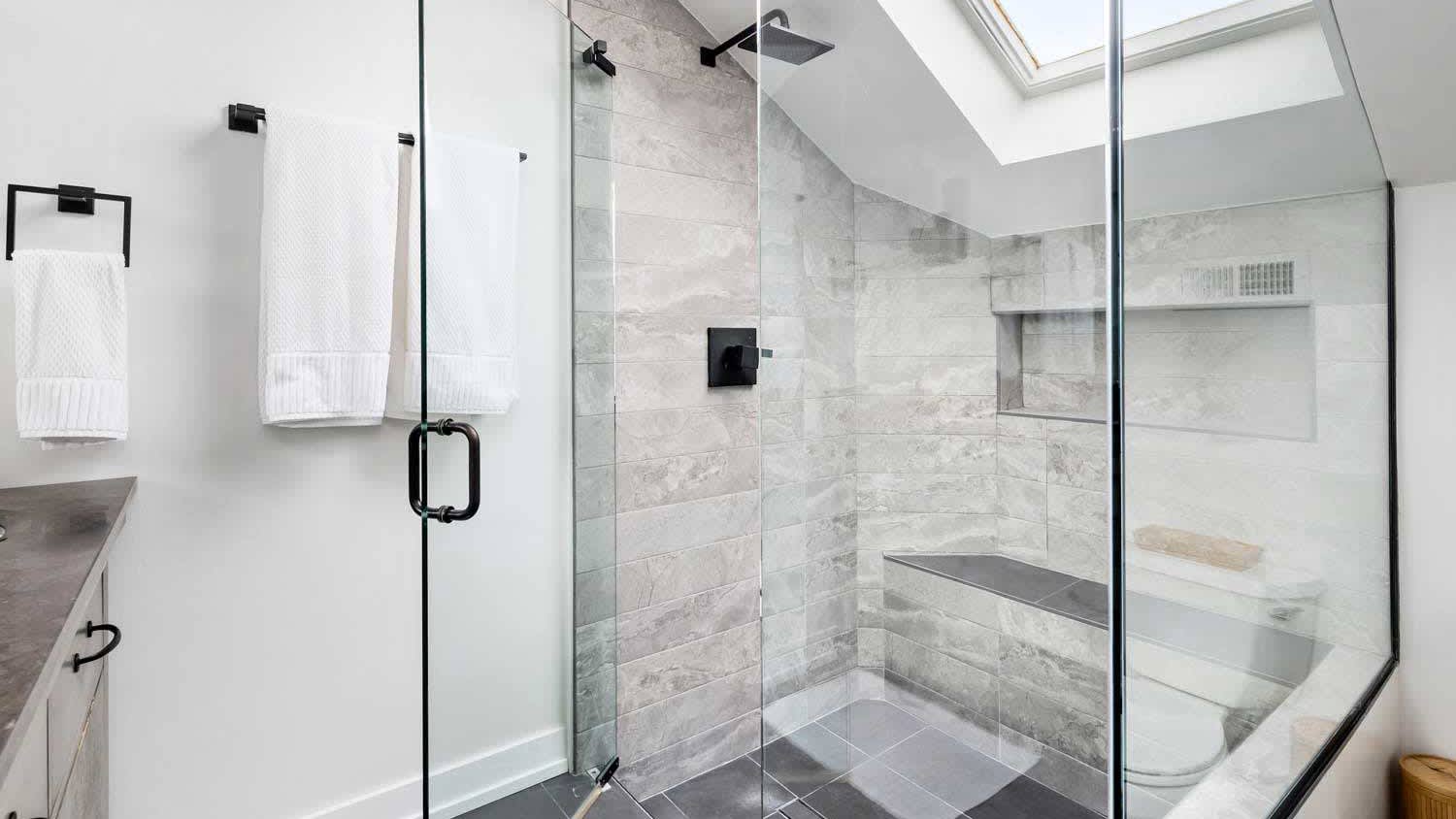
Walk-in showers offer plenty of benefits when compared to standard bathtubs, but are they right for you? Discover the pros and cons of walk-in showers.
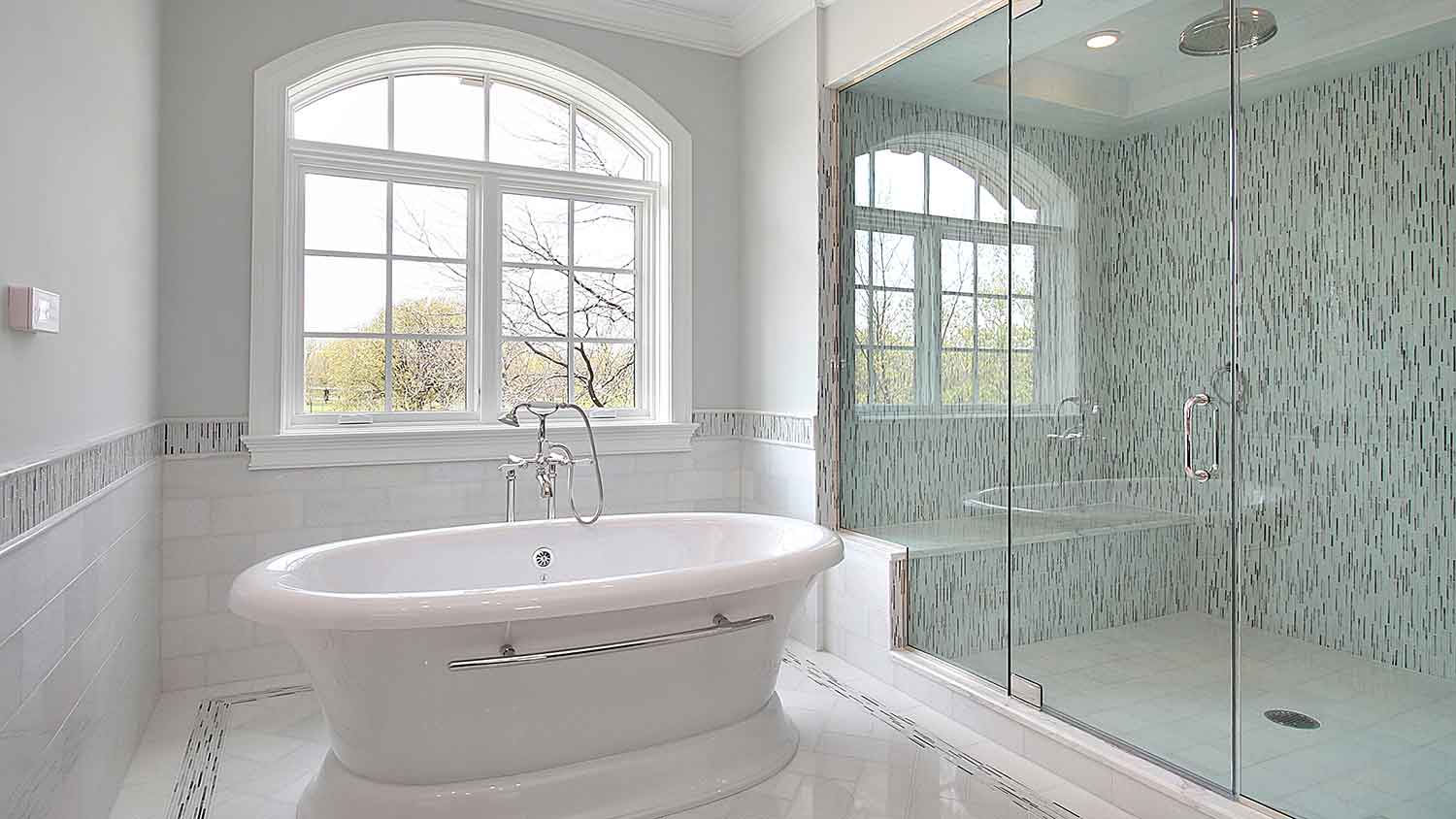
Not sure which bathroom fixture is right for your home? To create your dream bathing experience, learn the differences between a walk-in shower versus a tub.
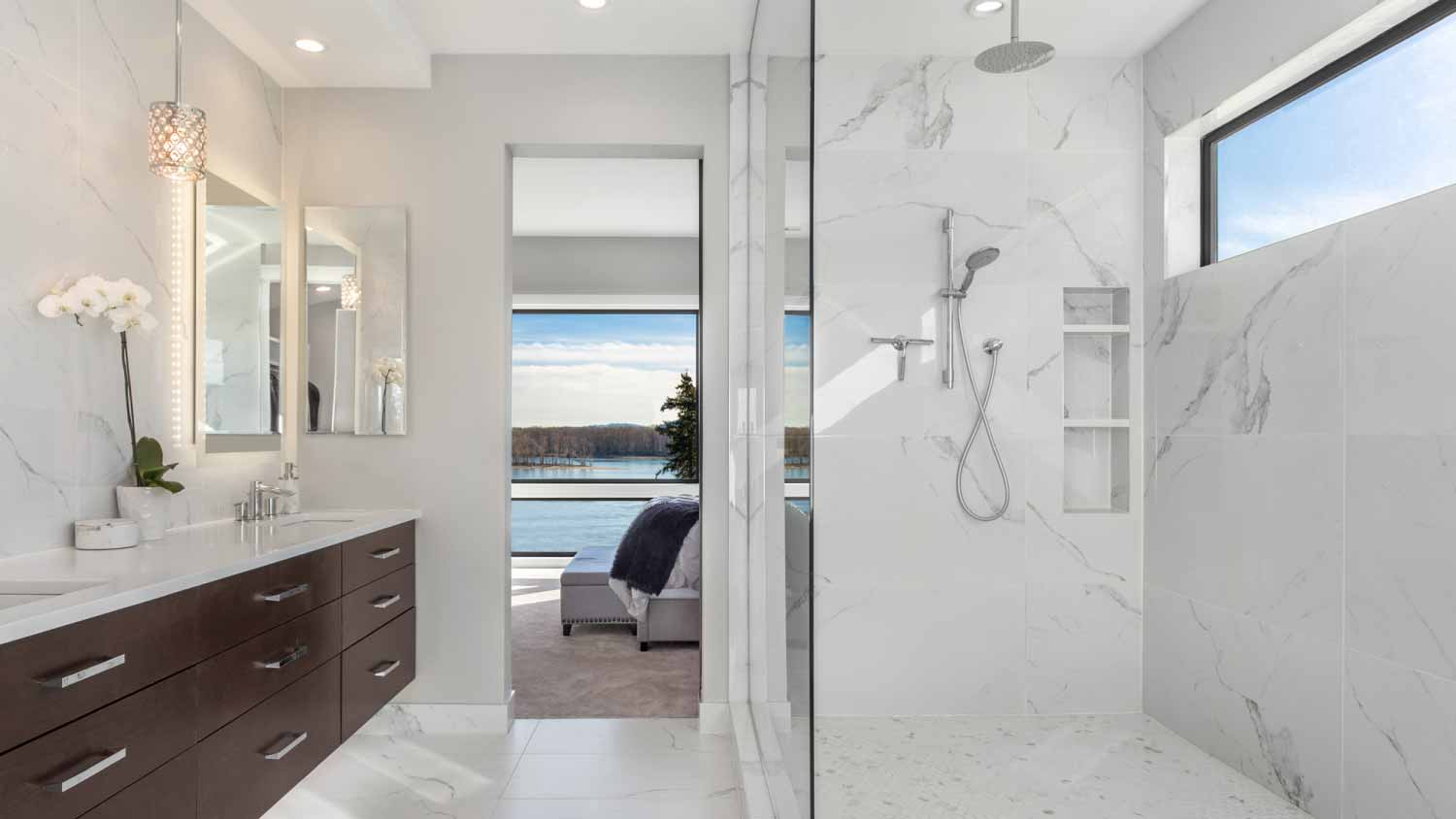
Dive into the ultimate bathroom transformation and discover how to build a walk-in shower that is stylish, spa-like, and functional.