


•
Discover the average ant exterminator cost, factors impacting pricing, and how to save. Get expert tips to budget for ant removal and protect your home.
Pest control costs depend on your project and location. Check with a local pro for your specific job.

Rat extermination services range from $189 to $656, with fumigation for severe infestations costing up to $1,500 for your home.
The location of your infestation and the size of your home determine your total extermination costs and the labor required.
You should account for inspection fees of $100 to $200 and follow-up visits of $50 to $150 when creating your budget.
Hiring a local mice exterminating professional keeps your household safe by identifying hidden nests and access points that DIY methods miss.
In 2026, the national average cost of rat extermination is $396, based on data from 9,458 verified projects reported by Angi Pros. Most homeowners pay between $189 and $656, with the cost driven by infestation size and type, how accessible the rodent hideouts are, and your location. Keep in mind that most pest control companies will deduct the cost of an inspection—typically $100 to $200—from your total bill.
Local rat exterminators typically offer several levels of service, and your price increases as you select more thorough options. The most common factors that affect your total include infestation location, home size, and the extermination method used. More comprehensive plans that prevent rats from returning and cover repairs to your home will cost the most.
The location of the rats in your home is one of the most significant factors affecting extermination costs and overall labor. Rats in sheds or garages are the least expensive to remove because they are easy to find and trap, while attic, basement, and wall infestations require more labor and specialized equipment. If rats have caused internal damage to insulation or ductwork, exclusion costs can rise quickly.
The following table breaks down cost considerations by infestation location:
| Infestation Location | Cost Considerations |
|---|---|
| Shed or garage | Rats living in a shed or garage are the least expensive to remove because they’re easy to find, trap, and release. |
| Attic and basement | If rats cause damage to your attic or basement, you’ll need to budget for the cost of repairs, such as replacing flooring or drywall. |
| Walls | Wall infestations can require extra labor and additional fees for using thermal imaging equipment. |
| Ductwork | Ductwork exterminations require extra work and specialized tools, adding to the cost, especially if parts of the ductwork need to be removed. |
| Crawlspaces | Crawlspaces may lead to slightly higher costs since they require more labor to access than basements. |
The larger the rat problem, the longer inspections, exclusions, and general extermination steps will take, which directly adds to your cost. Larger infestations require more traps and bait stations, and may also call for more serious eradication methods such as fumigation. Since rats can produce up to six litters each year, catching an infestation early is the most effective way to keep costs manageable.
If you choose fumigation, you will pay by square footage, usually between $1 and $3 per square foot. The more rooms and spaces a professional has to inspect, the more your rat extermination will cost. Exclusion services for larger homes require more work to seal and block rodent-friendly entrances, while infestations limited to sheds, barns, or other separate buildings are significantly less expensive.
The table below shows estimated whole-house costs by square footage:
| Home Size (Square Footage) | Average Cost for Whole-House Options in 2026 |
|---|---|
| 1,000 | $1,000–$3,000 |
| 2,000 | $2,000–$6,000 |
| 3,000 | $3,000–$9,000 |
| 4,000 | $4,000–$12,000 |
Once you have confirmed signs of a rodent infestation, rat exterminators can approach the problem in several ways. The most common methods include live removal, exclusion, and fumigation, each suited to a different infestation size and severity. Understanding what each method involves helps you choose the right level of service for your situation and budget.
The following table shows the average costs of different services:
| Service Type | Cost Range in 2026 |
|---|---|
| Live rat removal | $50 per rat |
| Exclusion | $200–$600 |
| Fumigation | $1–$3 per square foot |
If you decide to use live traps, most exterminators will charge around $50 to transport each rat caught from your property. Exterminators charge for removal because they incur fuel and labor costs while traveling at least a mile from your home to send the rat to its new happily ever after.
The cost of exclusion is usually included in a rat removal service and ranges from $200 to $600. Many exterminators will seal off all entry points where rats can enter your home. The most common exclusion strategy is sealing holes. However, exclusion can also include screening crawl spaces, screening roof vents, repairing holes, and pruning back trees that serve as "stairs" into your home.
If your rat exterminator suggests fumigation, which is typically a last resort method for a severe and dangerous rat infestation, the typical cost is $1 to $3 per square foot. Similar to termite fumigation, your household members will likely need to leave the house for one to two days while the chemical fumigation does its job.
Most rat exterminators will arrange follow-up visits, which typically cost around $50 to $150 and may be bundled into your initial estimate. During these visits, pros check for signs of new activity such as fresh nests, and examine the results of any bait or traps that were set. If additional steps are needed, your exterminator will recommend them at that time.
Most rat extermination bills are covered by the core service costs, but you may encounter additional fees depending on the choices you make or the services you add. Common add-ons include inspection fees, cleanup, and repairs to damage left behind by the infestation. Knowing what to expect from these extras helps you build a more accurate budget before work begins.
A rat exterminator inspection typically costs $100 to $200 and is used to confirm the extent, location, and potential causes of your rat problem. Most exterminators will deduct the inspection fee from your total bill if you sign on for extermination services. Scheduling an inspection early gives you the clearest picture of what treatment your home actually needs.
Preparation costs for rat extermination are minimal and rarely affect your overall expenses. Your exterminator may ask you to clean up trash and seal away food containers before an inspection, but these tasks require little time or money. Following these steps promptly helps the exterminator work more efficiently and get accurate results.
Rat extermination costs tend to be higher in cities, usually about $50 more, because the exterminator must drive farther to relocate the rat. Urban pricing reflects the added fuel and labor costs tied to longer transport distances.
The table below shows average rodent removal costs from cities across the country:
| City | Cost Range in 2026 |
|---|---|
| Atlanta | $765 |
| San Francisco | $515 |
| Denver | $265 |
| Portland | $295 |
| Pittsburgh | $190 |
| New Orleans | $400 |
| New York | $340 |
Rats leave behind nests, gnawed materials, and large droppings even after they have been removed, making cleanup a necessary part of the process. This work typically requires protective equipment to avoid exposure to bacteria or viruses, plus a thorough decontamination sweep. Budget for cleanup as a separate line item when planning your total rat extermination costs.
Plumbing repair can cost $180 to $450, and drywall repair can cost $350 to $800. HVAC repair runs $75 to $1,200, while electrical repair costs $150 to $500. Rats can chew through wiring, destroy plumbing, and damage the structure of your home, adding significantly to the total cost of an infestation. While rare, roof or water damage caused by rodent-related leaks can cost tens of thousands of dollars.
Reference the table below for the average prices of these repairs:
| Repair Type | Cost Range in 2026 |
|---|---|
| Plumbing | $180–$450 |
| Drywall | $350–$800 |
| HVAC | $75–$1,200 |
| Electrical | $150–$500 |
Rodents cause plenty of problems when they invade your home. Rodent waste and nests account for about 50% of rat issues. Noise, damage, and health concerns are also common problems that homeowners face when rodents infest the house.
Because rats can cause damage to your home, create health hazards, and generally make life there unpleasant, hiring a local pest exterminator, rather than taking on the tasks yourself, is your best option. While you can save money in the short term by doing it yourself, professionals have the tools and experience to help ensure that the rats are gone and won't return, ultimately saving more money down the road.
Rats are excellent at not getting caught by DIY methods, so here's why hiring an exterminator makes the most sense:
Licensed exterminators can identify access points and nesting areas hidden in walls, attics, or ductwork.
Pros use safe, regulated products and equipment that homeowners can't access.
They can identify and repair or report on damage issues like chewed wires or damaged insulation that a homeowner may not be able to see.
Experts follow safety guidelines to protect your family from exposure to the chemicals or substances that are often necessary.
Reputable exterminators provide service guarantees or maintenance plans for long-term protection.
When you hire a professional exterminator, you can still be involved by:
Following your exterminator's guidelines regarding food storage and rodent access points
Maintaining cleanliness under appliances, in closets and pantries, and behind furniture
Removing debris and clutter from areas your exterminator will need to access
Keeping garbage cans tightly sealed and moving exterior trash cans away from the house or entry points.
Maintaining bushes, trees, and tall weeds near the home to minimize rat access
Monitoring the house for signs of present and future rodent activity.
If you need a professional rat exterminator but want to save as much money as you can, don't skimp on service quality. Instead, keep these steps in mind:
Contact a professional early
Look for discounts
Seal your home
Be ready to talk frankly with your exterminator about the extent of the damage rats are causing or the evidence they are leaving.
Discuss available treatment options with your exterminator, including live traps, exclusion, fumigation, or others, and how they can fit your needs and budget.
Talk to your exterminator about how to address any damage left behind by the infestation and the best practices for repairing it.
Discuss the terms of your contract, including specifics about timing, follow-up visits, and expectations.
Review and implement prevention steps and maintenance recommendations to keep your home rodent-free long term.
Home is the most important place on earth, which is why Angi has helped more than 150 million homeowners transform their houses into homes they adore. To help homeowners with their next project, Angi provides readers with the most accurate cost data and upholds strict editorial standards. We’ve surveyed thousands of real Angi customers about their project costs to develop the pricing data you see, so you can make the best decisions for you and your home. We pair this data with research from reputable sources, including the U.S. Bureau of Labor Statistics, academic journals, market studies, and interviews with industry experts—all to ensure our prices reflect real-world projects.
Want to help us improve our cost data? Send us a recent project quote to [email protected]. Quotes and personal information will not be shared publicly.
A reliable team for moves across state. My switch to a new place needed careful lifting through tight hallways. The movers checked the doorway first, then carried heavier pieces with slow, controlled movements. Their patience helped prevent damage, and I?d choose them again.
This company does it right. Firstly, I want to say that Landan was a joy to work with. He was so kind, transparent, and had everything under control. His entire team showed up ready to work and they were all very respectful of the fact that we were in an office space. A little backstory – we...
 Krumlauf Floors
I had FabClean 614 clean my apartment, and she did an outstanding job. She was so professional and efficient. My apartment looks absolutely spotless every surface, every corner, all cleaned to perfection. Definitely highly recommend FabClean 614 if you're looking for top-notch cleaning...
 Fab Clean 614
Raven and crew does absolutely fantastic job. They are very professional if any concerns were to occur with any of her work she always took responsibility and finished out with a great job. I have worked with her business for a year and have always been satisfied. Very trusted business and...
 Creations of Transformation LLC
I would recommend this company to anyone! He showed up on time, was friendly, completed a very difficult repair on our dryer vent cover, was responsive, and pricing was extremely fair and competitive. I would have him back to do any of our repairs or cleanings without hesitation!
 U.S.A. Dryer Vent, LLC
Best cleaning I've had at my property
Ace Fireplace Services' chimney sweep service is truly exceptional. They used advanced technology to ensure a thorough cleaning process, and my chimney has never looked better. I highly recommend their services.
 Ace Fireplace Services
This company went above and beyond with their work, chimney sweeps are usually pretty messy, but the clean up was spot on.!! Josh explained every thing that he was doing, and the things that he was checking to make sure the chimney was safe for me and my family. He was very professional,...
 Supreme brick & chimney
Good workers and they do a good job.
 Mira Construction
Mary Cleaning Service is fantastic! The entire team is professional and pay a great deal of attention to detail. They do such a thorough job of cleaning my house. I would definitely recommend!
From average costs to expert advice, get all the answers you need to get your job done.
Discover the average ant exterminator cost, factors impacting pricing, and how to save. Get expert tips to budget for ant removal and protect your home.
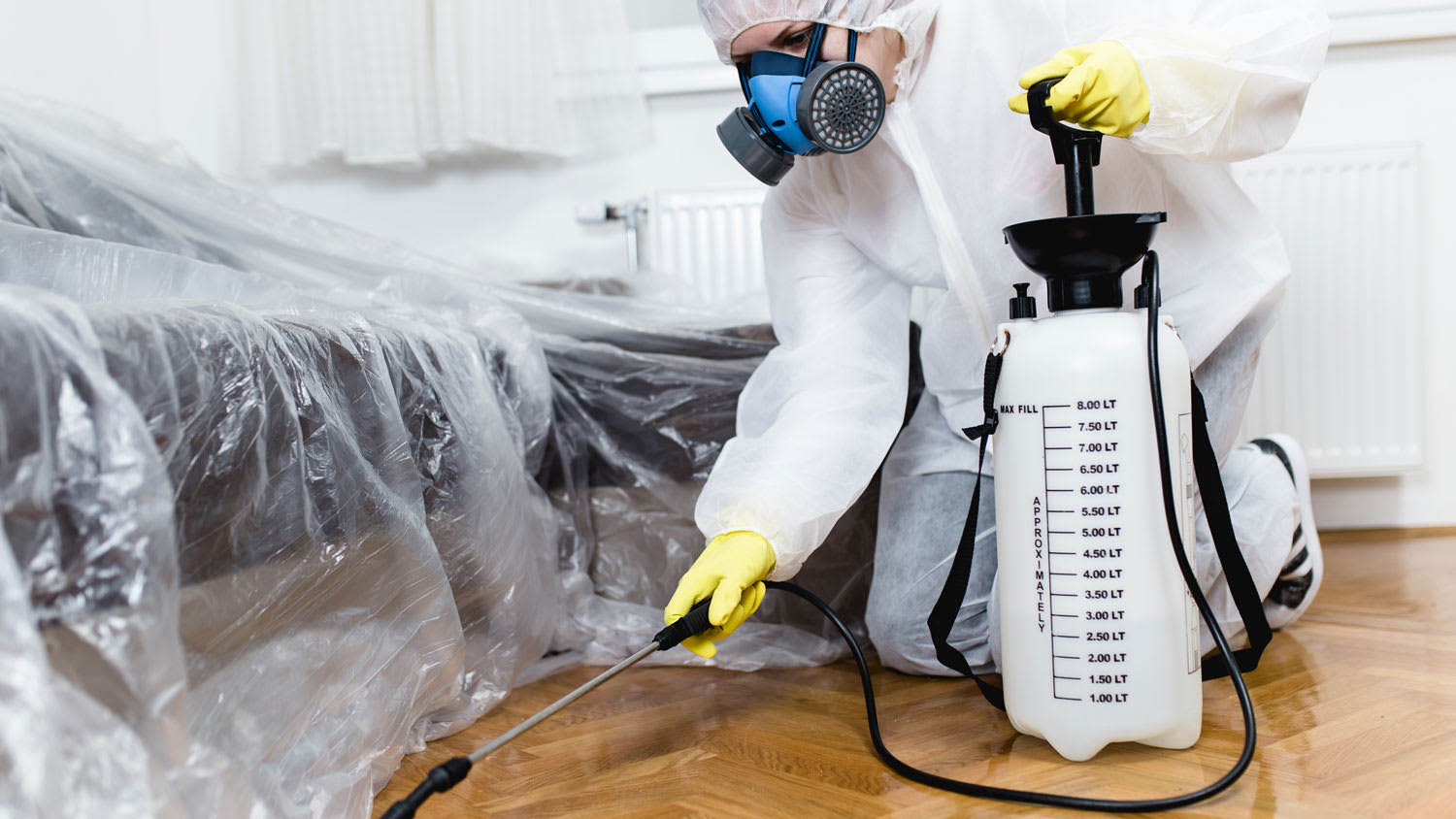
When calculating the cost of hiring a flea exterminator, consider your home size and the infestation extent. This guide will help you figure out what to budget.
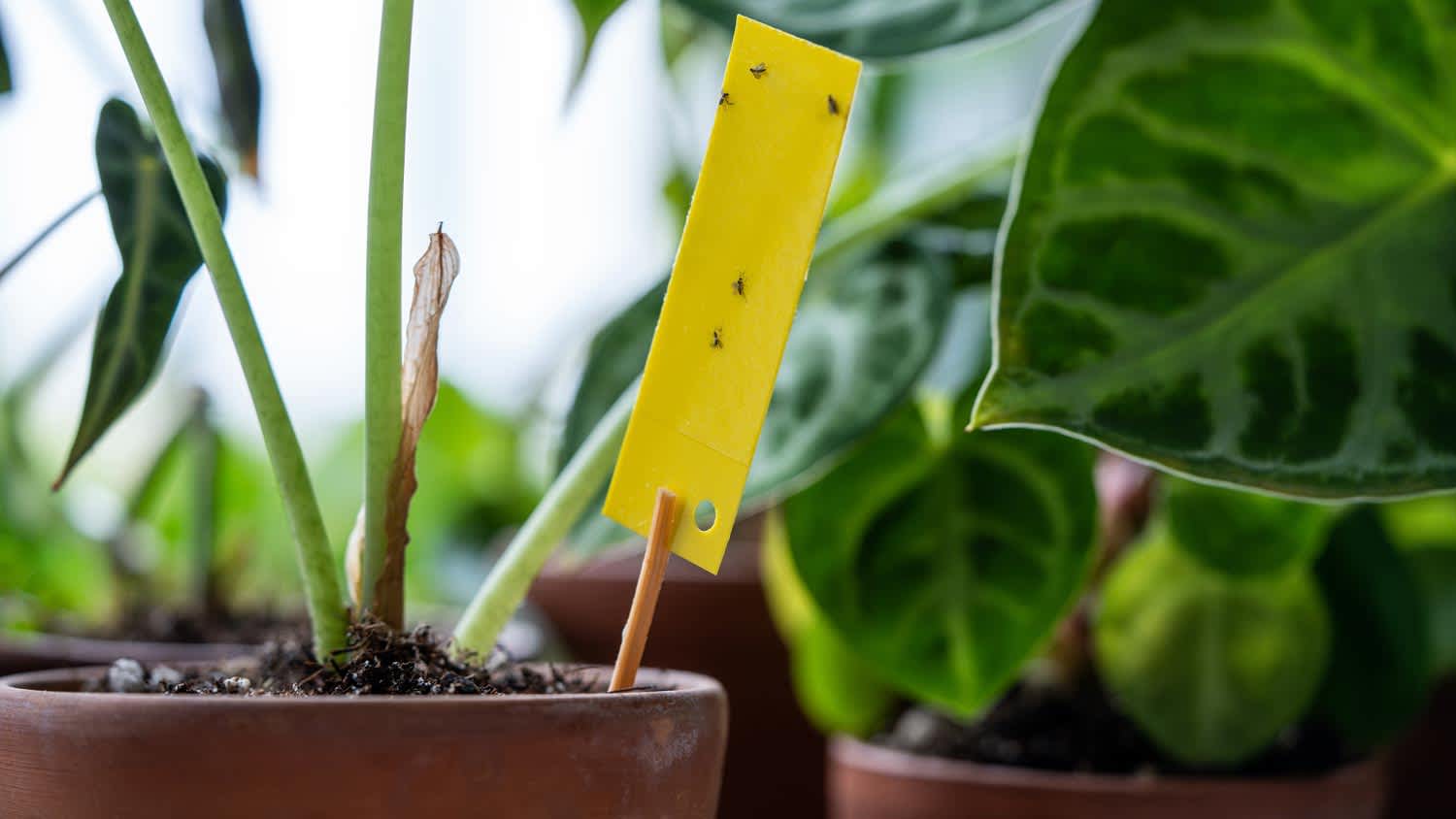
How much does a gnat exterminator cost? The answer depends on the method of treatment and the level of infestation. Find out what plays into your budget.

Hearing scratching in the walls or finding droppings? Learn about rat extermination costs, warning signs, and how to hire the right local pest control pro.
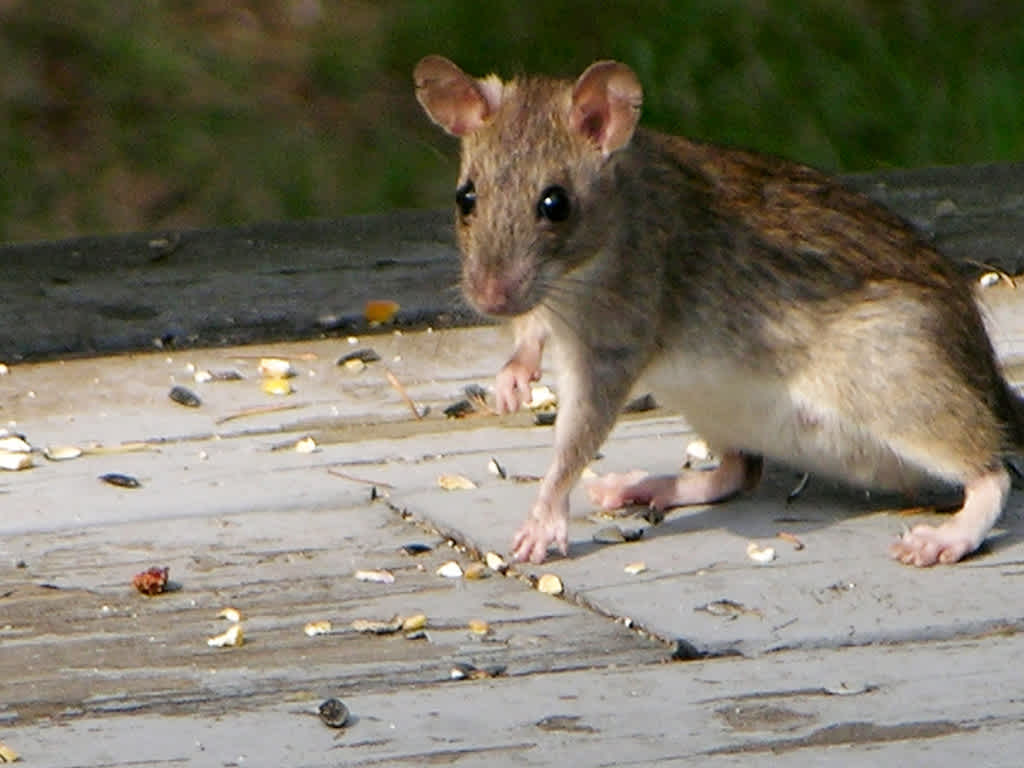
Adopting a holistic approach to getting rid of rats naturally is a safe, effective, humane, and environmentally friendly way to rid yourself of these pests.
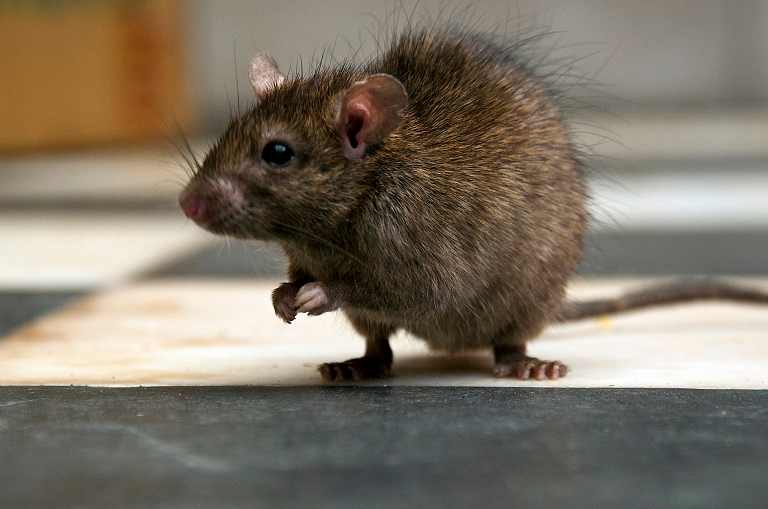
If you’re wondering if rat poison can kill humans, the answer is yes (although it’s rare). Here’s how to keep your family safe while keeping rats in check.