

•
Find out the average electric fence installation cost in Chicago, IL. Learn what you can expect to pay for local fencing contractors to secure your property.
Fencing service costs depend on your project and location. Check with a local pro for your specific job.

In Chicago, IL, building a privacy fence costs $10 to $50 per linear foot (including labor and materials).
Wood fencing is a lower-cost option, but it’s less durable than vinyl, which holds up well against harsh Midwest weather.
Labor is another major cost factor, with most pros charging around $50 per hour.
Hiring a fencing pro in Chicago, IL, is your best bet for ensuring that your fence is secure and doesn’t sag.
The average cost of a privacy fence in Chicago, IL, is $4,455, but it often ranges from $1,865 to $8,288. If you’re trying to price out this project, your total will depend on a few factors, including the fence’s length and material. Let’s walk through them so you can get an idea of how much you’ll spend on a privacy fence in the Windy City.
Here are the individual factors that influence the overall cost of privacy fence installation in Chicago, IL.
Fence installation is priced by linear foot, with an average range of $10 to $50 per linear foot fully installed. So, the larger your yard, the higher the cost. The fence material also greatly impacts the price, as does your yard’s layout.
The table below shows the average cost range for fences of various sizes, from 50 to 300 linear feet.
| Fence Size in Linear Feet | Average Cost Range |
|---|---|
| 50 | $520–$2,590 |
| 100 | $1,040–$5,180 |
| 150 | $1,550–$7,770 |
| 200 | $2,070–$10,400 |
| 250 | $2,590–$13,000 |
| 300 | $3,110–$15,500 |
A privacy fence can add beauty to your property. Wood privacy fences blend with surrounding trees, while metal fences complement a chic, modern vibe.
The table below shows the average cost of a privacy fence by material for a 150-linear-foot fence.
| Fence Material | Description | Average Cost |
|---|---|---|
| Wood | Lower-cost, less durable | $2,800 |
| Bamboo | Lightweight, little maintenance required, not as long-lasting | $2,900 |
| Vinyl | Little maintenance required, more costly than wood | $3,830 |
| Composite | Long-lasting, wood-like appearance, very costly | $4,350 |
| Corrugated metal | Low-cost, durable | $2,590 |
Note that the cost of a board-on-board privacy fence will be higher because they require more materials and more complex installation.
If you need to remove an old fence or get rid of some pesky stumps that are in the way of your dream fence installation, you’ll end up paying a bit more. Many people also decide to add plants like hedges around their new privacy fence to complement the fence’s aesthetics and increase privacy even more.
| Work | Average Cost |
|---|---|
| Old fence removal | $3–$5 per linear foot |
| Tree removal | $200–$2,000 |
| Stump grinding | $120–$400 |
| New hedges | $200–$900 |
Once you’ve totaled up the cost of fencing materials and prep work, you can factor in two more expenses: labor and permits.
Hiring a qualified fence installer in Chicago, IL, is the easiest and safest option when building a privacy fence, but it does come at a cost. On average, you’ll spend $10 to $15 per linear foot of fencing (or about $50 an hour). But keep in mind: If your yard is uneven or on a steep slope, your pro’s rates could be higher due to the extra time and labor required to complete the job.
Privacy fences—which are a minimum of 6 feet tall—will require a building permit and zoning approval in Chicago, IL. Before getting to work, your contractor will need to secure the proper permits from the Department of Buildings (DOB). You should see the permit fees (and the labor cost your pro charges for pulling them) listed in your project estimate.
Most homeowners will see a 30% to 70% return on investment (ROI) after building a fence. There are a lot of benefits to installing a fence, including added privacy, reduced noise, and improved pet safety. That’s especially true in a big city like Chicago, IL, where private outdoor space can be hard to come by.
To help homeowners plan their next project, Angi provides readers with carefully researched cost data and upholds strict editorial standards. We start with national average project costs, which we collect by analyzing competitor information, retailer material costs, and input from professional contractors. We then apply local price index data to calculate location-specific estimates that reflect what homeowners typically pay in their local area. To do that, we use data from the U.S. Bureau of Economic Analysis (BEA), including its Regional Price Parities (RPPs), which measure price differences across cities. This helps us account for differences in labor, materials, and overall cost of living, so estimates in higher- or lower-cost areas better reflect real-world local pricing.
Every estimate undergoes a thorough editorial review to verify accuracy, consistency, and alignment with observed market conditions.
Want to help us improve our cost data? Send us a recent project quote to [email protected]. Quotes and personal information will not be shared publicly.
Clearing a warehouse required relocating equipment into a different fenced area. The movers took time to understand what needed to stay accessible and what could be grouped together. Items were shifted gradually instead of all at once. That made tracking easier during the job. The crew stayed...
Cristian and his team were very communicative, prompt, and reasonably priced. Hired to take down a fence and will hopefully have more work for them in the future.
The two guys that did my driveway, stairs, and walkways did a fine job ... like new now. Impressive for a new company with less than a year of experience. I will use them again to do my fence and patio next year. .
I had a 6 ft wood privacy fence put in the backyard. A&M did a great job and finished in just one day.
 A&M Fence Corporation
Eddie was punctual and polite and made my fence and gangway concrete look new! Good honest value for the money.
 Eddie's Painting and Powerwashing Service
Because of chain fence, it was very hard to remove big tree. I removed chain fence to help them. After remove tree, they help me to restore chain fence. They are very kind and mindful.
 Pro Tree Service
Excellent, very pleased with quality fence & service I received.
 Welds on Wheels LLC
They started it in March and it went thru April and in the first week of May they finished it. They could have communicated a little better. I had to call them up. It snowed in March and they laid the steel for the wrought iron fence and it took them awhile to come back. I had to keep calling...
My original date was moved up and completed in two days. The team was lead by Benny, and Raul even personally stopped by to check on the progress and make sure I was satisfied with everything. I love the fence and I've gotten multiple compliments from my neighbors. I would highly recommend...
 Flores Fence Inc
<p>We ended up hiring another firm. The salesperson, Don, was responsive - - it took about a week to get him to come out, scope the work and send us a written proposal. But that's where the responsiveness ended. Once they had our deposit, they couldn't be bothered to even contact us about...
From average costs to expert advice, get all the answers you need to get your job done.
Find out the average electric fence installation cost in Chicago, IL. Learn what you can expect to pay for local fencing contractors to secure your property.
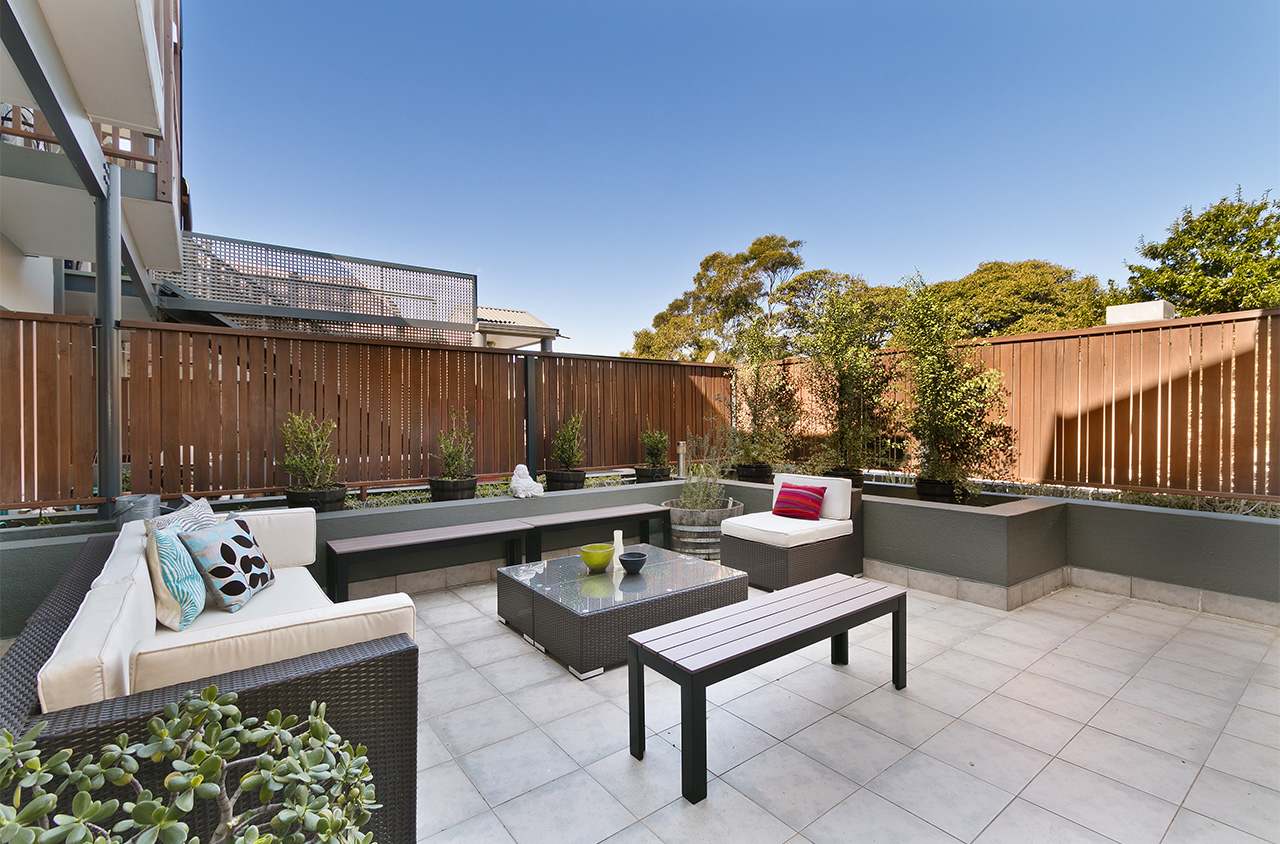
The cost to build a wood fence in Chicago, IL depends on the size, material, add-ons, and more. Read this guide to learn how each cost factor impacts the price of a wood fence.
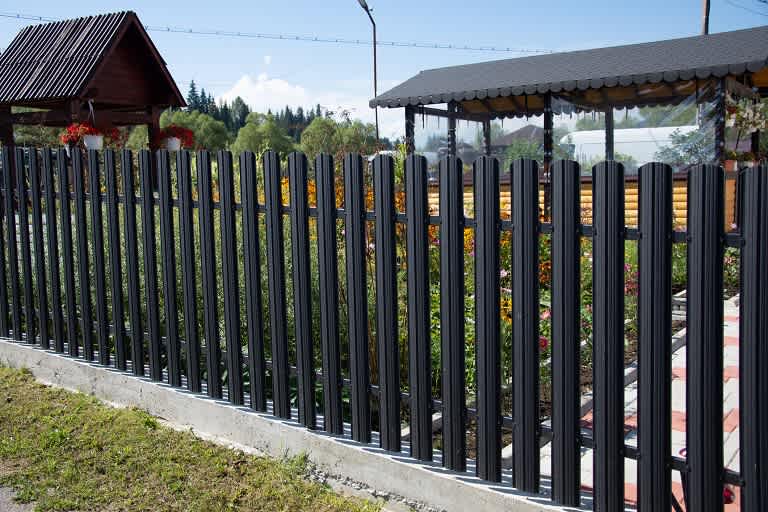
Aluminum fence costs in Chicago, IL depend on your fence’s height, thickness, design, and length. Explore all the cost factors in this guide.
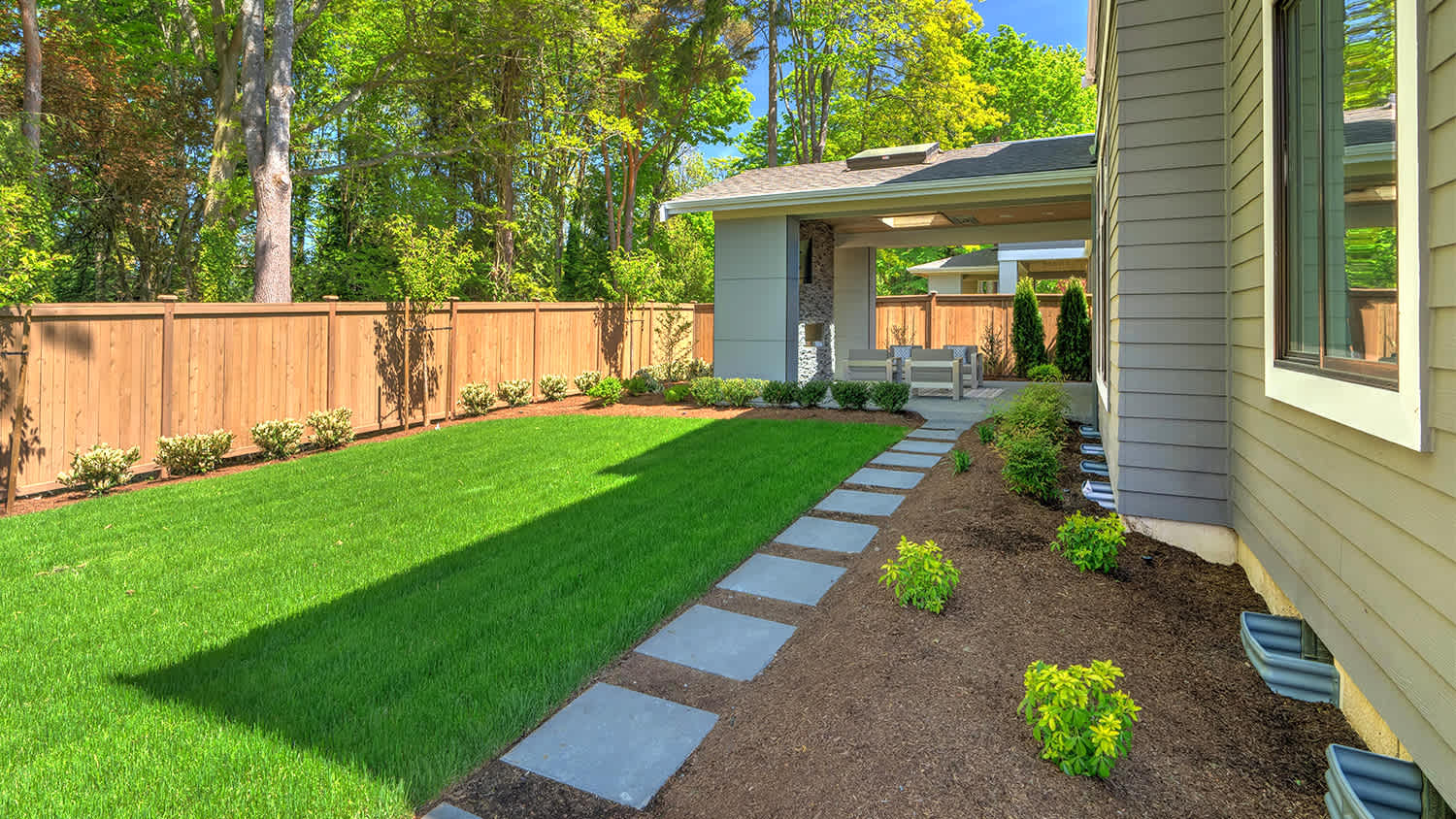
When it comes to the fence for your home, privacy can be paramount. That’s why privacy fences are such a great choice for many. Find out if they’re right for you.

You have the right to feel safe in your backyard. If your home is easily visible from the road or a neighbor’s property, consider these privacy fence ideas.
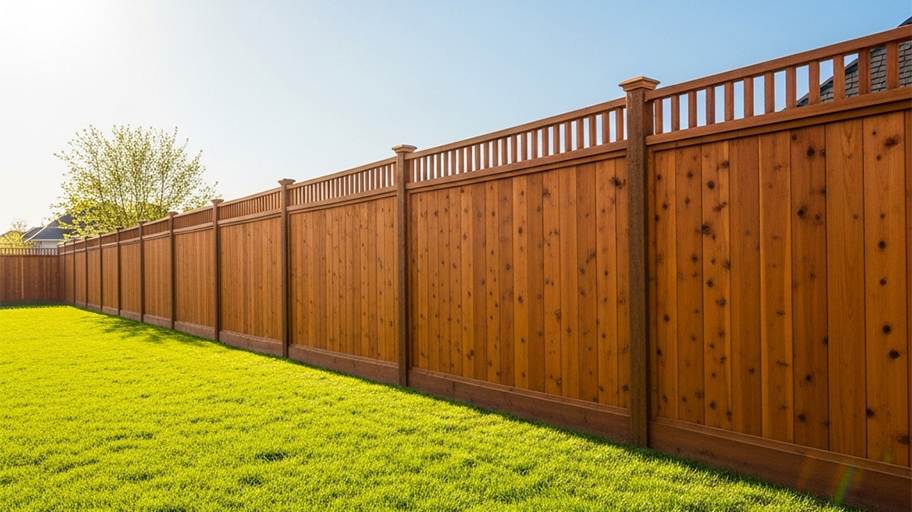
Did you know you can extend the height of your fence for more privacy? Read on to learn how to make a fence taller.