
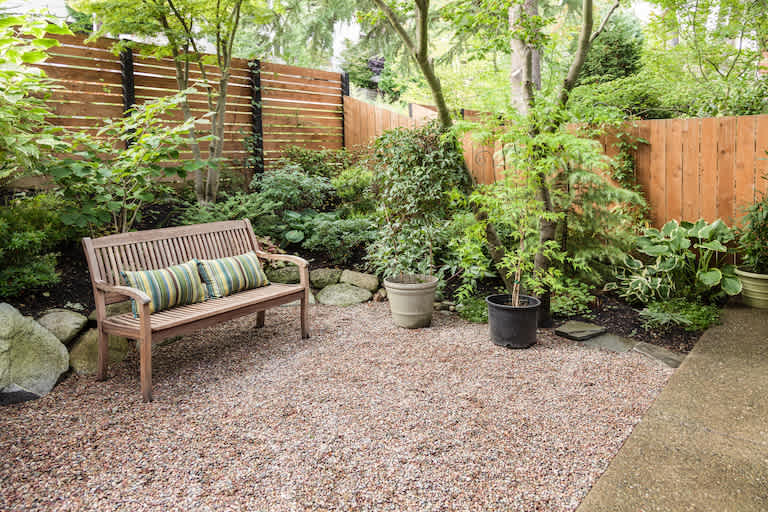
How much a privacy fence costs in Baltimore, MD depends on several factors, including the size of the fence and the material used. Our cost guide breaks down these and other factors.
Fencing service costs depend on your project and location. Check with a local pro for your specific job.

Washington, D.C., homeowners can expect to pay $10 to $55 per linear foot for a new privacy fence.
Vinyl and composite fences are the most expensive to install, while wood is a more budget-friendly material.
You should also leave room in your budget for labor, which costs about $50 per hour.
Hiring a fencing pro in Washington, D.C., is the best way to ensure that your fence is well-built and up to code.
Privacy fence costs in Washington, D.C., range between $1,960 and $8,712, with homeowners in our nation’s capital spending an average of $4,683. The fence’s length and material have the biggest impact on your total, but the cost of labor and prep work also come into play. Here’s how.
Let’s take a look at the main factors that affect the cost of privacy fence installation in Washington, D.C.
Fence installation is priced by linear foot, with an average range of $10 to $55 per linear foot fully installed. So, the larger your yard, the higher the cost. The fence material also greatly impacts the price, as does your yard’s layout.
The table below shows the average cost range for fences of various sizes, from 50 to 300 linear feet.
| Fence Size in Linear Feet | Average Cost Range |
|---|---|
| 50 | $545–$2,720 |
| 100 | $1,090–$5,450 |
| 150 | $1,630–$8,170 |
| 200 | $2,180–$10,900 |
| 250 | $2,720–$13,600 |
| 300 | $3,270–$16,300 |
A privacy fence can add beauty to your property. Wood privacy fences blend with surrounding trees, while metal fences complement a chic, modern vibe.
The table below shows the average cost of a privacy fence by material for a 150-linear-foot fence.
| Fence Material | Description | Average Cost |
|---|---|---|
| Wood | Lower-cost, less durable | $2,940 |
| Bamboo | Lightweight, little maintenance required, not as long-lasting | $3,050 |
| Vinyl | Little maintenance required, more costly than wood | $4,030 |
| Composite | Long-lasting, wood-like appearance, very costly | $4,570 |
| Corrugated metal | Low-cost, durable | $2,720 |
Note that the cost of a board-on-board privacy fence will be higher because they require more materials and more complex installation.
If you need to remove an old fence or get rid of some pesky stumps that are in the way of your dream fence installation, you’ll end up paying a bit more. Many people also decide to add plants like hedges around their new privacy fence to complement the fence’s aesthetics and increase privacy even more.
| Work | Average Cost |
|---|---|
| Old fence removal | $3–$5 per linear foot |
| Tree removal | $200–$2,000 |
| Stump grinding | $120–$400 |
| New hedges | $200–$900 |
To calculate the final cost of your project, you’ve got two more expenses to consider: labor and permits.
When building a privacy fence (or any other kind of fence), it’s best to hire a qualified professional. Fencing pros in Washington, D.C., have the skills, knowledge, and tools to install a fence safely and prevent future problems (like sagging and leaning). On average, you’ll spend around $55 per hour on labor for this job (or about $10 to $15 per linear foot).
Whether you hire a pro or go the DIY route, you need a permit to replace or install most types of fences on private property in Washington, D.C. To get it, you’ll go through the D.C. Department of Buildings (DOB) permitting process—which is far easier to navigate for experienced contractors, who deal with it regularly. The total cost of a permit in Washington, D.C., includes several components, which you can find on the DOB’s Building Permit Fee Schedule.
After installing a fence in Washington, D.C., you can expect a 30% to 70% return on investment (ROI). The exact ROI of a fence hinges upon a few factors, including its height and material. However, privacy fences offer a better return than shorter ones, since they’re better at containing pets, reducing noise, and creating a secluded outdoor environment—all things that are desirable to potential buyers. Plus, since it’s often hard to find private yard space in cities like Washington, D.C., a fence could be even more valuable here.
To help homeowners plan their next project, Angi provides readers with carefully researched cost data and upholds strict editorial standards. We start with national average project costs, which we collect by analyzing competitor information, retailer material costs, and input from professional contractors. We then apply local price index data to calculate location-specific estimates that reflect what homeowners typically pay in their local area. To do that, we use data from the U.S. Bureau of Economic Analysis (BEA), including its Regional Price Parities (RPPs), which measure price differences across cities. This helps us account for differences in labor, materials, and overall cost of living, so estimates in higher- or lower-cost areas better reflect real-world local pricing.
Every estimate undergoes a thorough editorial review to verify accuracy, consistency, and alignment with observed market conditions.
Want to help us improve our cost data? Send us a recent project quote to [email protected]. Quotes and personal information will not be shared publicly.
I needed more than just a fence. Tree removal, sidewalk repair, yard clean-up and mulch. He was upfront about the additional costs, nothing hidden, Everything was done on time and beyond expectations. Have already hired him again for more.
The guys did an amazing job installing our fence! We live in a DC row home so it was a challenging job—very little space between lot lines, trees in the way, existing fences. The guys found solutions for all of it and the fence looks perfect. They were also so fast and the price was very...
 Sokay & Sons Construction
They performed excellent work at a very competitive price. We have used them for many home, improvement projects inside, backyard fence, deck, garage, structural repairs, and roofing. First class work by professionals and always easy to deal with We highly recommend them!
 M&N HOME IMPROVEMENT
The fence was installed and is more functional than what we had and looks nice.
 Ergeon
I had an excellent experience working with Gus & Sons on a fence construction project behind home. Gus and Edgar's outstanding communication, punctuality, and attention to detail were matched only by their kindness and patience. They listened to our preferences and offered valuable insights,...
 Gus & Sons Home Services
My husband and I hired Plomariâ s crew to power wash, repair and stain our deck, stain the backyard fence and level our ceiling. The two-men team worked tirelessly over the course of four days and brought everything in perfect shape! Our deck looks brand new, the backyard fence is well...
Capital Fence was great! The crew was professional, efficient, and put up a gorgeous fence. There was a slight permitting delay, but that was not really their fault.
 Capital Fence, Inc.
I love my fence! It was a great experience, professional and the customer service was top notch! I would highly recommend!
 Builders Fence Co
Seconding the review that says Dale did AAA+++ work. He installed a three rail wood fence with wire and three gates around our half acre yard. His workmanship was top notch and our fence looks beautiful. Dale was communicative, accommodating, flexible, and great to work with.
We worked with Mason and his team at Sino-American to remove our existing chain link fence and broken iron gate and replace with a new wooden fence and custom built gate for our DC rowhouse. We coordinated with our next door neighbor who was getting the same work done and had worked with...
 Sino-American General Contracting
From average costs to expert advice, get all the answers you need to get your job done.
How much a privacy fence costs in Baltimore, MD depends on several factors, including the size of the fence and the material used. Our cost guide breaks down these and other factors.
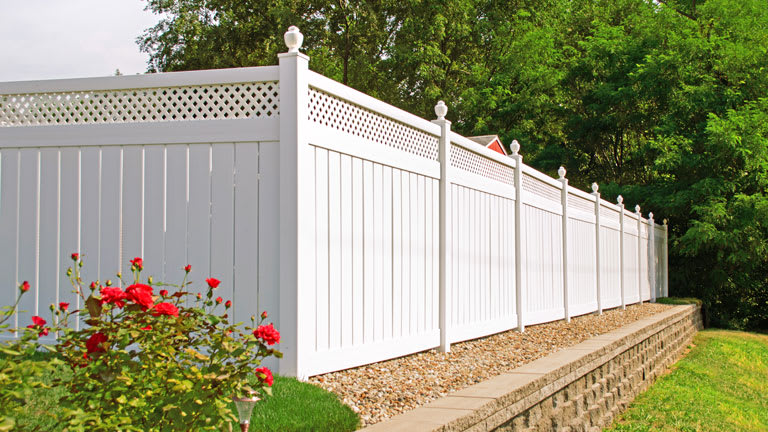
Installing a vinyl fence in Washington, D.C. can recoup a nice ROI, but what you pay depends on your fence’s length, height, and style. Learn about vinyl fence costs in Washington, D.C.
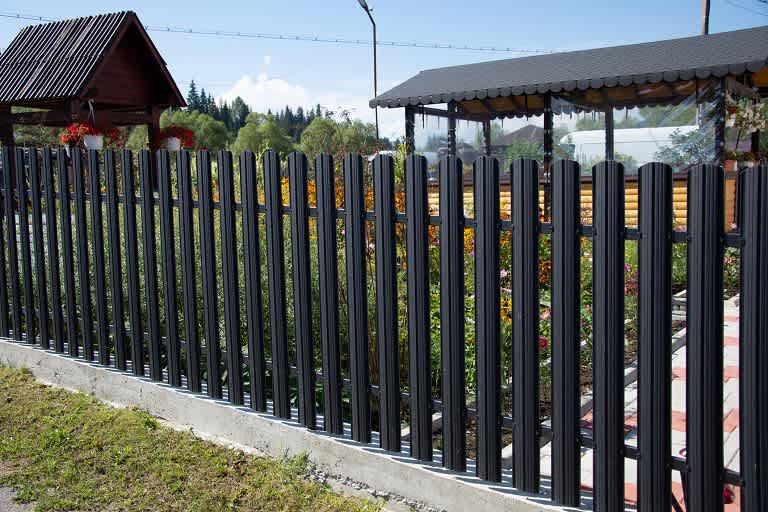
Aluminum fence costs in Washington, D.C. depend on your fence’s height, thickness, design, and length. Explore all the cost factors in this guide.
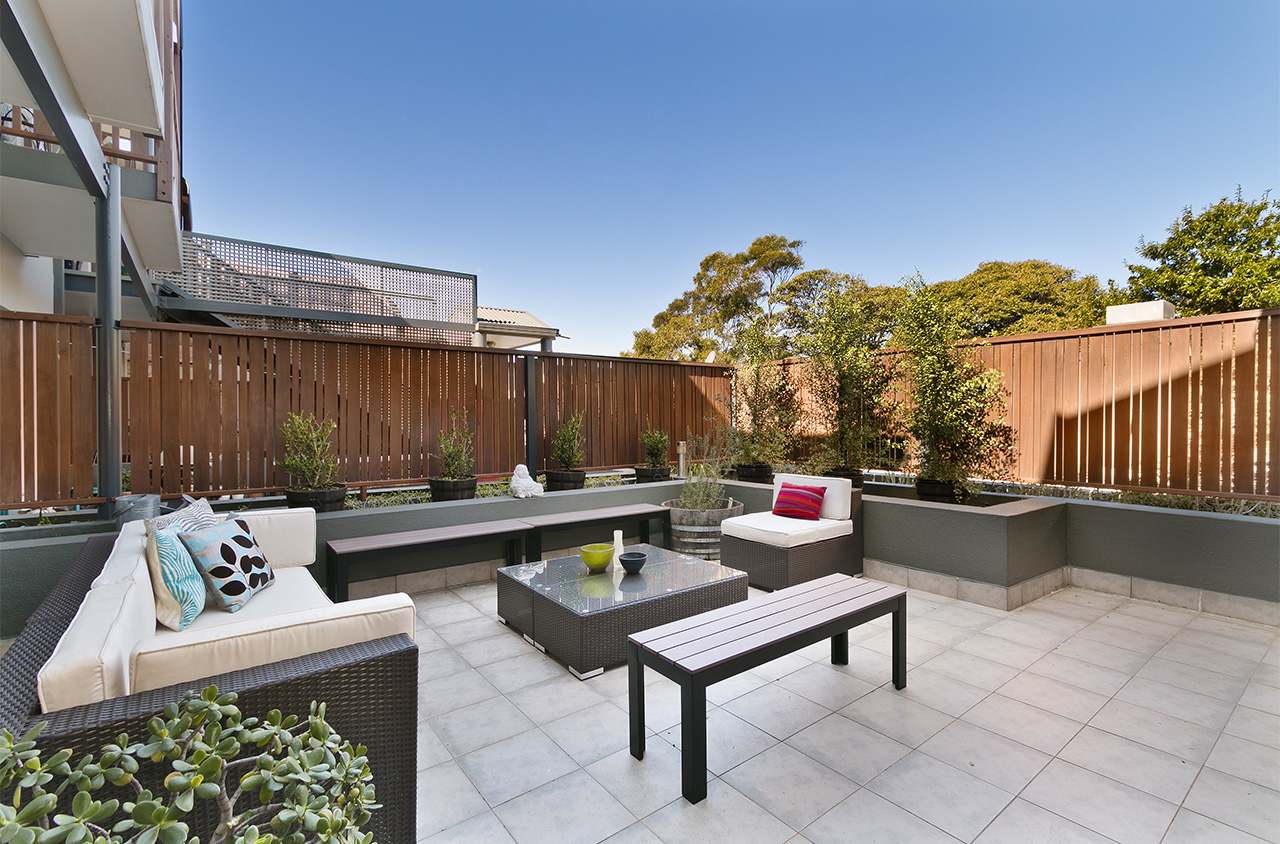
The cost to build a wood fence in Washington, D.C. depends on the size, material, add-ons, and more. Read this guide to learn how each cost factor impacts the price of a wood fence.
The cost to build a wood fence in Baltimore, MD depends on the size, material, add-ons, and more. Read this guide to learn how each cost factor impacts the price of a wood fence.
Aluminum fence costs in Baltimore, MD depend on your fence’s height, thickness, design, and length. Explore all the cost factors in this guide.