
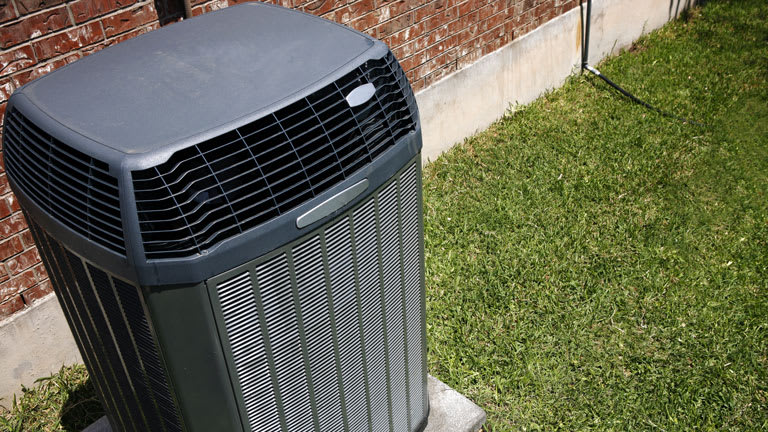
The cost to add R-410A refrigerant and recharge your home’s air conditioner depends on many factors, such as your location in Chicago, IL and the cause of the leak.
Heating and air conditioning service costs depend on your project and location. Check with a local pro for your specific job.

HVAC TXV replacement costs in Chicago, IL, range from $310 to $830 for most residential air conditioning systems.
System size, refrigerant type, installation location, and access through attics, rooftops, or crawl spaces can all affect final project pricing.
Refrigerant recharge, brazing work, and permit requirements can add $75 to $450 in extra project costs, depending on complexity.
Hiring an HVAC pro in Chicago, IL, helps support long-term system value and ensures refrigerant repairs meet code.
In a major Midwest market like Chicago, IL, heating and cooling repairs often come with higher labor rates, stricter code compliance, and added service complexity in older homes and multifamily buildings. HVAC TXV replacement costs in Chicago, IL, range from $363 to $466, with most homeowners paying $414 on average for a residential air conditioning system repair.
The city’s seasonal temperature swings place heavy demand on HVAC systems, especially during humid summers when refrigerant flow issues become more noticeable. System age, refrigerant type, and equipment access all influence final pricing, particularly in neighborhoods with rooftop condensers, tight utility closets, or legacy ductwork that can extend repair time.
In Chicago, IL, HVAC TXV valve replacement costs depend on where the money goes during the repair, including system tonnage, seasonal service demand, and how accessible the indoor or outdoor equipment is for technicians. If your system is already showing signs tied to other common HVAC problems, factors like attic installations, rooftop condensers, or peak summer scheduling can increase labor time and total project cost.
The larger your air conditioning unit, the larger the TXV valve will be. Larger valves cost more and can be more labor-intensive to install. In contrast, smaller AC units use less expensive parts and can be installed at a lower cost.
For example, TXV valve replacement costs for a single-home air conditioner fall between $310 and $830. In contrast, the same service on commercial-sized air conditioners averages $730 to $2,070.
Most people notice problems with their air conditioners during the hot summer months. Summer is the peak season for air conditioner repairs, including TXV repair and replacement. Service companies are busiest at this time, so expect to pay around $210 more and wait for an appointment during peak season.
Scheduling an AC tune-up in the spring or fall can help catch refrigerant flow or valve issues before they turn into major repairs. Staying consistent with annual air conditioner maintenance can also reduce emergency service calls, lower repair costs, and make it easier to secure off-season appointments in Chicago, IL.
Labor costs rise when the job takes longer, especially when hard-to-reach air conditioning units need more time to work on. If your AC unit is in your attic or crawl space, or it’s hard to reach, air conditioning repair pros may need to charge more for their time. This is an important factor to remember when installing new units—while you might want them tucked away and out of sight, they can be costly to repair in the future, such as a TXV valve replacement.
When hiring an HVAC pro in Chicago, IL, your total TXV replacement cost includes more than just the valve itself. Labor, diagnostic testing, refrigerant recovery and recharge, brazing, system calibration, permits, and local sales tax all contribute to the final project price.
In Chicago, IL, HVAC technicians handling TXV replacement charge $110 to $170 per hour. Most valve replacements take two to five hours, depending on equipment location, refrigerant type, and whether the evaporator coil or access panels need partial disassembly.
Before replacing the valve, most Chicago, IL, contractors charge $100 to $180 for system diagnostics. This includes pressure readings, superheat and subcooling checks, thermostat communication testing, and inspection of the evaporator coil, compressor, and refrigerant lines.
After refrigerant recovery and repair, recharging costs $180 to $450, depending on refrigerant type and system capacity. Older systems using phased-down refrigerants or larger multi-zone equipment often push costs higher in the city’s service market.
Installing a TXV requires cutting, brazing, and sealing copper refrigerant lines. Chicago, IL, HVAC companies often bundle this into labor, though complex installations can add $120 to $300 in materials, torch work, nitrogen purging, and replacement fittings.
After installation, leak testing and calibration add $90 to $220. Technicians pressurize the system, confirm sealed connections, and fine-tune refrigerant flow to manufacturer specifications before restarting the air conditioner.
Most residential TXV replacements in Chicago, IL, don’t require standalone permits, but mechanical or refrigerant permits may apply during larger HVAC repairs. When required, permit costs fall between $75 and $200, depending on project scope and city filing requirements.
Chicago, IL, homeowners also pay local sales tax on taxable materials and equipment. Combined city and state sales tax can reach around 10%, which may apply to replacement parts, refrigerant, and other billable materials on the final invoice.
In Chicago, IL, replacing a failed TXV valve can help your air conditioning system handle humid summers and heavy seasonal demand by restoring accurate refrigerant metering and reducing unnecessary wear on the compressor and evaporator coil. Knowing when to call an HVAC repair pro can prevent small refrigerant control issues from turning into larger system failures, especially in older brick homes, condos, and multifamily properties across the city.
A TXV replacement doesn’t carry a standalone resale percentage, but professionally maintained HVAC systems can still influence buyer perception during inspections. Full HVAC system upgrades can provide a 35% to 60% return on investment (ROI), and resolving valve issues early can help protect system efficiency, extend equipment life, and preserve more of the value tied to a future heating and cooling replacement.
To help homeowners plan their next project, Angi provides readers with carefully researched cost data and upholds strict editorial standards. We start with national average project costs, which we collect by analyzing competitor information, retailer material costs, and input from professional contractors. We then apply local price index data to calculate location-specific estimates that reflect what homeowners typically pay in their local area. To do that, we use data from the U.S. Bureau of Economic Analysis (BEA), including its Regional Price Parities (RPPs), which measure price differences across cities. This helps us account for differences in labor, materials, and overall cost of living, so estimates in higher- or lower-cost areas better reflect real-world local pricing.
Every estimate undergoes a thorough editorial review to verify accuracy, consistency, and alignment with observed market conditions.
Want to help us improve our cost data? Send us a recent project quote to [email protected]. Quotes and personal information will not be shared publicly.
showed up before we expected them and the work I was done excellently and with a very Royal HVAC innovator, friendly and helpful attitude. The price was also better than we expected. We will definitely use them again. And Sylvester, our service guy went above and beyond to make sure we were...
 Royal HVAC Innovators
My A/C has not been doing its job lately. When the days get up to 88+ degrees, my house goes to 81 with the A/C on full blast. Finally I used Angi's list to fine Blackwell Heating. Since I bought the house I'm in, 3 different people have looked at my A/C system. All 3 didn't to the simplest...
Alex is a go-getter, first of the Angi recommended repair people to reach out shortly after I put in my request. He was able to swing by for diagnostics quickly to see what part needed replacement, and even though the supply house was closed for the evening he went above and beyond and was...
 AMTech
Weâ ve been having issues with our furnace and with winter coming we needed to get it repaired. HWRD Heating and Cooling was recommended to us and we couldnâ t be happier! Service was fast and affordable, very pleasant people to interact and do business with. They were very conscious of my...
 HWRD Heating and Cooling
It went great he went and got part I need and didn’t leave till my heat will working properly
 Local Handyman Larry
Jiang installed a Heat Pump and Furnace system for me. He gave the best price I could find in the market and provided an excellent service. His response was quick. What else can a customer ask for? Two thumbs up!
ADC Pros installed central air at my parents home this summer. I am so happy my parents finally agreed to it because for one, they are no longer dealing with AC window units that did not cool the entire house, but two, they are saving on their electric bill. Additionally, I was pleased with...
 ADC Pros, LLC
Great experience, – they were able to fix my issue quickly and hired them a second time to replace air conditioner, furnace, and smart thermostat. These guys are very knowledgeable, and helpful. I would highly recommend them to anyone looking for any heating and cooling services.
 JL Heating & AC LLC
Andy and his crew came during one of the coldest days of the year. We had no heat in the restaurant. They promptly installed a new furnace so we could have customers in that same night. 10/10 would recommend to anyone. Professional, polite, and efficient.
 AB Heating & Cooling
I am asked to repeat my assessment? Well, ok. With our heat out on a bitter cold day, they arrived and replaced the old thermostat and a small part in the furnace within a couple of hours of the call. The house didn't even get a chance to become really cold for which we old people are...
 Orcasitas Comfort
From average costs to expert advice, get all the answers you need to get your job done.
The cost to add R-410A refrigerant and recharge your home’s air conditioner depends on many factors, such as your location in Chicago, IL and the cause of the leak.
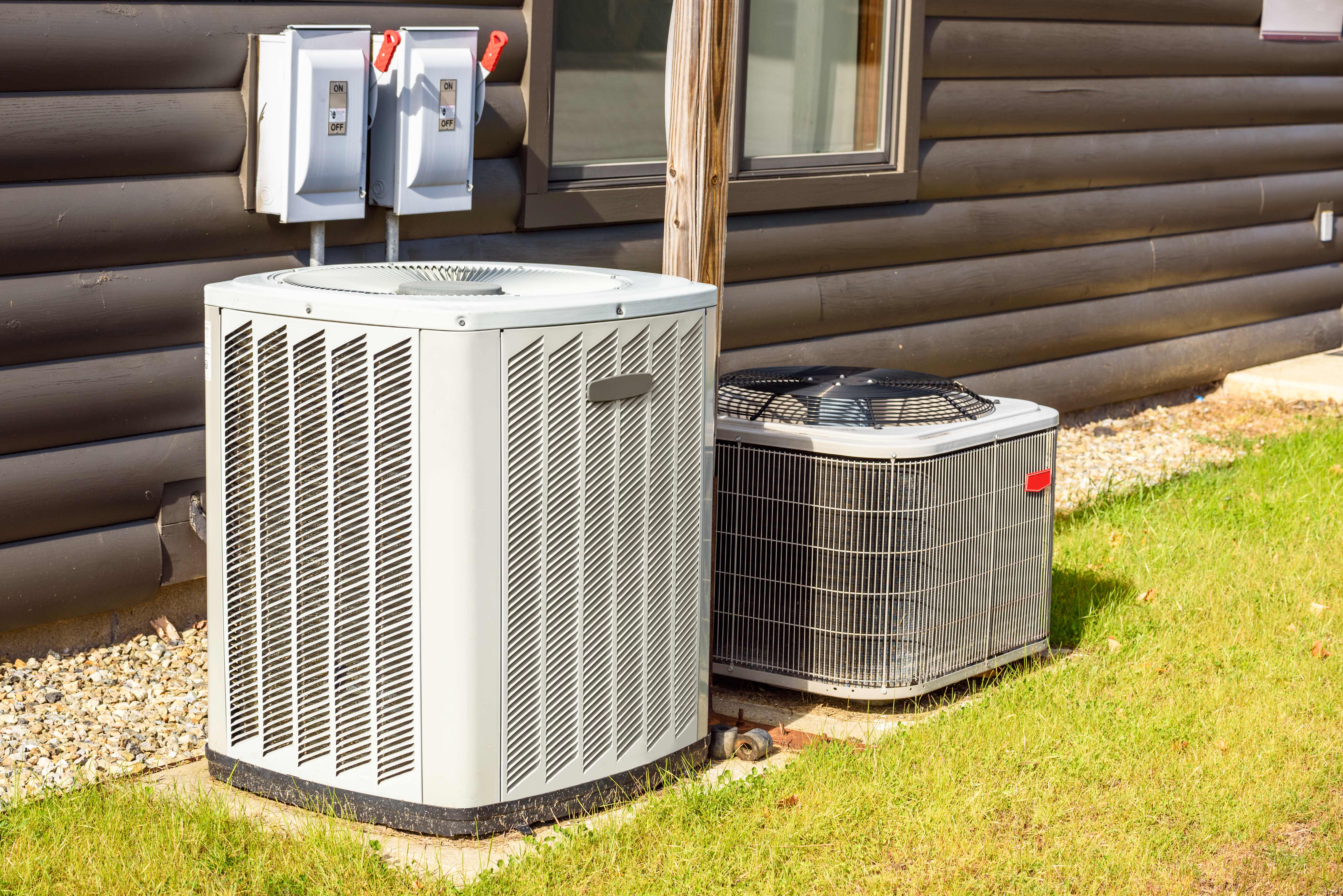
What’s the average AC replacement cost in Chicago, Illinois? It ranges from $2,748 to $5,472, but most people pay about $4,103. Here’s how to estimate costs.
If your air conditioning unit isn’t functioning properly, you might need an AC recharge. Our guide will detail what a typical AC recharge cost in Chicago, IL looks like.
Find out the average window AC unit repair cost in Chicago, IL. Learn what you can expect to pay local HVAC technicians to get your cooling system running.
Find out the average radiator and boiler repair cost in Chicago, IL. Learn what you can expect to pay for local heating services and keep your home warm.

Getting AC and furnace replacement done at the same time can lead to huge benefits for your wallet and your home in Chicago, IL. Here’s everything you need to know.