
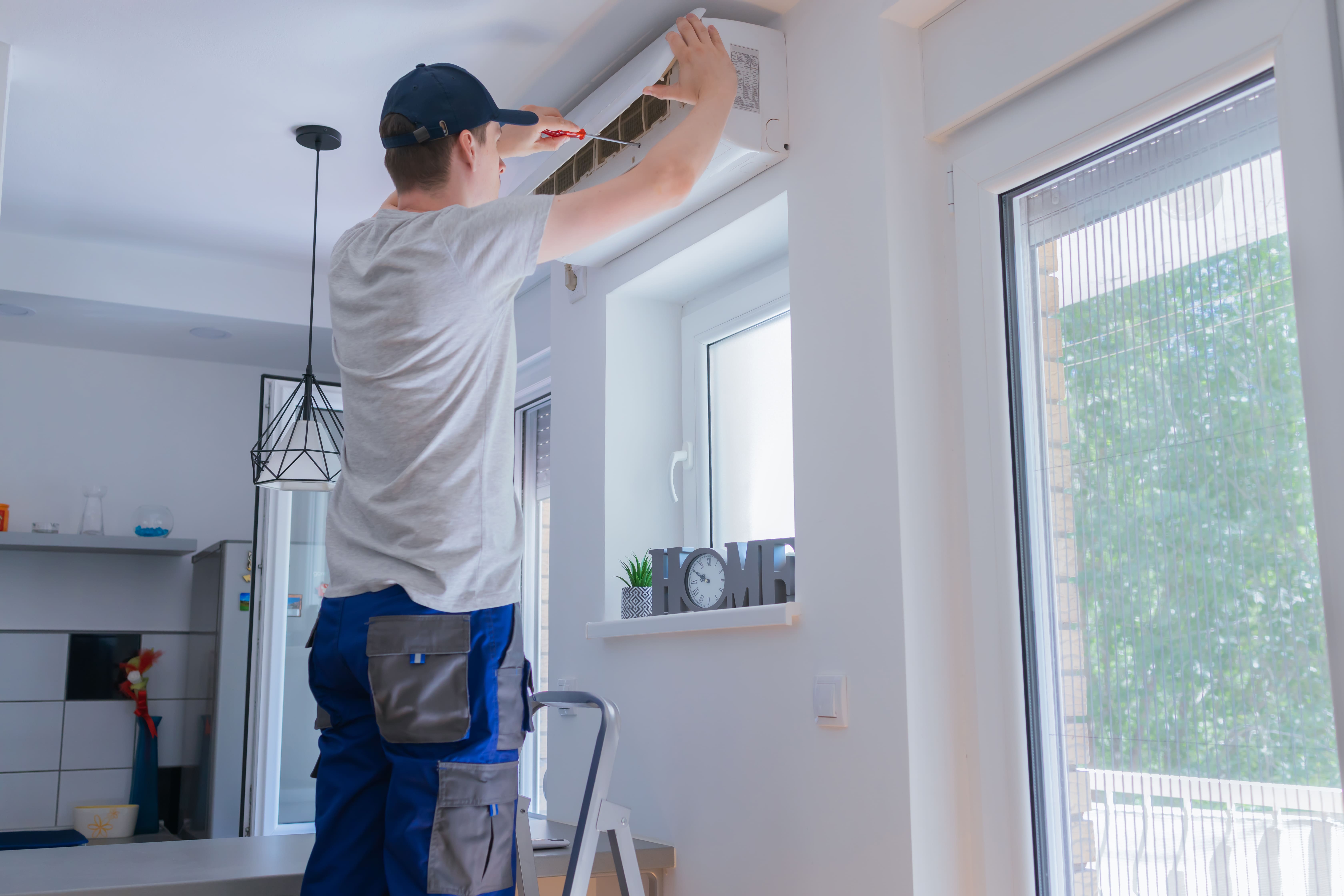
What does AC replacement cost in Philadelphia, Pennsylvania? On average, this project will run between $4,445 and $8,622, with most people paying $6,511.
Heating and air conditioning service costs depend on your project and location. Check with a local pro for your specific job.

A single-zone mini-split unit in Philadelphia, PA, costs $2,000 to $5,500.
The average 12,000 BTU unit will cost about $3,250.
HVAC technicians in Philadelphia, PA, charge $80 to $160 per hour.
Required local permits add $200 to $450 to your project total.
Mini-split installation can offer a 50% to 70% return on investment (ROI).
Homeowners in Philadelphia, PA, looking to install a mini-split system can expect costs that are competitive with the national average, though still influenced by regional factors such as local labor rates and climate. The cost to install a mini-split system in Philadelphia, PA, ranges from $2,052 to $5,130, with an average project cost of $3,078.
Several factors affect the final price, including the size of the home, the number of zones, and the complexity of the installation. Labor rates in the Philadelphia, PA, area, as well as considerations for handling both hot summers and cold winters, can influence project costs. Homeowners may also need to factor in additional costs for high-efficiency or multi-zone systems to ensure consistent comfort year-round.
The price you’ll pay for mini-split installation in Philadelphia, PA, depends on several key factors, including the number of zones, unit size, and efficiency. Let’s take a closer look at how these affect the overall cost.
You and your HVAC team will likely start by examining the correct mini-split configuration for your home. Tiny homes or those with an open floor plan may only require a single-zone system, while homes that need multiple thermostats will require more. The mini-split’s location will also determine the product's cost. Keep in mind that these prices do not include installation costs.
| Type | Average Cost |
|---|---|
| Single-zone | $2,000–$5,500 |
| Multi-zone | $3,500–$12,500 |
| Wall-mounted | $2,000–$8,500 |
| Ceiling-mounted | $3,000–$12,000 |
| Floor-mounted | $2,500–$5,000 |
| Ceiling cassette | $3,000–$8,500 |
Ductless mini-split installation is determined mainly by the size of the system.
| Unit Size (BTUs) | Average Cost |
|---|---|
| 6,000 | $2,000–$3,000 |
| 9,000 | $2,200–$3,500 |
| 12,000 | $2,500–$4,000 |
| 18,000 | $3,000–$5,000 |
| 24,000 | $3,500–$6,000 |
| 30,000 | $4,000–$6,500 |
| 36,000 | $4,500–$7,000 |
| 42,000 | $5,500–$8,500 |
The average 12,000 BTU unit will cost about $3,250. Ductless cooling systems cost about 30% more than new ductless systems and nearly twice as much as standalone window ACs, so consider your energy bill when budgeting for the long term.
The advantage of a multi-split or multi-zone system is that it allows you to have different cooling areas in your home. Up to five indoor units can be attached to each outdoor unit; most systems have at least one indoor unit. Additional units can cost between $1,500 and $3,000. More powerful condensers are needed to run more than five units at a time, which can increase both installation and ongoing maintenance costs.
When deciding how many rooms you need cooled in your home, you can choose between a single-zone and a multi-zone mini-split system. An HVAC professional can assess each room's square footage to ensure the right fit. More zones lead to higher costs, with single-zone units ranging from $2,000 to $5,500 and five-zone units from $6,000 to $12,500.
| Number of Zones | Average Cost |
|---|---|
| 1 | $2,000–$5,500 |
| 2 | $3,000–$7,000 |
| 3 | $3,500–$8,500 |
| 4 | $4,500–$10,000 |
| 5 | $6,000–$12,500 |
The efficiency of a mini-split unit significantly impacts its overall cost. A higher Seasonal Energy Efficiency Ratio (SEER) rating means lower monthly energy costs due to increased efficiency. You should factor this in when choosing a unit, especially in a region with extreme temperatures, where a higher SEER-rated system may be cost-effective.
Energy-efficient units save money in the long run and often even qualify for utility rebates and government tax credits. However, they may come with a higher upfront cost. Be sure to balance your budget with long-term savings when making a decision.
A ductless mini-split AC system comprises three main parts: an outdoor condensing unit, inside air units, and refrigerant coolant lines to connect everything. They can be bought as a kit, or each part can be purchased individually as needed.
The average prices below are for the parts only and don’t factor in the labor cost for professional HVAC installation, which can cost between $500 and $2,500 alone.
| Part | Average Cost |
|---|---|
| Outdoor unit | $2,000–$5,500 |
| Indoor unit | $500–$2,000 |
| Refrigerant lines | $8–$12 per foot |
| Installation kit | $350–$600 |
Homeowners in Philadelphia, PA, will also need to budget for local labor, permits, insurance, and other location-specific costs that add to the total installation cost. Here’s a breakdown of common expenses for Philadelphia, PA, mini-split installation pros to factor into your total costs.
Labor is a significant portion of the total cost for mini-split installation, accounting for 40% to 60% of the overall project cost. HVAC technicians in Philadelphia, PA, charge an average of $80 to $160 per hour, or $600 to $3,000 per project, depending on factors including the system’s size, number of zones, and the complexity of the installation.
In Philadelphia, PA, HVAC technicians are the primary professionals handling mini-split installations, as they specialize in heating, ventilation, and air conditioning systems, including ductless mini-split systems. These experts are familiar with local installation standards and can guide you through the best options for your home. Local pros can guide you through the installation process and answer any mini-split questions you may have.
Depending on the specifics of your mini-split installation project, you may need to hire additional pros. Here are a few specialists to consider, based on your home’s exact needs:
General contractors may be necessary for multi-phase installation or projects that require electrical coordination or structural changes. In Philadelphia, PA, they charge $85 to $175 per hour on average.
Electricians are often needed if your mini-split system requires any electrical work, such as upgrades to the panel or wiring. Electricians charge $80 to $160 per hour, depending on the complexity of the electrical requirements and the installation location.
In Philadelphia, PA, permits are required for HVAC installations to ensure adherence to local building codes and safety regulations. The permit fees range from $200 to $450, depending on the scope of the work. Additionally, inspections may be necessary to confirm that the installation meets all code requirements. Having your HVAC pro handle the permitting process ensures a streamlined process, as they are familiar with the city’s specific guidelines.
In Philadelphia, PA, installing a mini-split system can significantly boost your home’s value, particularly in older properties or those without central air. These systems are known for their energy efficiency, ability to provide targeted heating and cooling, and their appeal to buyers in a region with both hot summers and cold winters. Industry experts estimate that mini-split installations have a return on investment (ROI) of 50% to 70%, depending on factors like the type of system and the home’s condition. In a competitive housing market like Philadelphia, PA, upgrades that improve comfort and reduce energy costs are likely to make your home more attractive to potential buyers.
To help homeowners plan their next project, Angi provides readers with carefully researched cost data and upholds strict editorial standards. We start with national average project costs, which we collect by analyzing competitor information, retailer material costs, and input from professional contractors. We then apply local price index data to calculate location-specific estimates that reflect what homeowners typically pay in their local area. To do that, we use data from the U.S. Bureau of Economic Analysis (BEA), including its Regional Price Parities (RPPs), which measure price differences across cities. This helps us account for differences in labor, materials, and overall cost of living, so estimates in higher- or lower-cost areas better reflect real-world local pricing.
Every estimate undergoes a thorough editorial review to verify accuracy, consistency, and alignment with observed market conditions.
Want to help us improve our cost data? Send us a recent project quote to [email protected]. Quotes and personal information will not be shared publicly.
In May 2024, Custom Aire replaced my HVAC system. They charged over $9,000. Turned out, only the compressor had to be replaced (a $3,000 job according to the technicians). But I went ahead with the full replacement, as I felt bad that I could not locate my HVAC unit on the roof of my building...
 Custom-Aire, Inc.
I own a day spa in the city. They came in and reconditioned all four of my saunas and I didn?t have to shut down ! The big thing is that they cleaned up after they were done . I GIVE THEM AAA+++
 Honey Electric and Mechanical, LLC
Responded fast, professional & helped to fix my HVAC during a heat wave! Thank you.
 Strive for Services Heating and Cooling
Desmond got back to me fairly quickly. My heat went out on a Sunday and by Wednesday we were back up and running again. He was very professional and so was his team. They were very sincere and caring. They got the job done and I've had no issues since the new heating system has been...
 Desmond Heating & Cooling Solutions
They were able to return our call and have someone out to check our heater within a hour, explained and took pictures of the problem and just what needed to be done.
 Sila Heating, Cooling, Plumbing, & Electrical
Yesterday CARLOS came to our home to fix some ductwork that detached under our house. I was greeted with an enthusiastic hello and a smile. He reviewed his paperwork verbally to see what he was here for, and in addition, he asked if I had any other concerns. In yesterday's terrible heat,...
 PACIFIC CONTROL SERVICE
We had CT Painters paint our dining room. The prep required the removal of two layers of wall paper, which took a couple of days to complete. Anton and his team then primed and painted the room, including walls, trim, ceiling, windows and a new fireplace surround. The room looks fantastic,...
 CT Painters, LLC
They were attentive, concern and interested about the cleaning service that I wanted, and I highly recommend them.
 Free Spirit Cleaning
They where on time and professional, over pricy . But the service contract don't cover anything so I canceled that the next day shop around I found a service contract w the gas company is better and they cover parts and labor , their contract only covers a yearly inspection that's it. Overall...
 MECHANICAL MISSION USA, LLC
The team was punctual, neat, and did a wonderful job cleaning the windows,Window wells and windowsills. The house feels bigger and brighter now that the windows are clean! Vicki was wonderfully helpful in setting up the visit and the whole team was simply great!
 BrightSide Clean Pros
From average costs to expert advice, get all the answers you need to get your job done.
What does AC replacement cost in Philadelphia, Pennsylvania? On average, this project will run between $4,445 and $8,622, with most people paying $6,511.
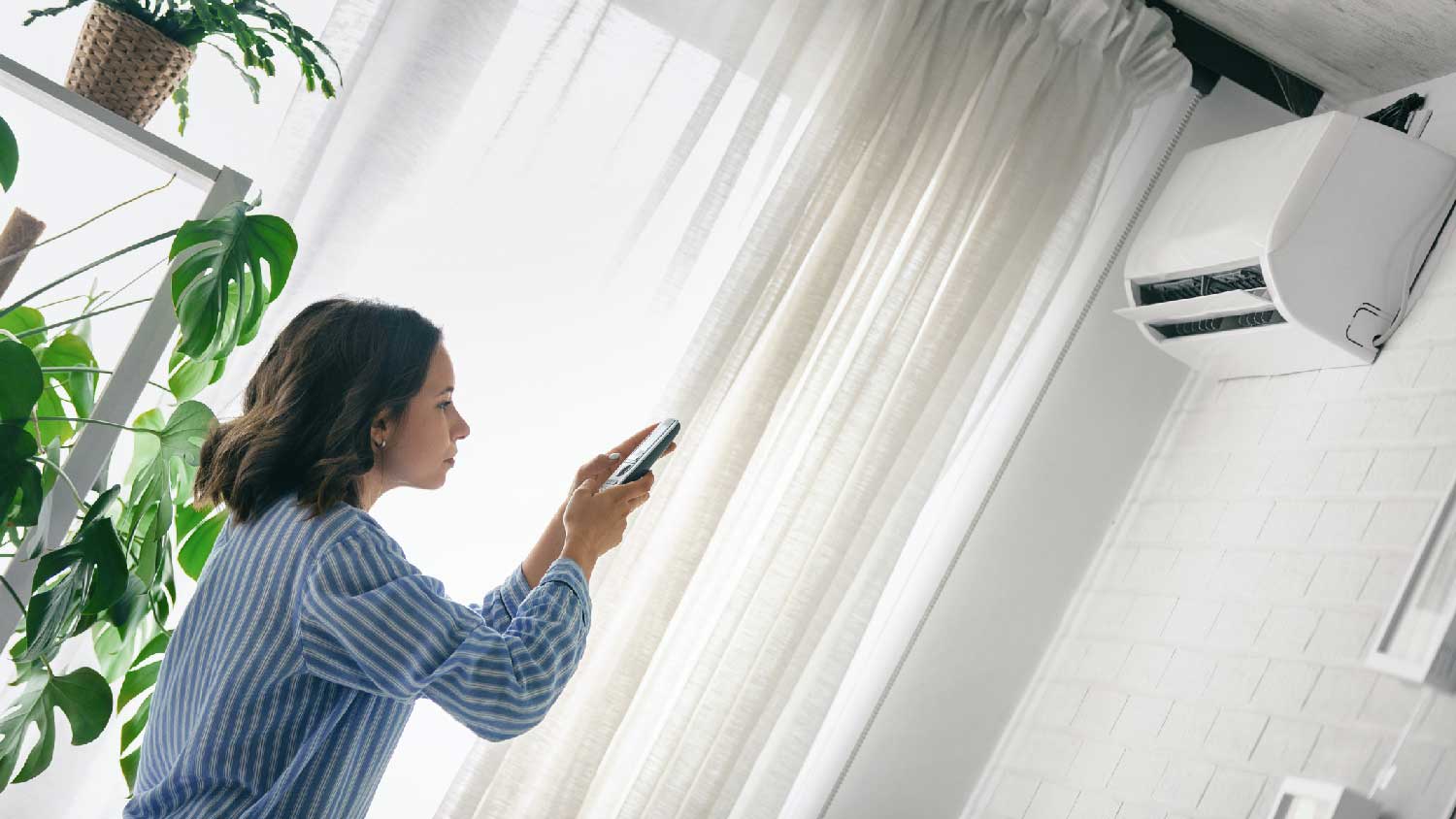
If your air conditioning unit isn’t functioning properly, you might need an AC recharge. Our guide will detail what a typical AC recharge cost in Philadelphia, PA looks like.
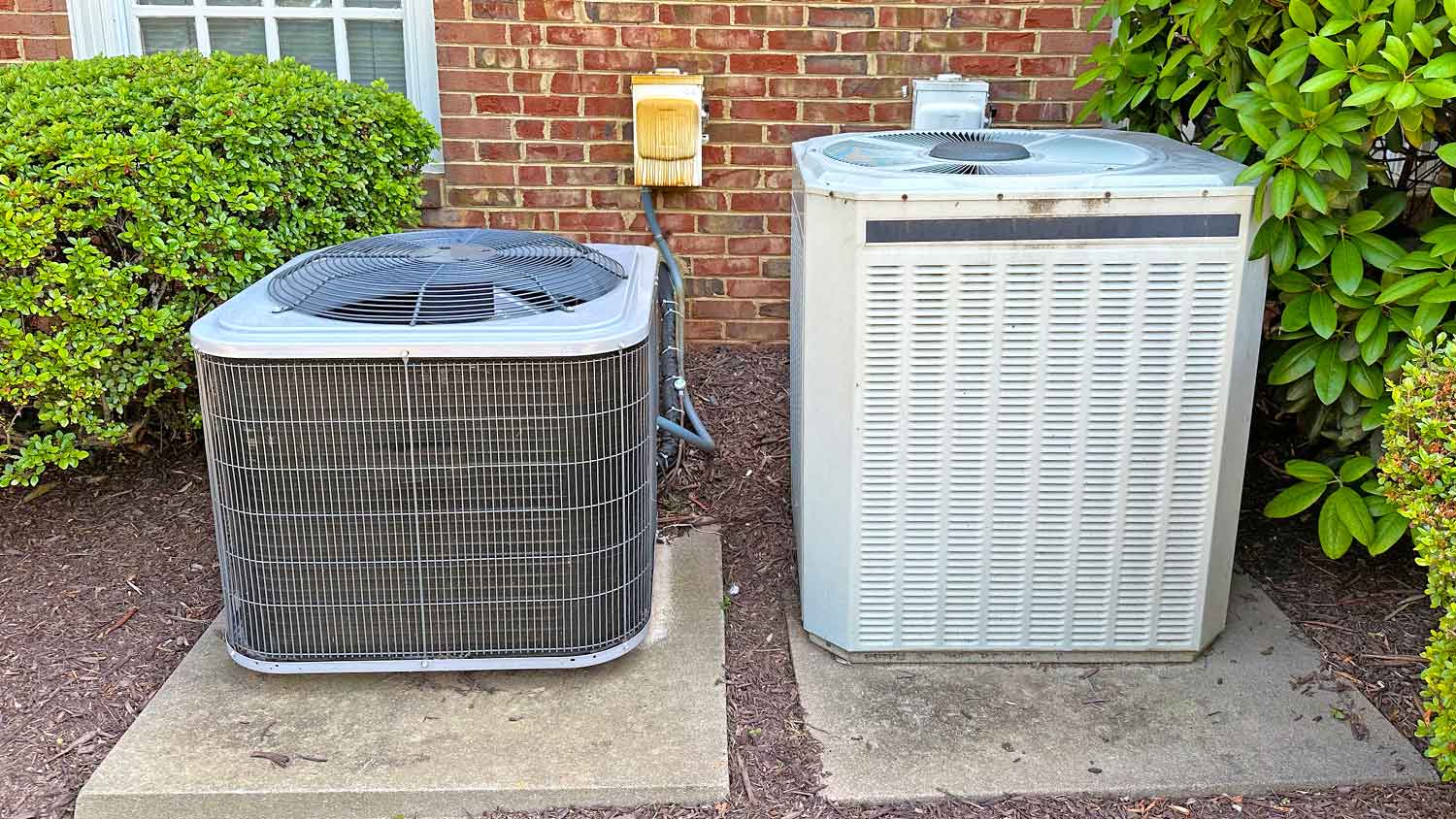
When determining the AC coil cleaning cost in Philadelphia, PA, you’ll need to factor in the size, cleaning method, and type.

Review the disadvantages of mini-split systems as well as the benefits before buying. Review our breakdown of the mini-split pros and cons.
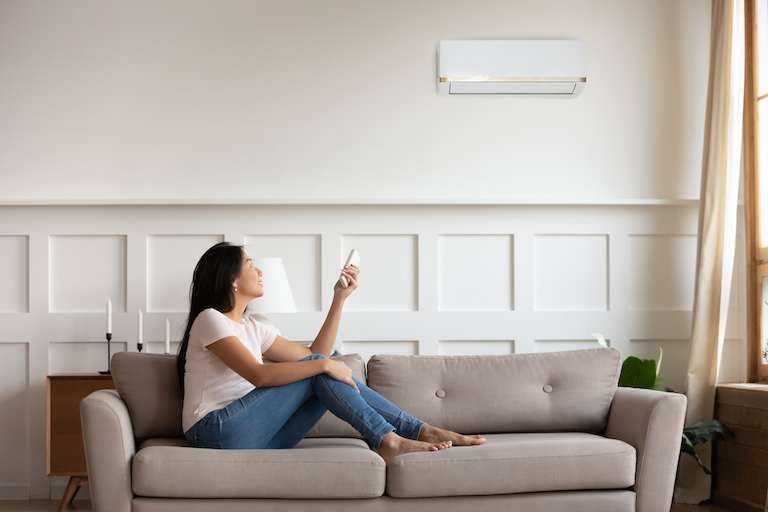
Thinking about a ductless mini-split heating installation? Learn about zoning options, costs to expect, and how to hire the right local HVAC pro.
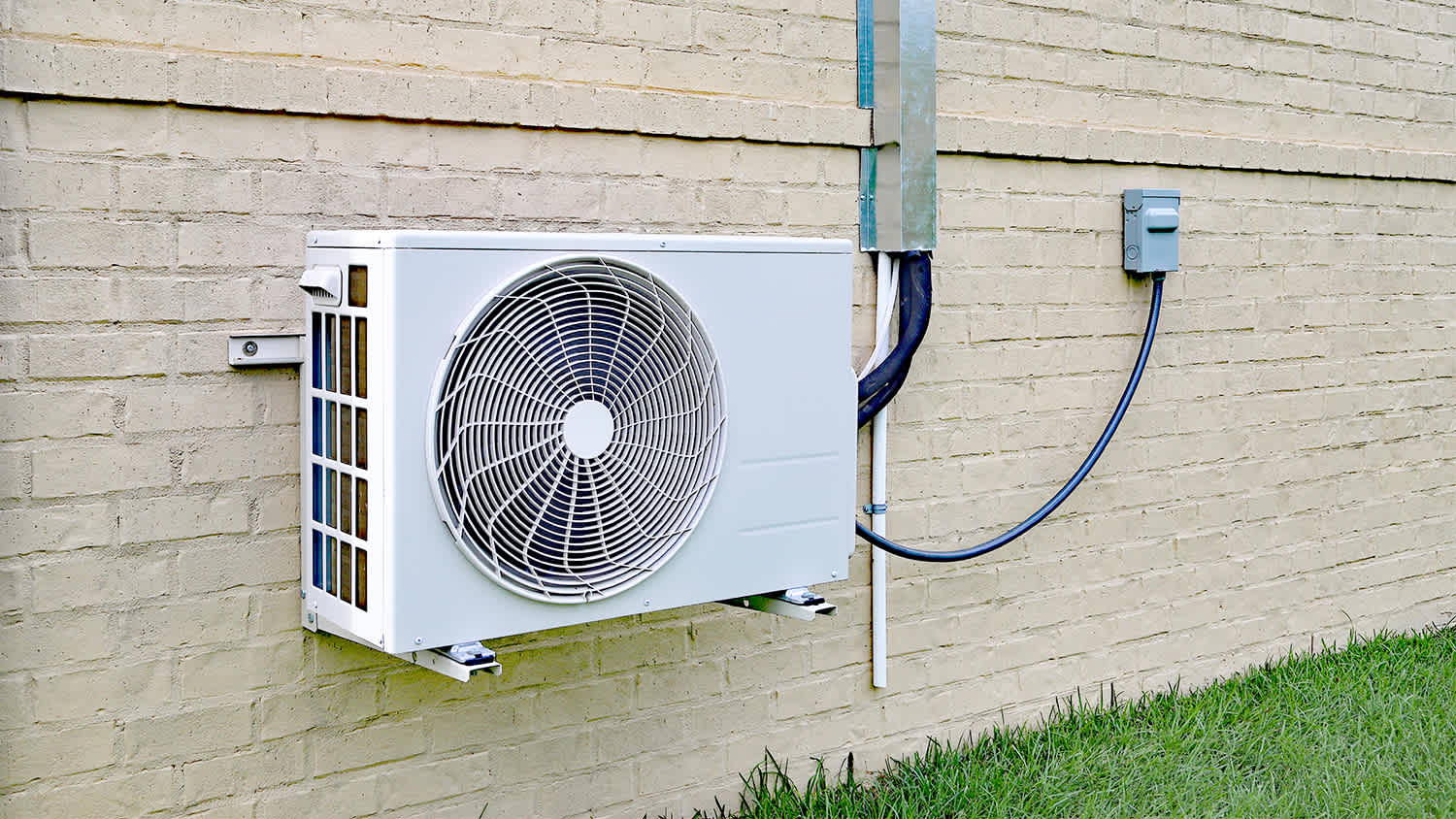
Adding a ductless mini split can be the right choice for a home addition or small space. Review these ductless mini split questions to prep for talking with a pro.